01
Natural living room
Use durable anchors, natural fibers and an edited palette instead of disposable decor.
Ideas, layouts, colors and materials for a sustainable living room — plus the pieces that make the look work.
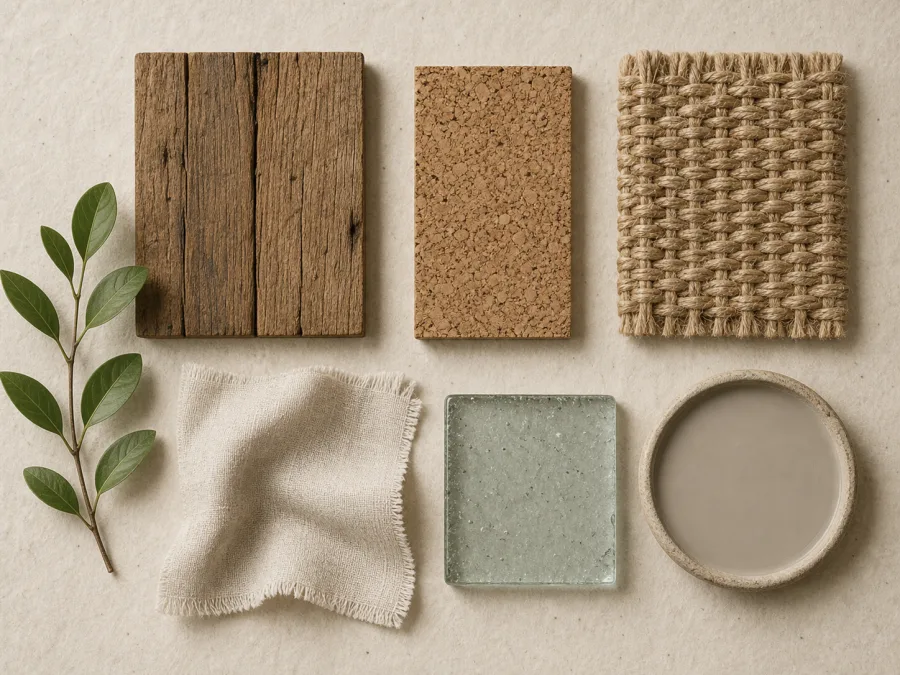
A sustainable living room starts with what will last. Before buying new decor, choose durable seating, repairable furniture, natural fibers and pieces you can keep for years.
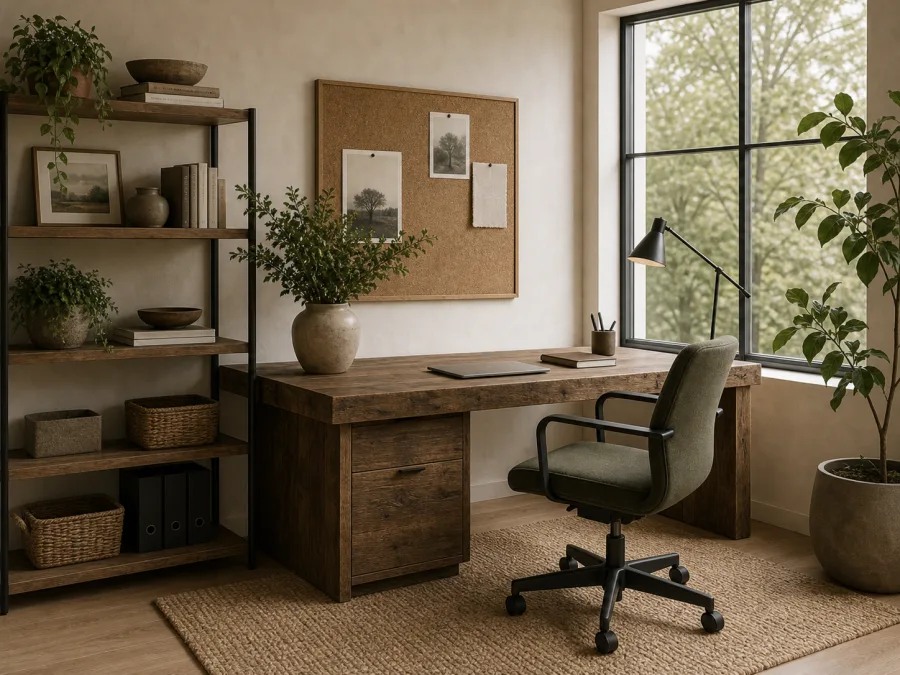
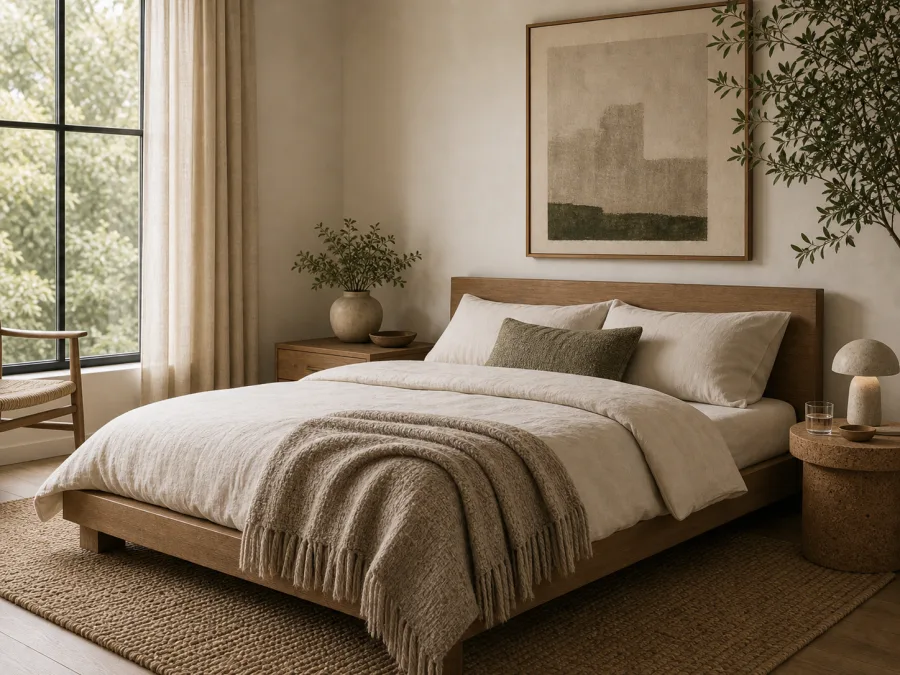
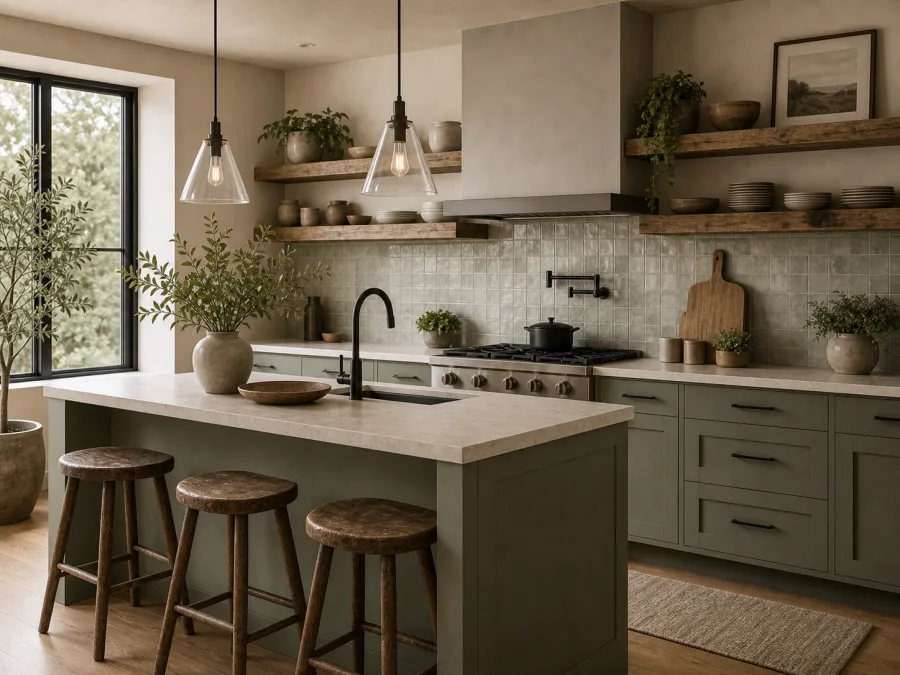
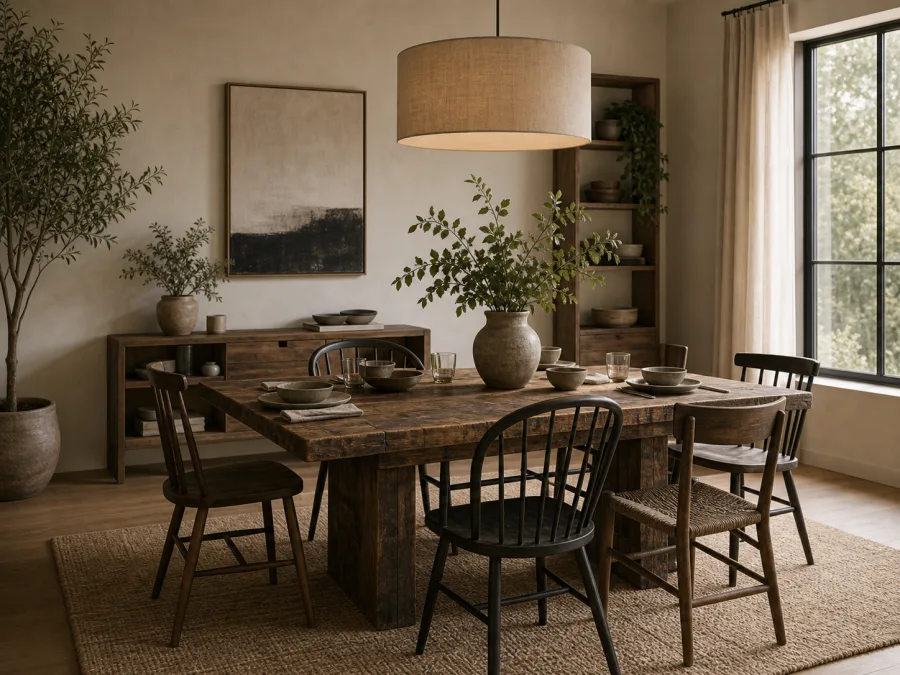
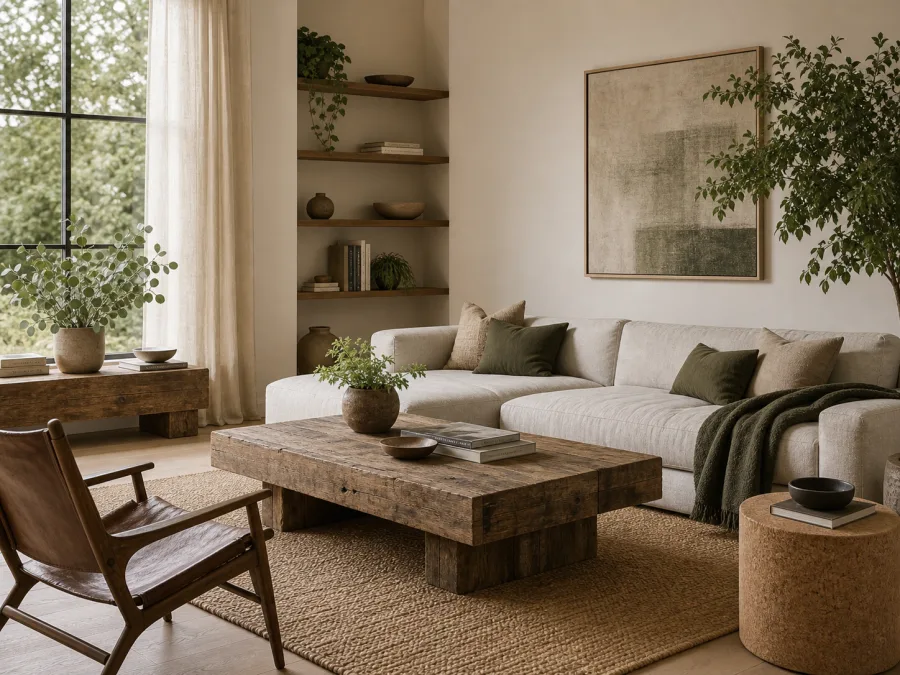
The room can still feel polished. Reclaimed wood, linen, jute, vintage seating and recycled glass work best when the layout is edited and the palette comes from real materials.
Use these examples to choose the version of the style that fits your architecture, light and square footage.
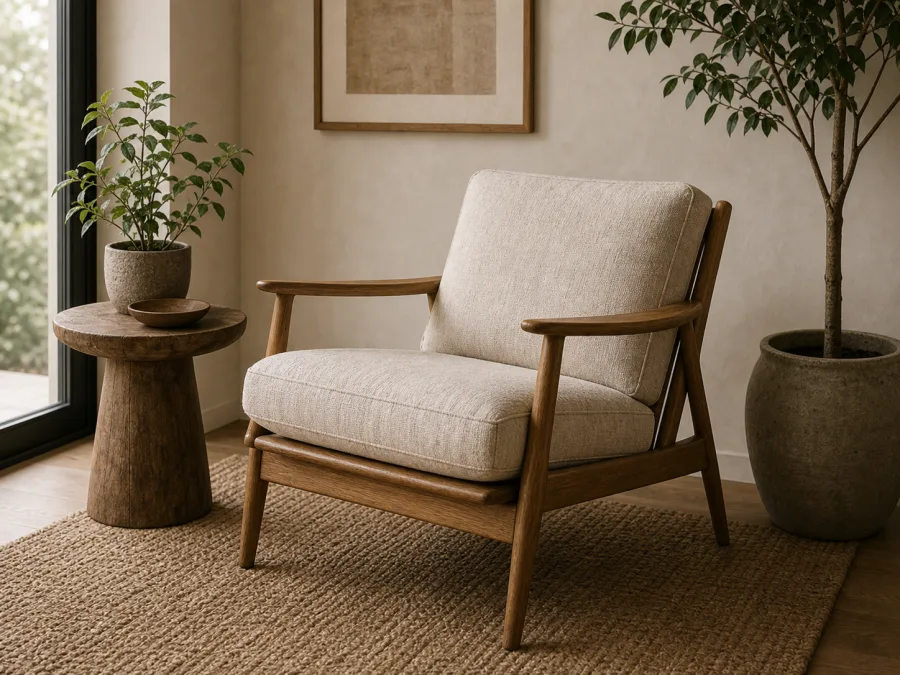
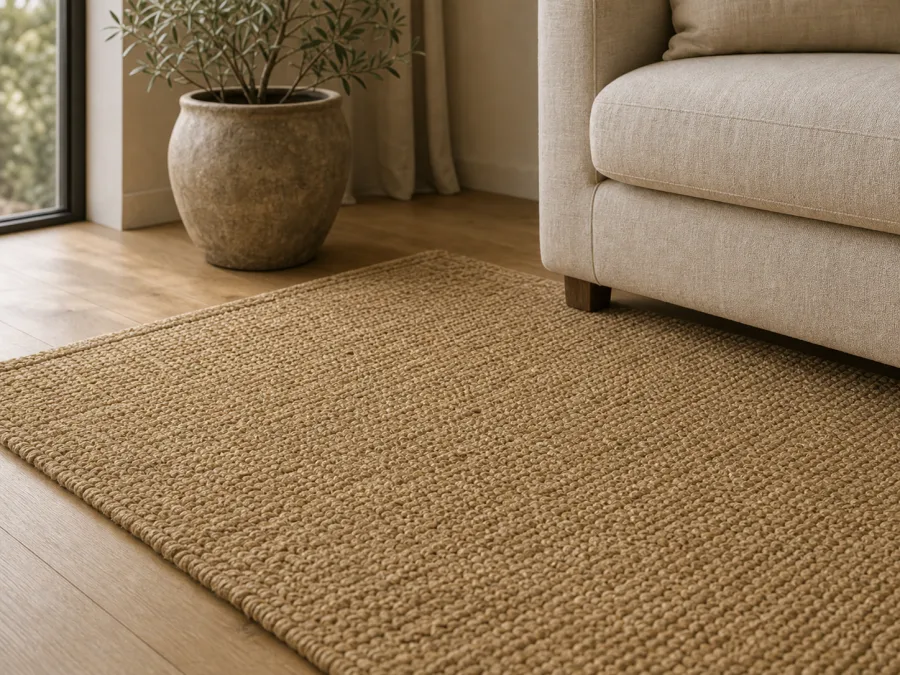
Use the style where it helps the room work: seating, circulation, focal point and material balance.
Choose sofa, tables and storage that can work if the room layout changes later.
Side tables, chairs, cabinets and art are good places to buy vintage or refurbished.
Closed storage helps you avoid buying baskets and accessories just to hide clutter.
Furniture that can be cleaned, re-covered or refinished is more sustainable than fragile trend pieces.
Sustainable interiors usually feel best when the palette comes from material color: oat linen, reclaimed wood, cork, sage, clay and soft mineral neutrals. The goal is calm and durable, not overtly green.
A calm base for walls, linen, wool and large upholstery.
A natural accent for cabinets, textiles, art or plants without feeling too bright.
Use in ceramics, tile or textiles for earth warmth.
A renewable material tone that works in stools, panels and accessories.
Adds reused character through wood tables, shelves, benches and frames.
Warm oat, mushroom and clay-based neutrals keep the room flexible over time.
Reclaimed wood should be balanced with lighter textiles so it feels intentional, not heavy.
Sage, olive, clay and soft black work best when they come through materials, art or plants.
Matte, low-VOC and natural finishes age better than glossy synthetic surfaces.
For this room, a few strong choices can carry the style better than adding more decor.
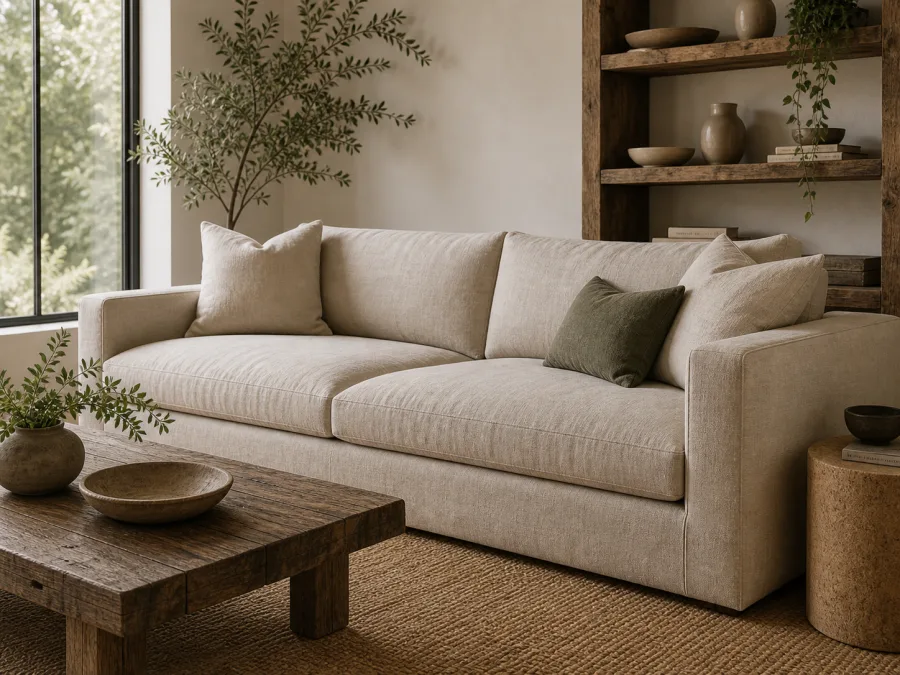
Look for durable fabric, removable covers and a shape you will not tire of quickly.
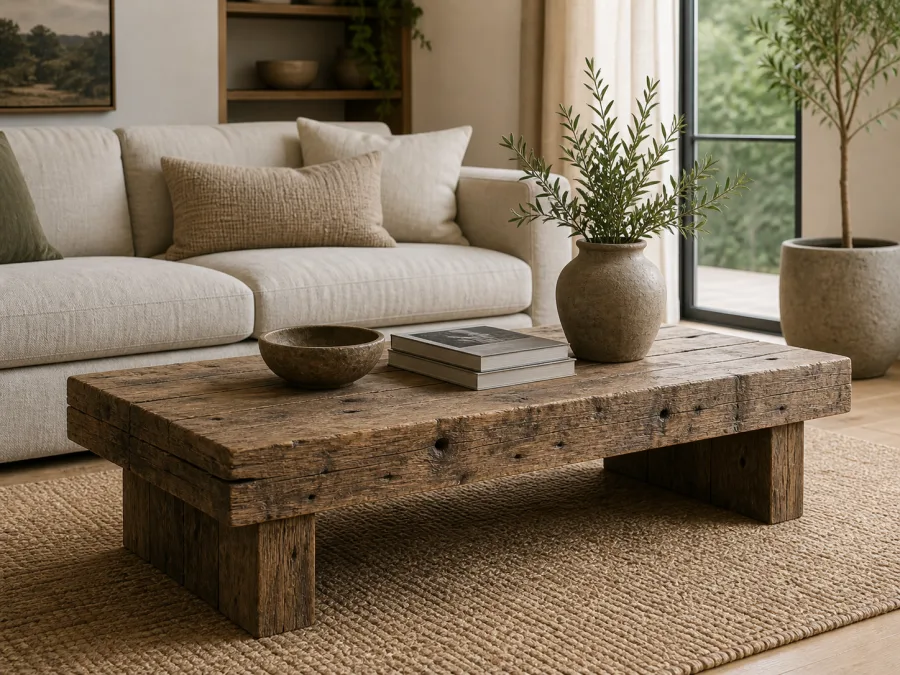
A reused wood anchor adds age and reduces demand for new material.
A solid frame can be refinished or reupholstered instead of replaced.
Adds biodegradable texture and works as a neutral foundation.
Use these checks to keep the sustainable character clear without compromising how the living room works.
Sustainability is about lifespan and material choices, not a themed look.
Repair, re-cover or restyle strong pieces before buying new.
Natural is not enough. The piece still has to survive daily use.