Interior design styles
A visual index for comparing and naming interior styles. Tap a hub to explore rooms, palettes and shop-the-look pieces.
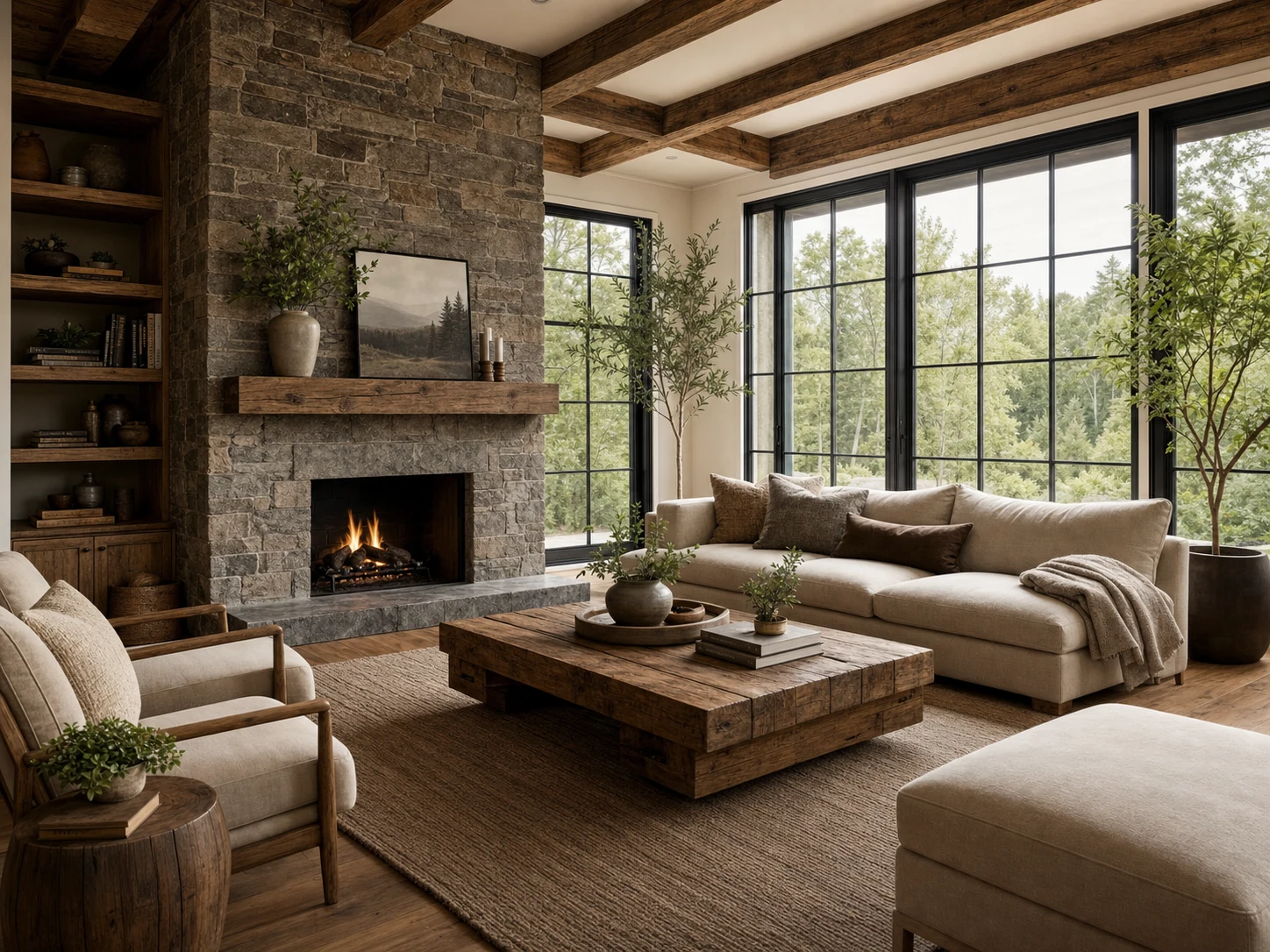
A grounded mix of warm wood, stone texture, clean silhouettes and relaxed rooms that still feel polished.
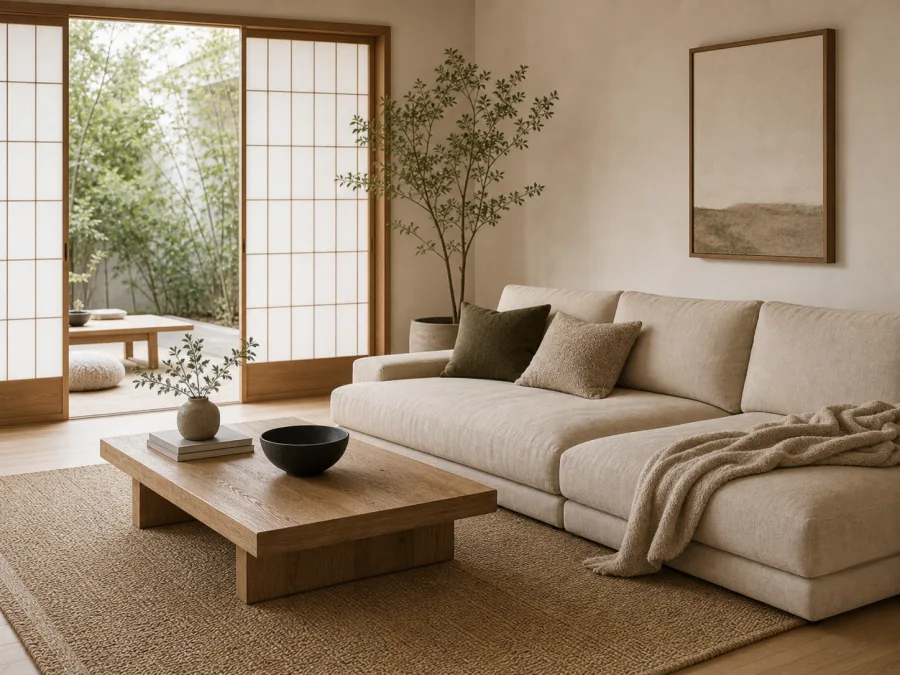
Japanese restraint meets Scandinavian warmth: low furniture, pale wood, paper light, quiet texture and rooms that feel edited without feeling empty.
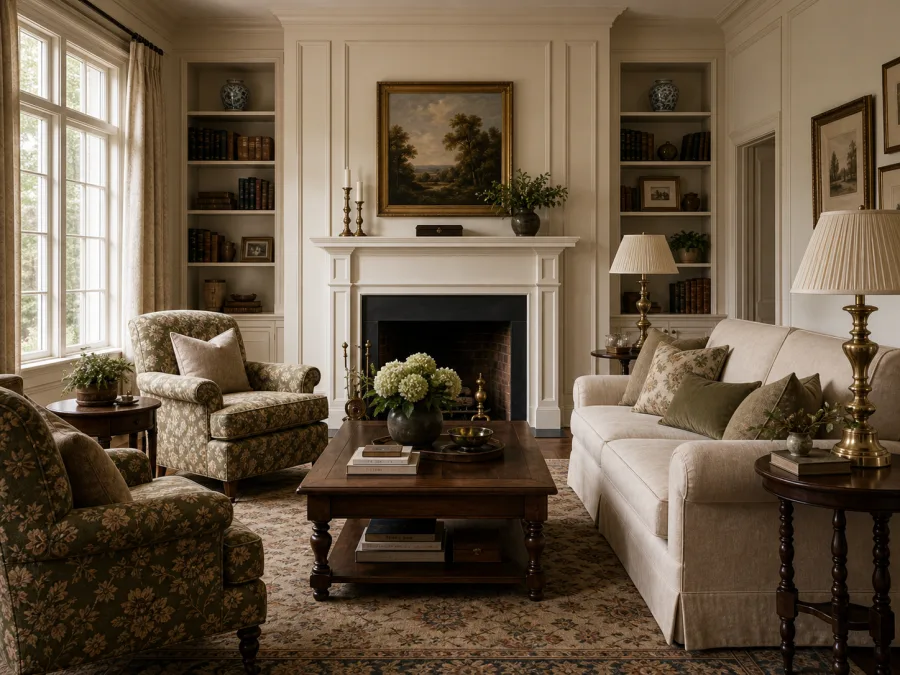
Classic rooms with symmetry, layered furniture, polished wood, patterned textiles, brass details and a sense of permanence without feeling stiff.
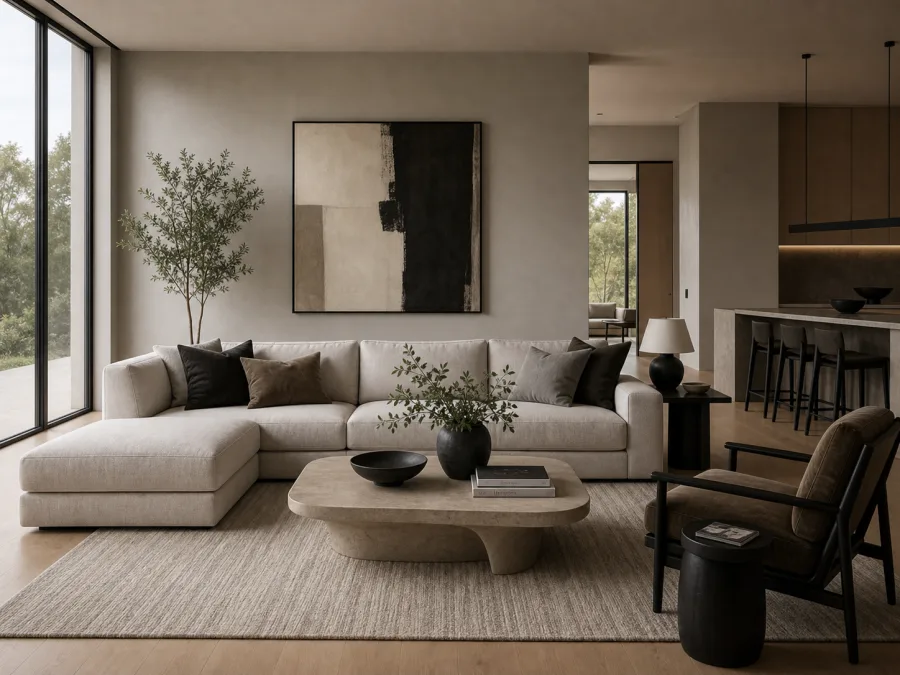
Current rooms with clean lines, open layouts, practical storage, warm neutrals and sculptural pieces that feel polished without becoming cold.
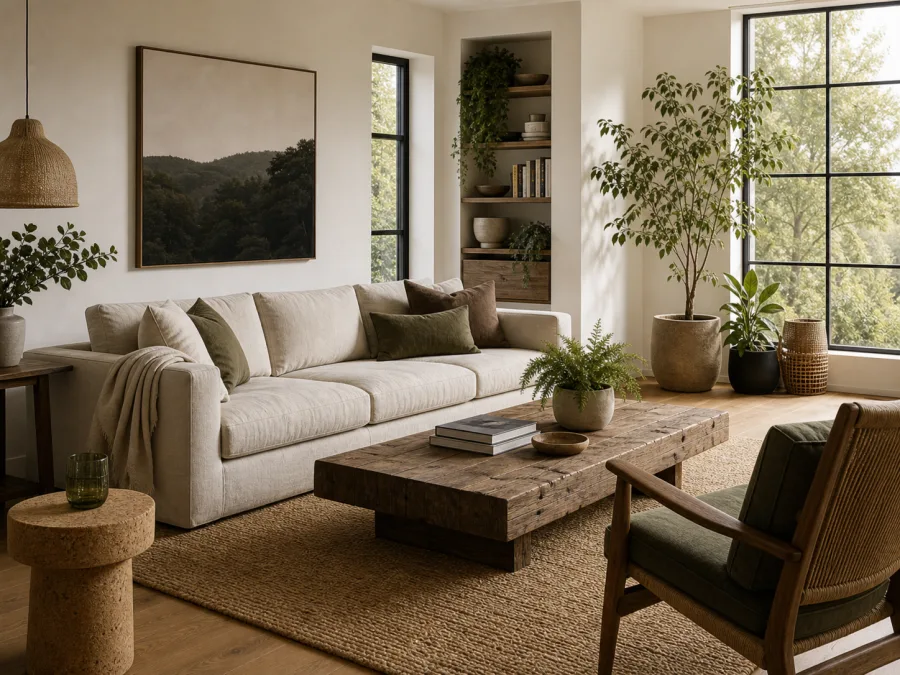
Earth-conscious rooms built around durable furniture, reclaimed materials, healthy finishes and natural texture that feels refined rather than temporary.
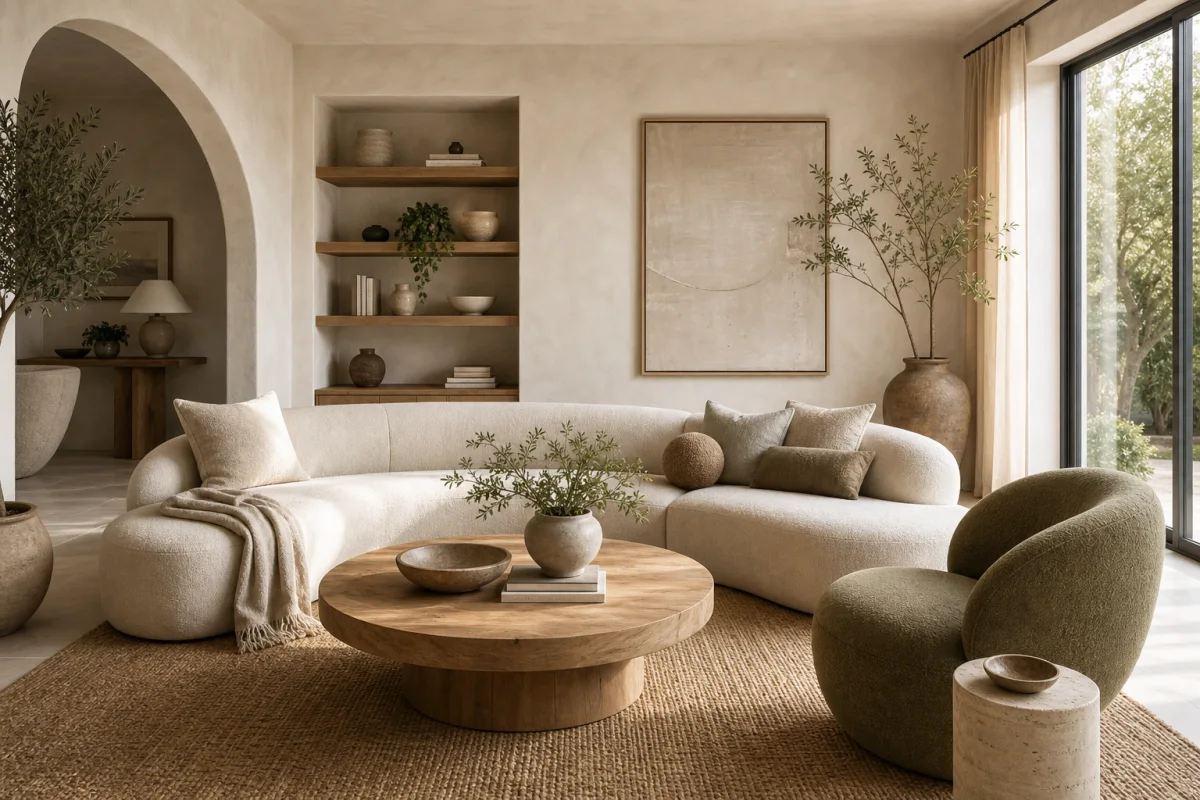
Soft modern rooms shaped by curves, warm neutrals, plaster, pale wood, stone and tactile pieces that feel calm without becoming plain.
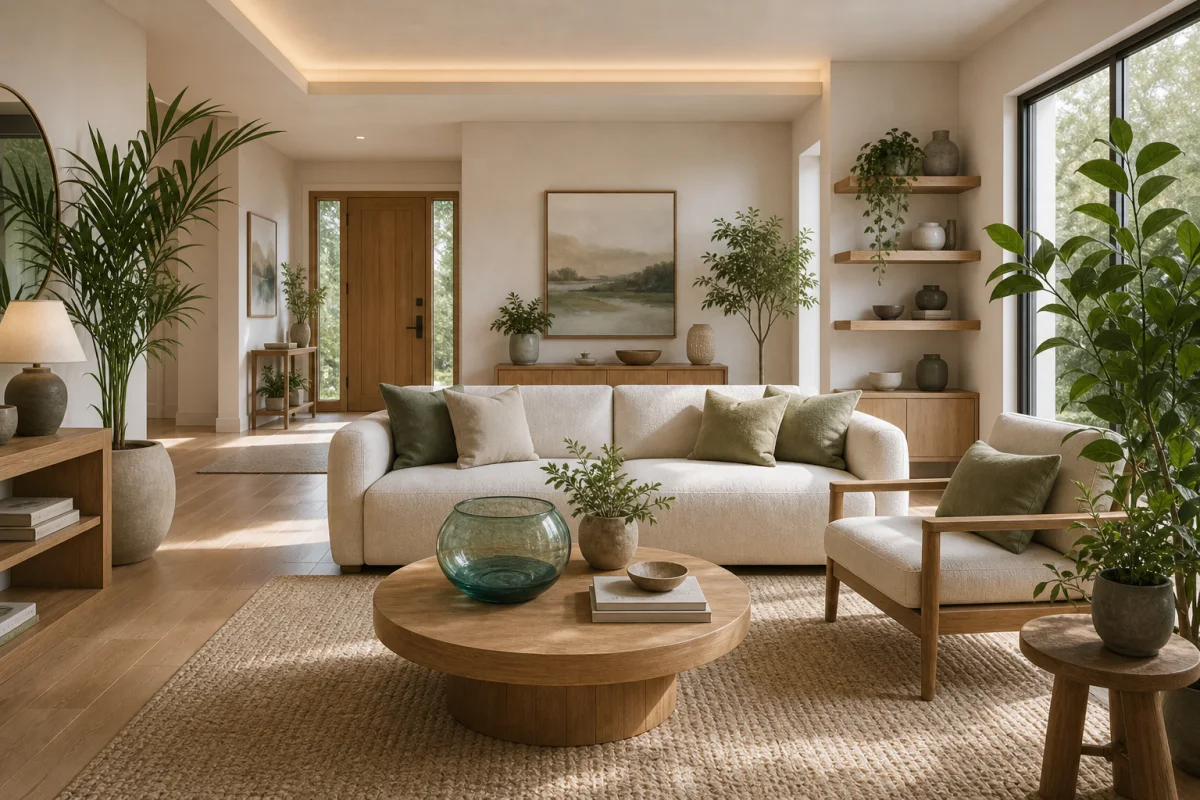
Practical room planning for better flow: clear paths, supportive furniture placement, natural light, healthy plants and balanced materials that make a home feel easier to live in.
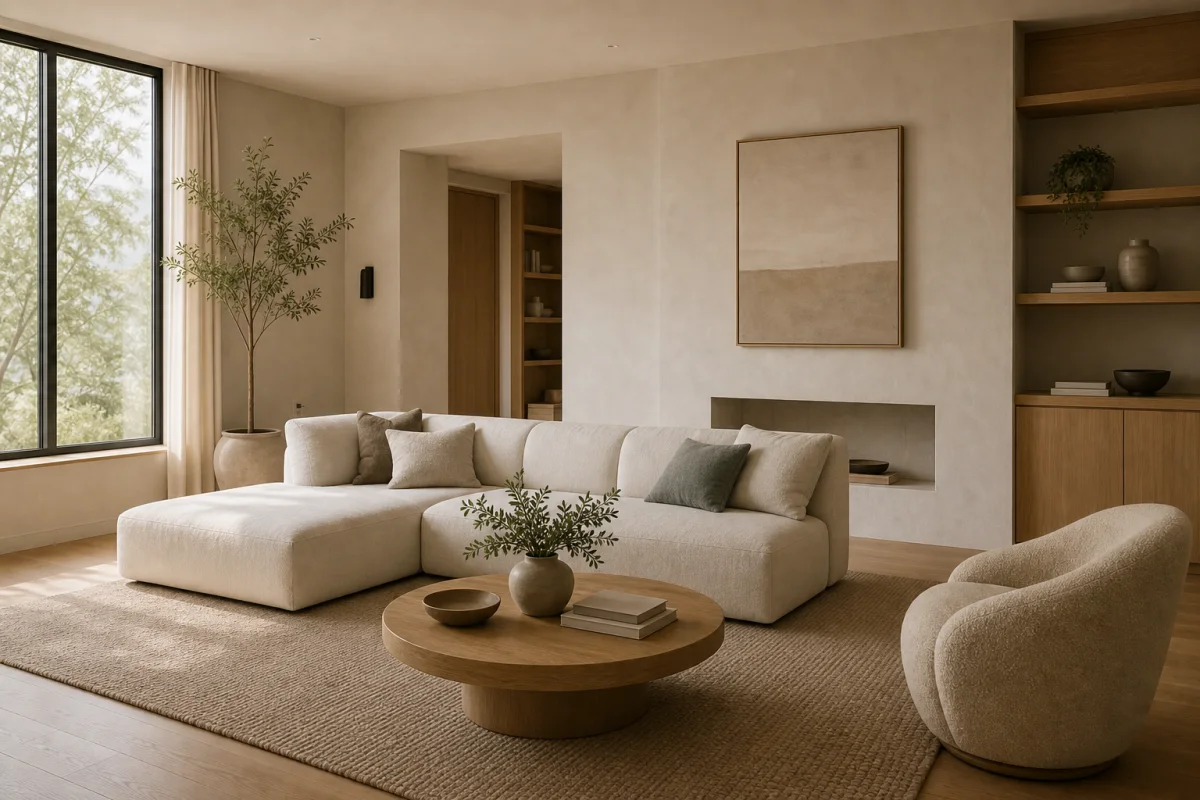
Restrained rooms with hidden storage, calm surfaces, warm neutrals and enough texture to feel peaceful rather than empty.
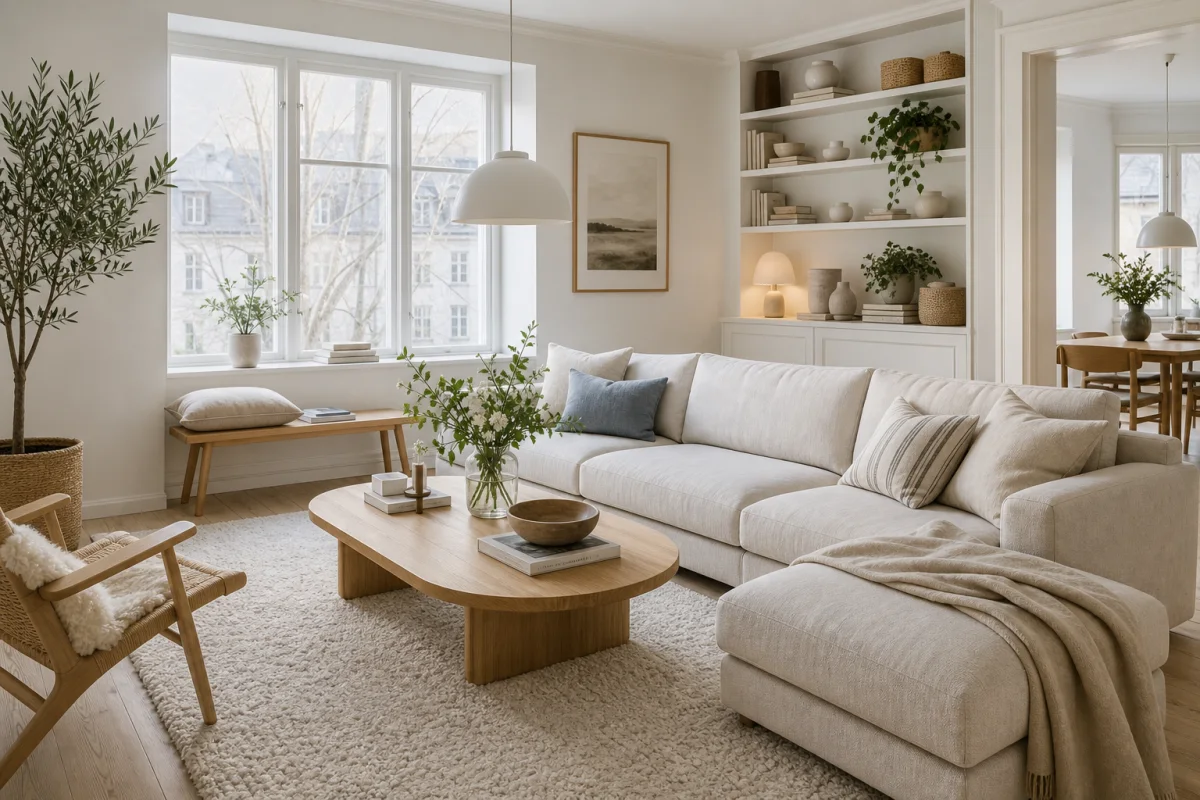
Light, functional rooms built around pale wood, soft textiles, practical storage, natural light and small moments of color that keep the home bright and easy to live in.
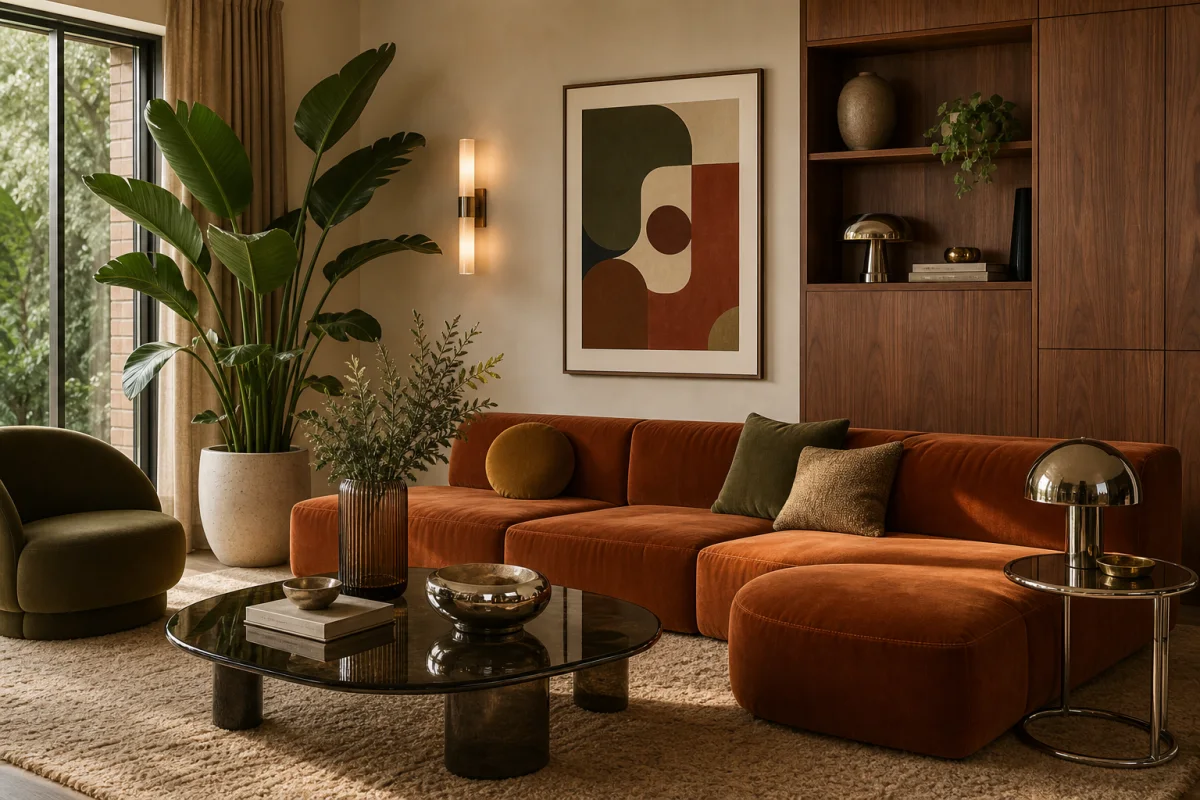
A refined take on retro interiors: low silhouettes, walnut, velvet, smoked glass, brass and warm earth tones without turning the room into a theme set.
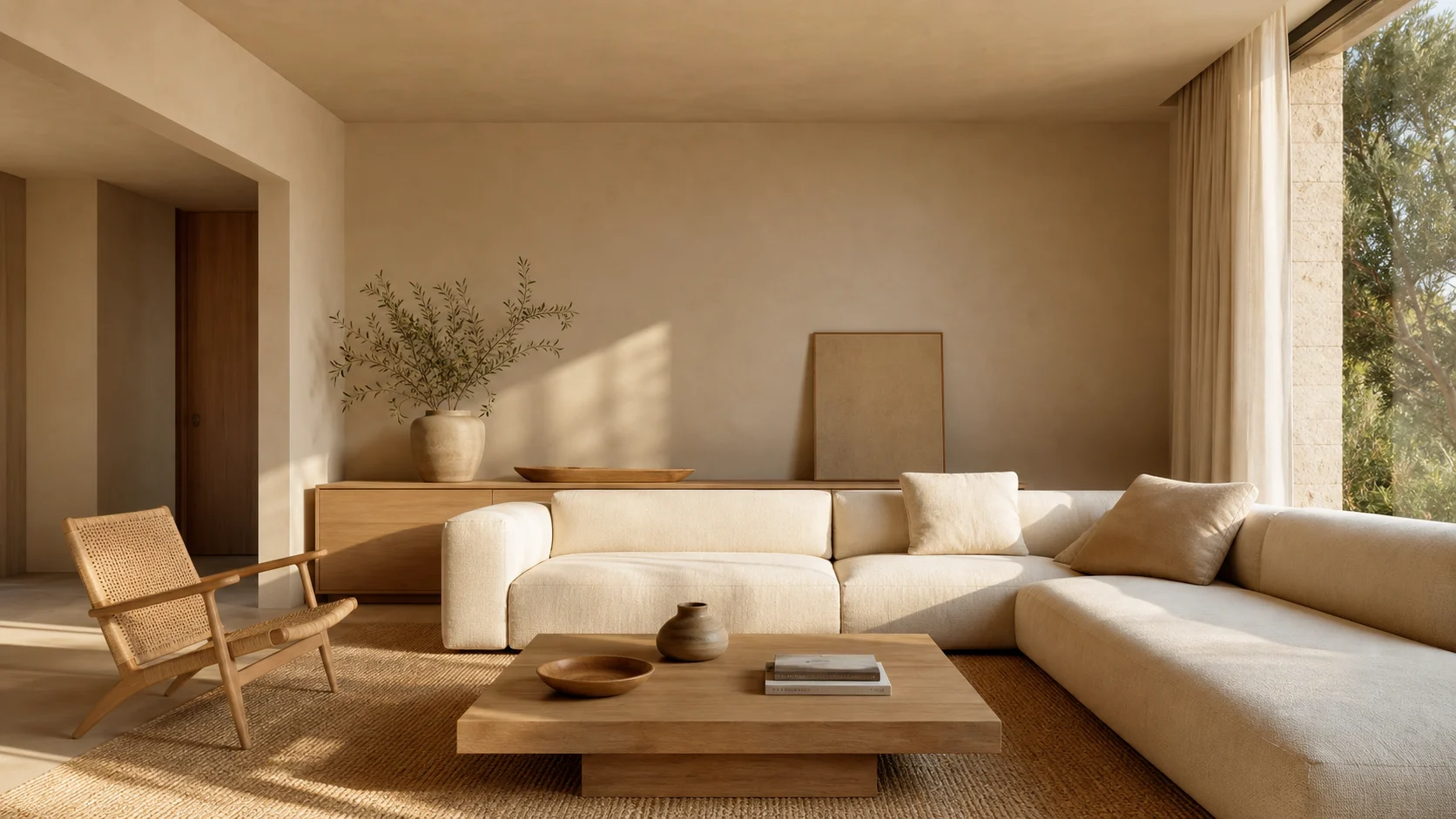
Clear spaces made comfortable through warm neutrals, natural grain, tactile textiles and soft, layered light.
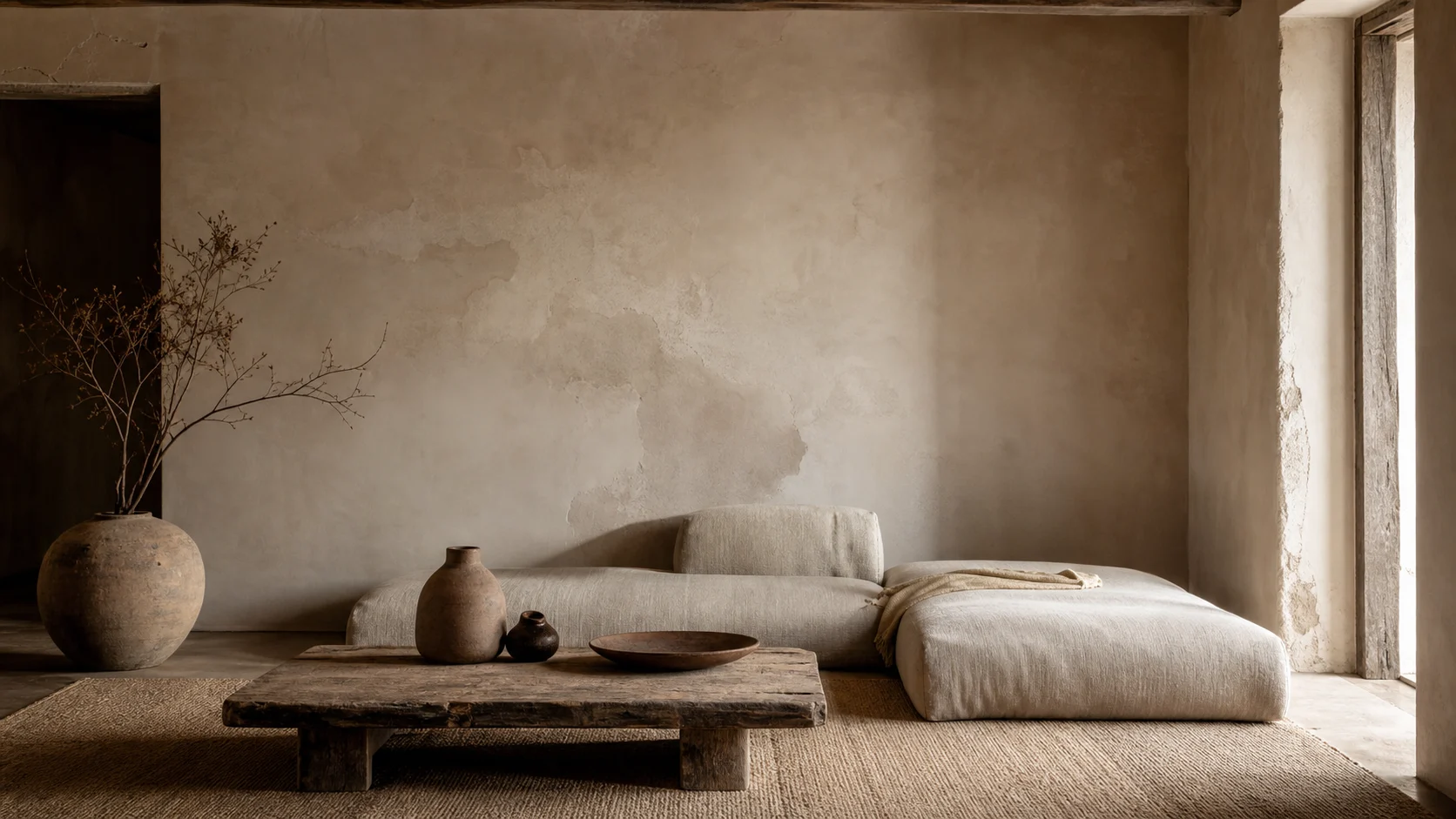
Rooms that value patina, irregular form and the quiet evidence of time instead of polished perfection.
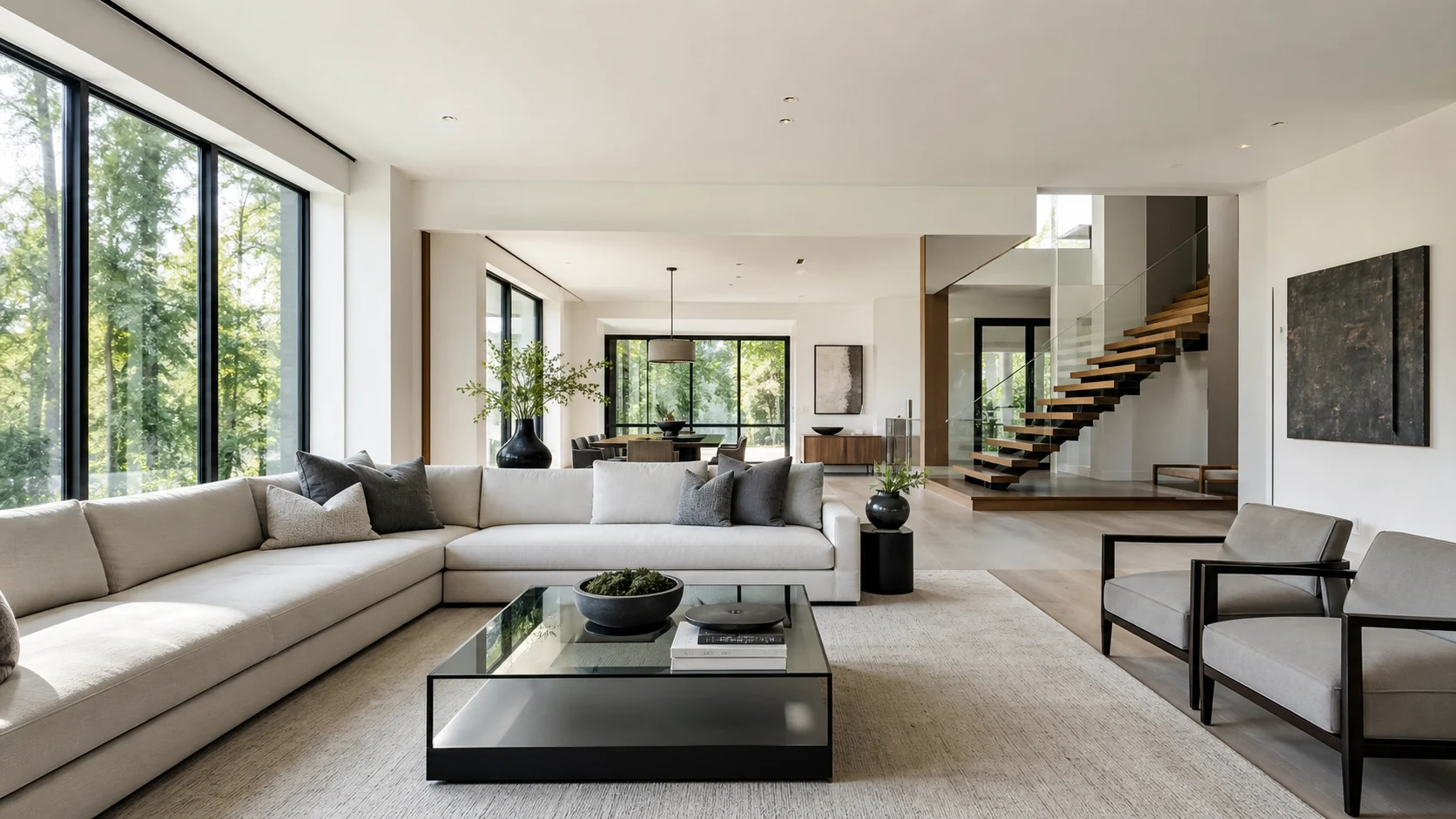
Functional rooms shaped by clear geometry, open planning, honest materials and a deliberate relationship between structure and furniture.
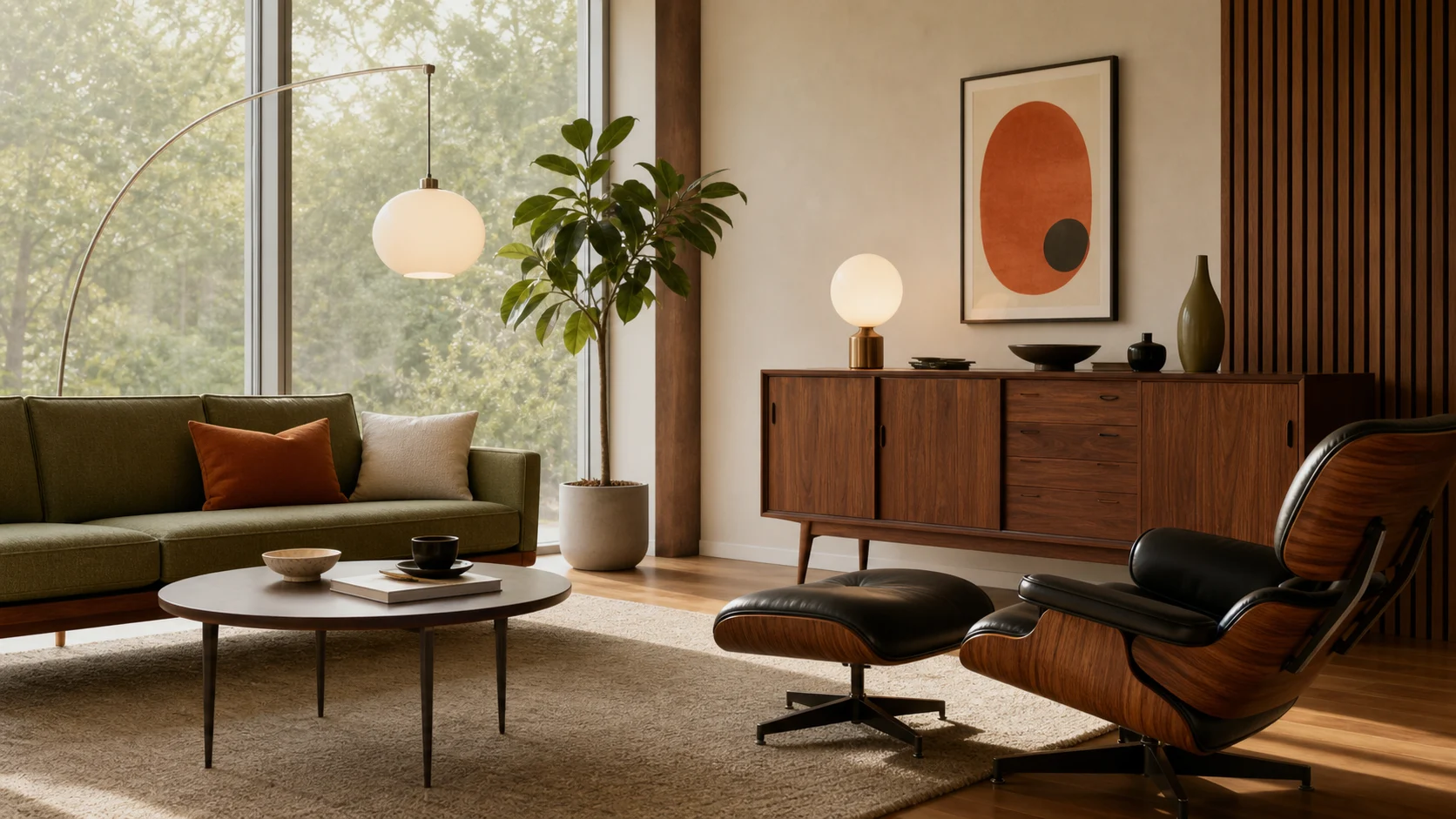
Postwar optimism expressed through warm timber, light-footed furniture, practical storage and organic forms made for everyday life.
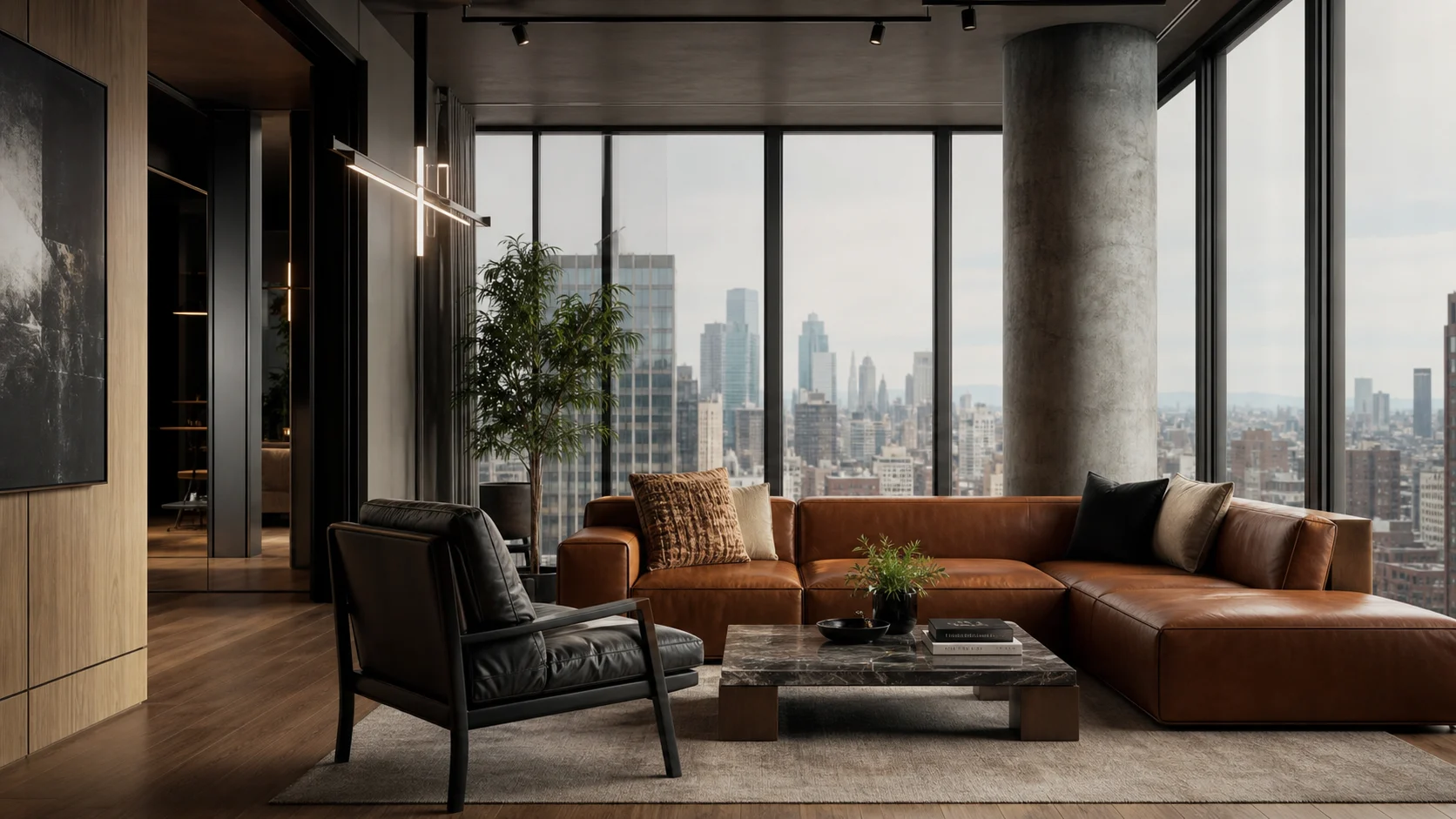
Metropolitan rooms that balance architectural edge, compact planning and tactile comfort through a layered mix of raw and refined materials.
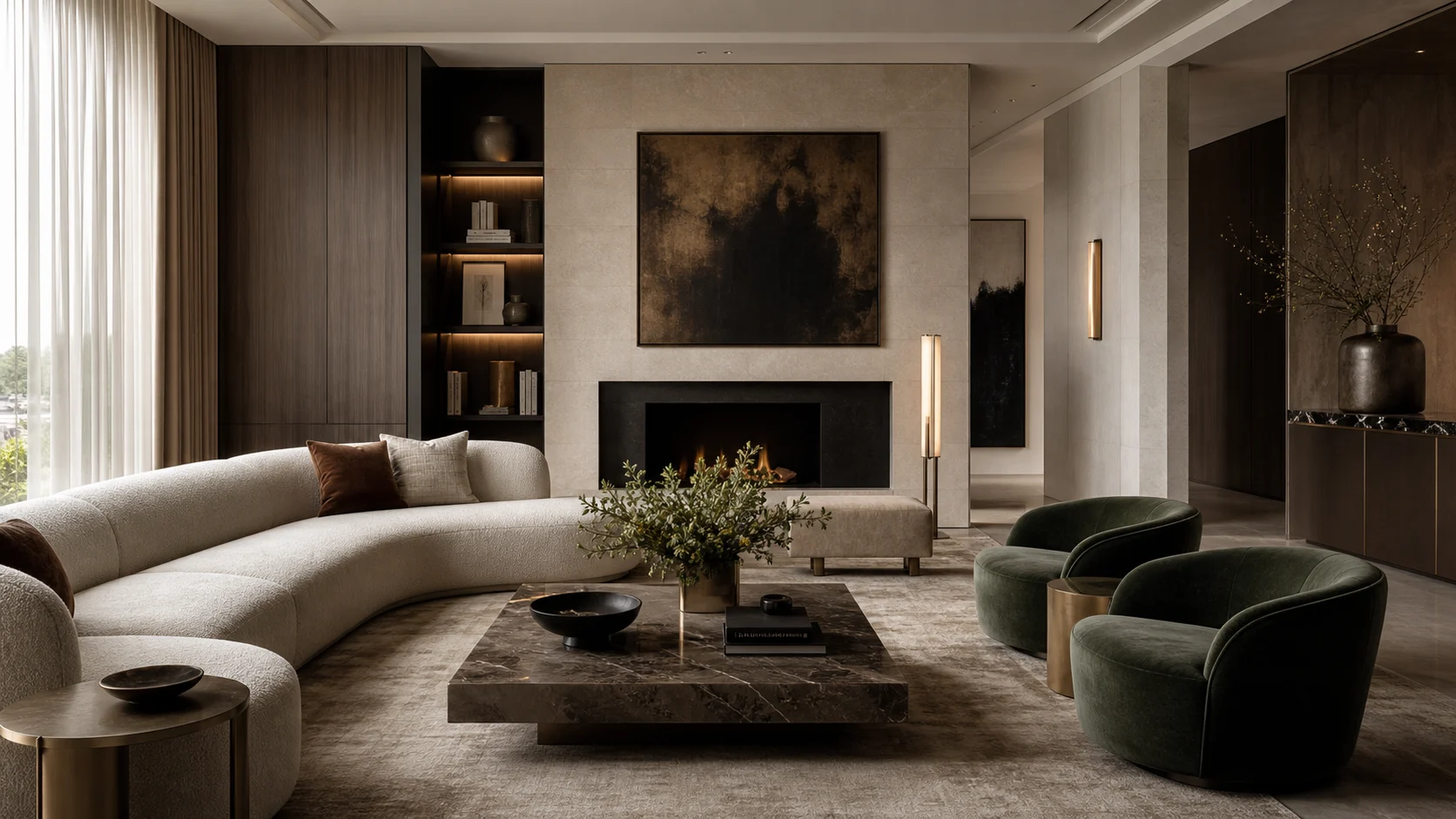
Modern rooms elevated through generous scale, exceptional natural materials, tailored upholstery and detailing that rewards close inspection.
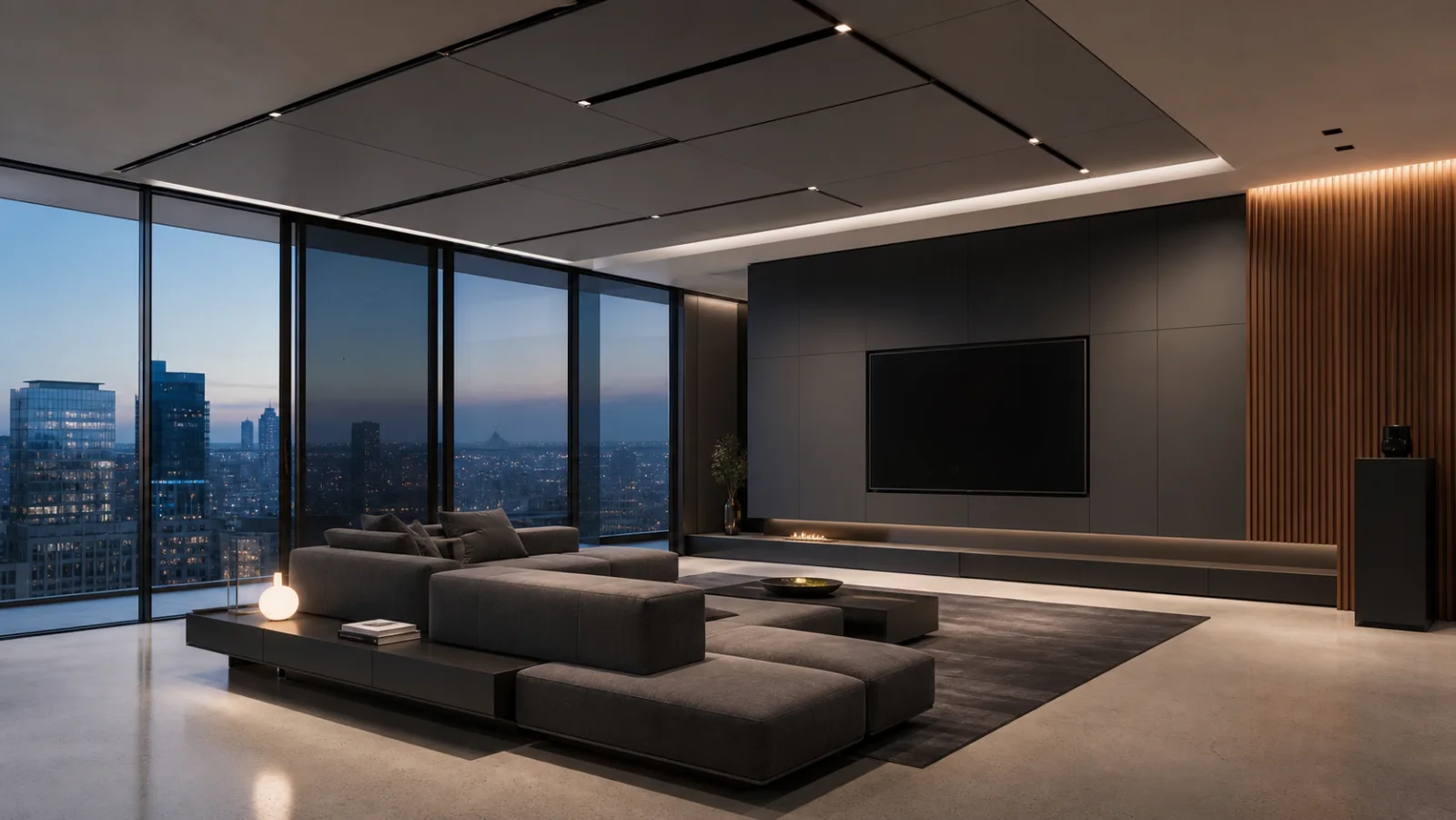
Residential spaces where automation, lighting, climate, acoustics and media are resolved as part of the architecture—not displayed as gadget collections.
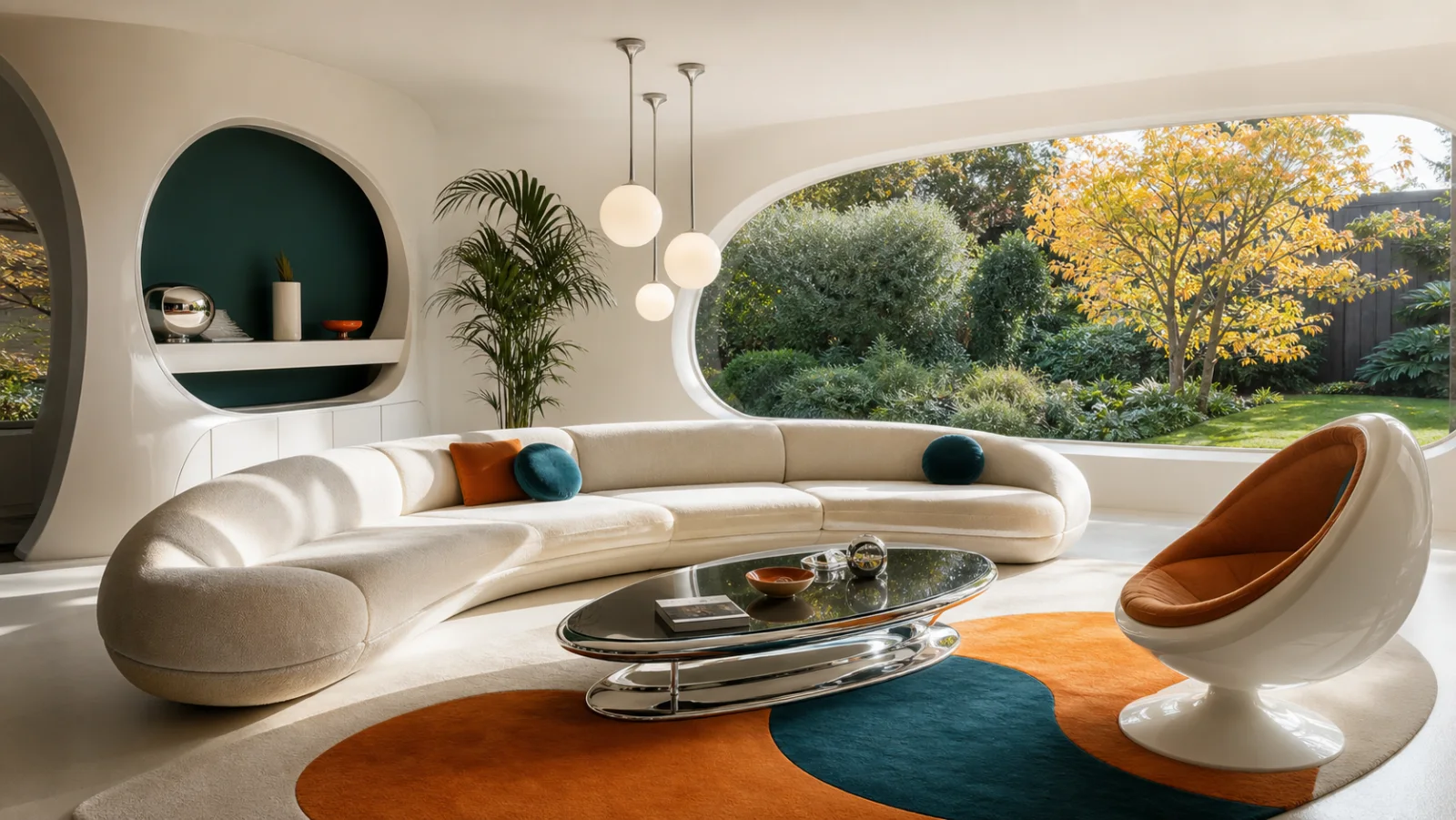
An optimistic past imagining the future through capsule curves, molded forms, chrome reflections and color borrowed from the Space Age.
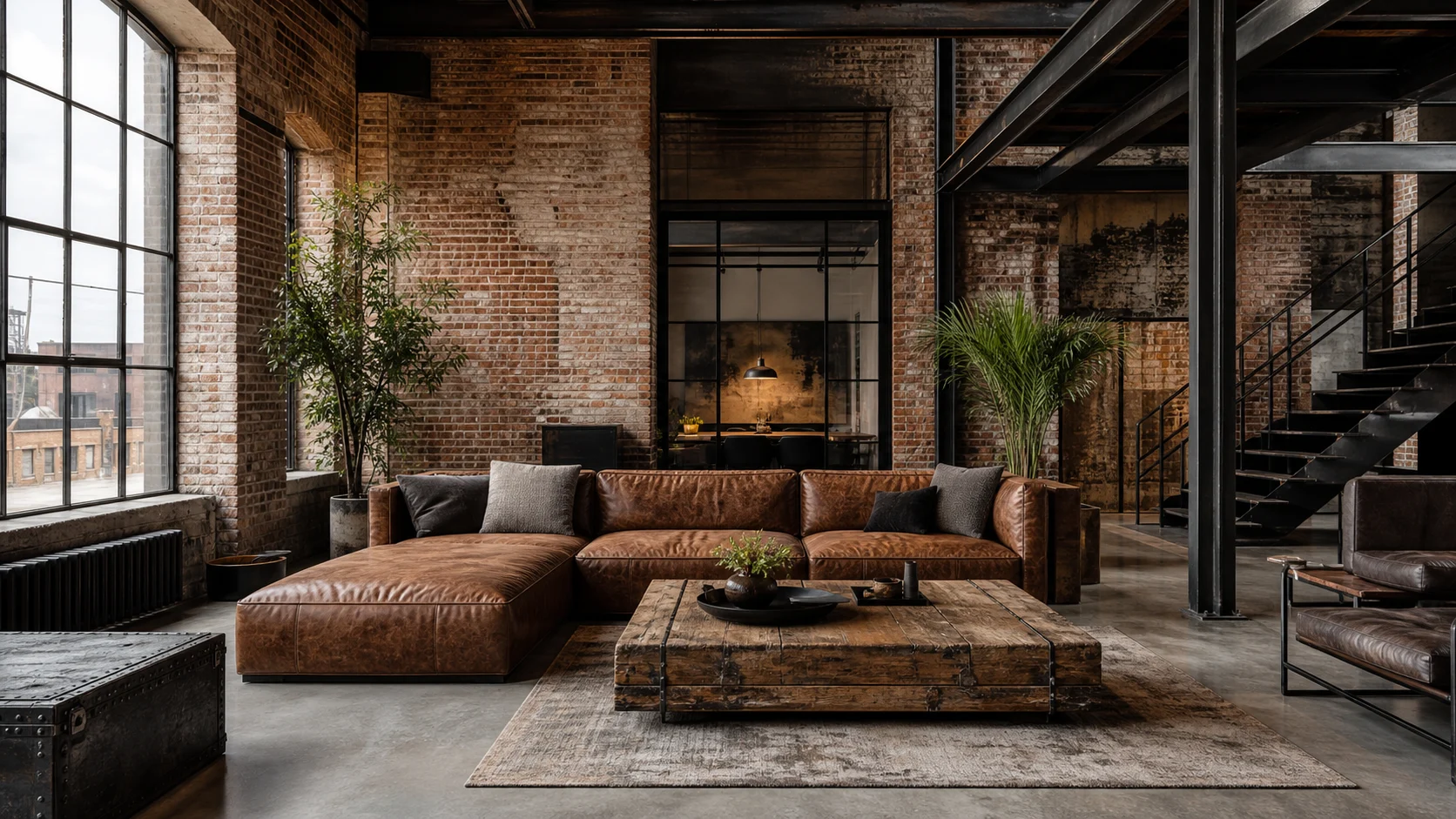
Adaptive-reuse interiors that preserve structure, patina and generous volume while making hard-working buildings comfortable to live in.
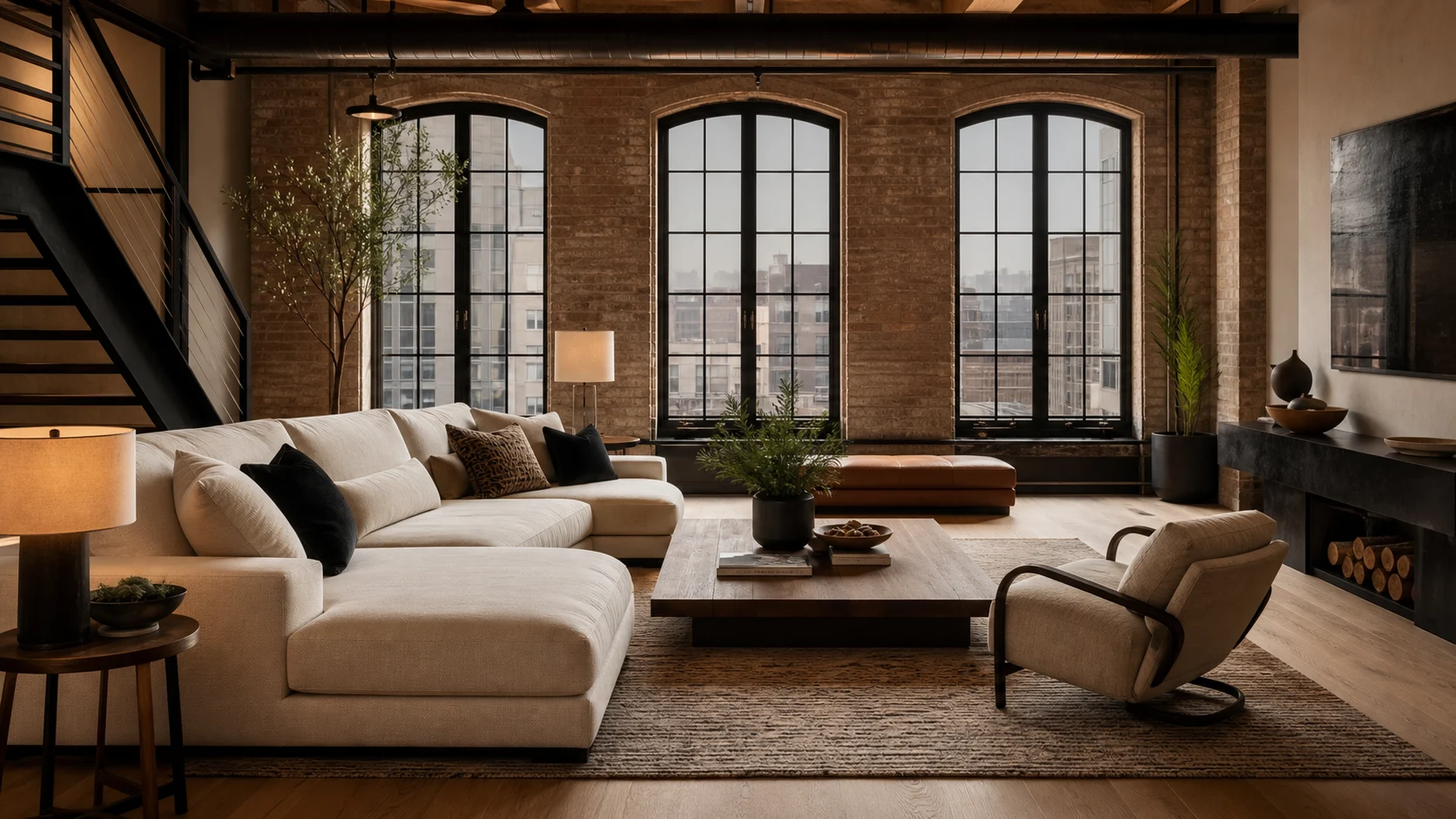
Loft character edited through tailored furniture, tactile fabrics and polished details—warm enough for daily life, structured enough to stay sharp.
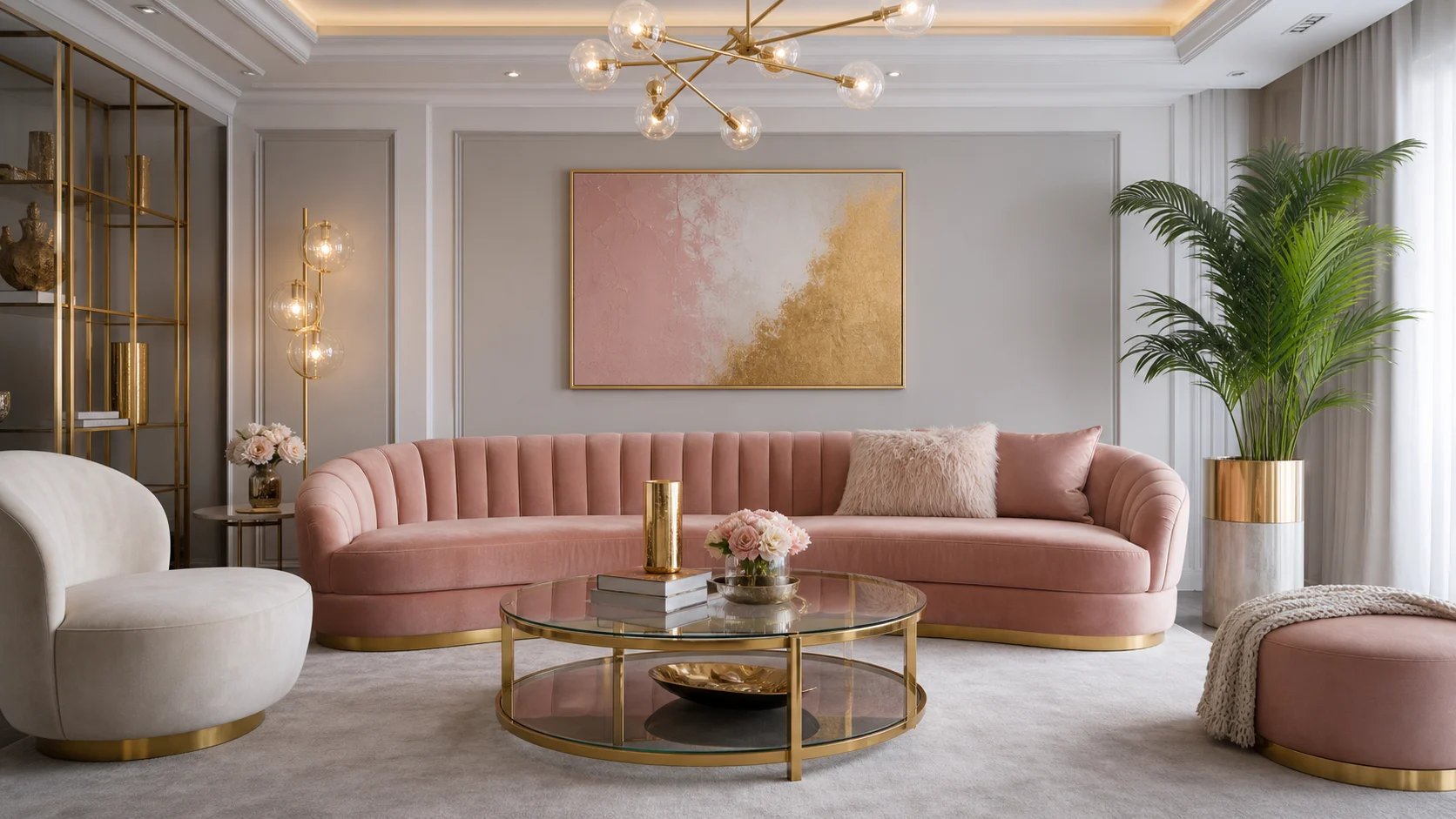
A clean contemporary foundation animated by generous curves, tactile upholstery and just enough reflection to make light part of the composition.
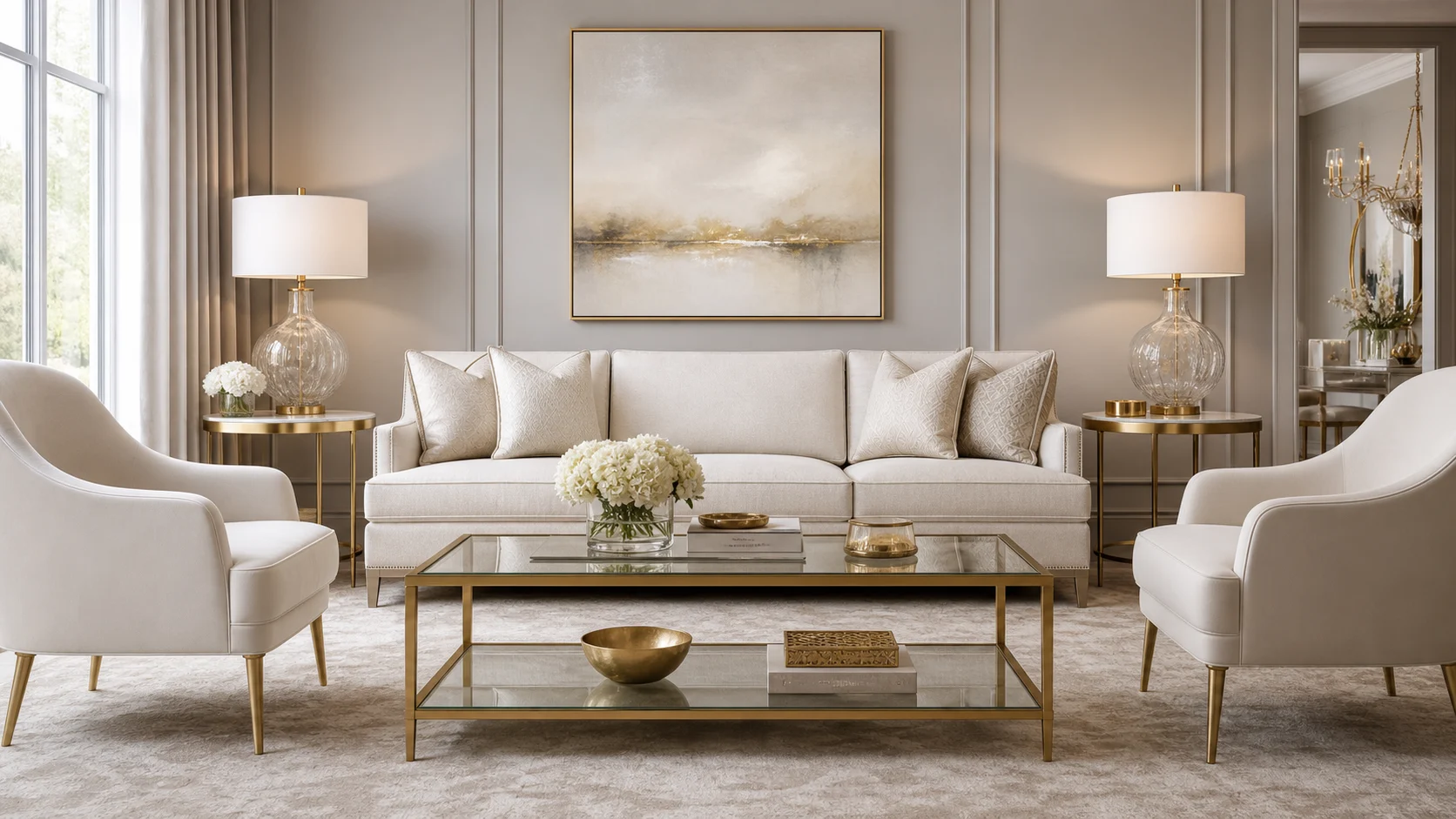
Classic proportion and familiar symmetry refreshed with cleaner furniture, tactile neutrals and a measured glint of polished metal or antiqued mirror.
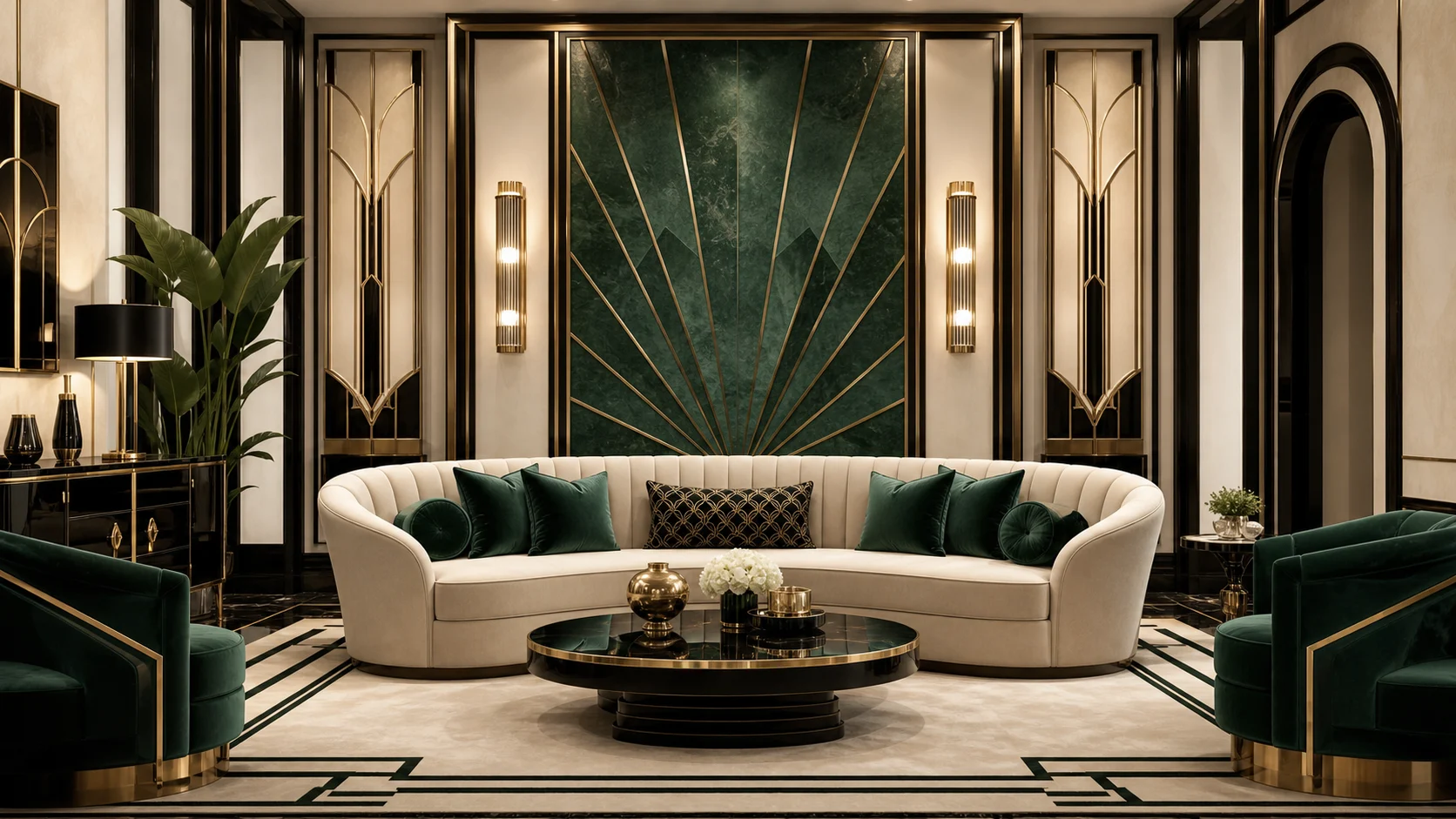
Streamlined rooms shaped by axial composition, stepped profiles and luxurious material contrast—not a collection of Jazz Age motifs.
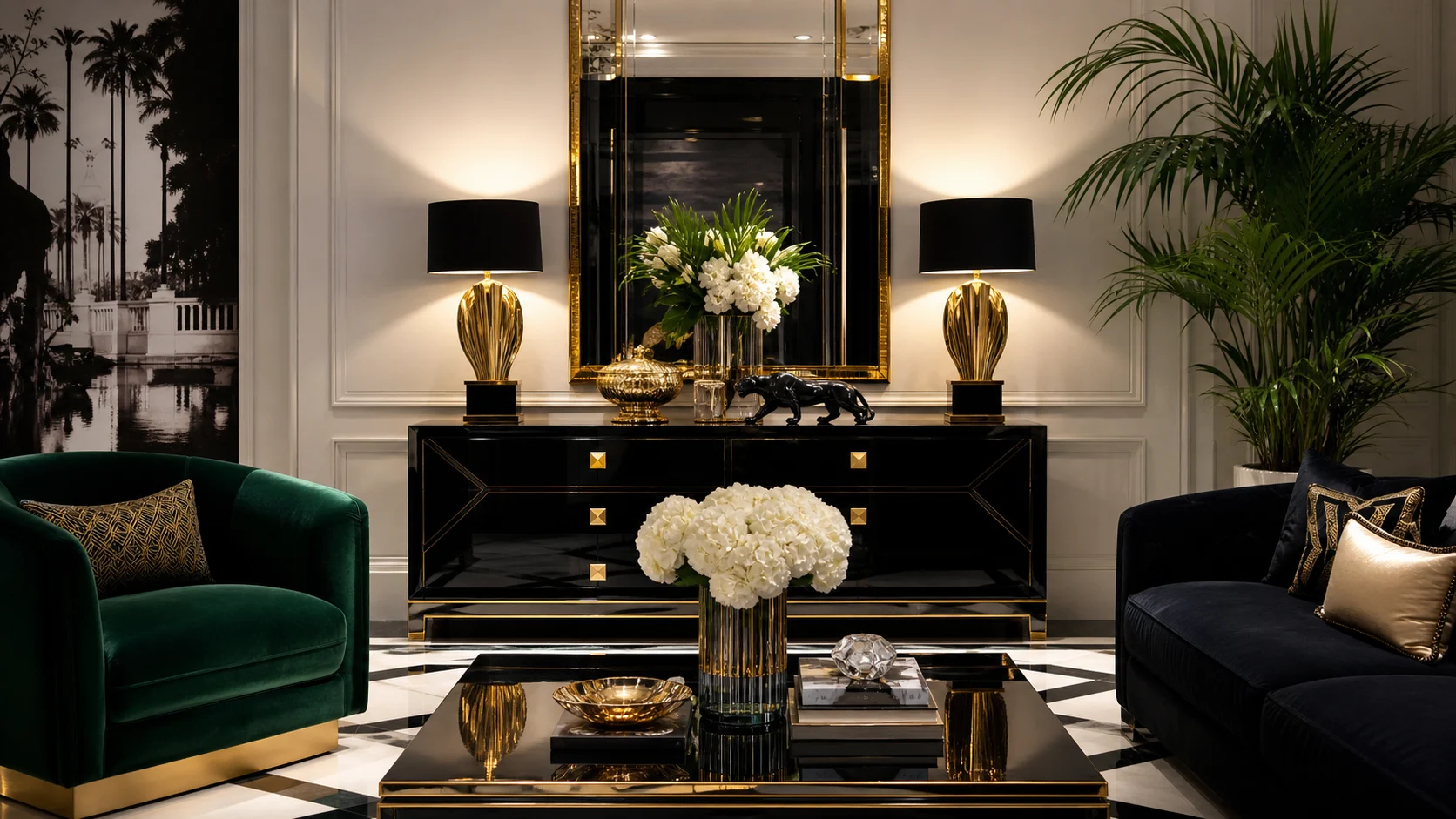
Rooms staged for a memorable first impression, using lacquer, mirror, saturated textiles and oversized art while comfort stays firmly in the leading role.
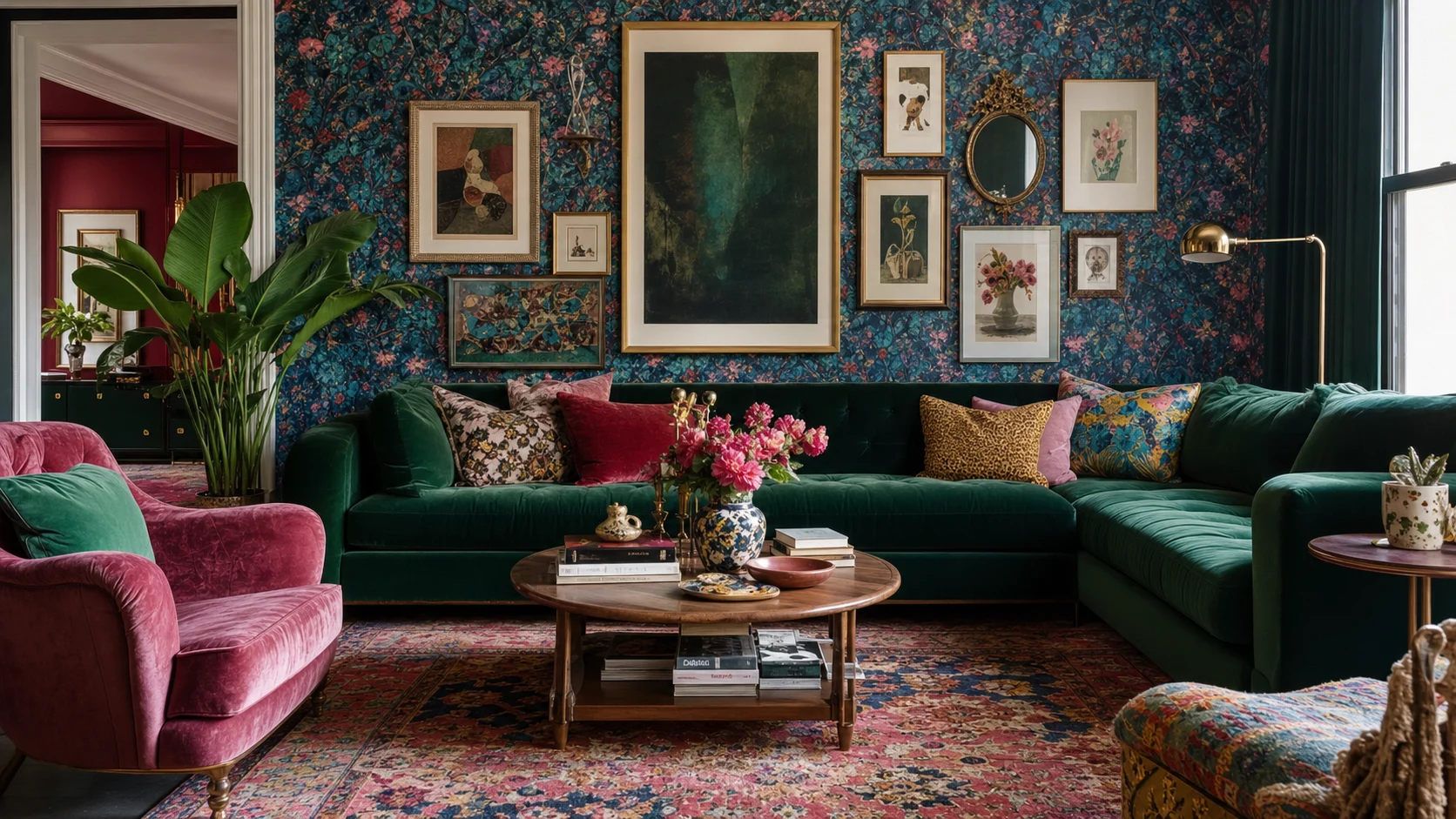
Expressive rooms where color, pattern, art and collections accumulate around a clear personal story—and every layer still knows its role.
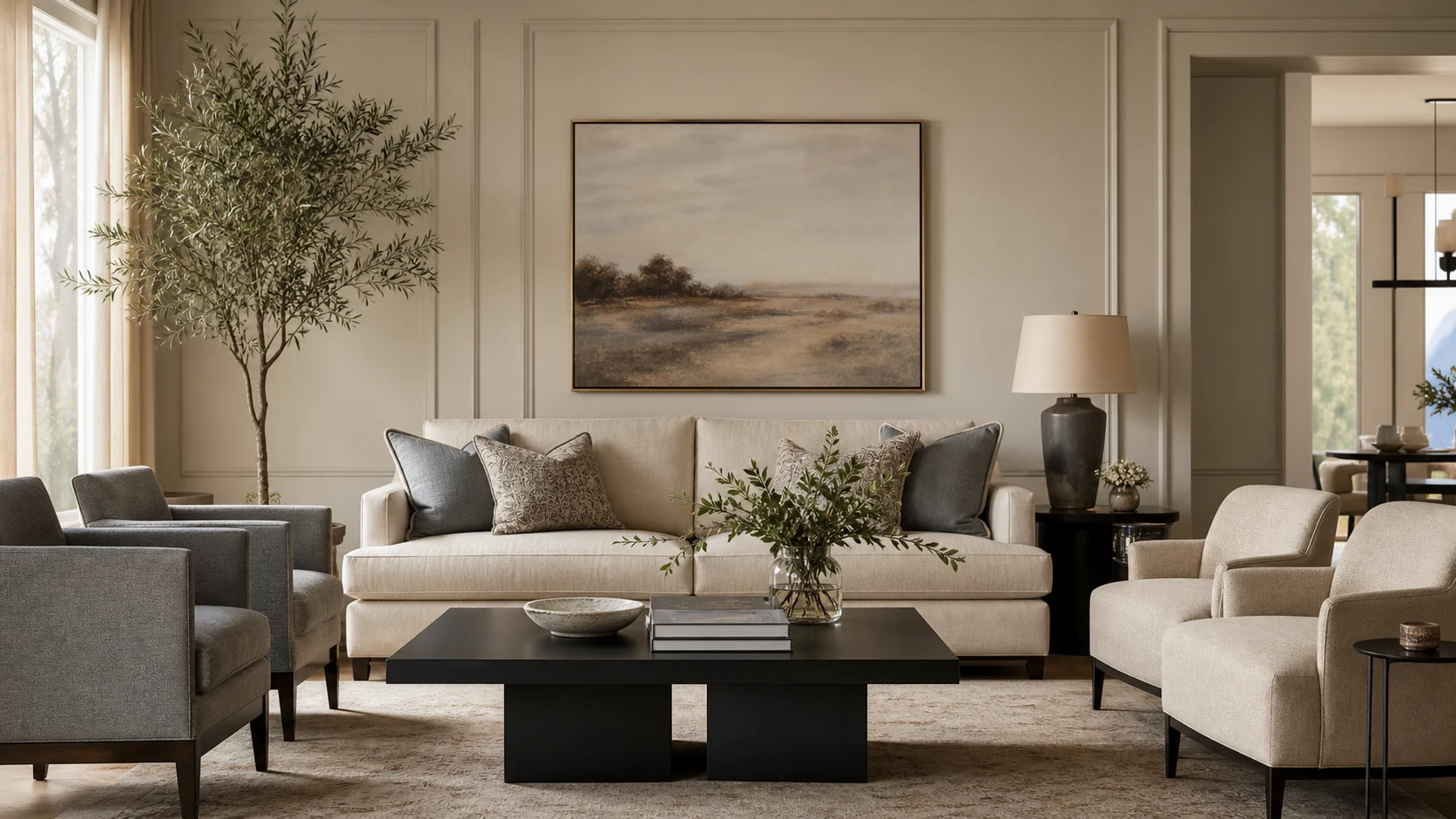
Classic room structure and familiar materials recalibrated for contemporary comfort, simpler silhouettes and a quieter everyday rhythm.
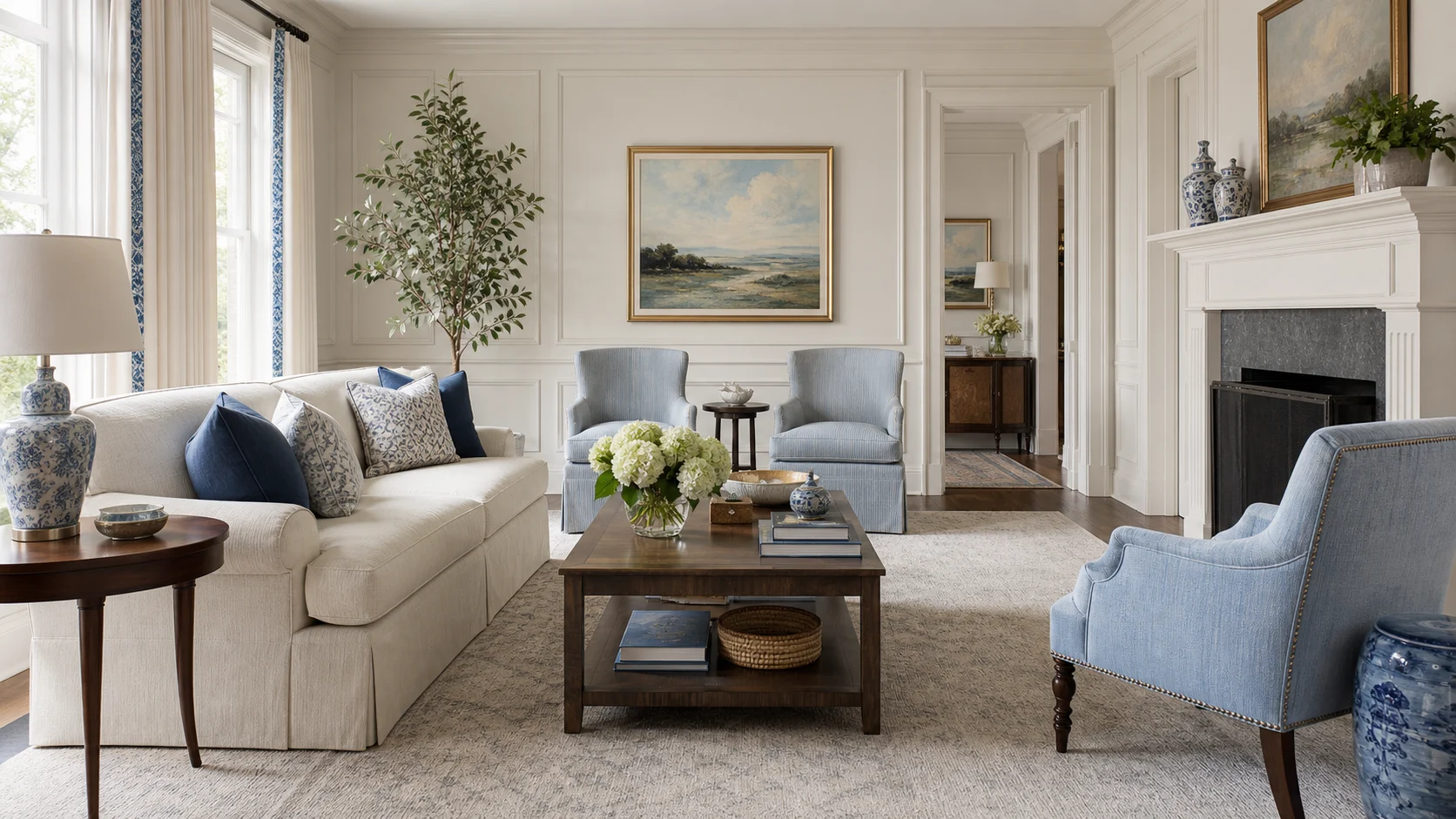
Familiar architecture, antiques and decorative motifs made newly personal through clearer color, contemporary art and an informal mix of eras.
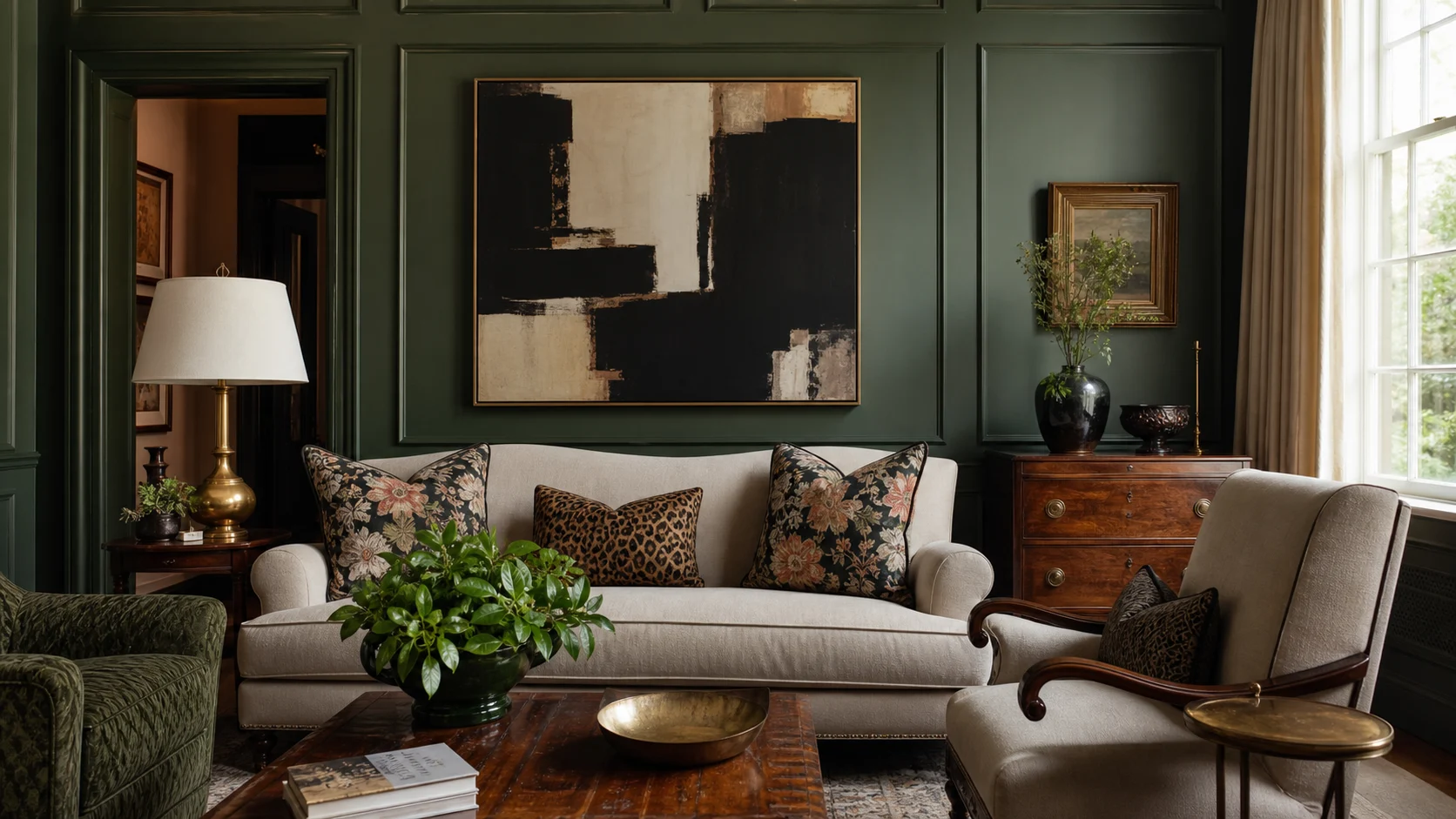
Classical authority reworked through exaggerated scale, saturated architectural color and contemporary material—recognizable, but never reproduced literally.
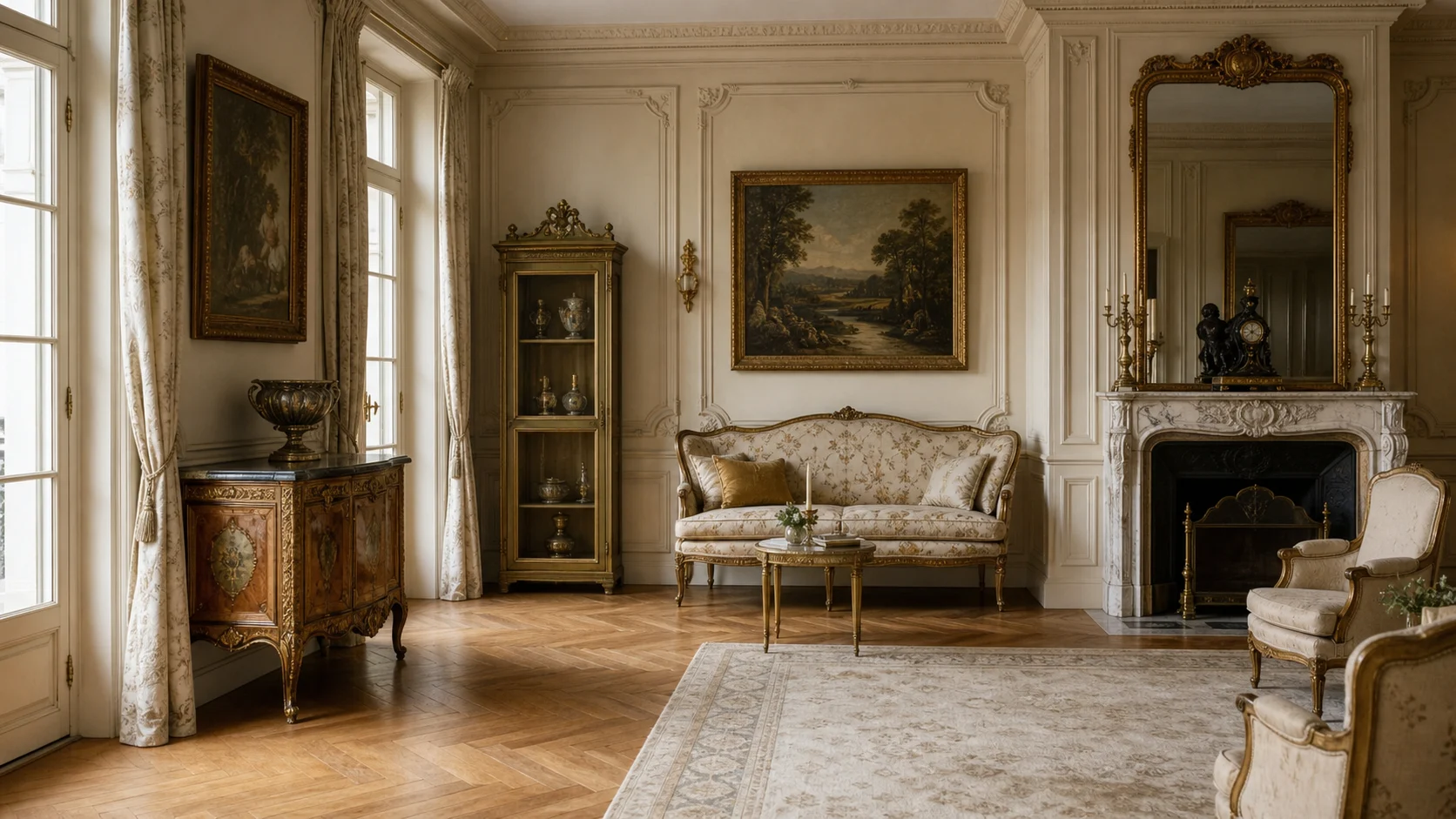
European rooms shaped by proportion, provenance and patina—formal enough to feel composed, relaxed enough to remain a home.
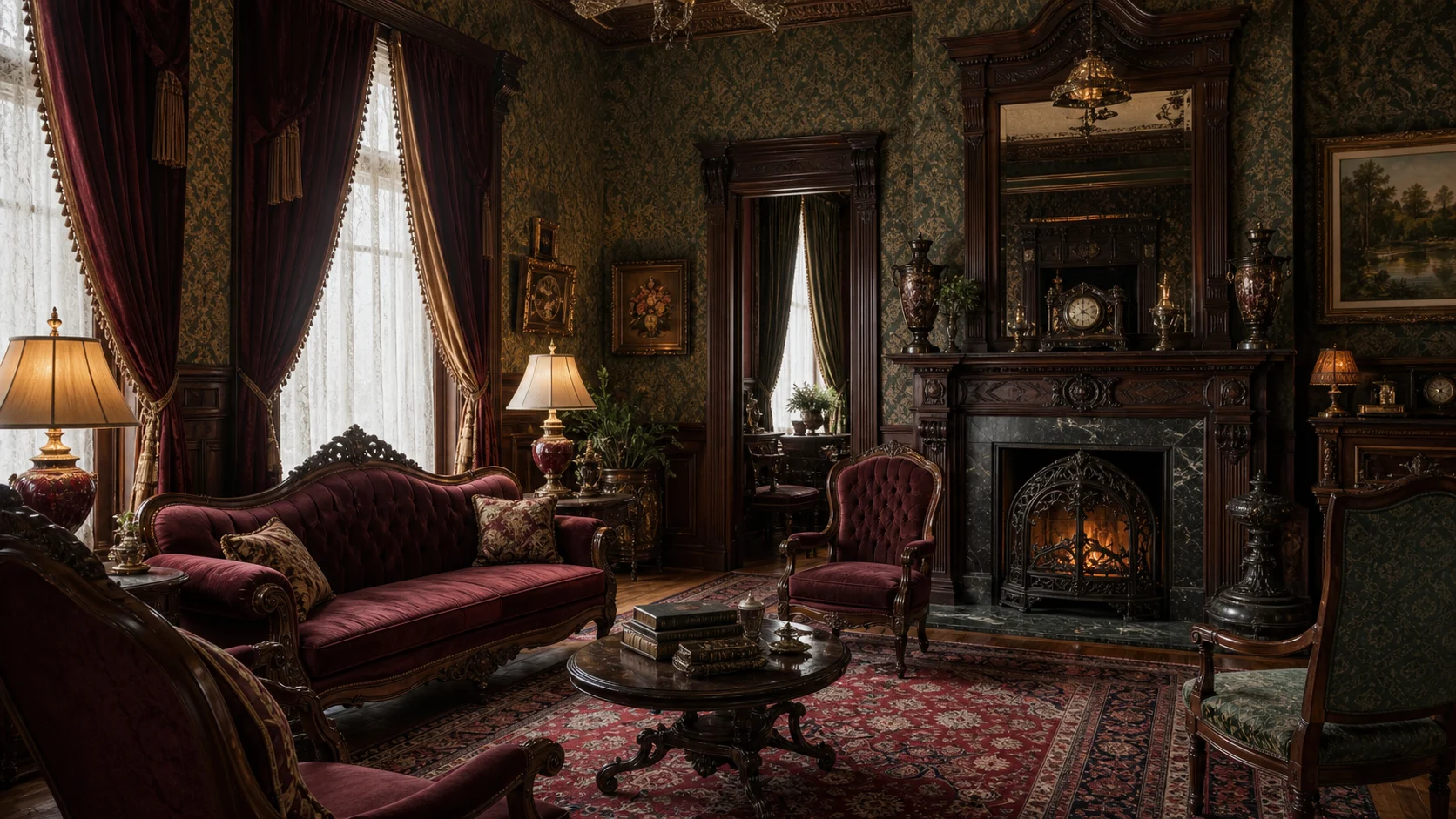
Color, pattern and collected objects arranged with purpose—the Victorian room is generous, expressive and built for daily rituals.
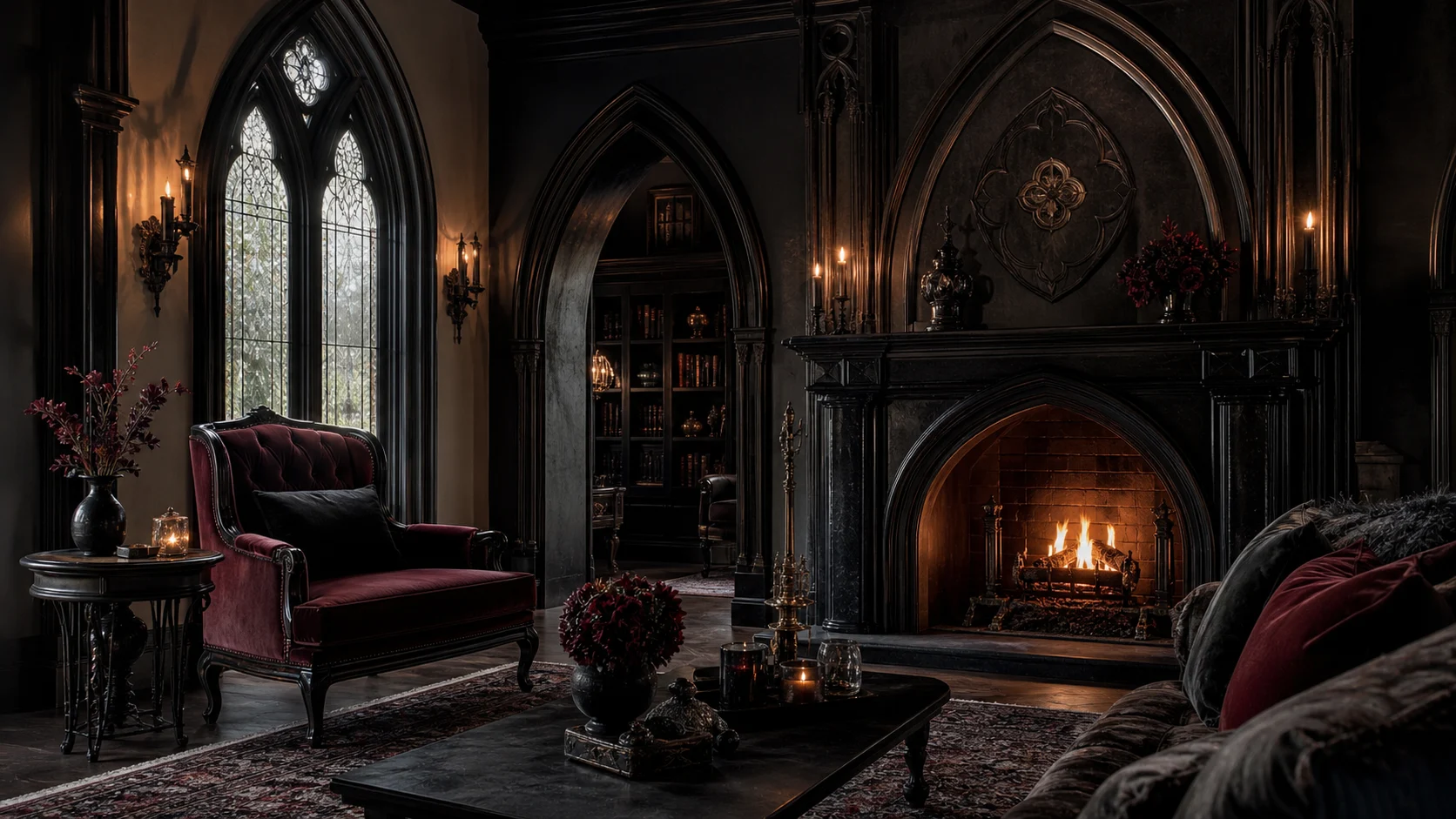
Vertical form, deep shadow and visible craft create drama with architectural purpose—not darkness for its own sake.
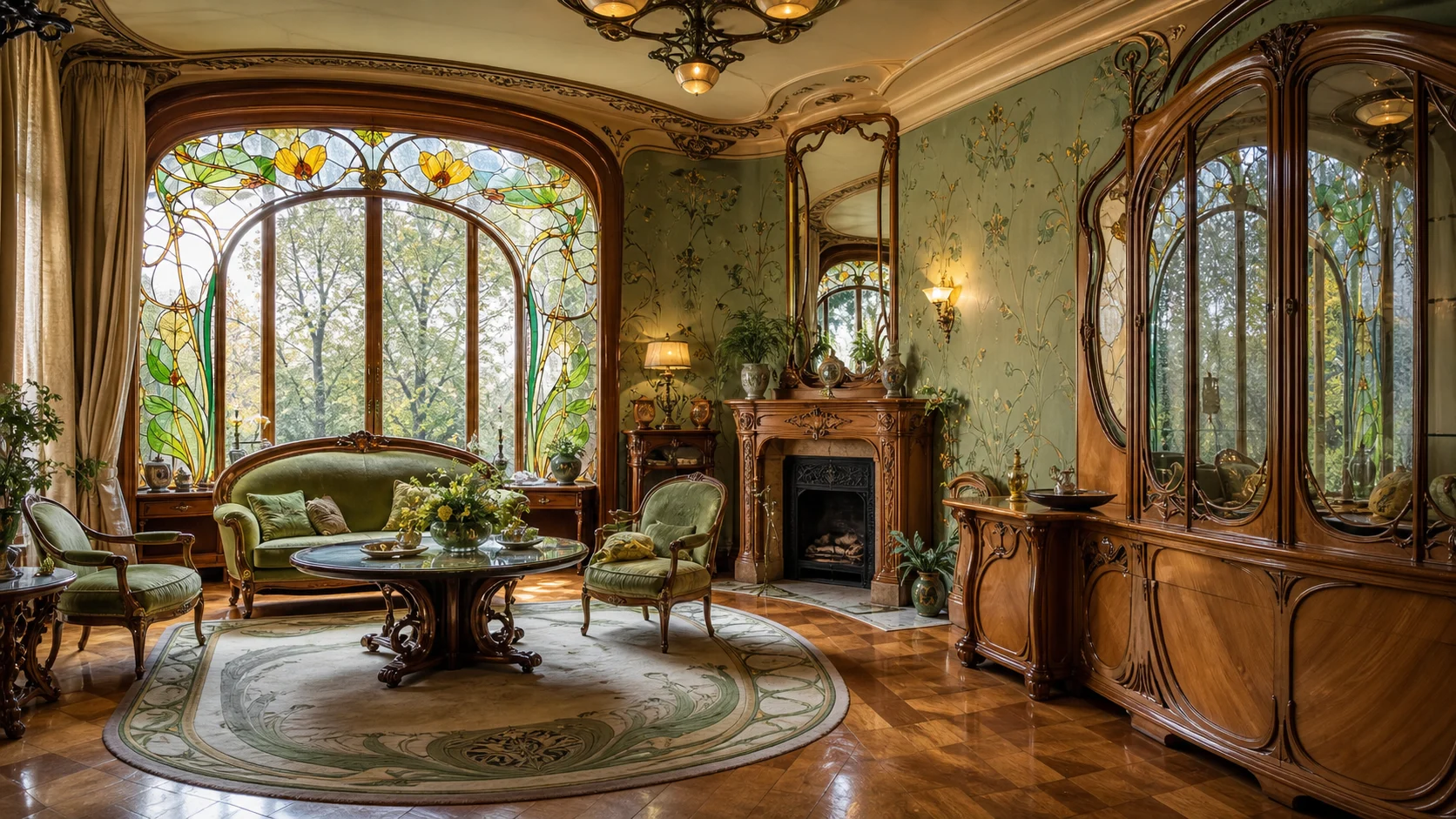
A continuous organic line turns window, furniture, glass and hardware into one composed interior rather than a collection of floral motifs.
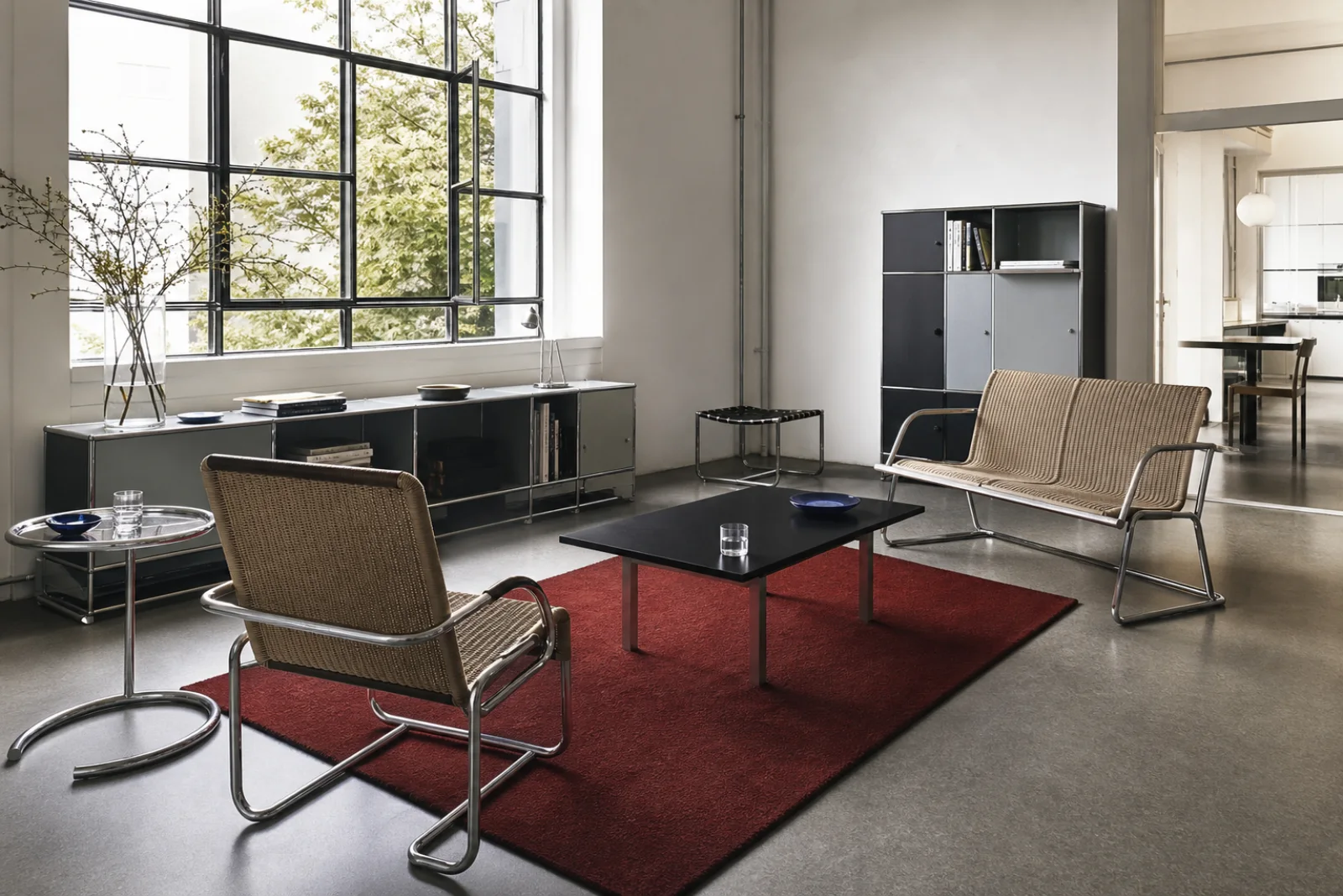
A room designed as a useful system: clear routes, economical construction and color that explains space instead of decorating it.
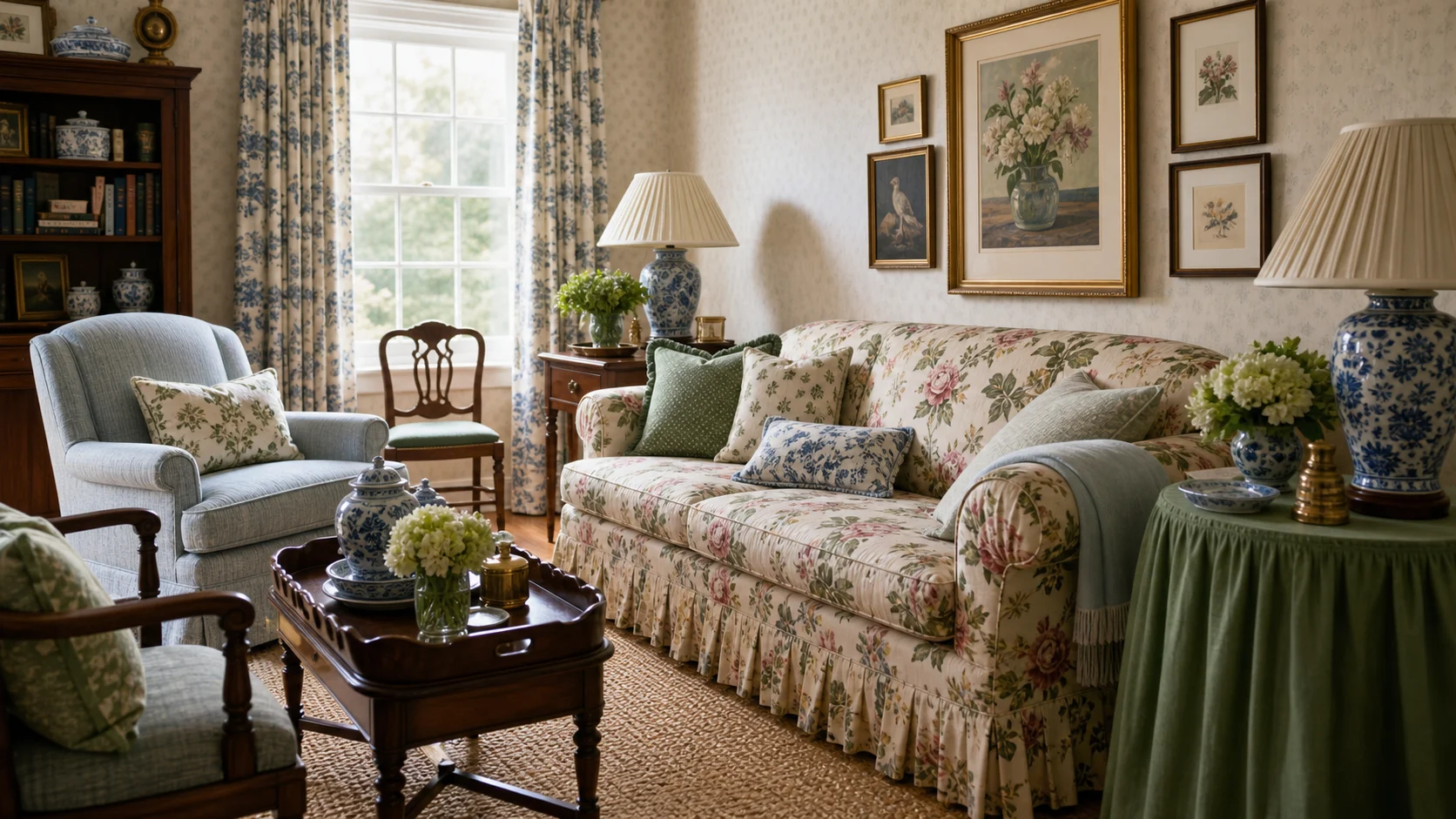
Familiar pattern, inherited character and tailored detail—edited with enough contrast and breathing room to feel current.
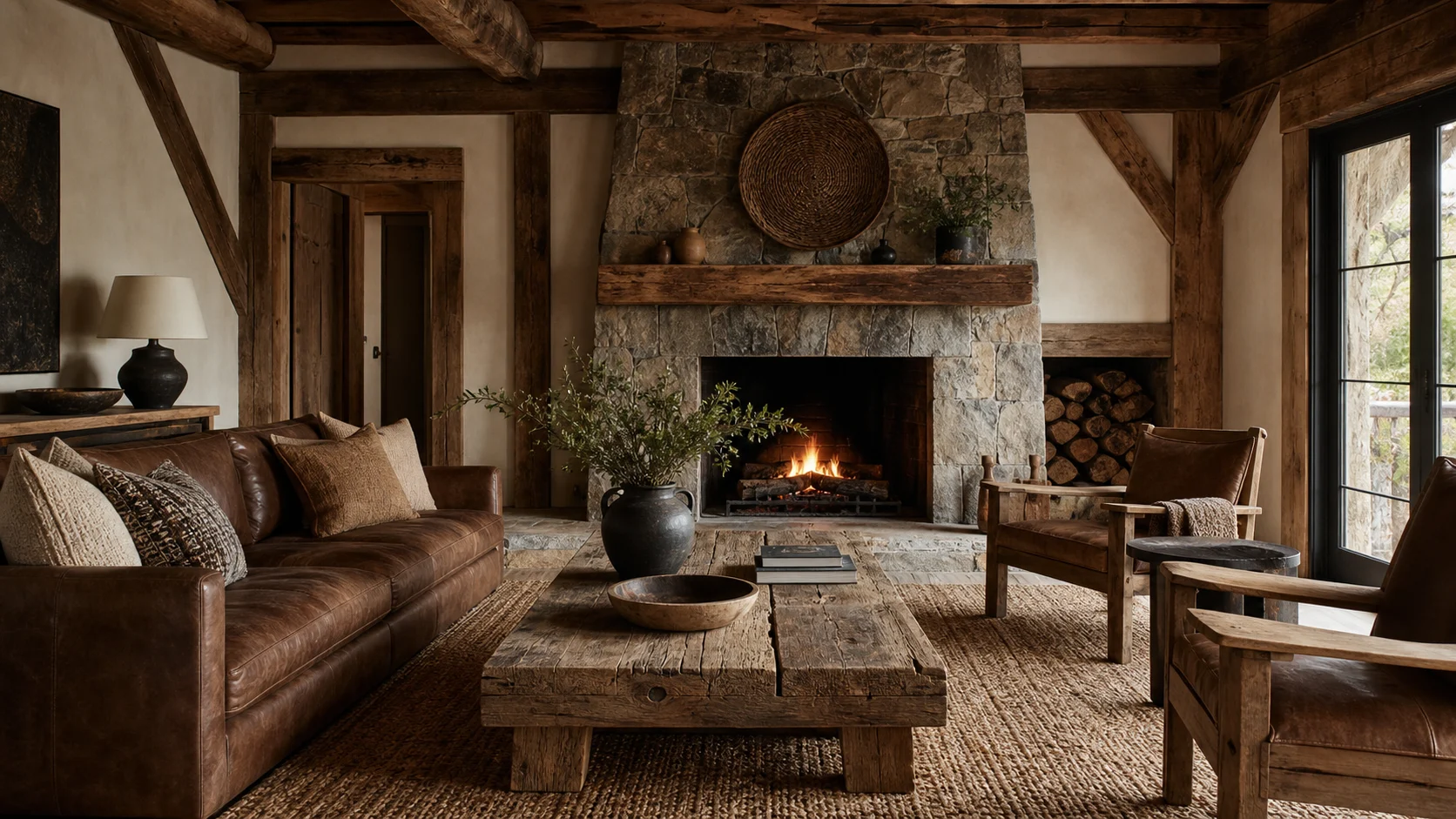
Weight, grain and useful wear give the room its character—not a collection of country-themed decorations.
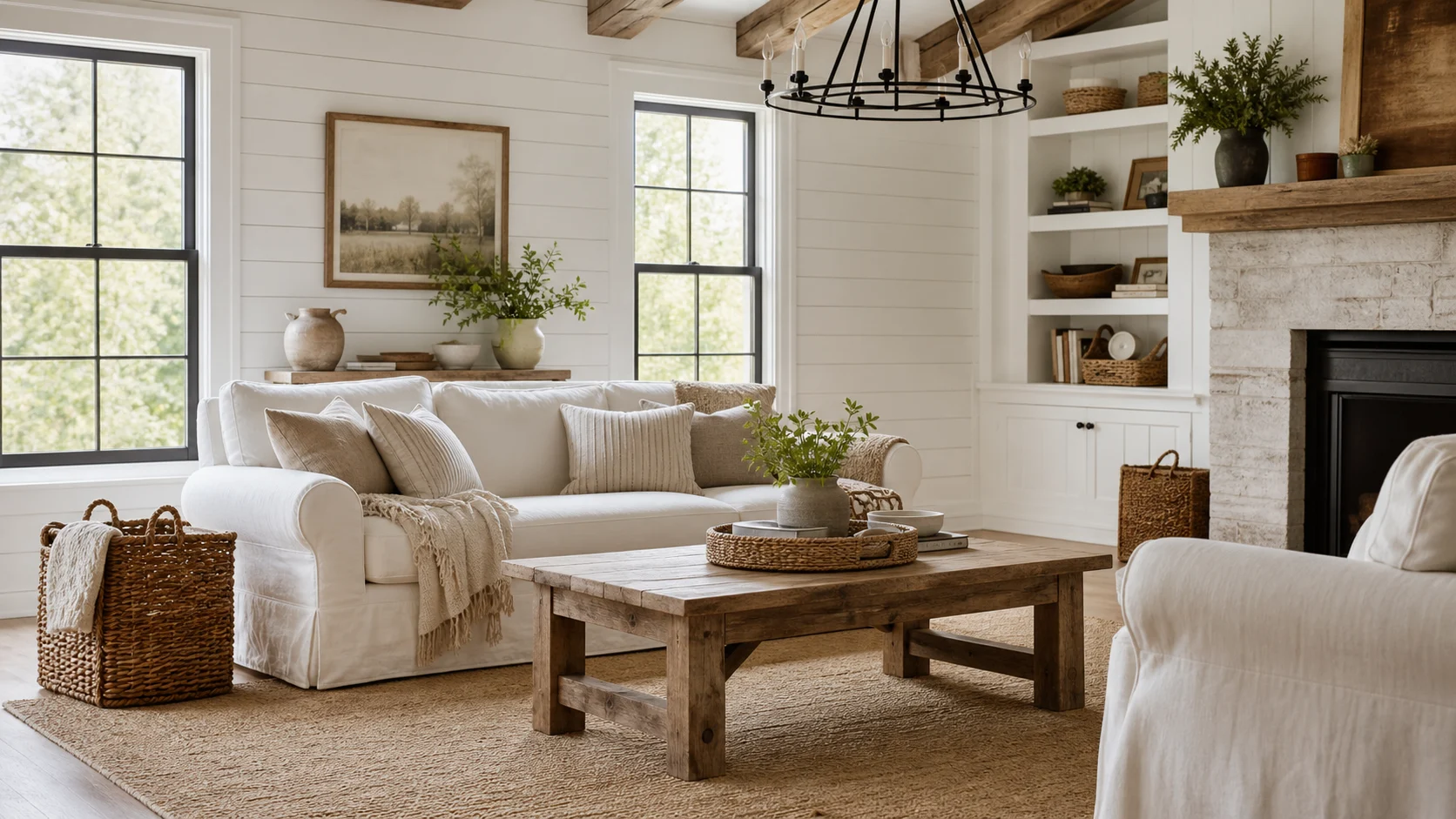
A working home made welcoming through painted furniture, useful storage and familiar materials that improve with daily life.
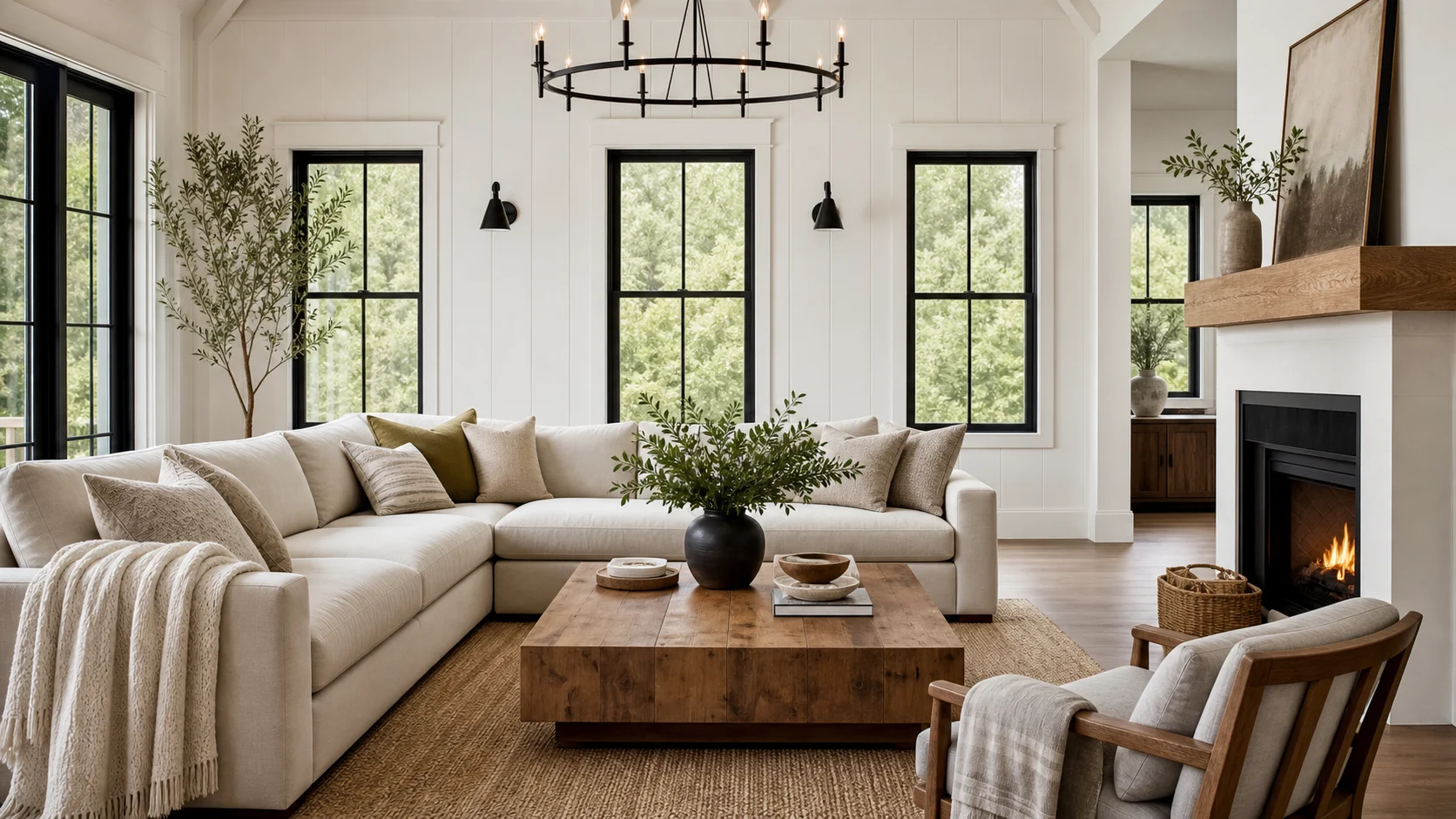
Contemporary planning gains warmth from familiar profiles, tactile wood and finishes that are precise without feeling precious.
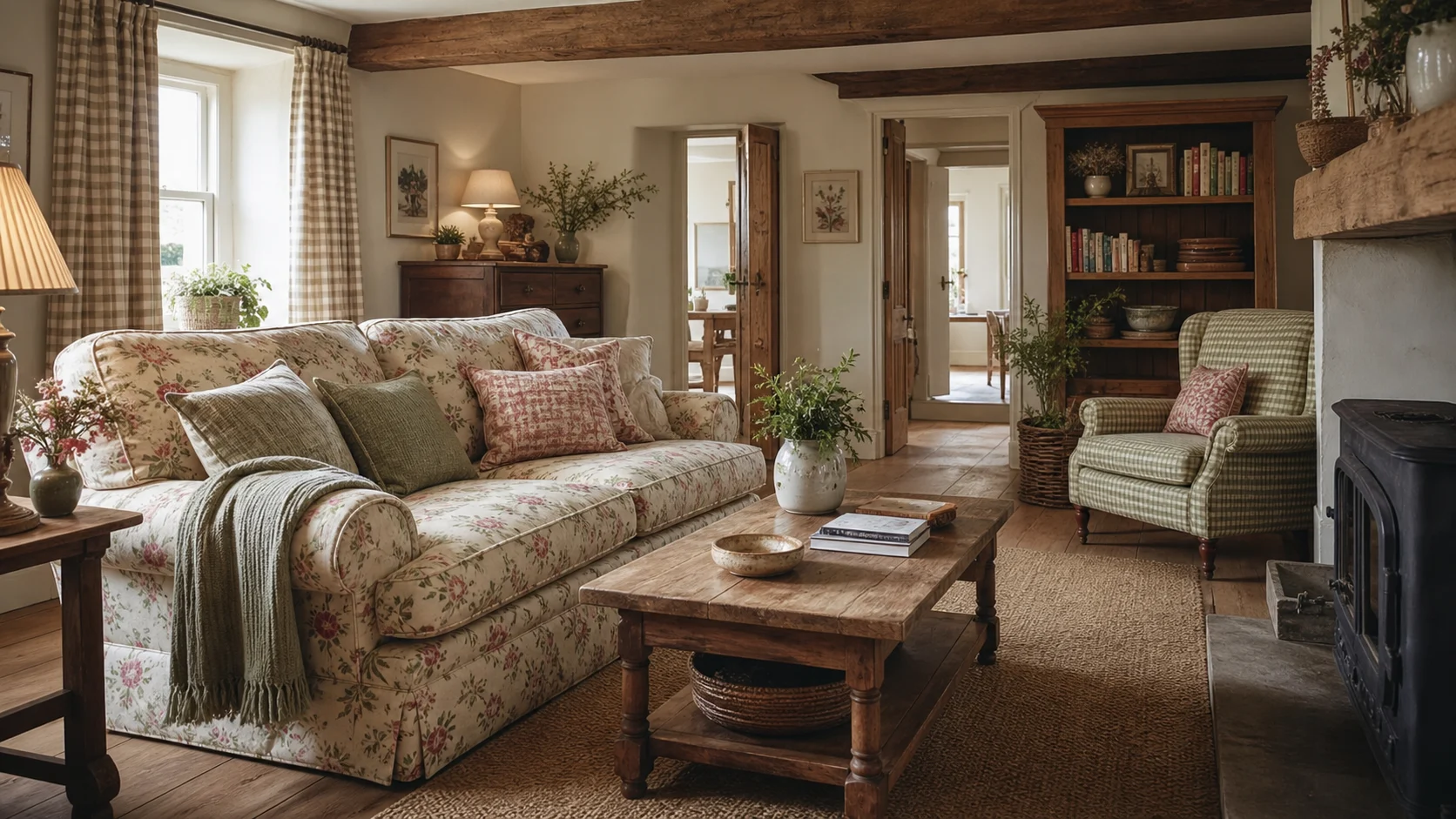
Soft color, small pattern and furniture gathered across time create comfort that feels personal rather than coordinated.
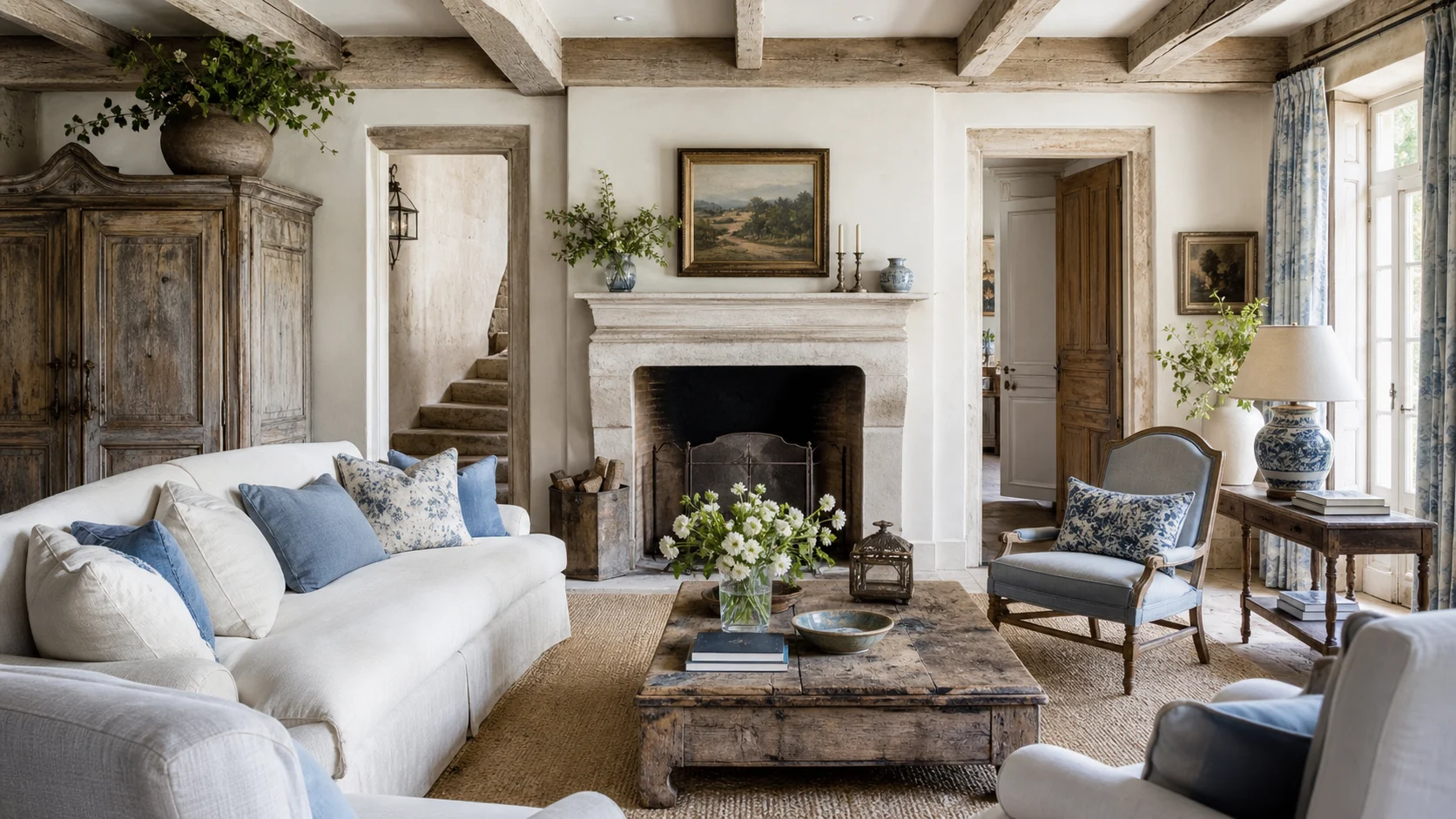
Provincial forms, mineral surfaces and faded textiles create elegance that feels softened by ordinary life.
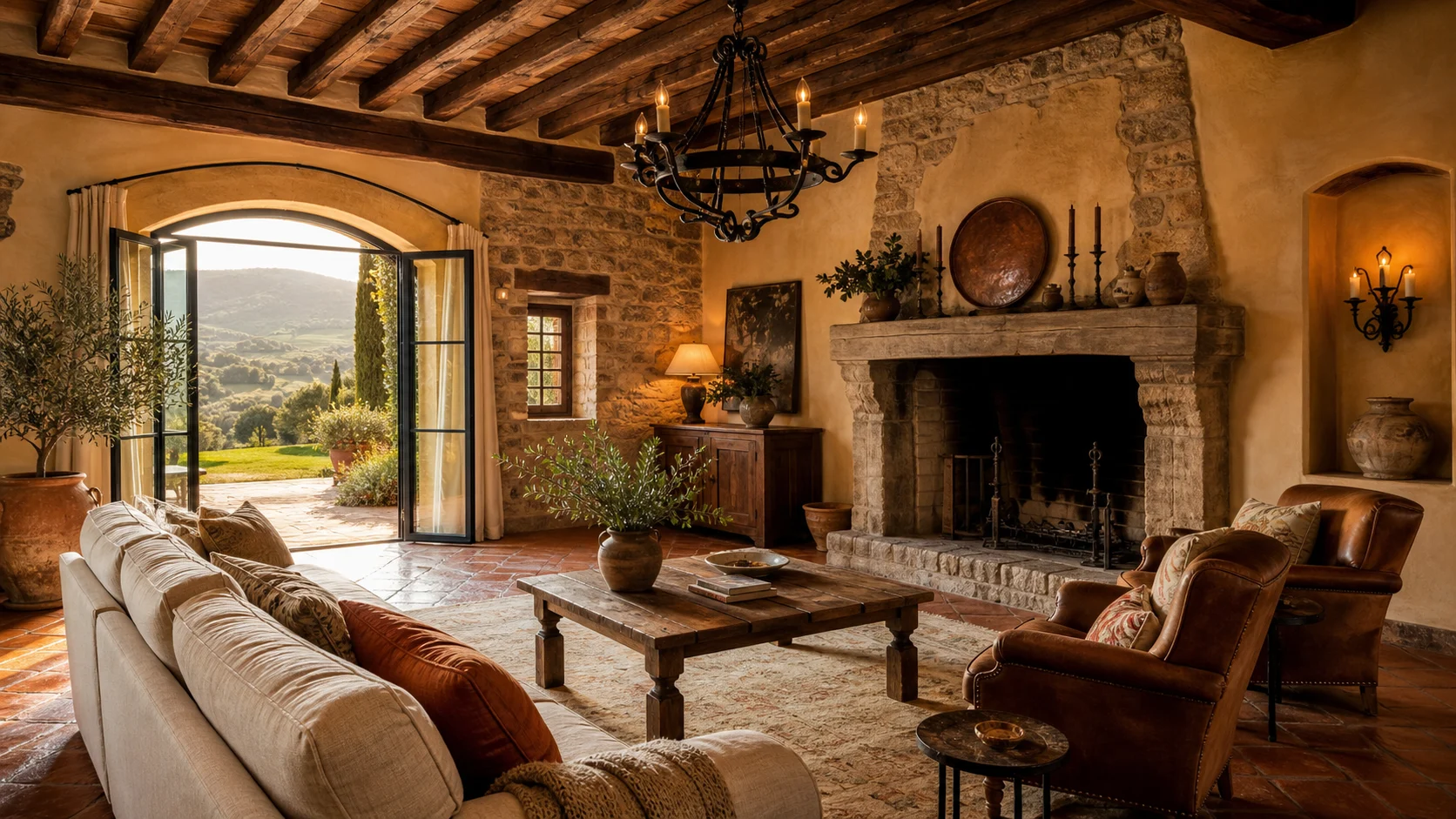
Earth-baked floors, mineral walls and dark timber create warmth balanced by light, space and a disciplined material palette.
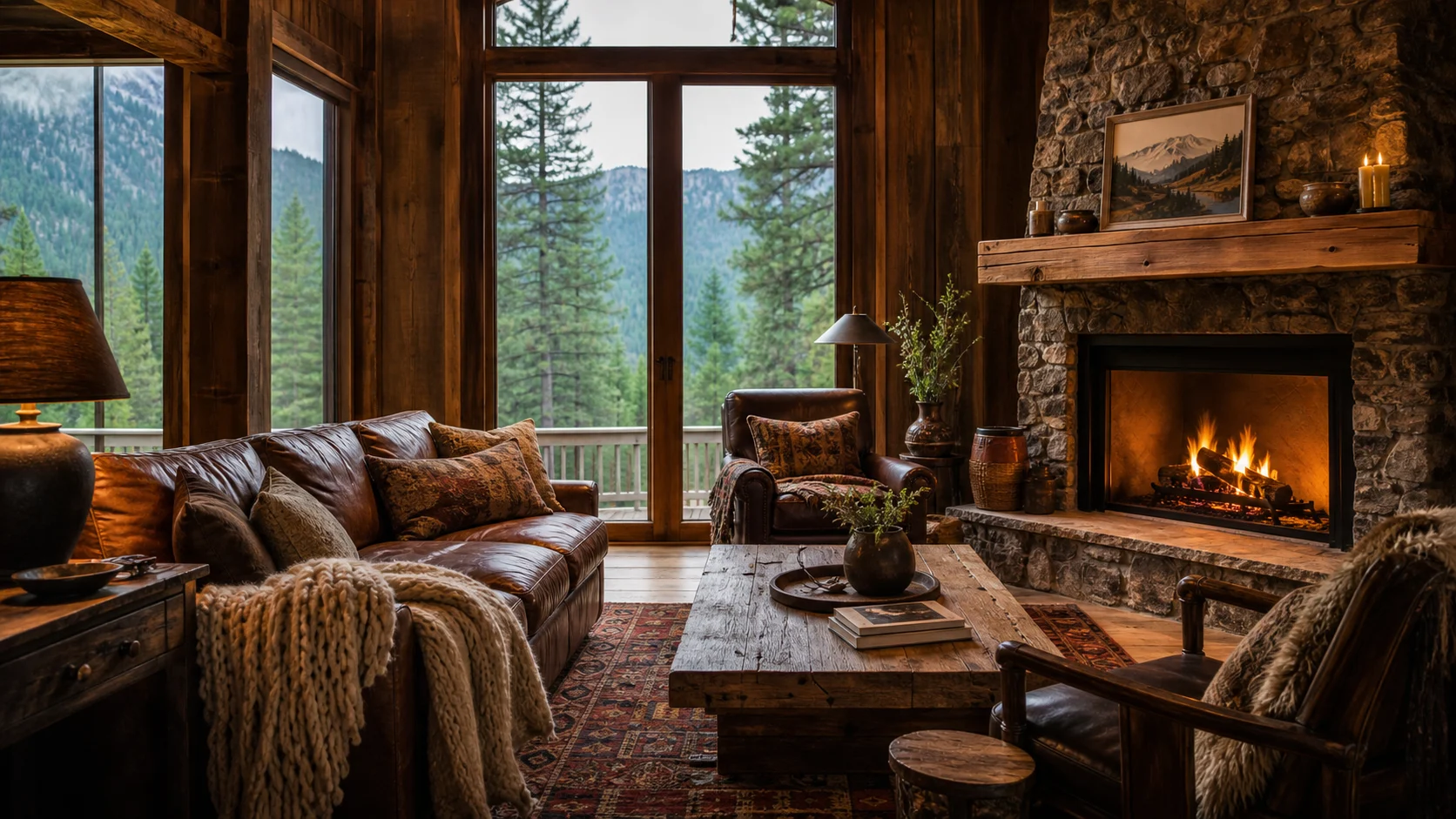
A small, climate-ready interior where warmth, storage and easy movement are designed into the shell.
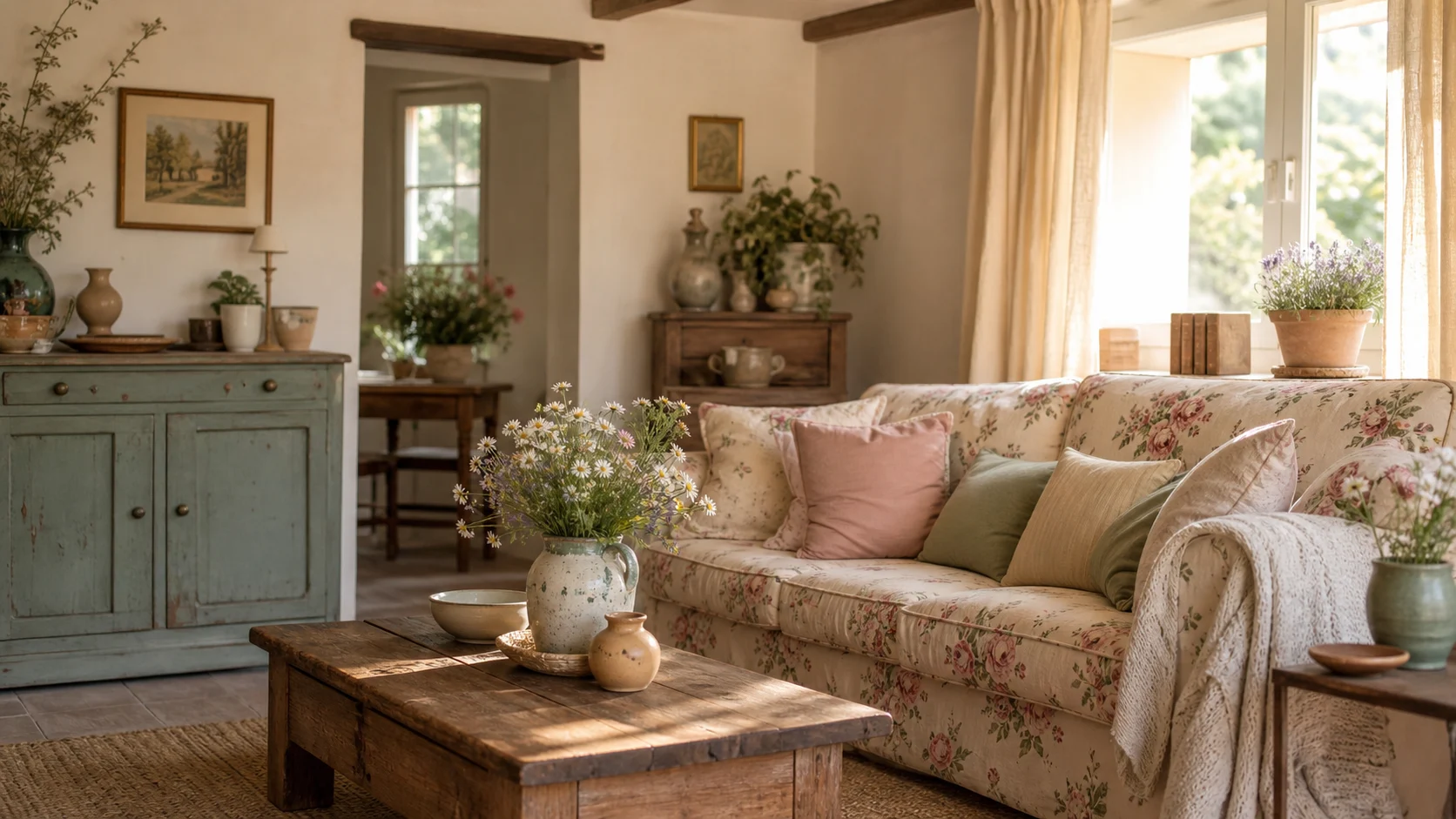
Garden rhythms, useful old furniture and visible handwork make the home feel tended rather than styled.
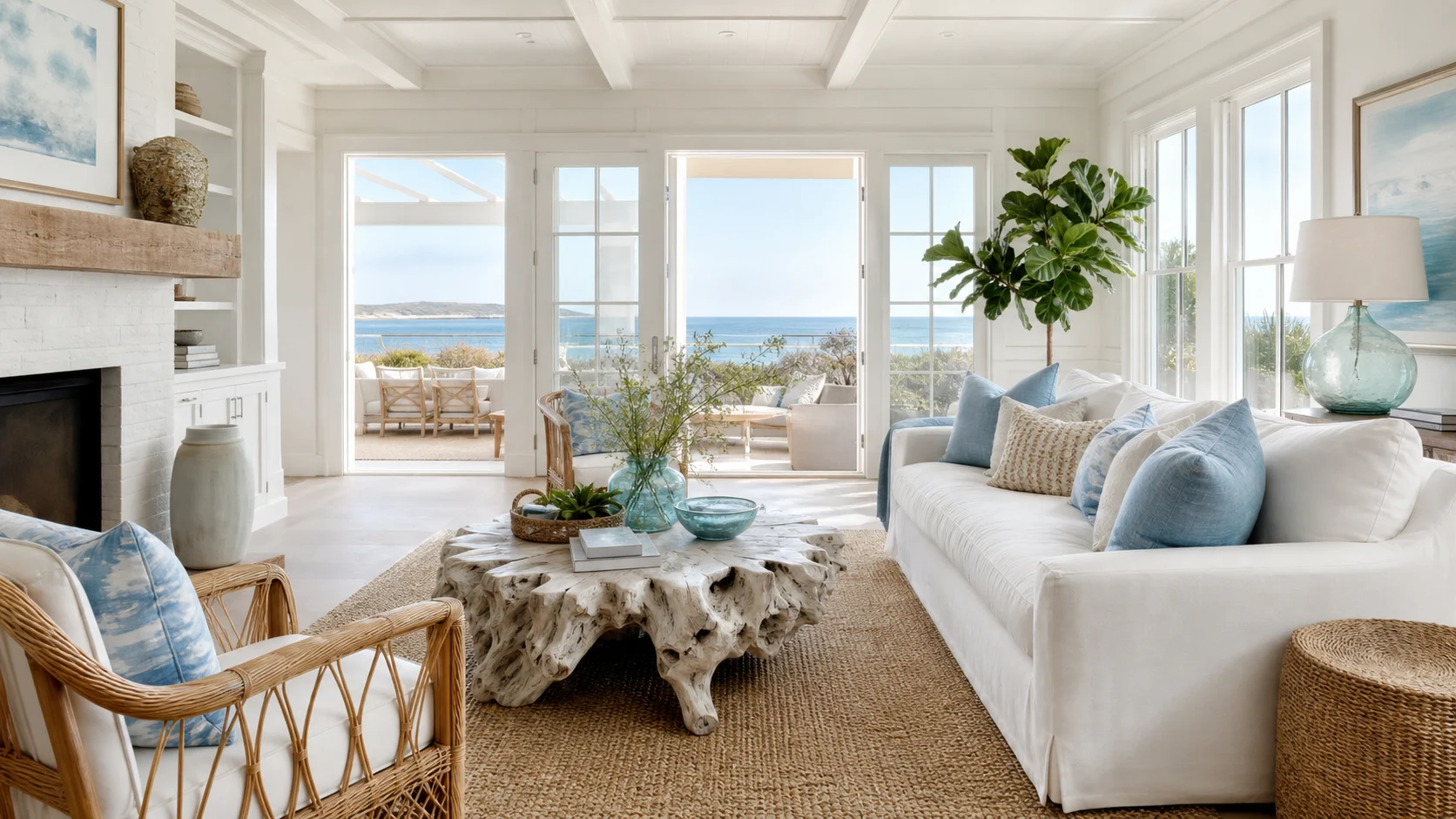
Filtered light, open air routes and sand-tolerant materials create coastal ease without a single nautical motif.
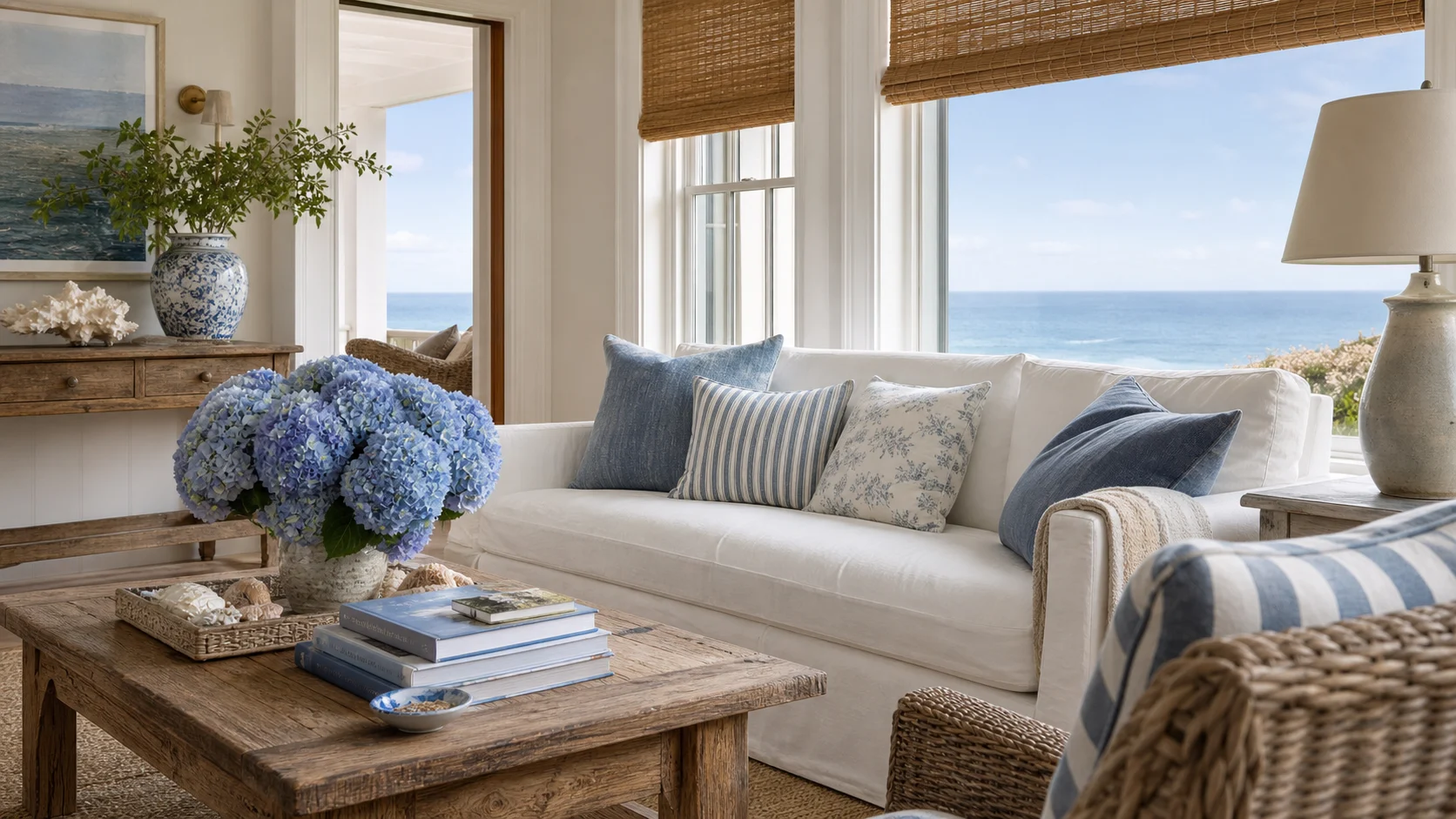
Generous comfort, useful antiques and faded coastal color create a home made for reading, cooking and lingering guests.
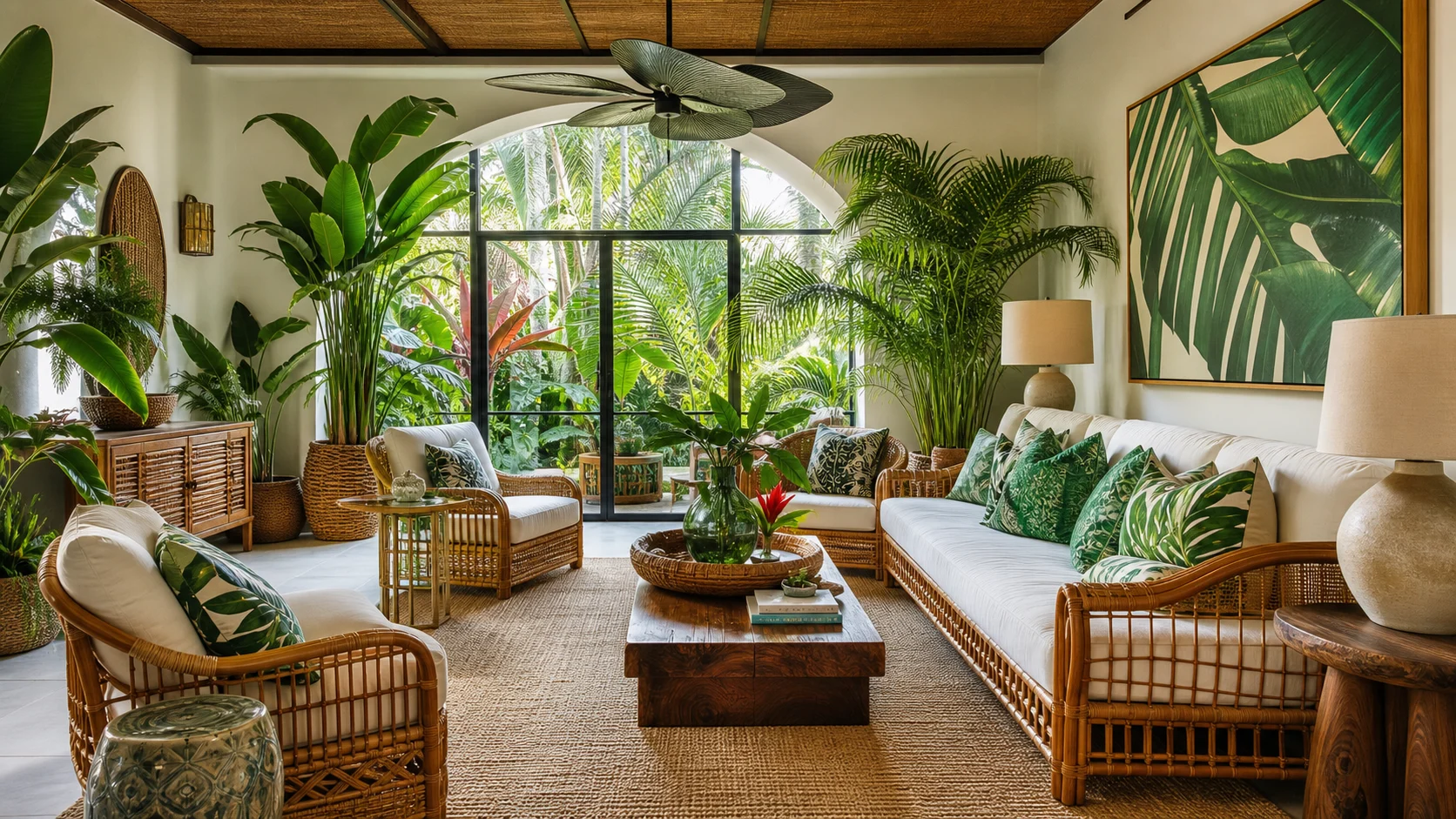
Deep shade, moving air and grounded natural materials make greenery feel architectural rather than decorative.
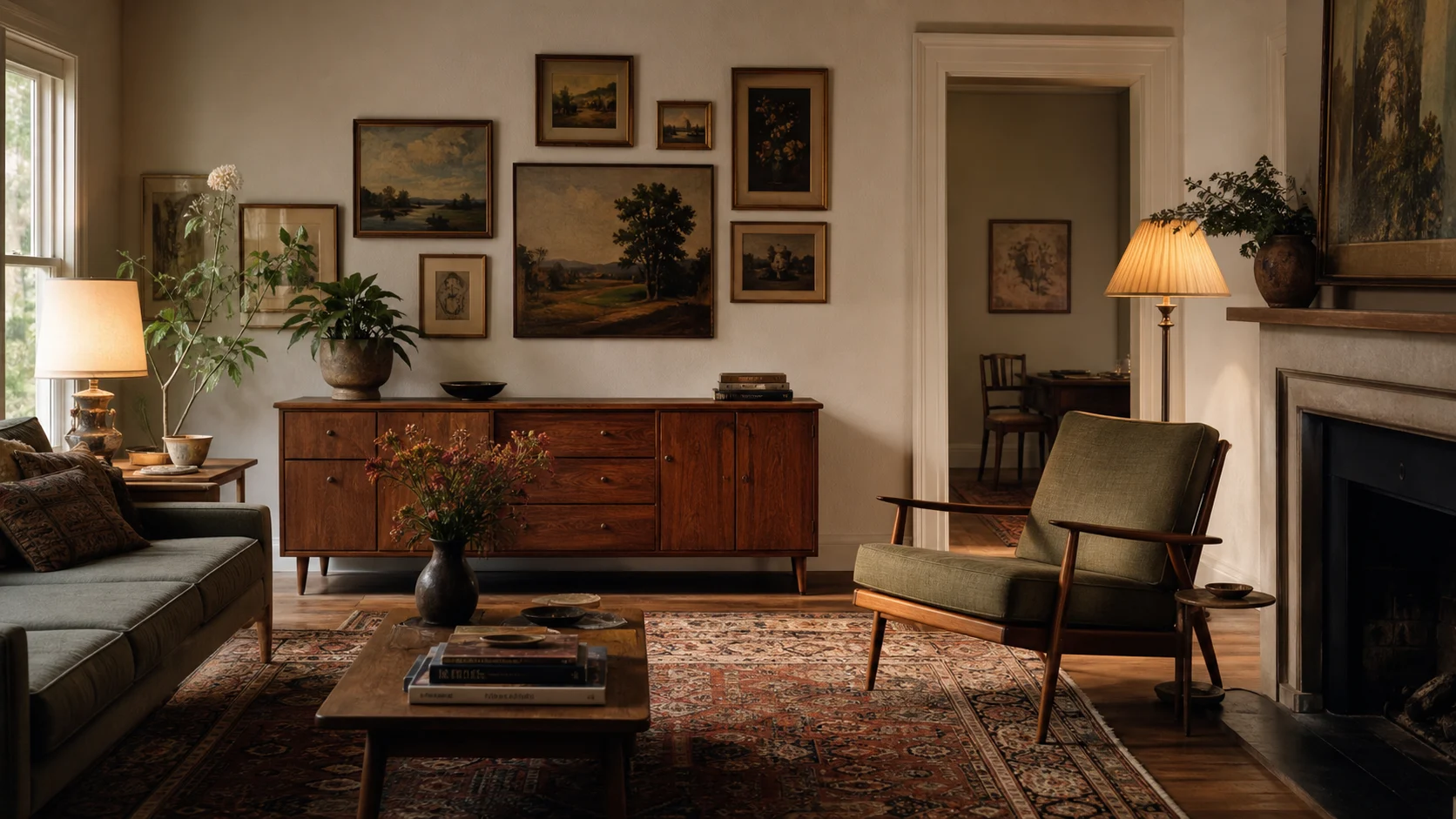
One anchor era, repairable furniture and quiet modern support turn old pieces into a coherent present-day home.
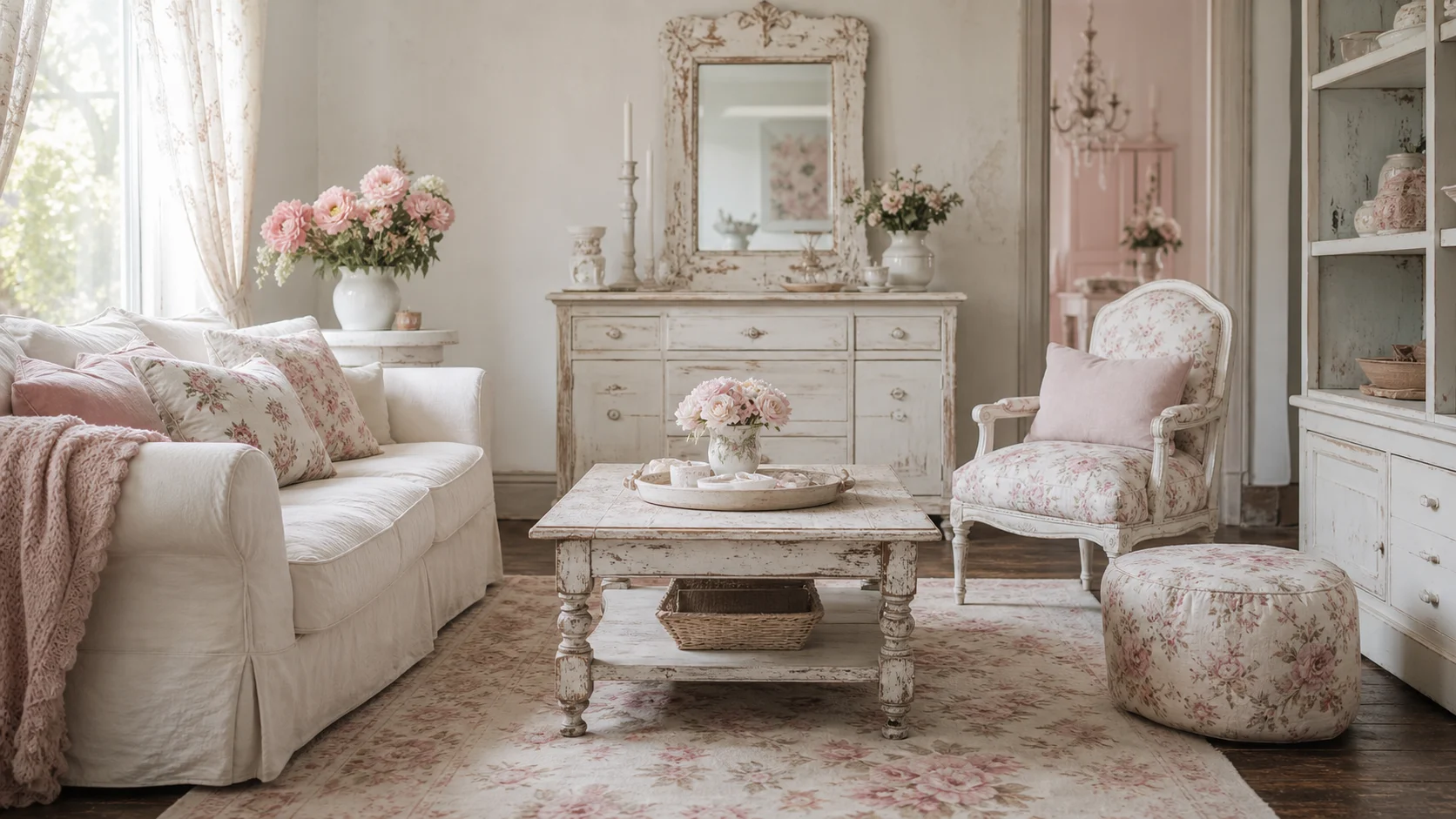
Washed textiles, chalky color and one or two gently worn pieces create softness without turning the room into a decorative theme.
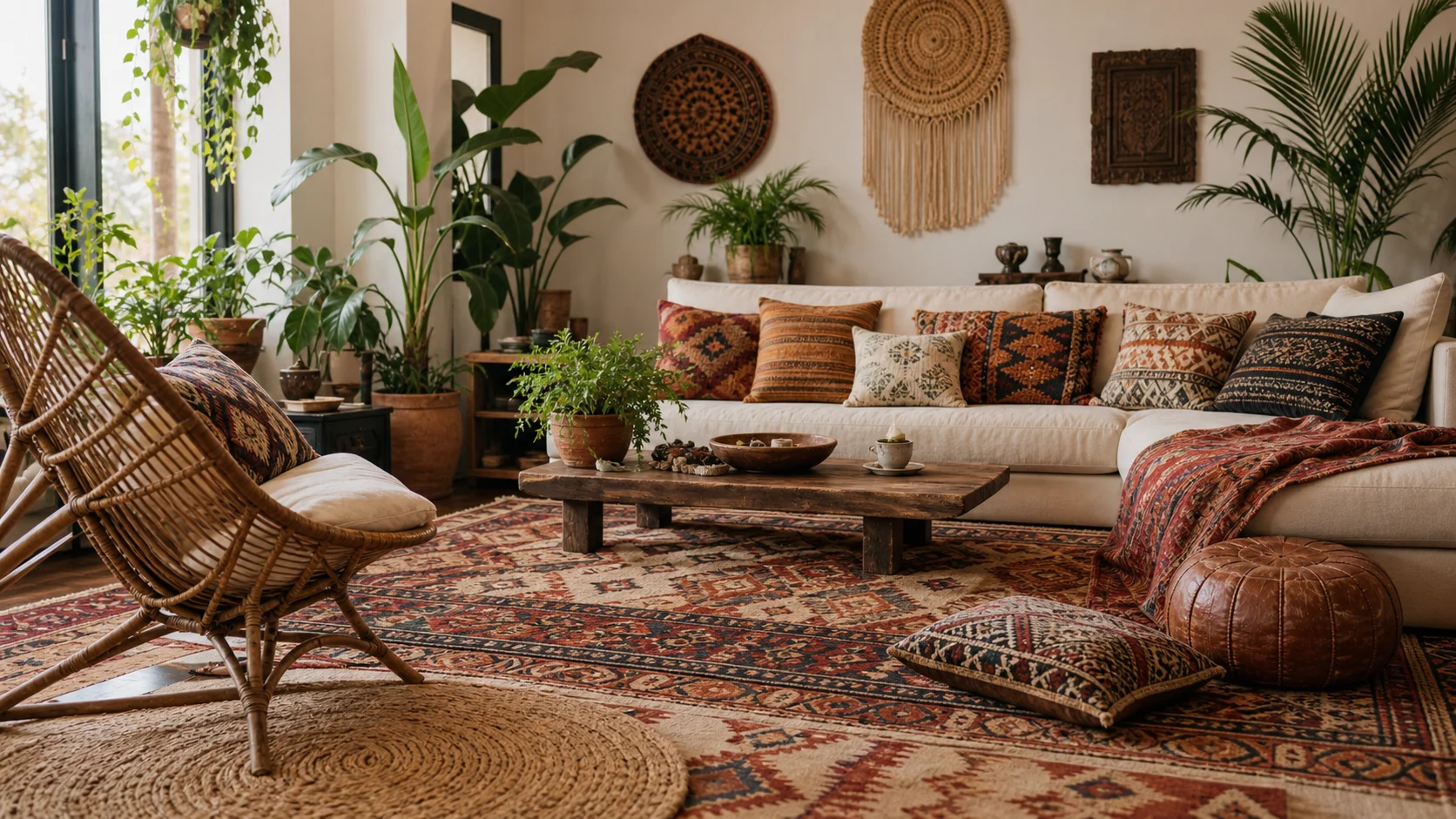
Personal objects, low relaxed furniture and one confident textile story make a room expressive without sacrificing space or function.
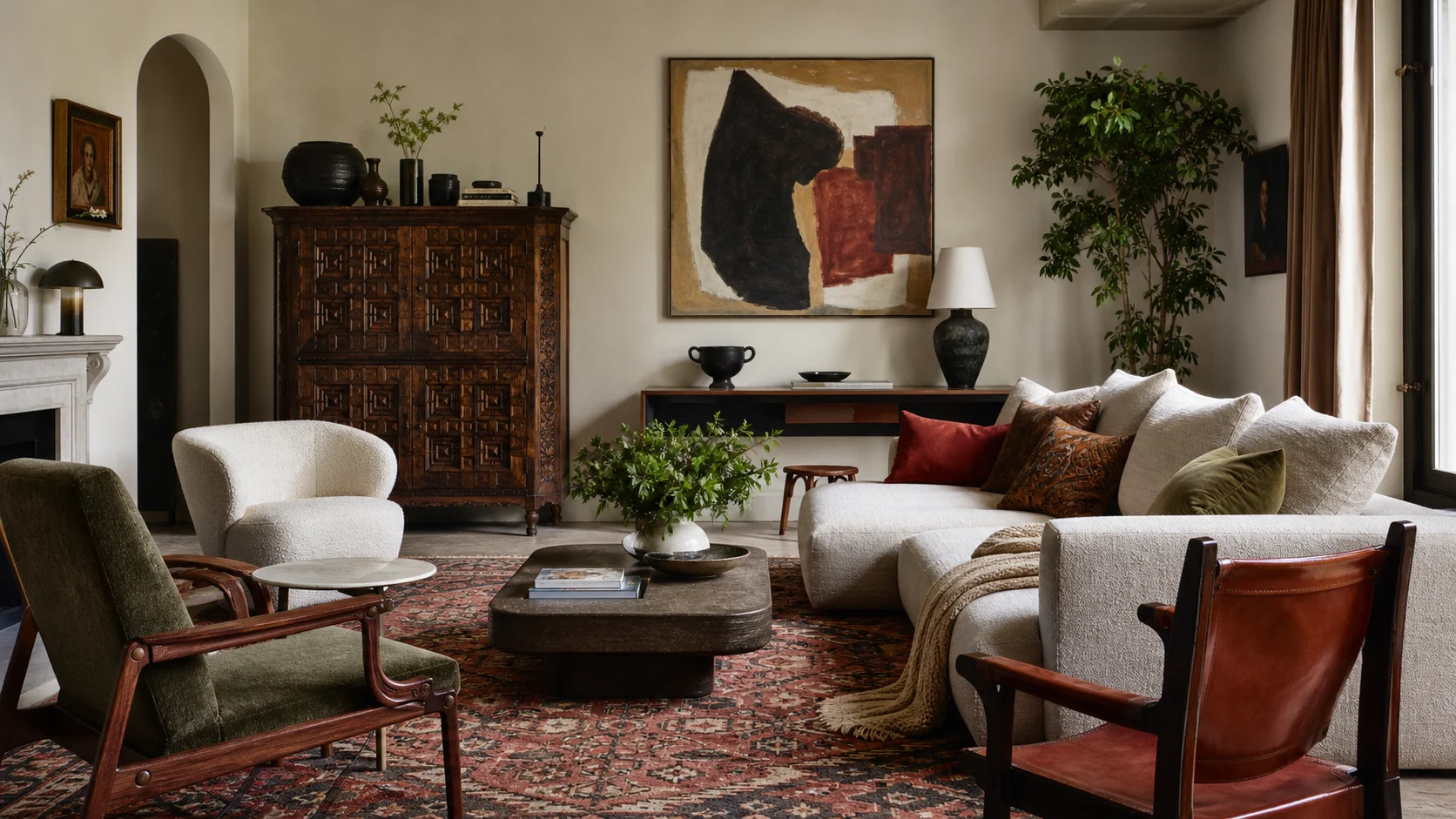
Different eras become one room when scale, color and line repeat more strongly than the styles disagree.
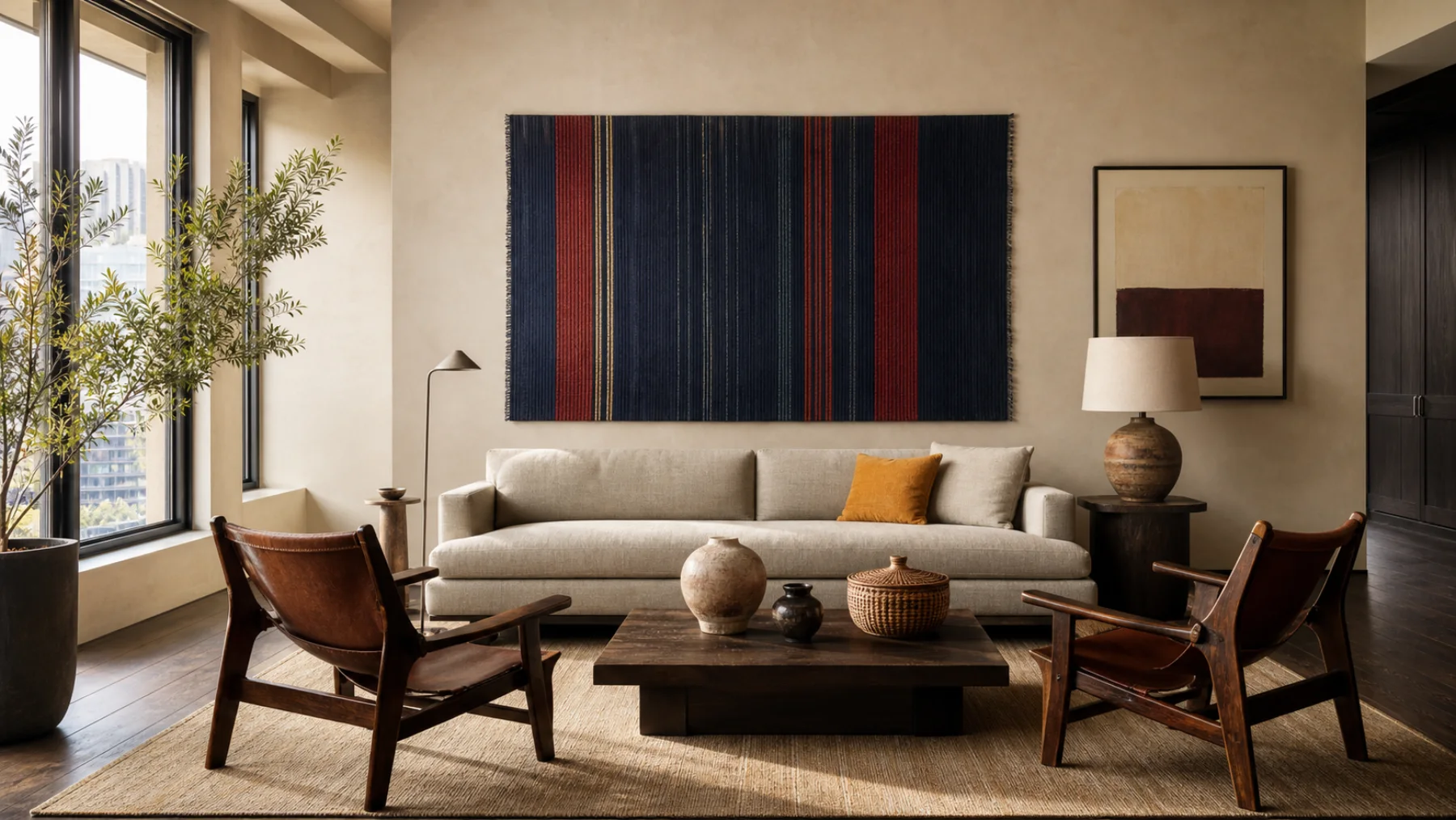
A few well-documented crafted pieces, given space and daily purpose, create more depth than a room full of anonymous travel motifs.
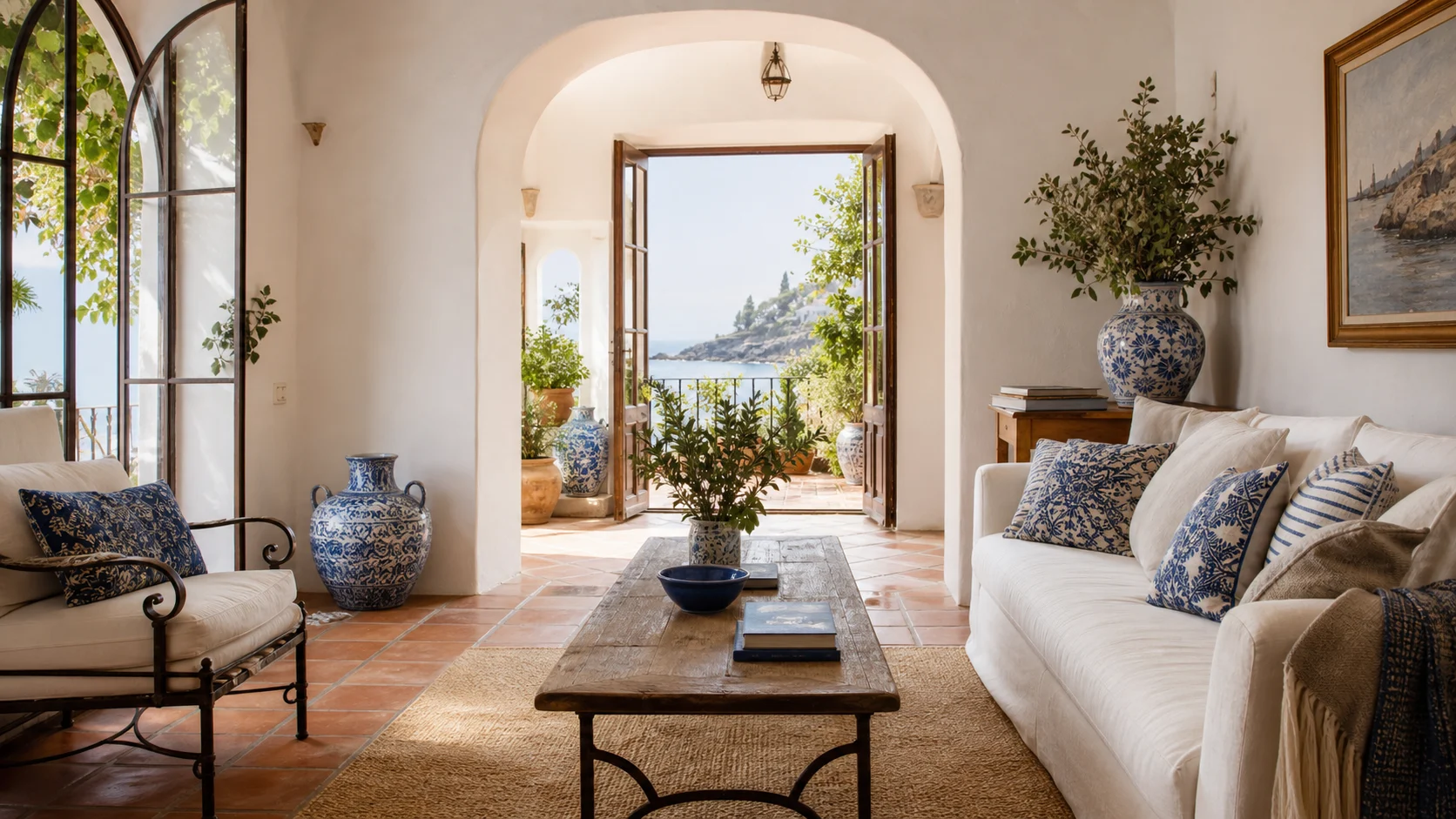
Choose one regional anchor, design for sun and airflow, then let lime, clay and timber express the climate without resort clichés.
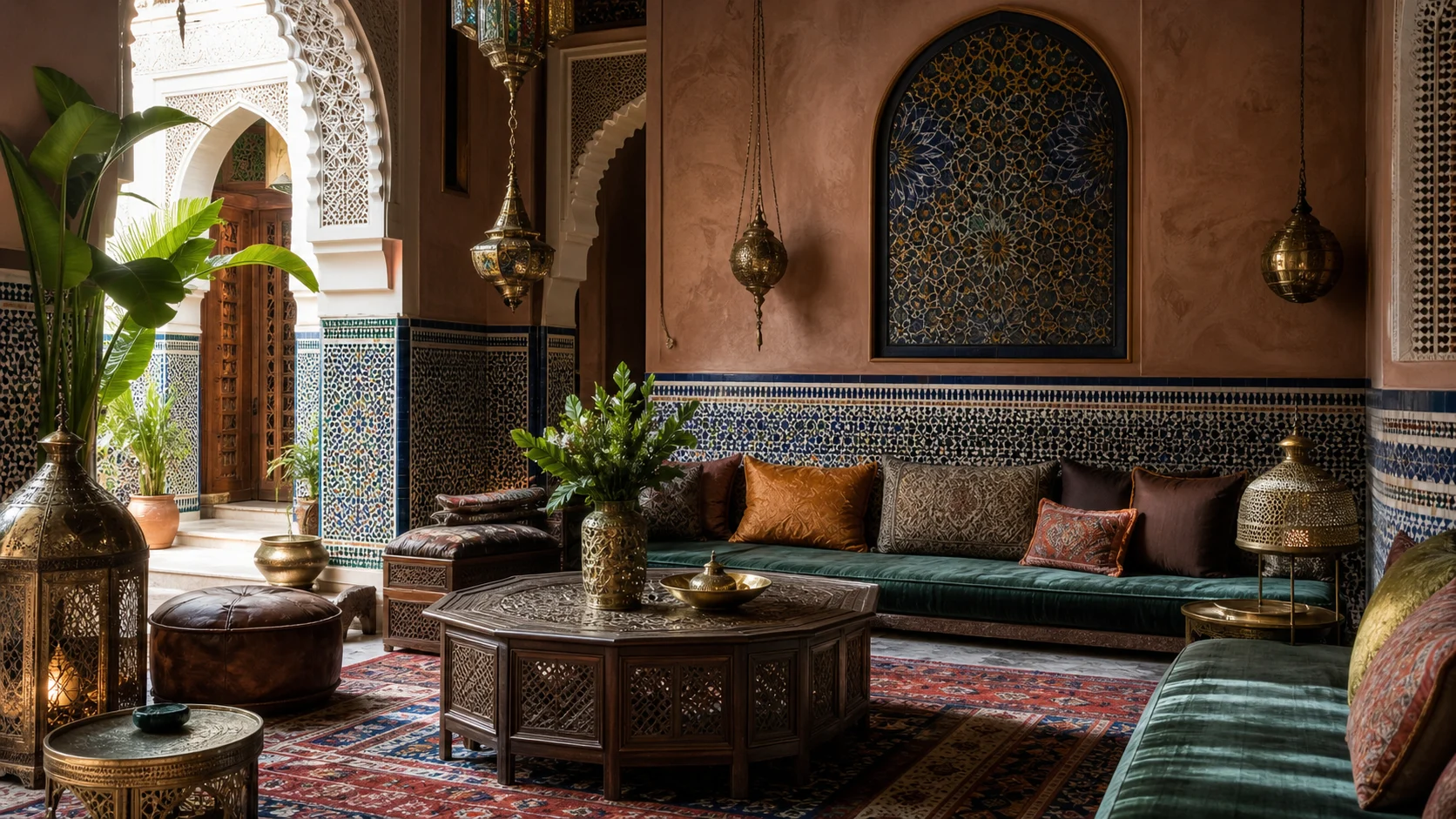
Courtyard light, smooth tadelakt, measured zellige and cedar joinery create depth before a single decorative object is added.
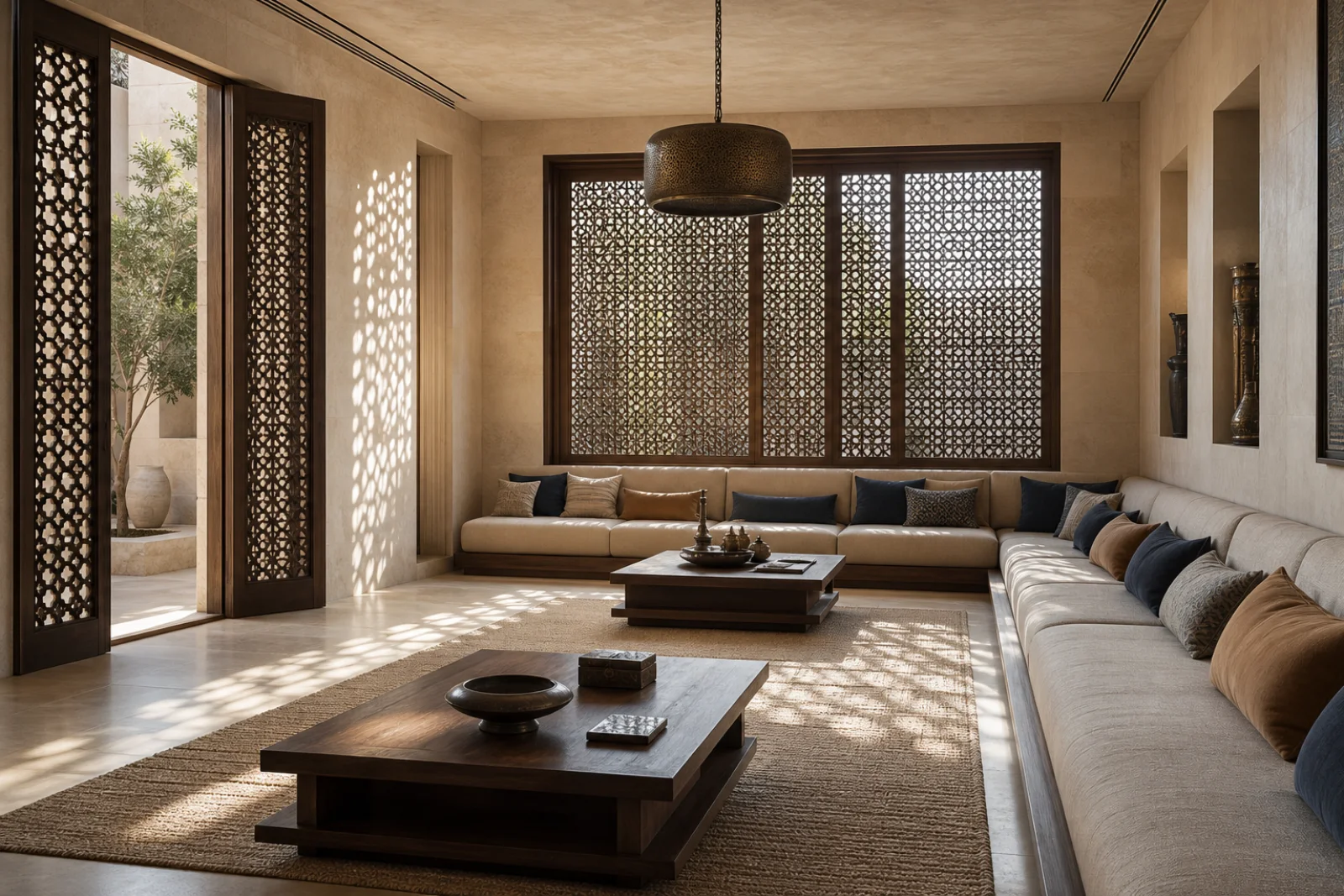
Hospitality and privacy shape the plan; screened daylight, perimeter seating and durable local materials give it character.
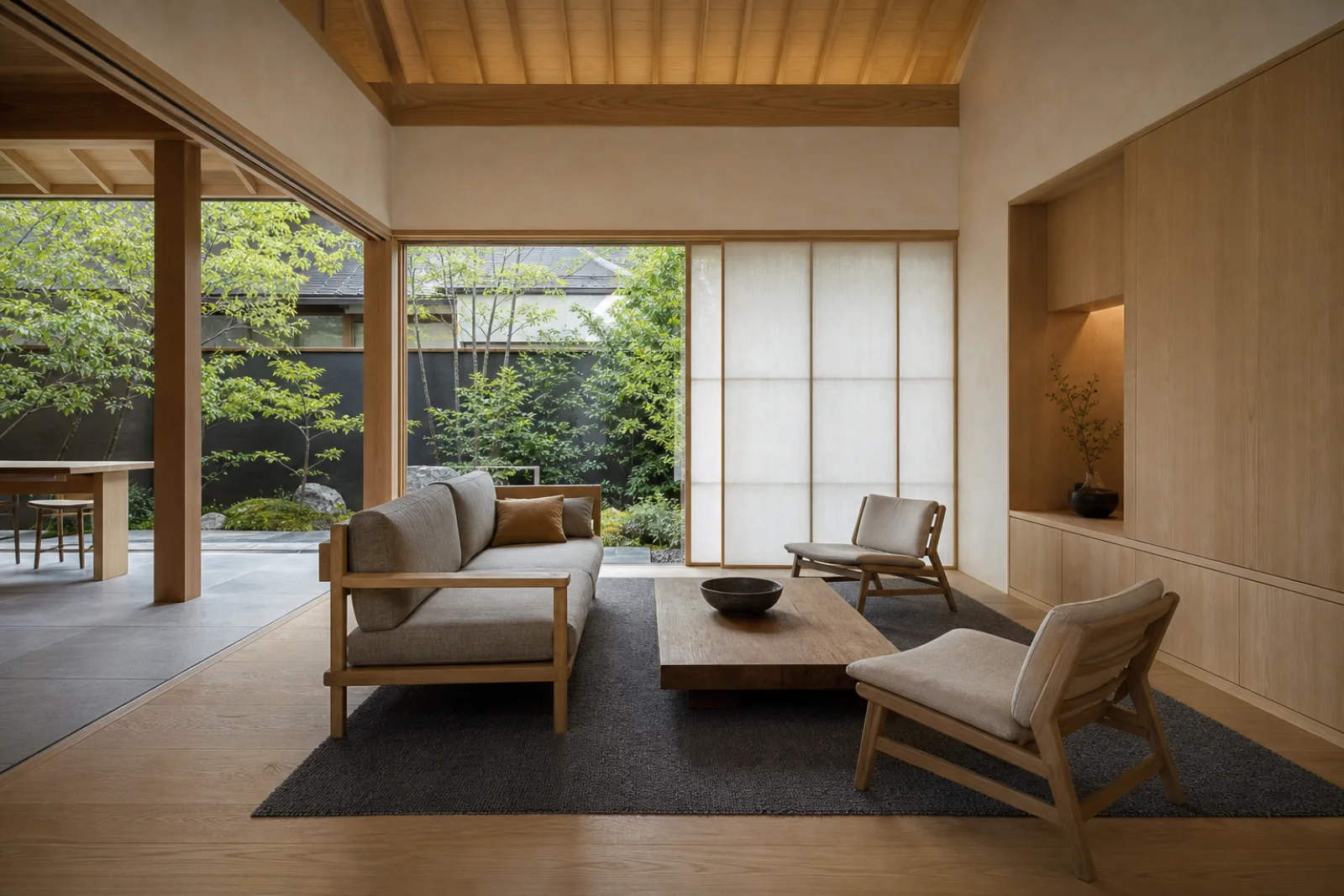
Calm comes from clear circulation, adjustable light and useful empty space—not from adding spiritual symbols.
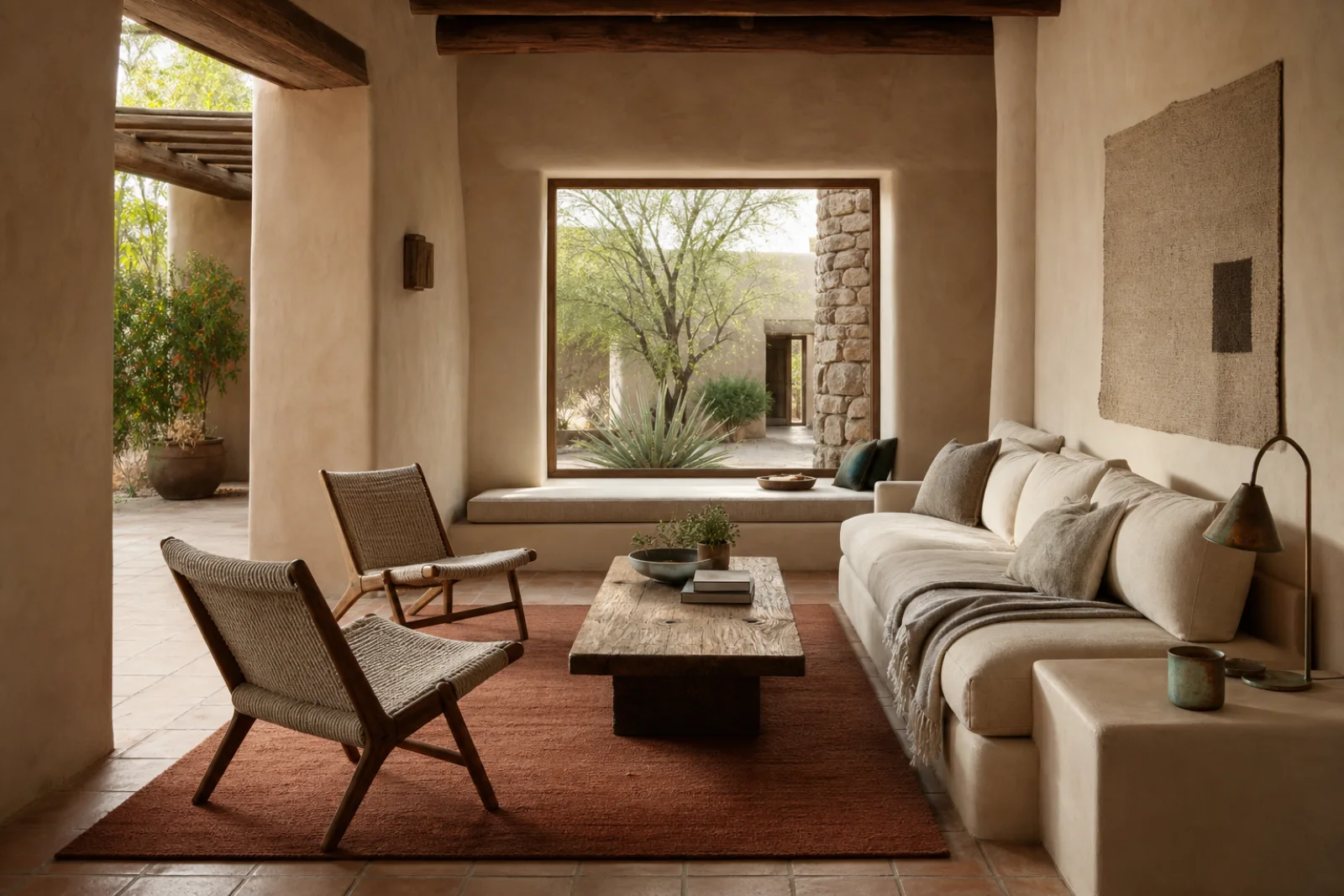
Deep shade, thermal mass and regional materials create comfort first; desert color follows from the building rather than themed décor.
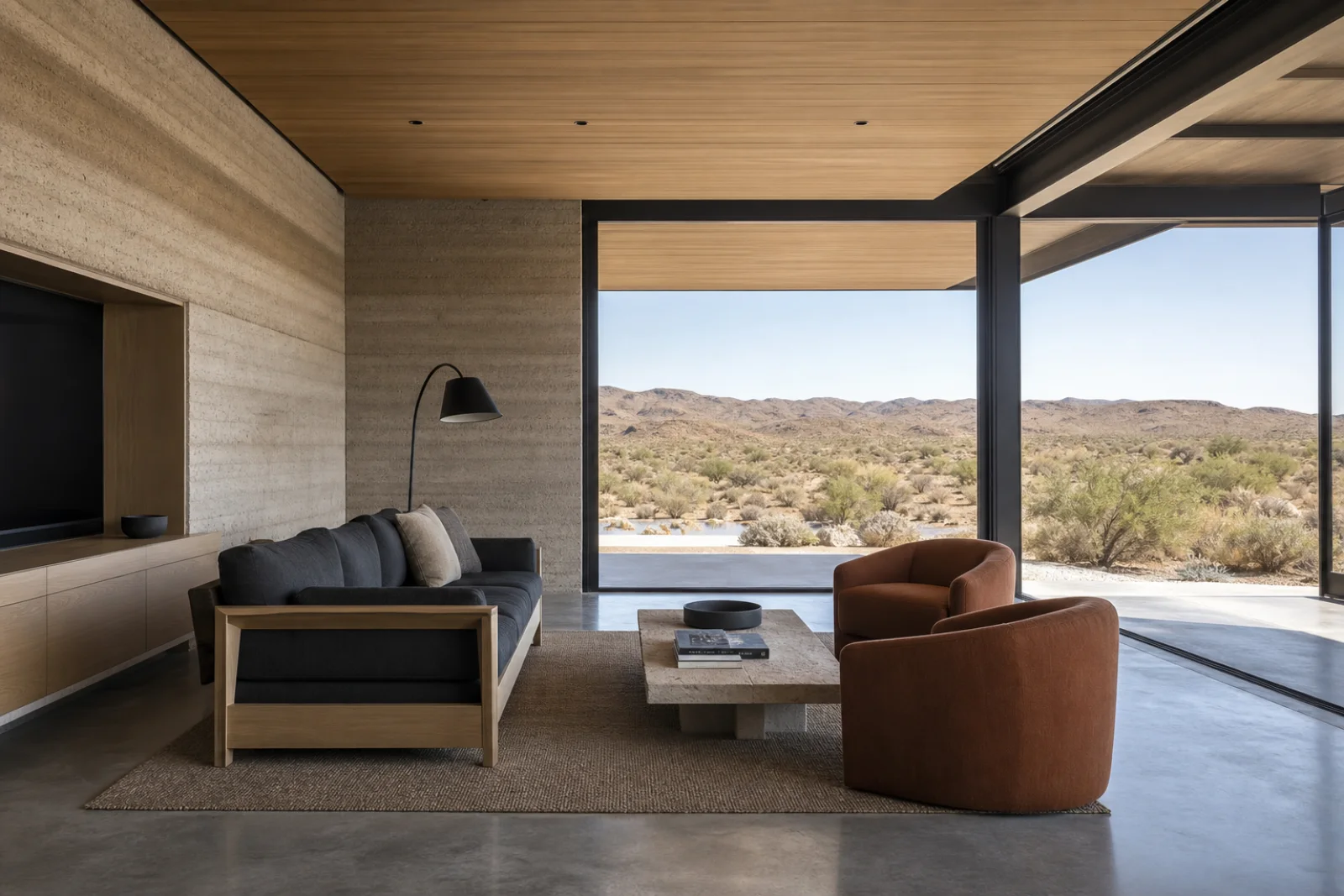
Frame the landscape without importing it indoors: orientation, exterior shade and a disciplined envelope create the calm.
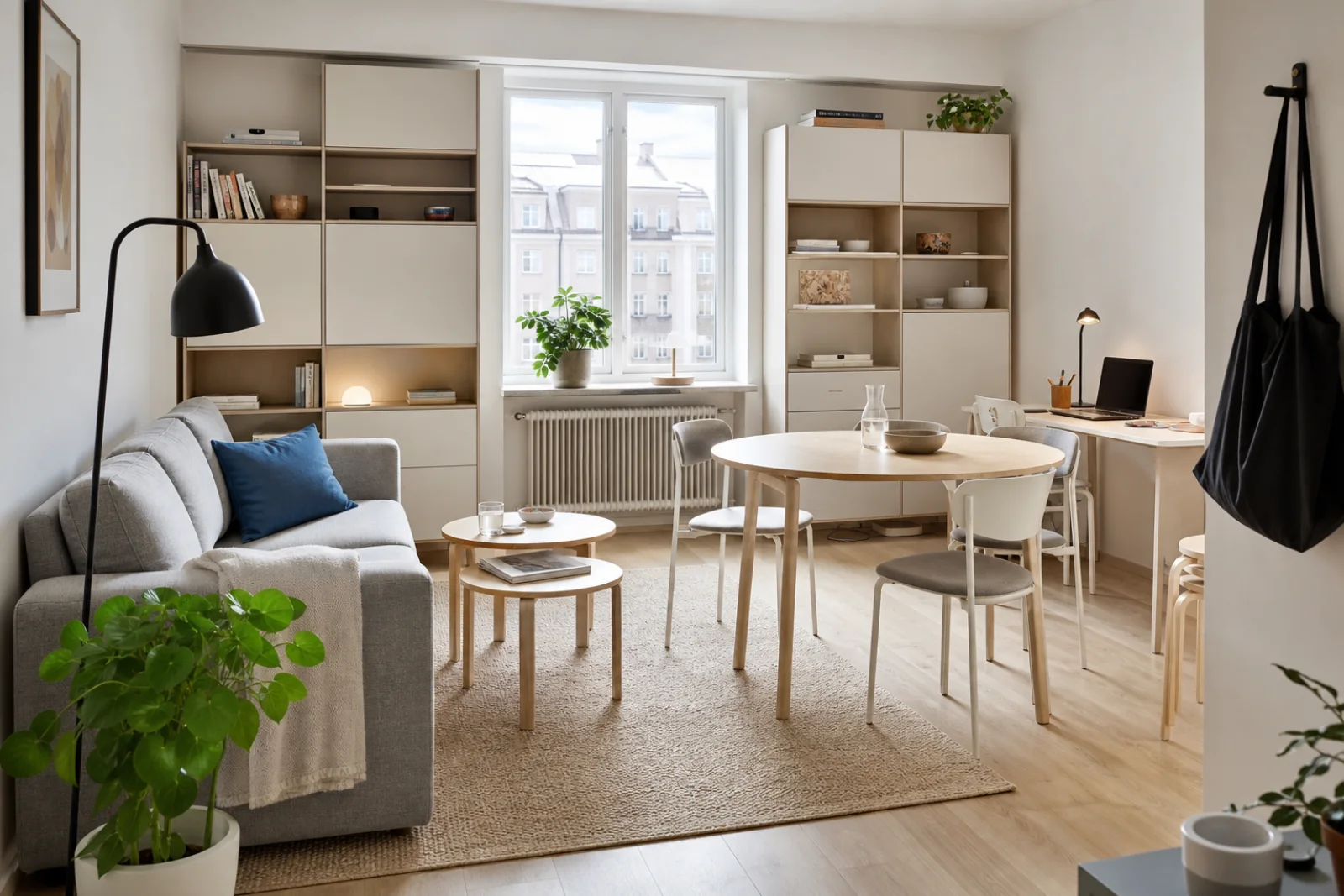
Measure first, give every module a job and spend more on the surfaces and mechanisms you touch every day.
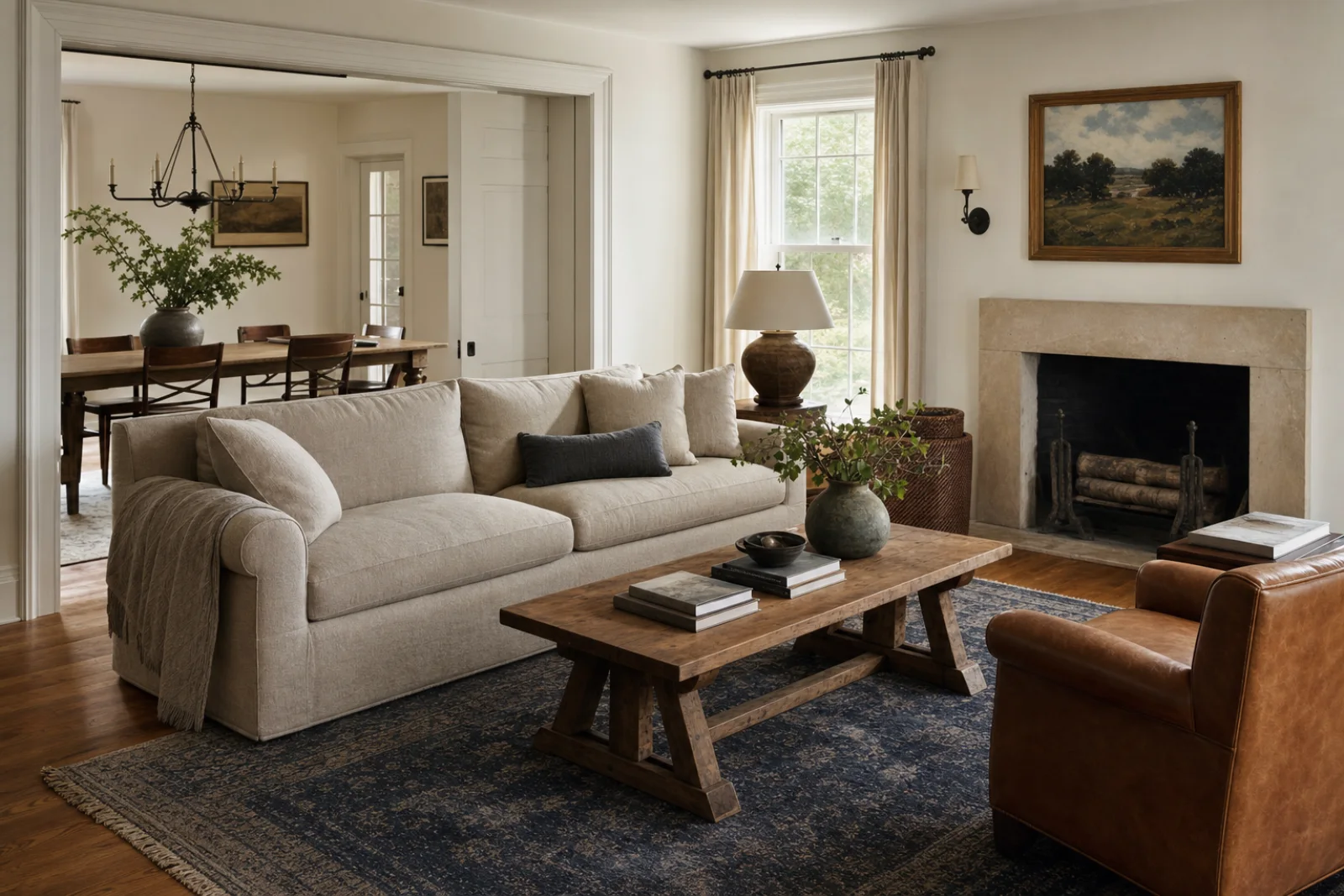
Start with one generous comfort piece, leave room around it and let oak, linen, leather and faded navy acquire character slowly.
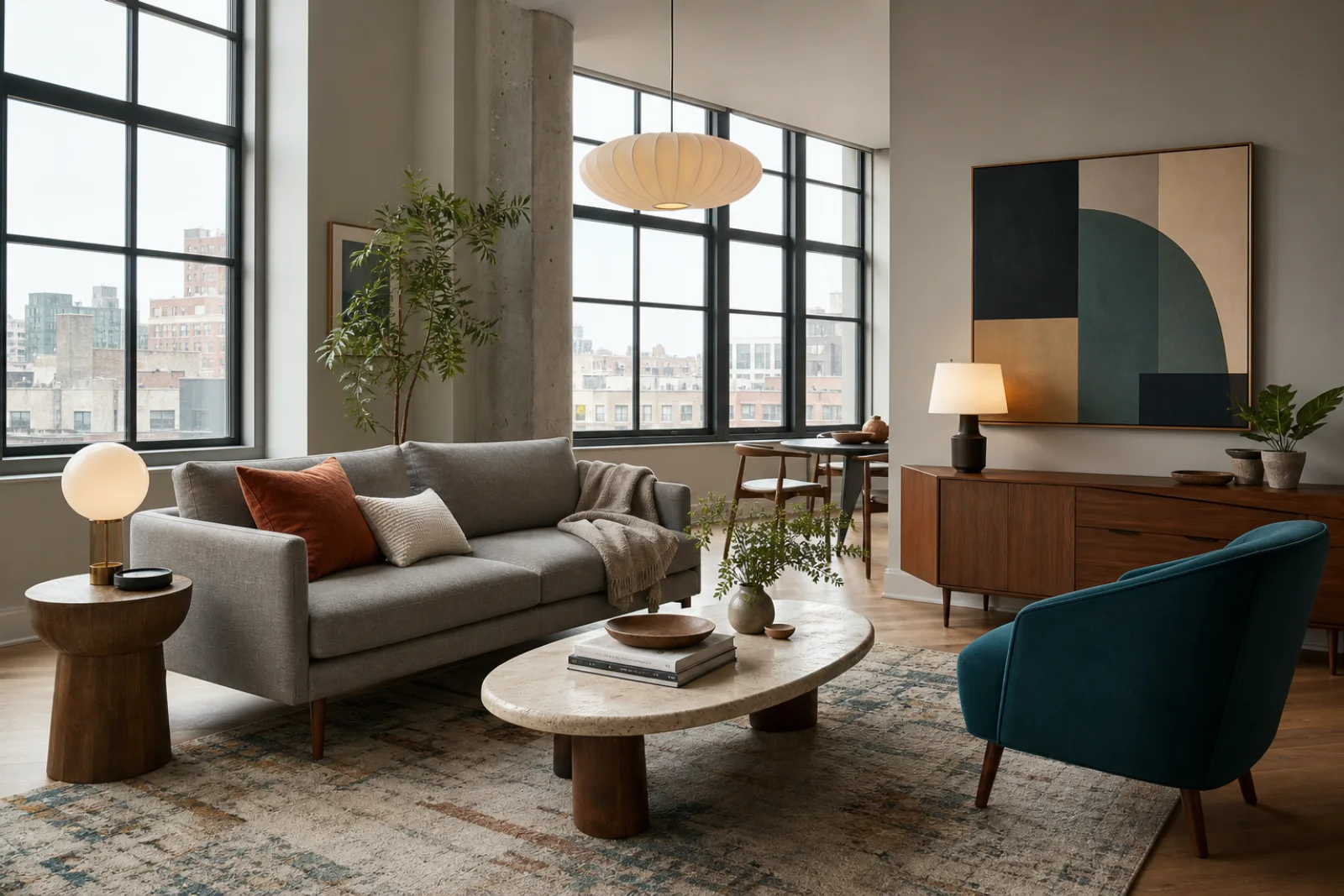
Keep the footprint lean, concentrate color in one tactile piece and let walnut, stone and opal glass supply the warmth.
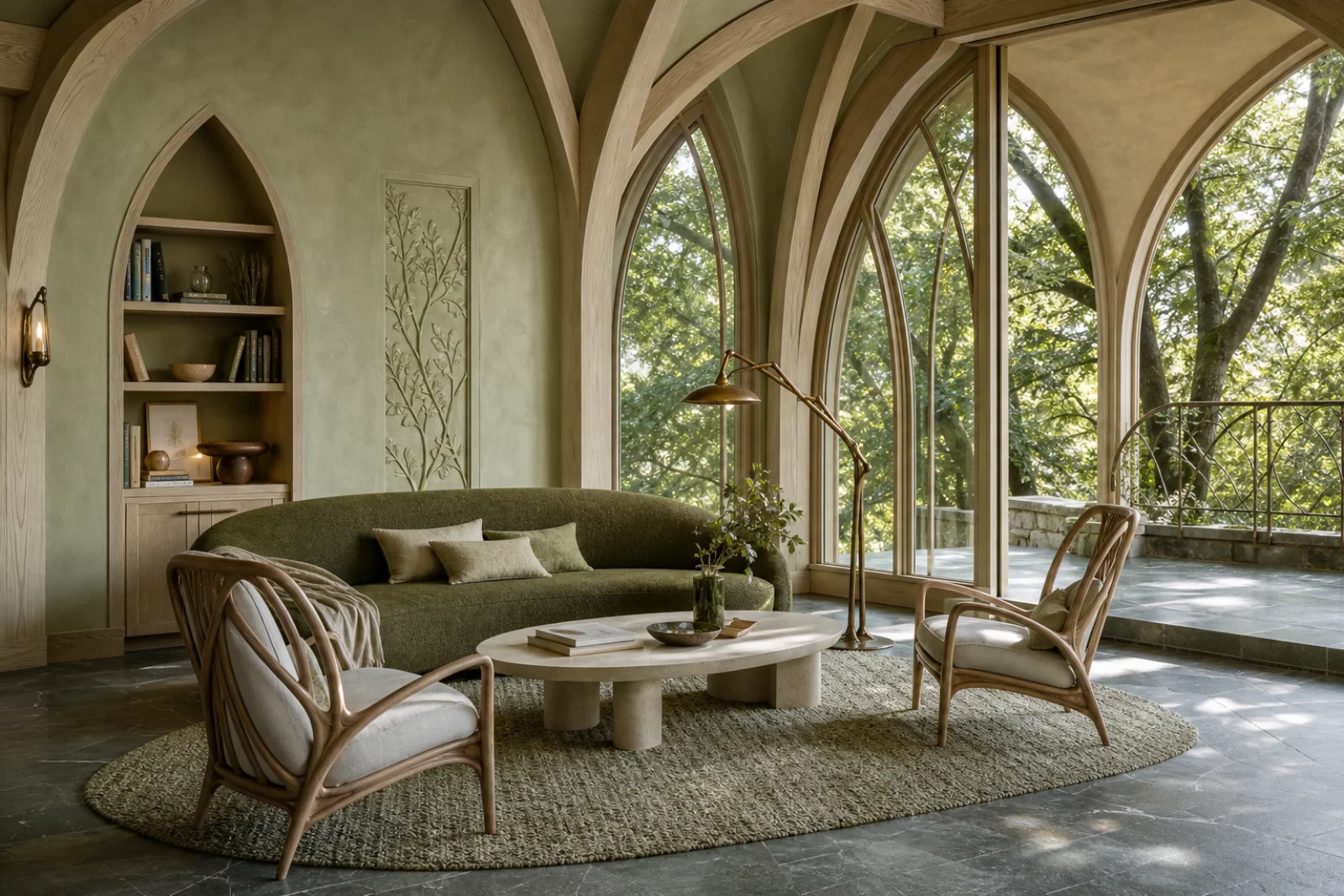
Abstract the woodland into arches, grain, filtered light and quiet bronze detail—never into a room full of borrowed fantasy props.