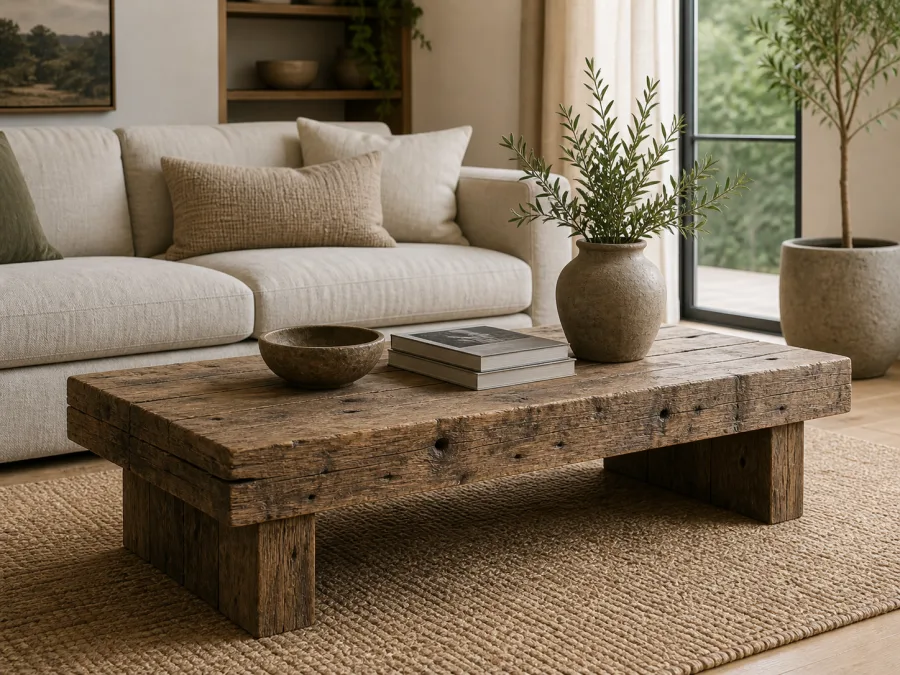
Reclaimed wood table
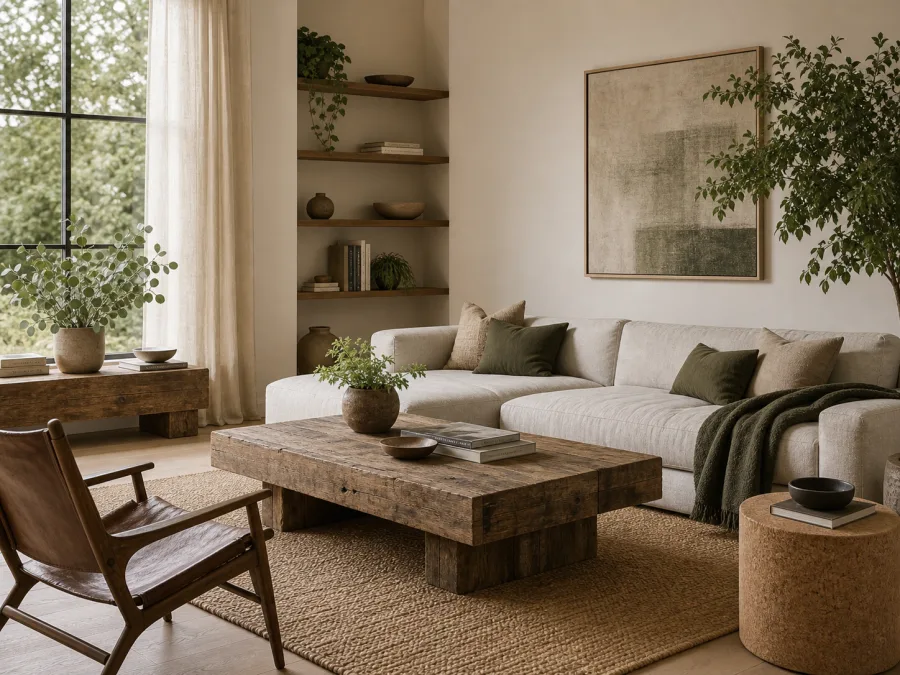
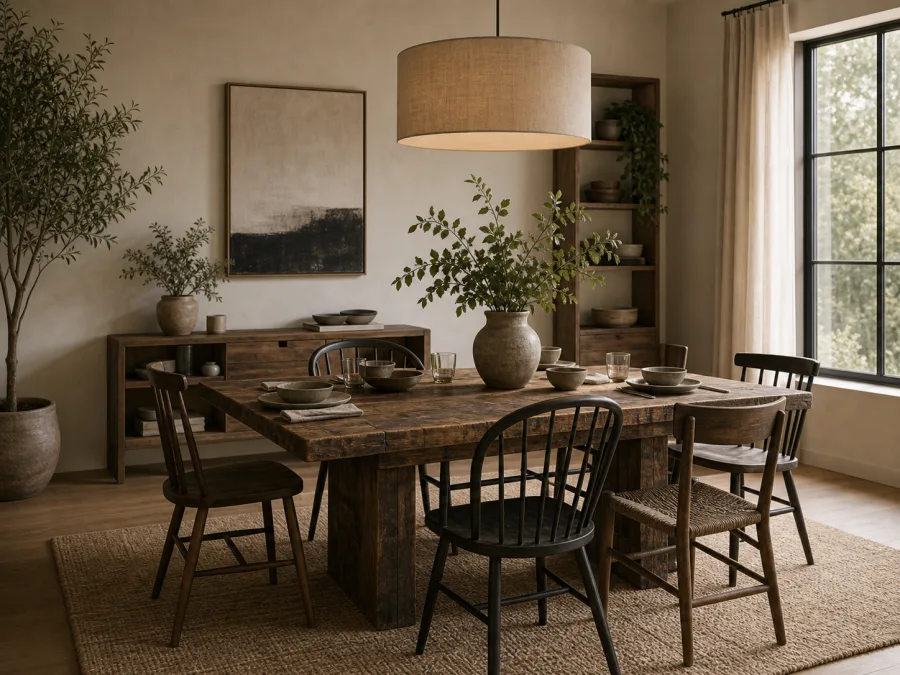
A reused wood table adds character without requiring new raw material.
Earth-conscious rooms built around durable furniture, reclaimed materials, healthy finishes and natural texture that feels refined rather than temporary.
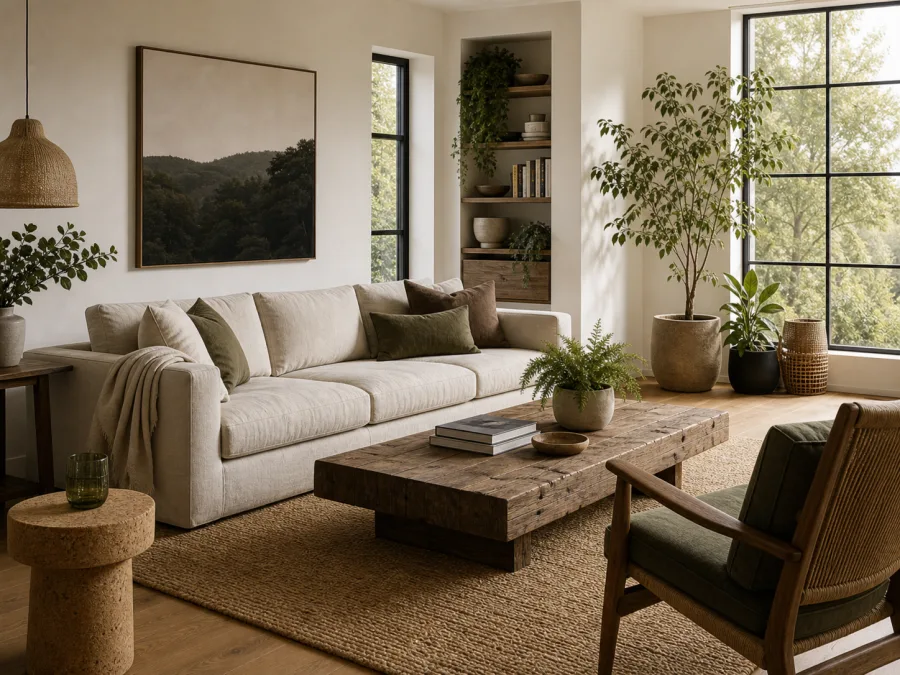
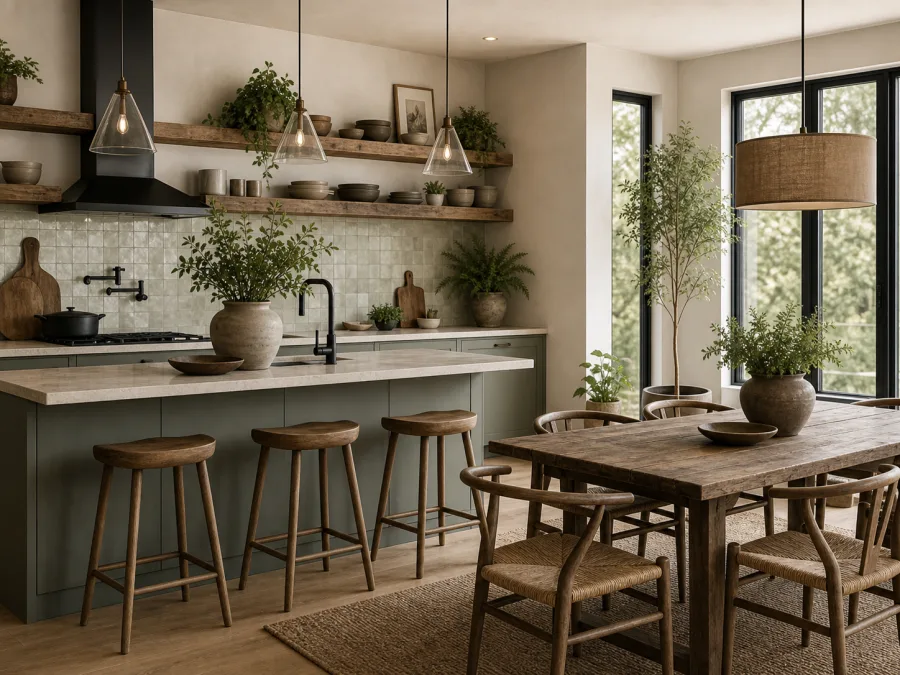
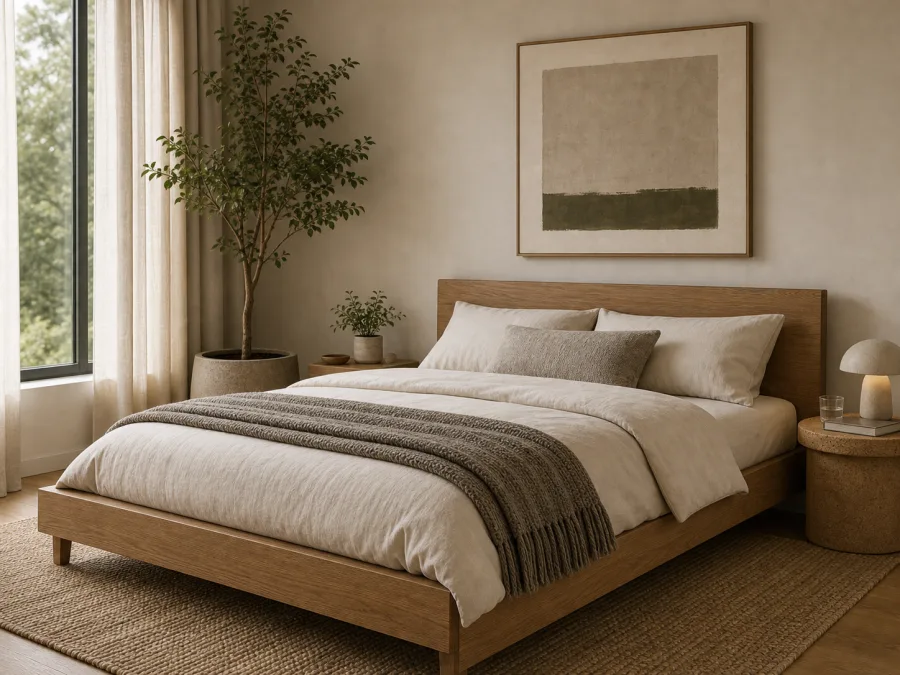
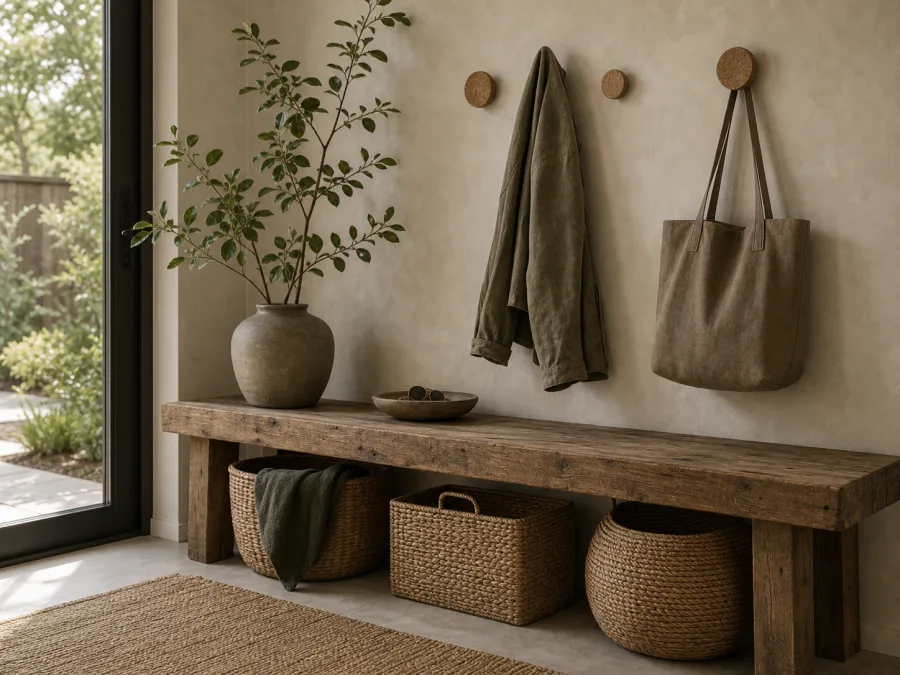
Sustainable interior design is not only a visual style. It is a way of choosing rooms around durability, lower-impact materials, healthier finishes, repairable furniture and pieces that will stay useful for years.
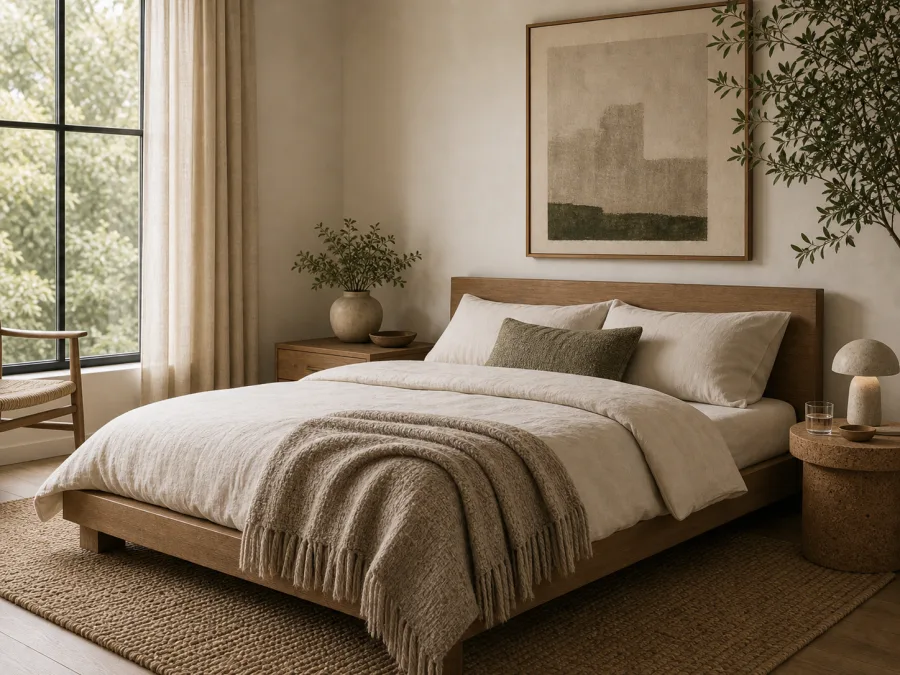
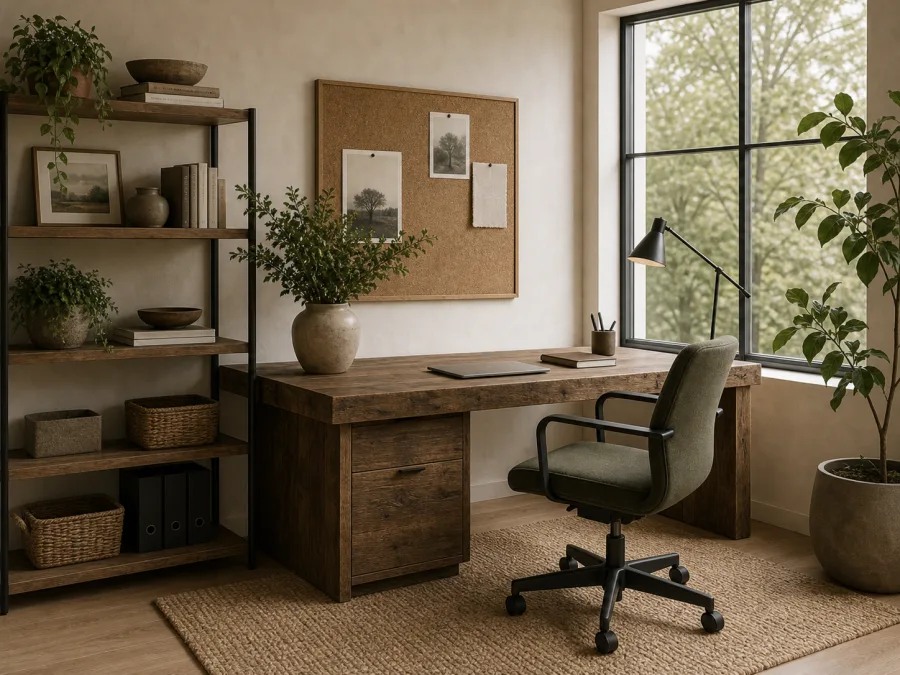
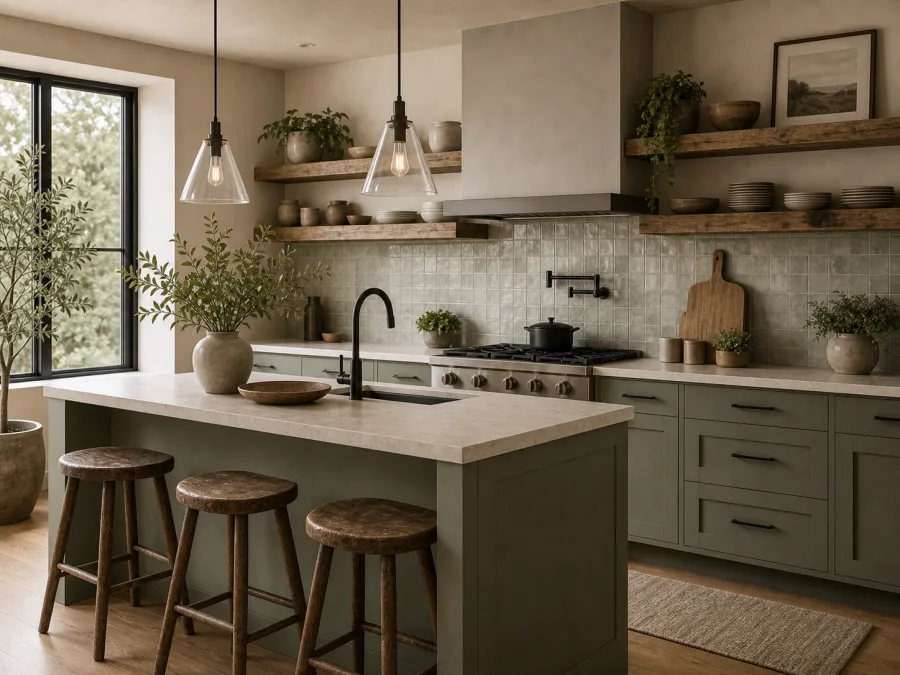
A sustainable room can still feel beautiful and polished. The strongest versions use reclaimed wood, cork, linen, wool, jute, recycled glass, vintage furniture and low-VOC finishes without turning the space into a themed eco display.
The most sustainable piece is often the one you will keep, repair and still like in ten years.
Look for reclaimed, renewable, recycled, certified or low-emission materials rather than vague green claims.
Vintage, refurbished and locally made pieces reduce waste while adding character.
Solid wood, replaceable covers, repairable frames and timeless shapes matter more than fast seasonal decor.
Low-VOC paint, natural fibers and breathable materials help the room feel better to live in.
Reclaimed wood, cork, jute, linen, wool and recycled glass create texture with a lower material footprint.
Plants, ceramics and woven objects work best when they support the room rather than becoming eco-themed decoration.
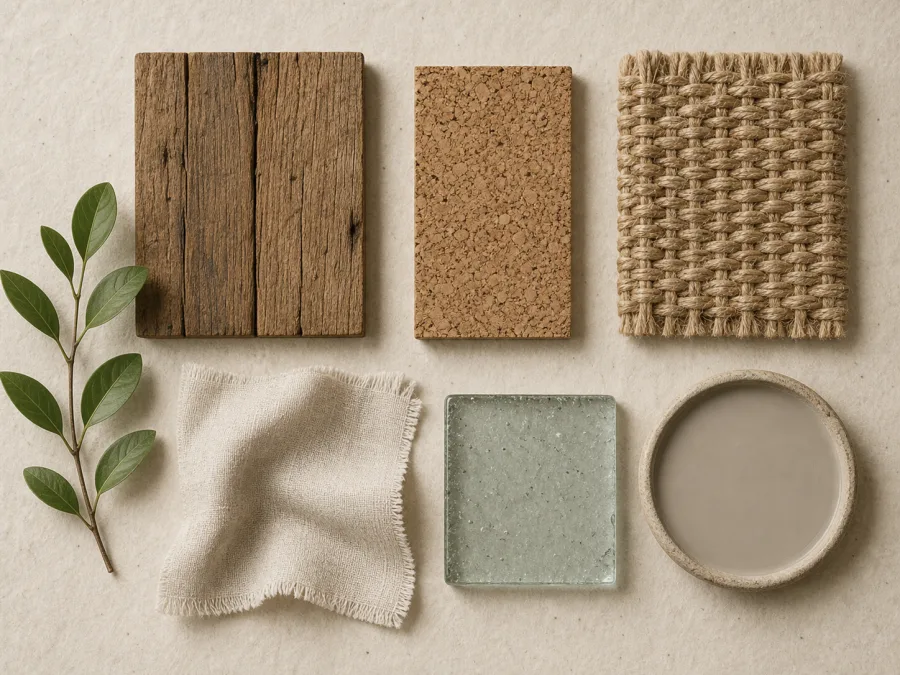
Sustainable interiors usually feel best when the palette comes from material color: oat linen, reclaimed wood, cork, sage, clay and soft mineral neutrals. The goal is calm and durable, not overtly green.
A calm base for walls, linen, wool and large upholstery.
A natural accent for cabinets, textiles, art or plants without feeling too bright.
Use in ceramics, tile or textiles for earth warmth.
A renewable material tone that works in stools, panels and accessories.
Adds reused character through wood tables, shelves, benches and frames.
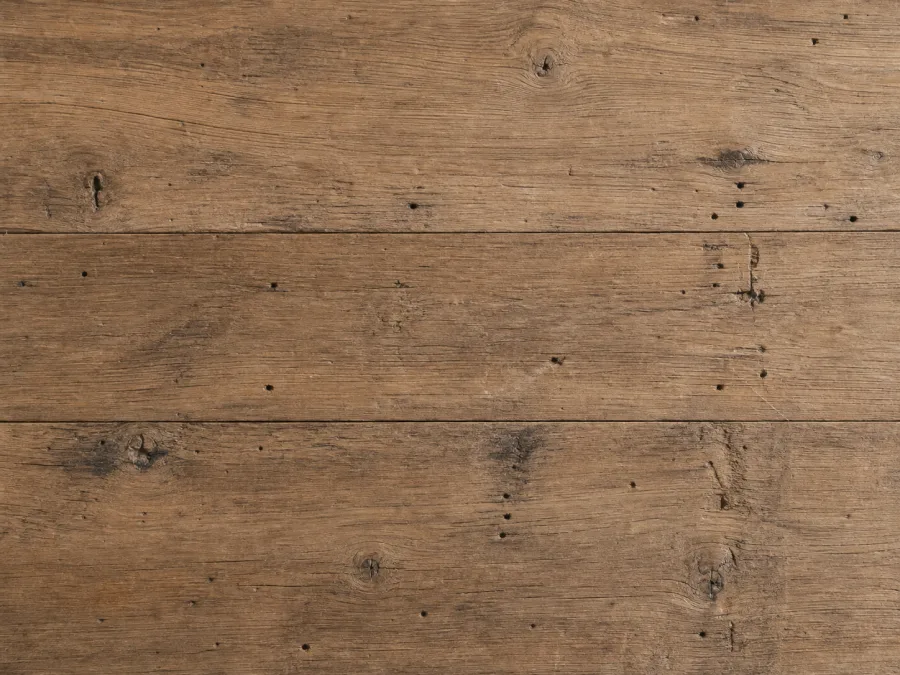
Adds character while reusing existing material. Best for tables, shelves, benches and vanities.
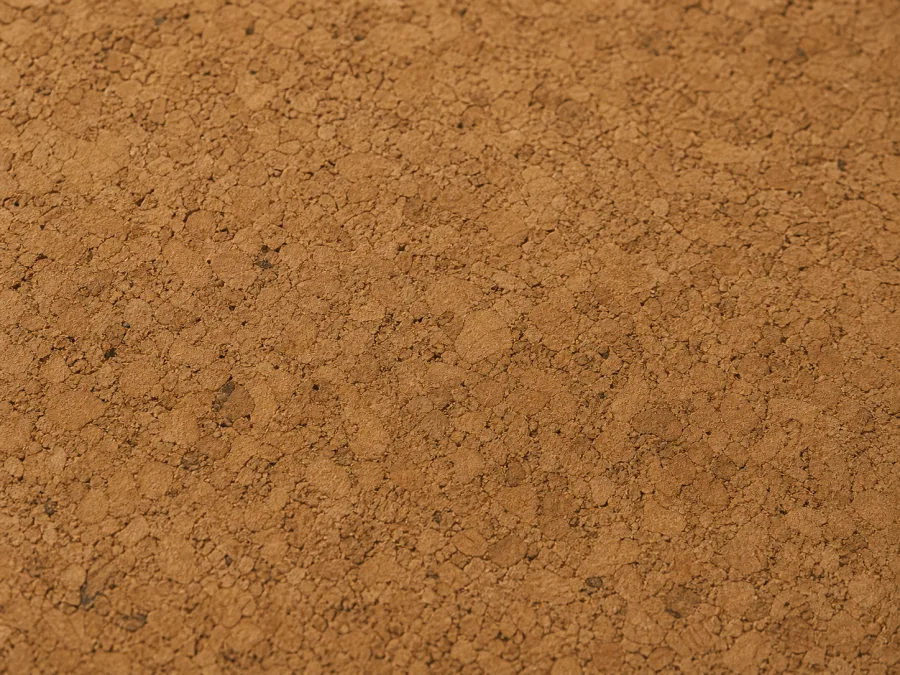
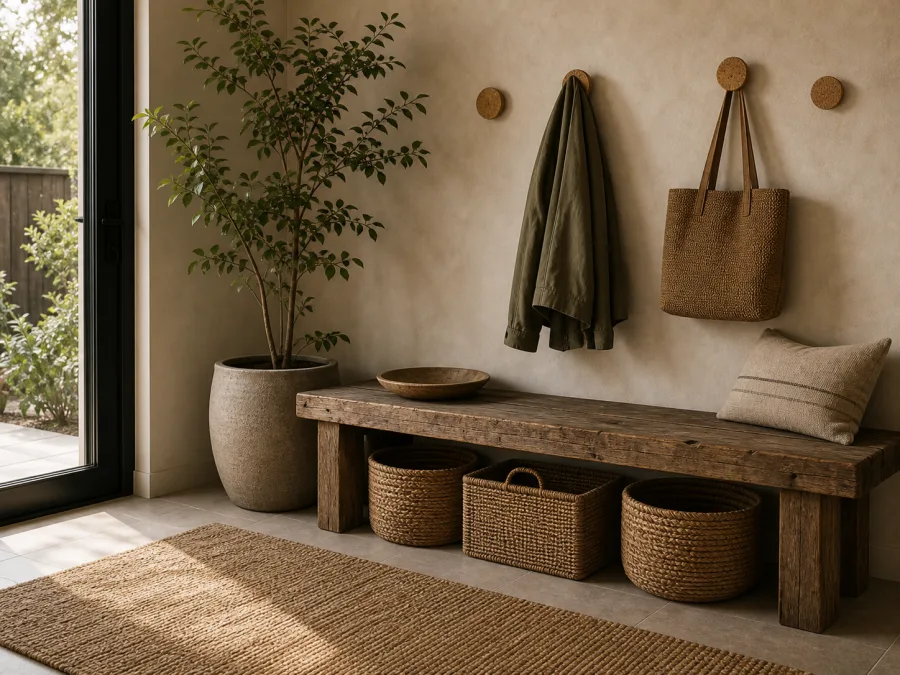
Renewable, warm and useful for stools, side tables, wall panels and pinboards.
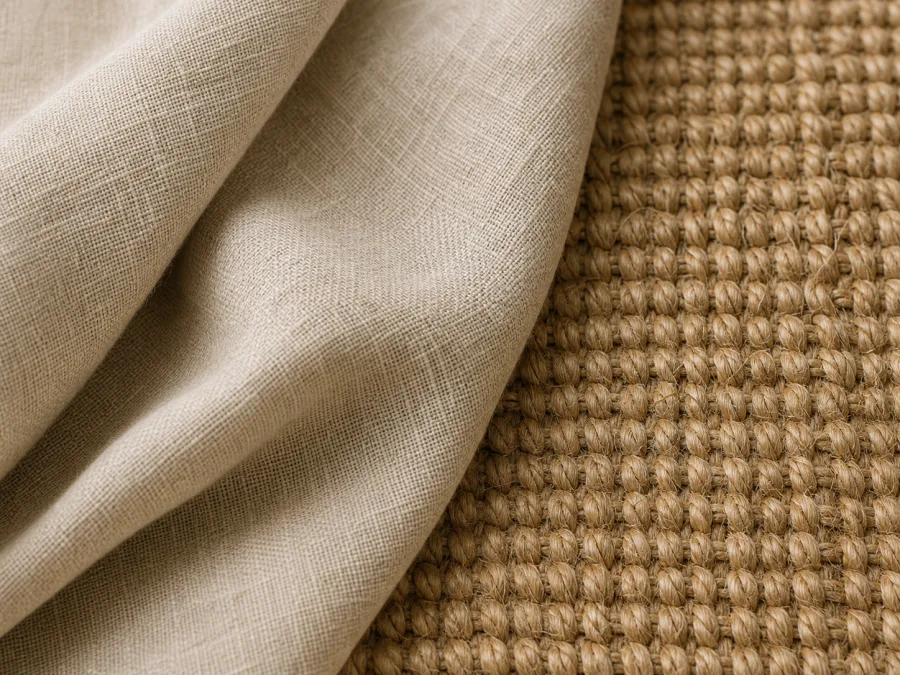
Natural fibers add softness and texture without relying on synthetic shine.
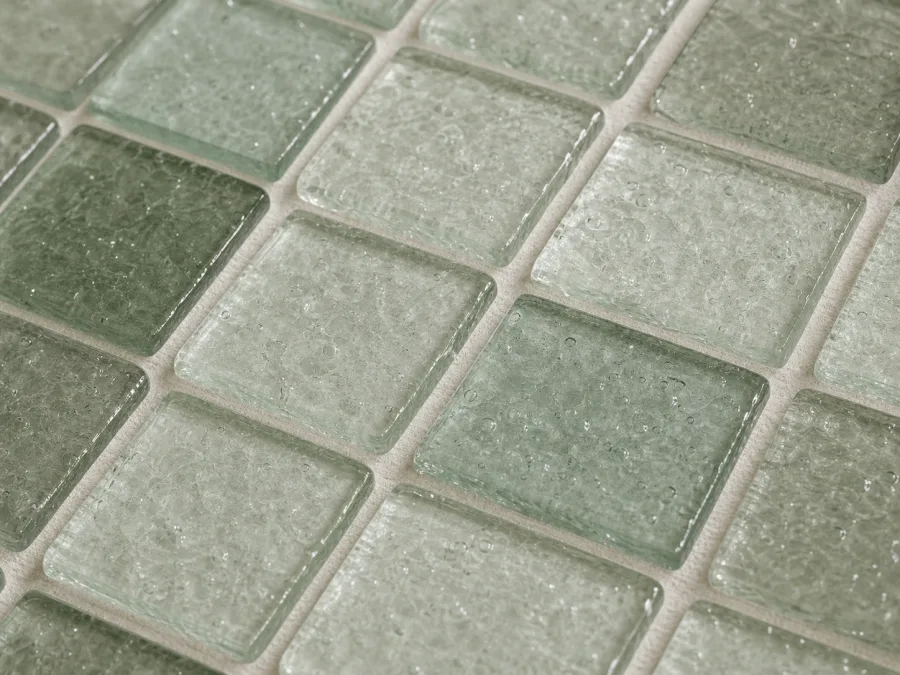
A durable recycled surface for tile, lighting and small accents.
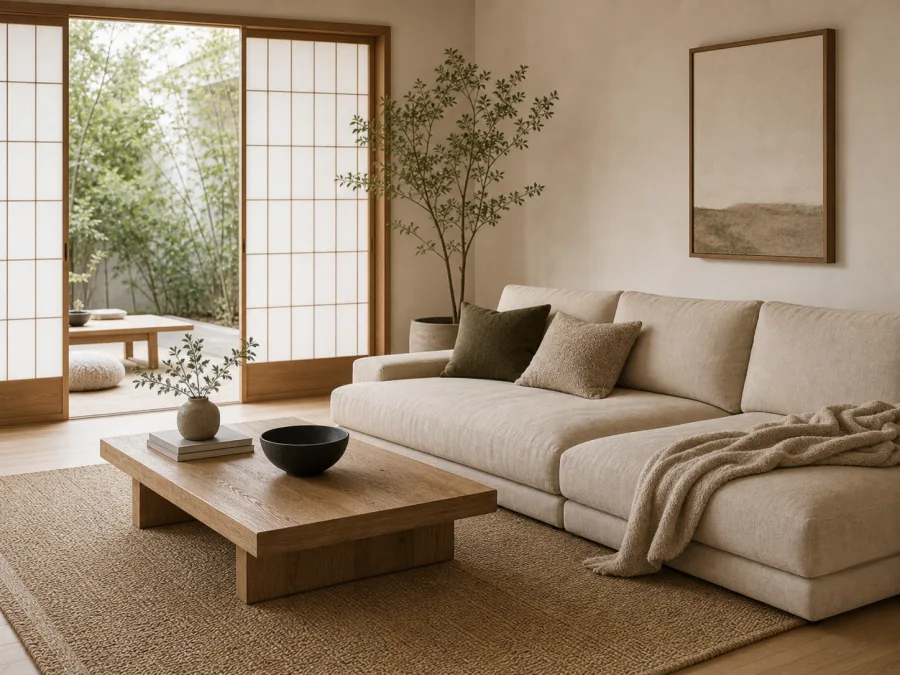
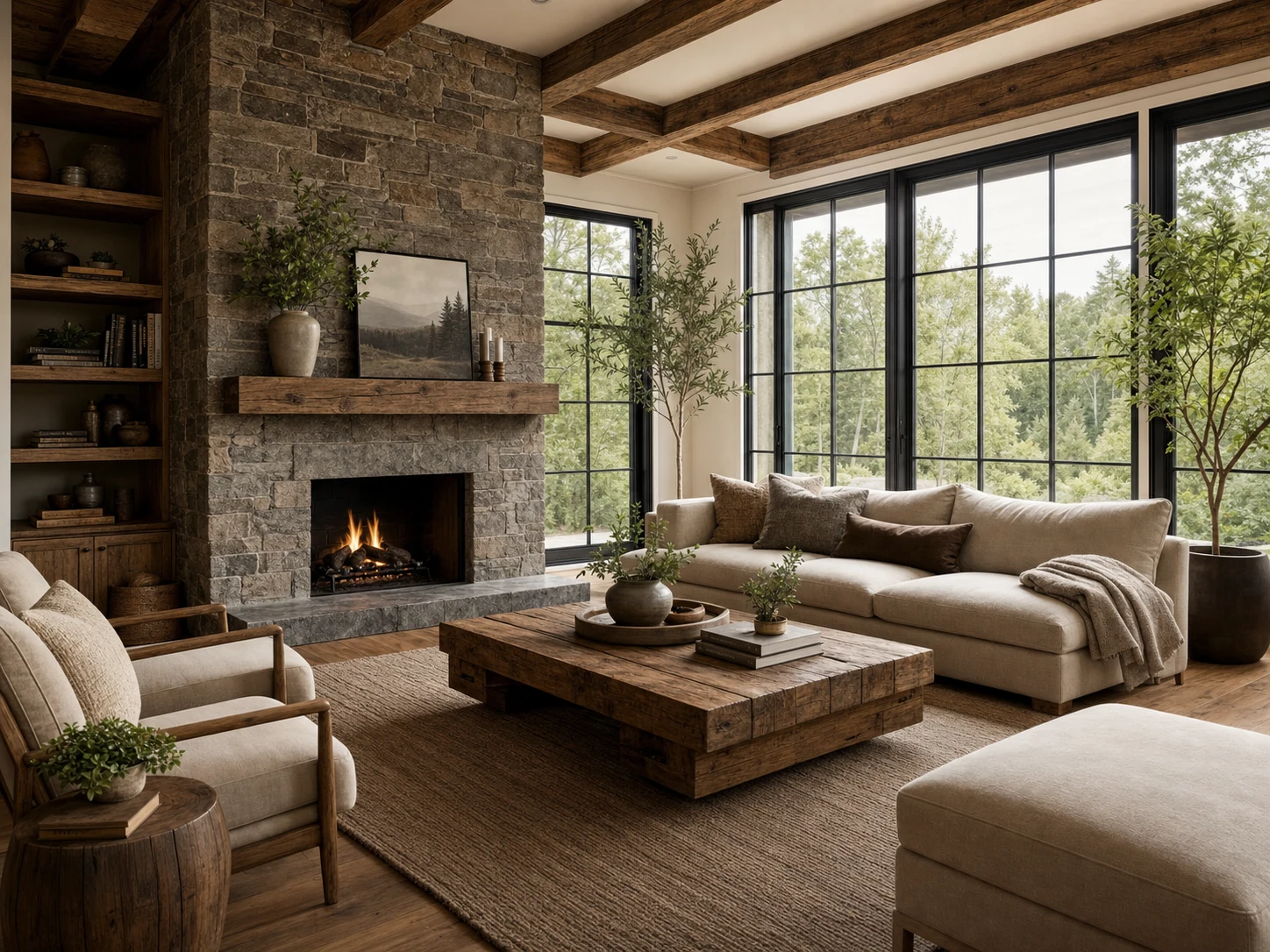
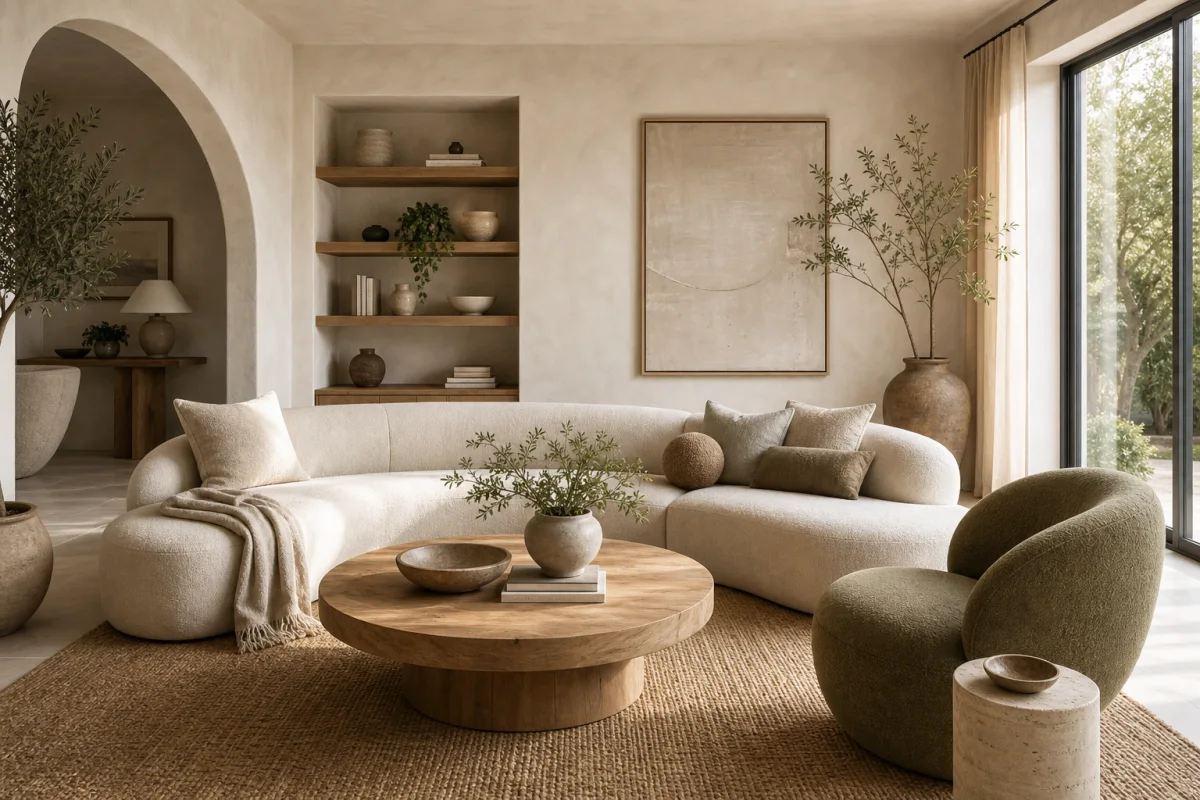
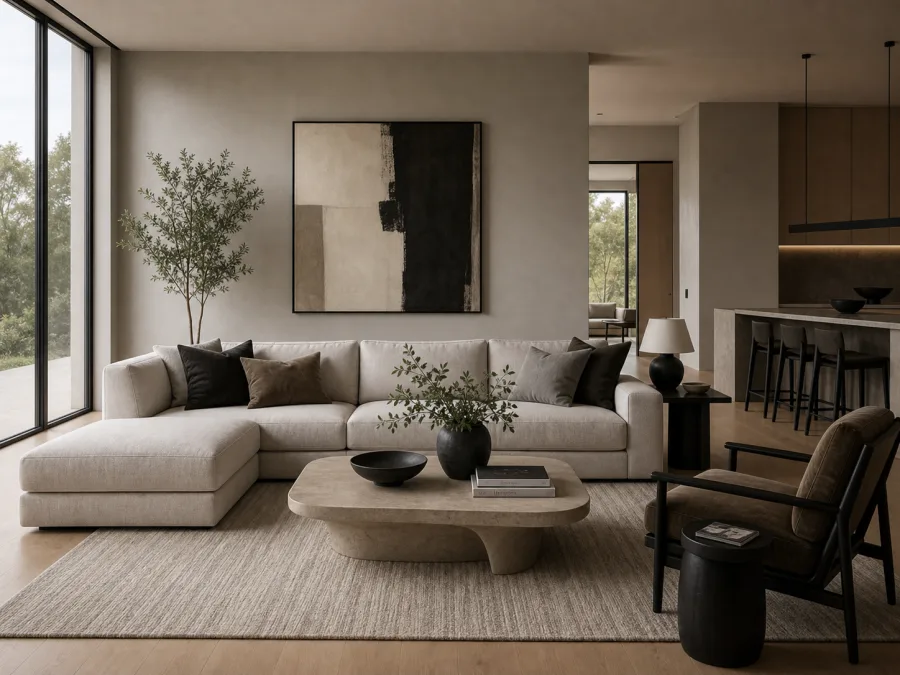
Sustainable design can overlap with many natural styles. The difference is that material choices, lifespan and sourcing are part of the design logic, not just the look.
Quieter, lower and more minimal.
Choose sustainable if material impact, reuse and healthy finishes matter as much as the visual calm.
Look for reclaimed pieces, cork, natural fibers and repairable furniture rather than only low silhouettes.
Heavier, warmer and more rugged.
Choose sustainable if you want natural texture with a lighter footprint and less rustic weight.
Use reclaimed wood carefully, then balance it with linen, cork, recycled glass and low-VOC color.
Softer, curvier and more aesthetic-led.
Choose sustainable if you want the natural look tied to durability, sourcing and long-term use.
Ask whether each piece is renewable, reused, repairable or made to last.
Cleaner, more current and more polished.
Choose sustainable if you want contemporary comfort with more natural material accountability.
Keep the clean layout, but swap disposable accents for durable, low-impact materials.
The best sustainable pieces are useful, repairable and easy to keep. Start with the objects that carry daily wear instead of small decorative buys.
A reused wood table adds character without requiring new raw material.
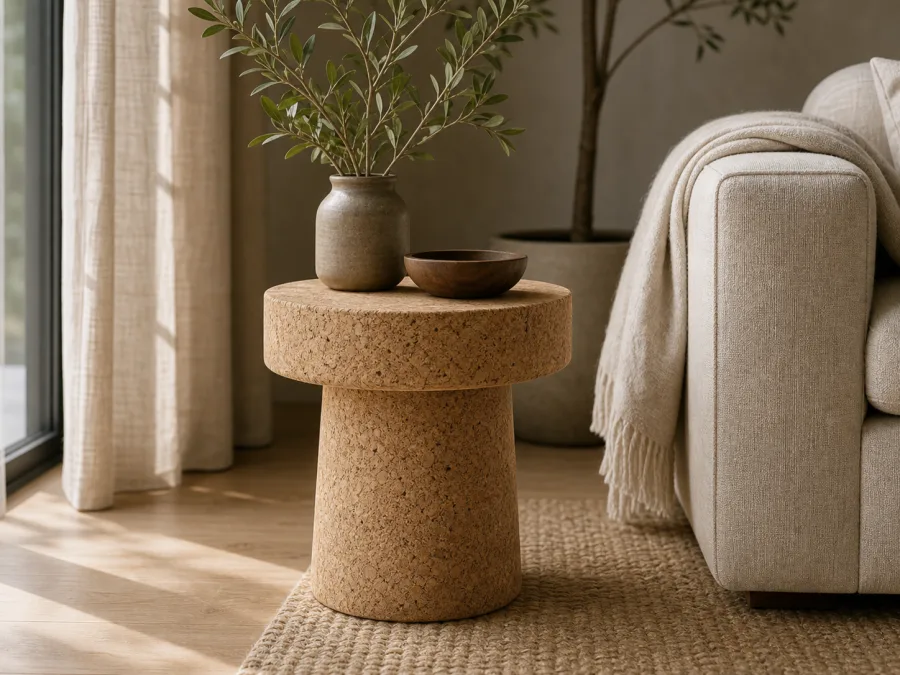
Cork is renewable, light and warm, making it useful as a stool, table or accent.
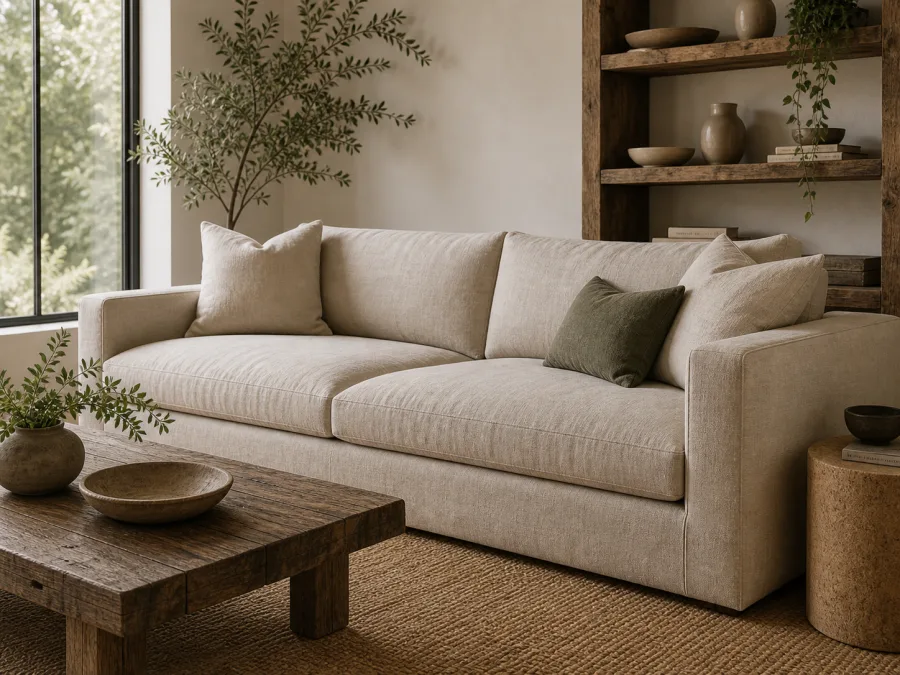
Choose durable upholstery, removable covers and a shape you will not tire of quickly.
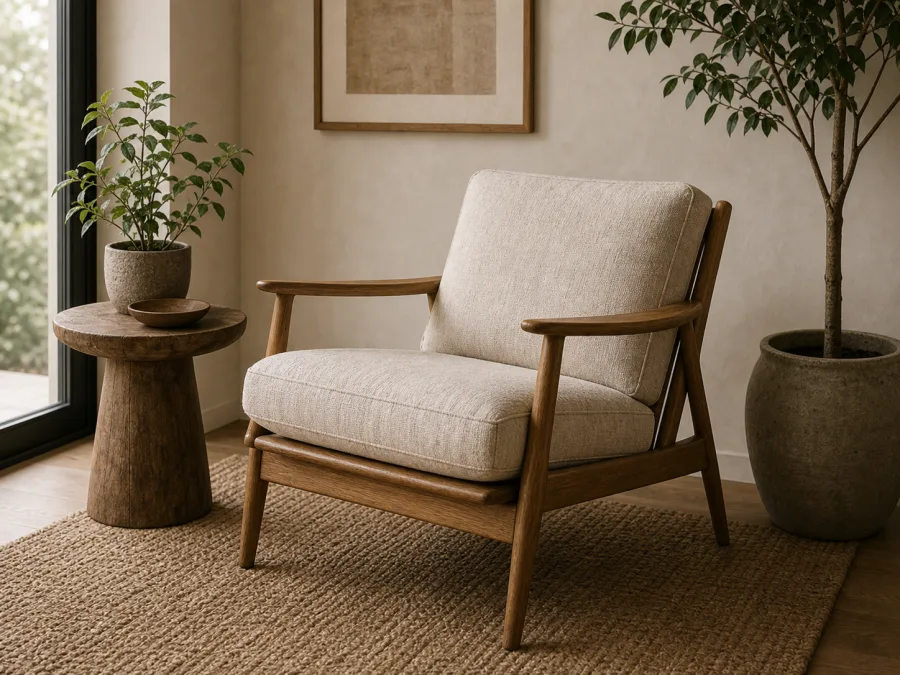
Secondhand seating can reduce waste and add personality when the frame is solid.
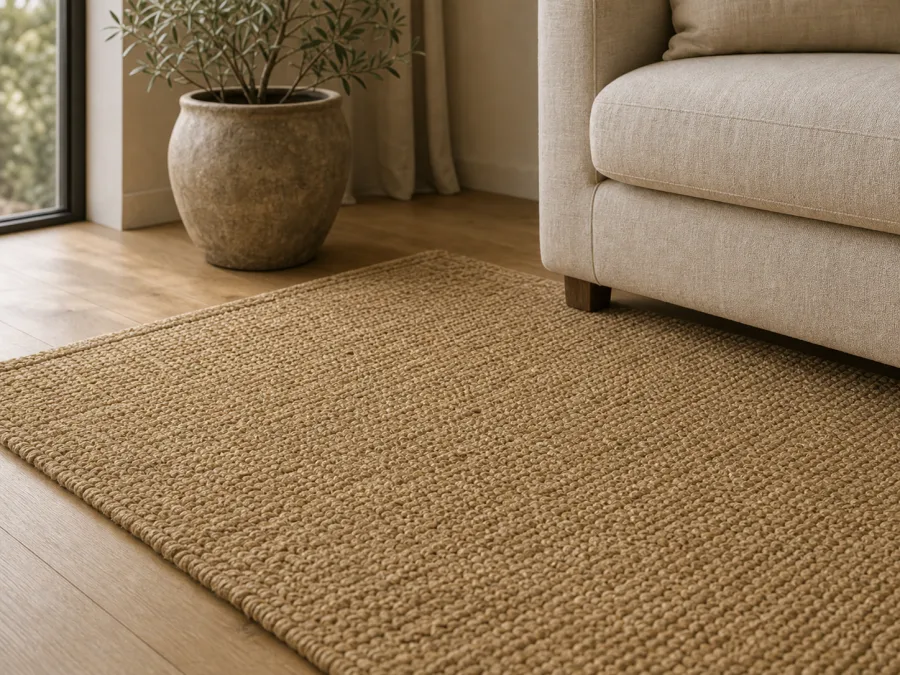
A jute rug adds biodegradable texture and works with many palettes.
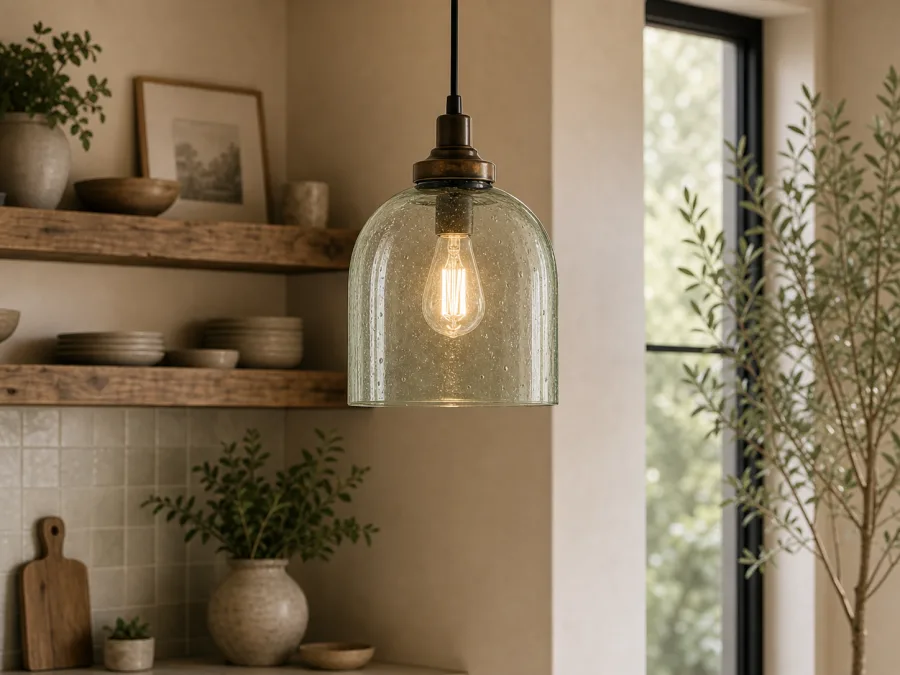
Recycled glass lighting adds a visible material story without feeling gimmicky.