01
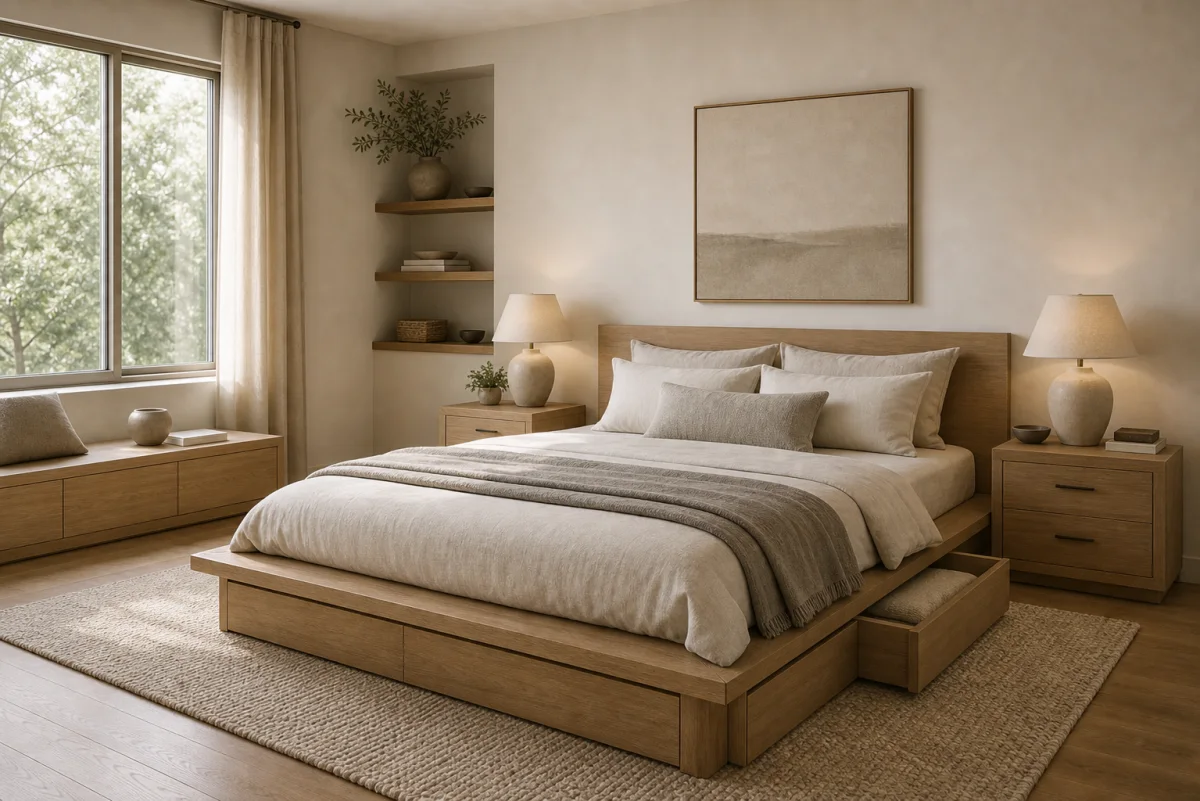
Warm minimal bedroom
Soft neutrals and clear surfaces support rest.
Ideas, layouts, colors and materials for a minimalist bedroom — plus the pieces that make the look work.
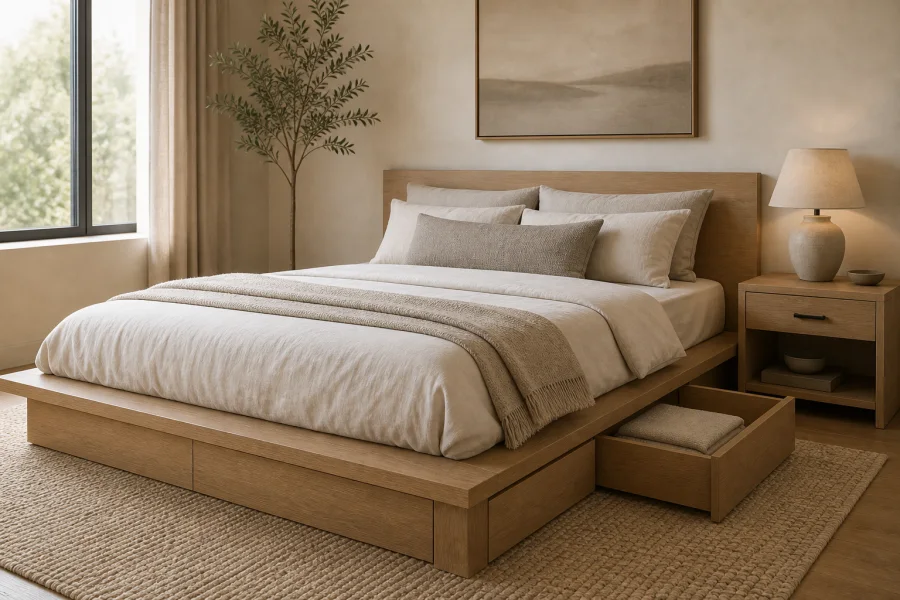
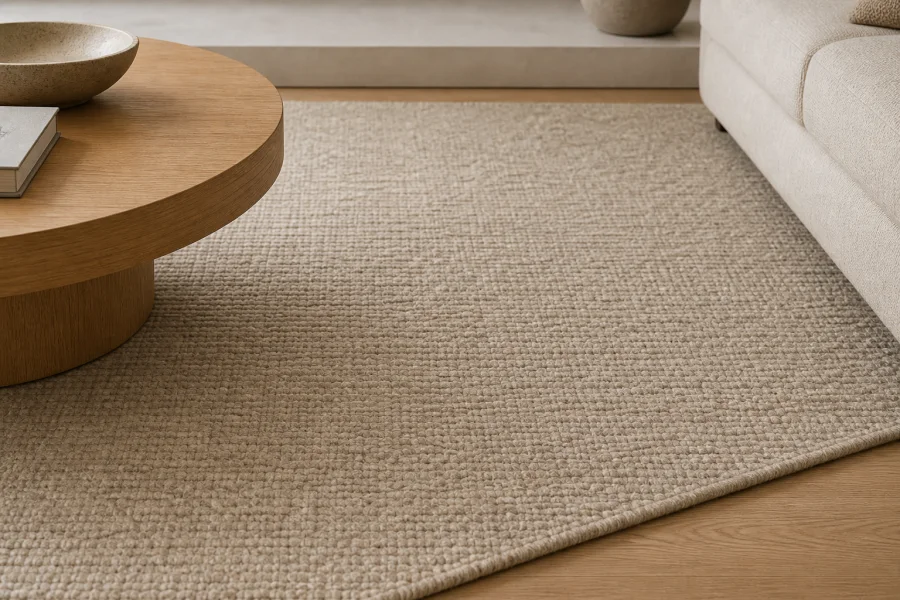
A minimalist bedroom should feel restful because visual activity is reduced. The bed, storage, lighting and textiles need to do their jobs without adding extra noise.
Warm minimalism works best here: a storage bed, clear nightstands, soft rug and warm white palette feel calmer than stark empty space.
Use these examples to choose the version of the style that fits your architecture, light and square footage.
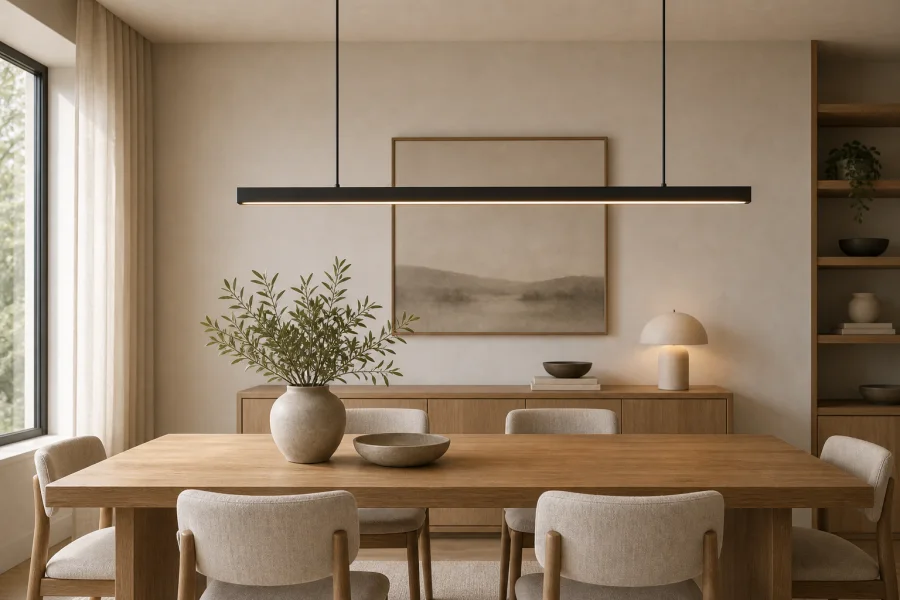
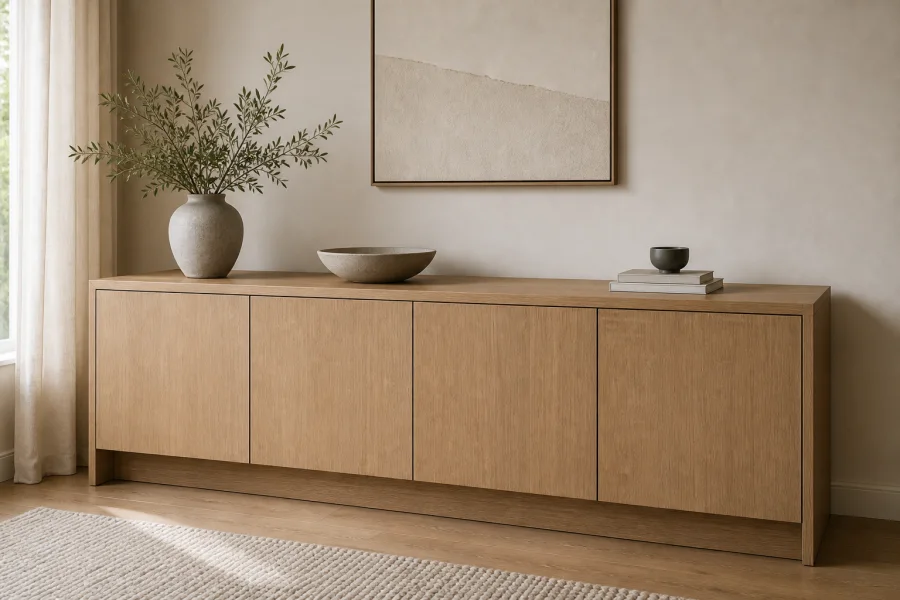
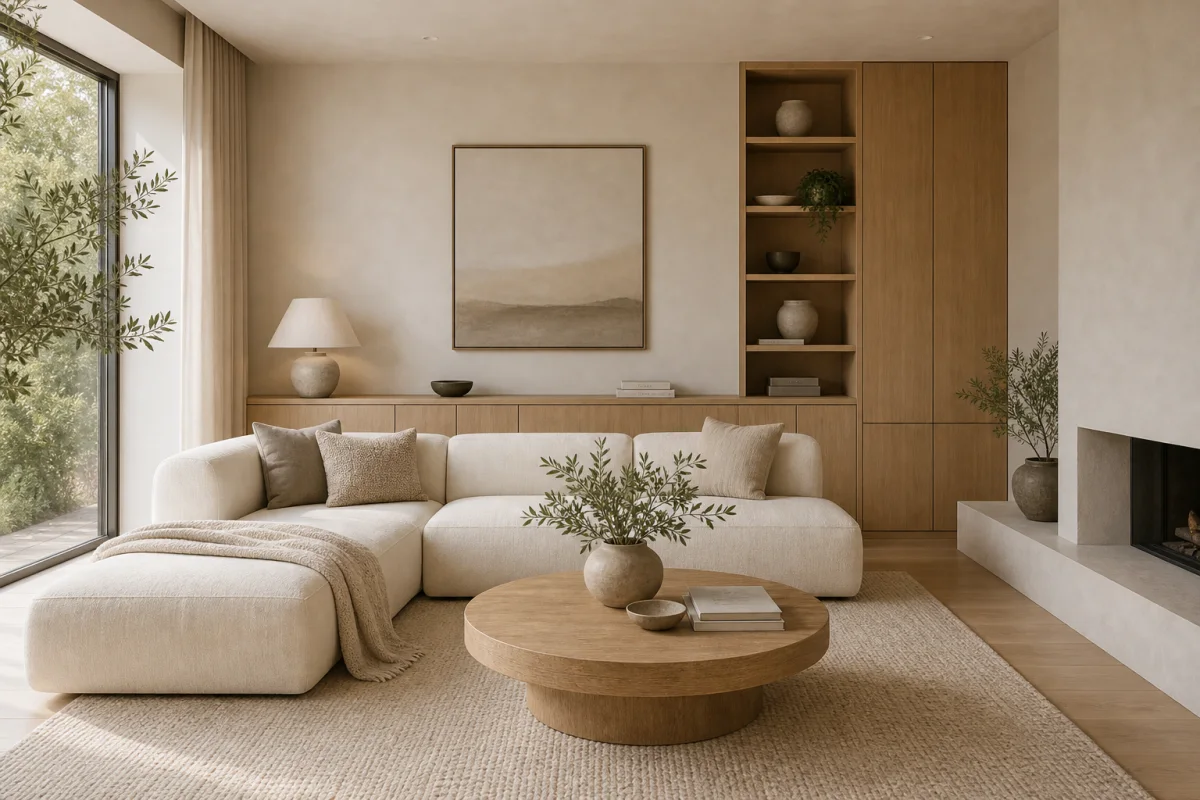
Use the style where it helps the room work: seating, circulation, focal point and material balance.
A lamp, book and small tray are usually enough.
Hidden storage helps the room stay spare without wasting space.
One artwork, texture or headboard is stronger than many small pieces.
Minimal bedrooms need bedding, rug and curtains to avoid feeling hard.
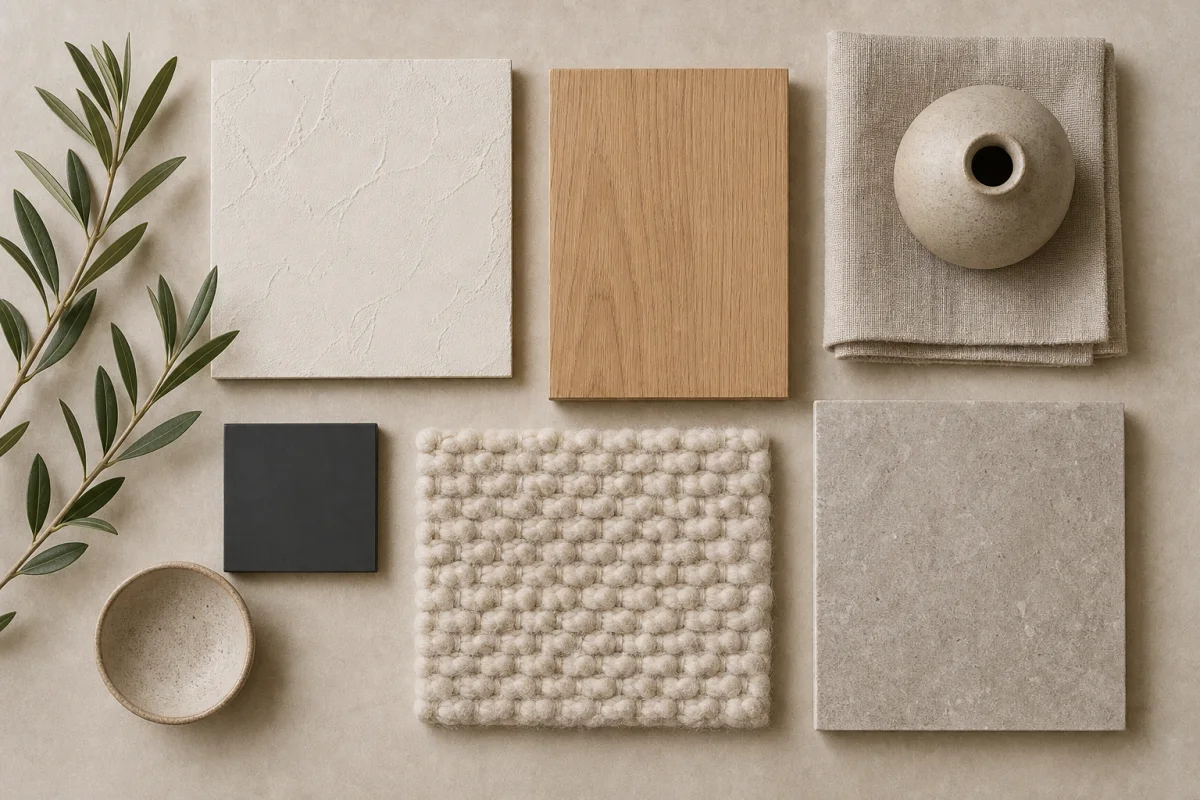
A minimalist palette works best when it reduces visual decisions without removing warmth. Choose one light base, one wood tone, one textile neutral and a small amount of contrast.
Use for walls and ceilings so the room feels bright without becoming clinical.
Softens upholstery, rugs and bedding while staying neutral.
Adds warmth through floors, storage, tables and shelving.
A quiet bridge between white, wood and darker accents.
Use sparingly for frames, lighting or hardware, not as the dominant color.
Warm white, oatmeal and mushroom are restful and flexible.
Pale oak works for bed frames and storage.
Cotton, linen and wool provide most visible texture.
Use charcoal sparingly in lighting or frames.
For this room, a few strong choices can carry the style better than adding more decor.
Adds function without adding another furniture piece.
Softens the floor and keeps the palette quiet.
Useful bedside light with little visual weight.
Keeps clothes and daily objects hidden.
Use these checks to keep the minimalist character clear without compromising how the bedroom works.
A bedroom can be minimal and still need warmth.
Plan storage before reducing furniture.
Use warm low lighting, not only overhead light.