Rooms / Bedroom
Room gallery

Bedroom Interior Design

Calm, restful bedroom ideas by style, palette, layout and storage.
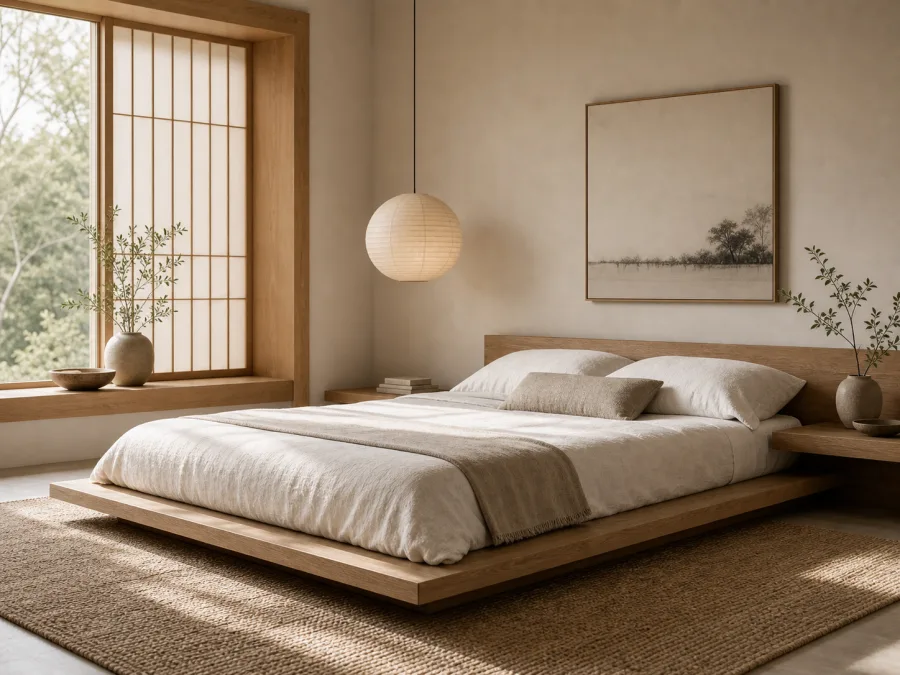
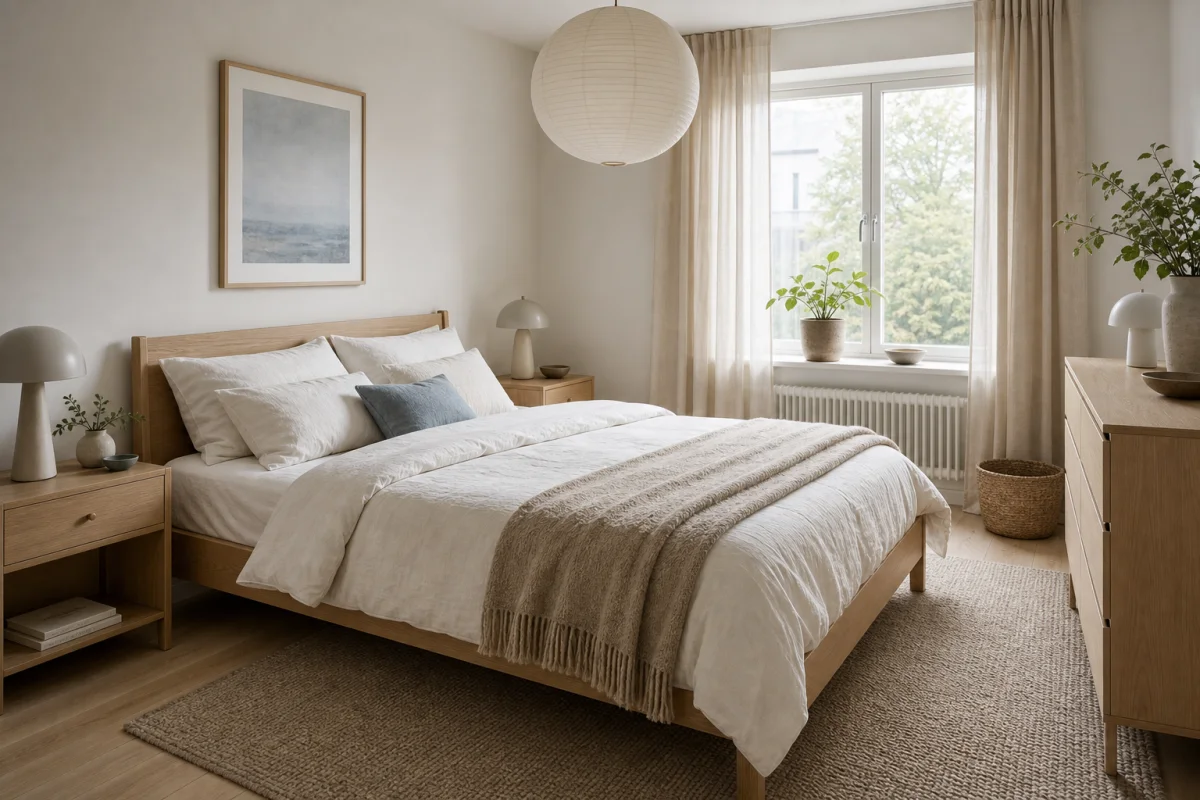
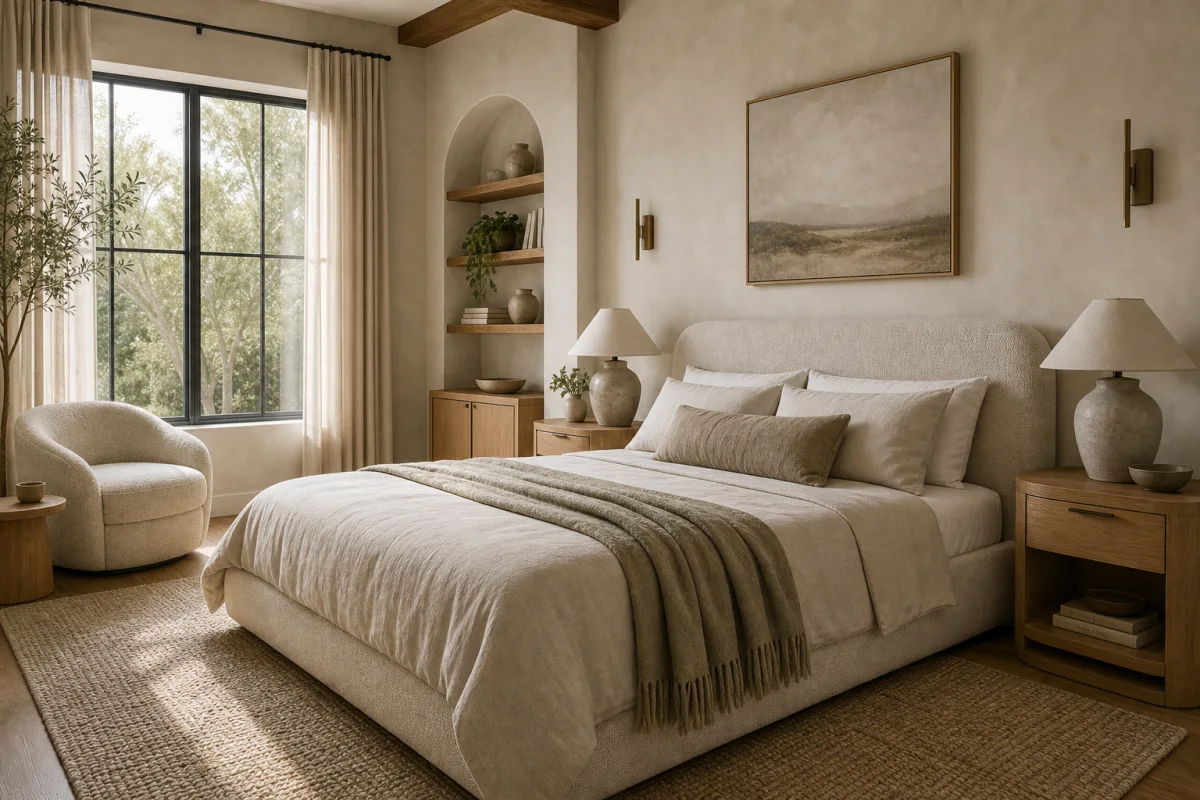
Japandi bedroom
Scandinavian bedroom
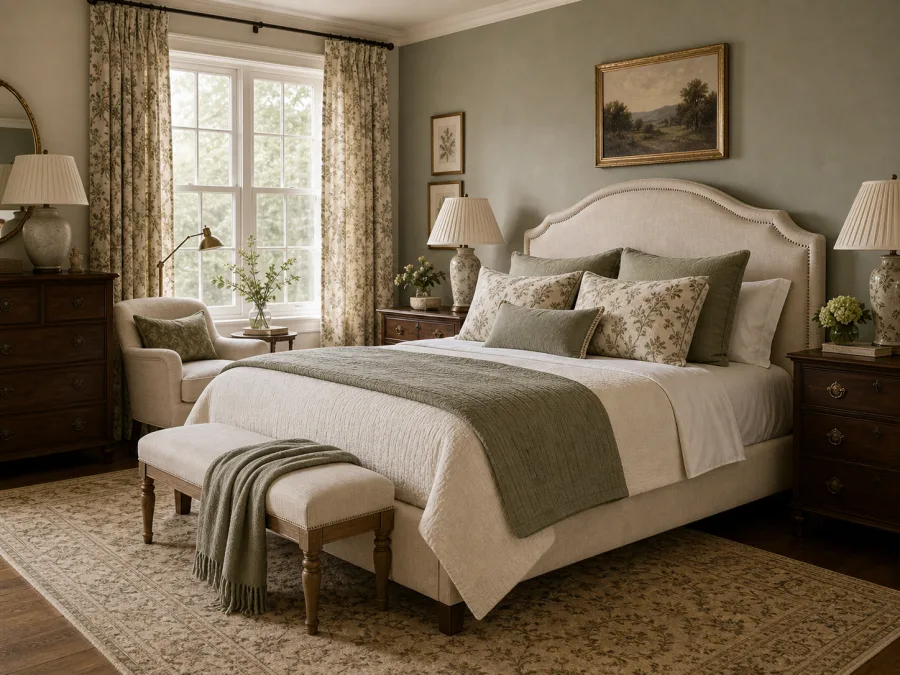
Traditional bedroom
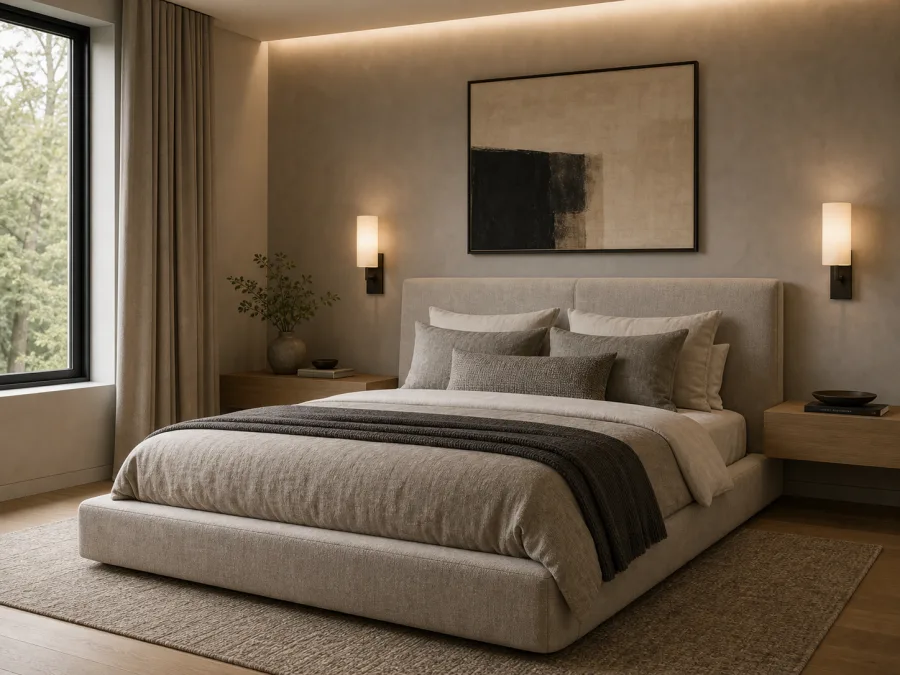
Minimalist bedroom
Feng shui bedroom
Organic modern bedroom
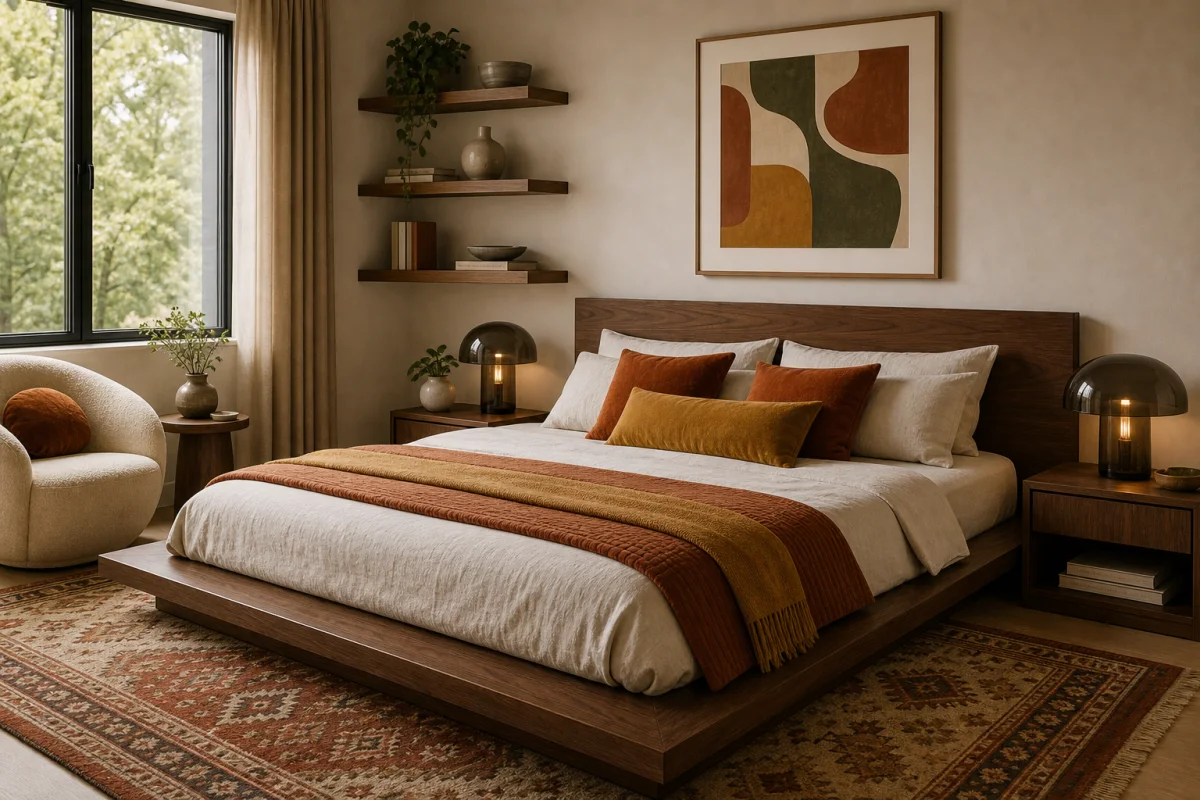
70s bedroom
Contemporary bedroom
Japandi bedroom
01 / 08
Narrow the gallery
JapandiWarm neutralBed centered

Bedroom ideas by style

How to choose a bedroom style

Put the bed on the strongest wall

Anchor the room with the bed on the longest uninterrupted wall, ideally with a view of the door but not directly in line with it.

Layer light in three levels

A ceiling source for the room, bedside lamps for reading, and one low warm light for the evening. A single overhead fixture flattens everything.

Keep the palette quiet

Bedrooms read best at low contrast: one base neutral, one warm wood tone and a single deeper accent. Save the drama for other rooms.

Plan storage before decor

Decide where clothes, books and spare bedding live first. Visible clutter undoes a calm bedroom faster than any color choice.

Layouts for common bedrooms

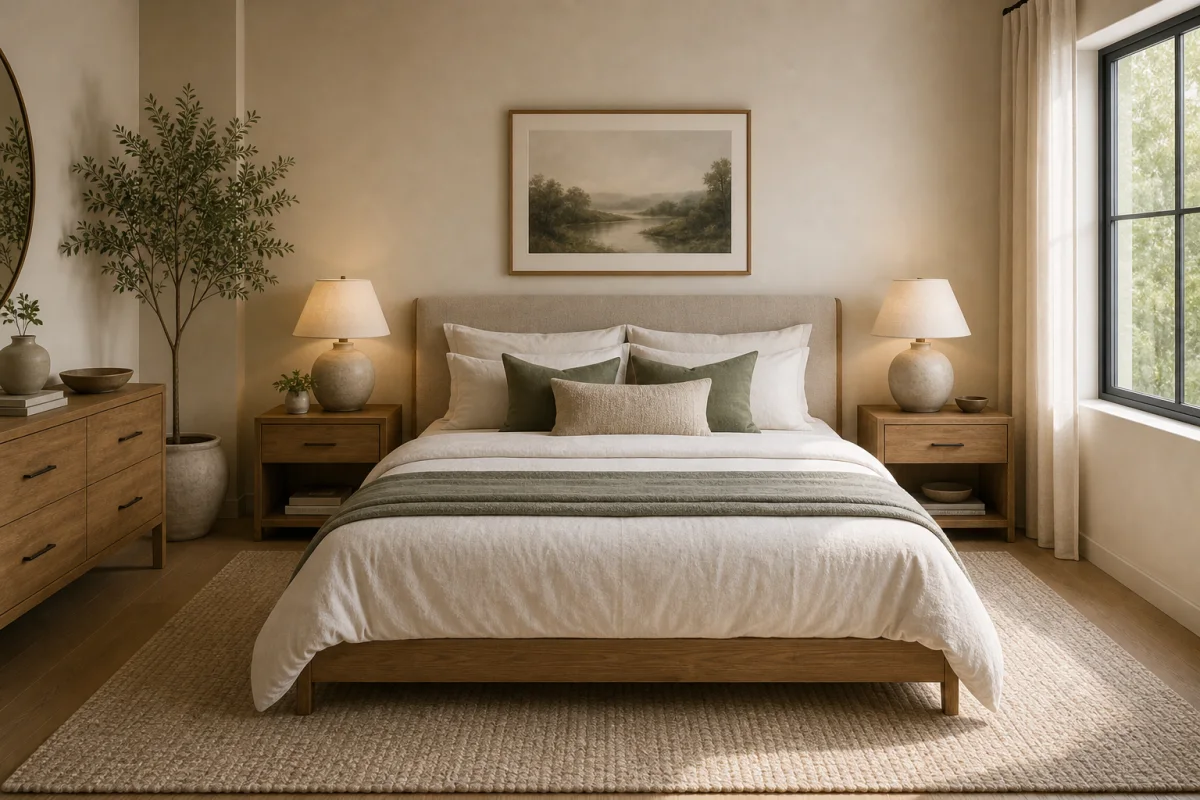
Bed centered

Center the bed on the main wall with matching nightstands. Symmetry reads as calm and keeps circulation equal on both sides.

Bed in a corner

In a small or awkward room, push the bed into a corner to free one clear walking path and a wall for storage.

Small bedroom

Use a smaller frame, wall-mounted lights instead of nightstands, and vertical storage so the floor stays clear.

Bedroom with a reading nook

If the room allows, give the spare corner a chair and a lamp. It makes a bedroom feel like a room, not just a bed.

Bedroom color palettes

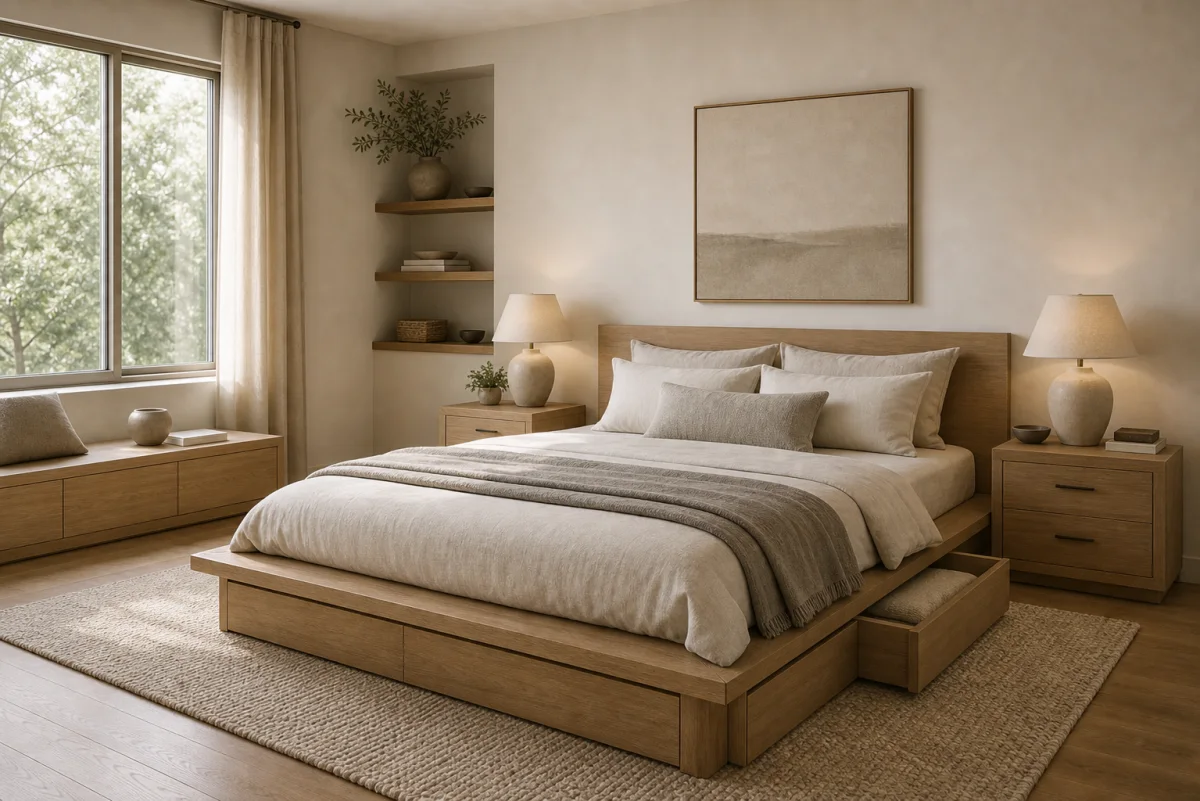
Warm Neutral

Oat, greige and soft white with pale wood for a bedroom that stays calm in any light.

Sage and Linen

Muted green with natural linen and warm wood for a restful, grounded room.

Charcoal and Oat

A darker bedroom that still feels soft: deep walls balanced with pale bedding and wood.
Bedroom design questions

What is the best color for a bedroom?
Warm, low-contrast neutrals work most reliably: warm white, oat, greige, soft taupe and muted green. The specific hue matters less than keeping the values close together, which is what makes a room feel restful rather than busy.
Where should the bed go?
On the longest uninterrupted wall, with space to walk on both sides if the room allows. Many people prefer to see the door from the bed without being directly in line with it. Avoid placing the headboard under a window if you can, since it costs you both light and insulation.
How do I make a small bedroom feel bigger?
Keep wall, bedding and floor values close so the eye is not broken up by contrast. Mount lights on the wall instead of using nightstands, choose a frame with visible legs, and use one tall storage piece rather than several low ones.
How many light sources does a bedroom need?
At least three: something overhead or ambient, a pair of reading lights at the bed, and one low warm light for the evening. Put the bedside lights on their own switch so you can drop the room to a low level without crossing the floor.

Explore more rooms