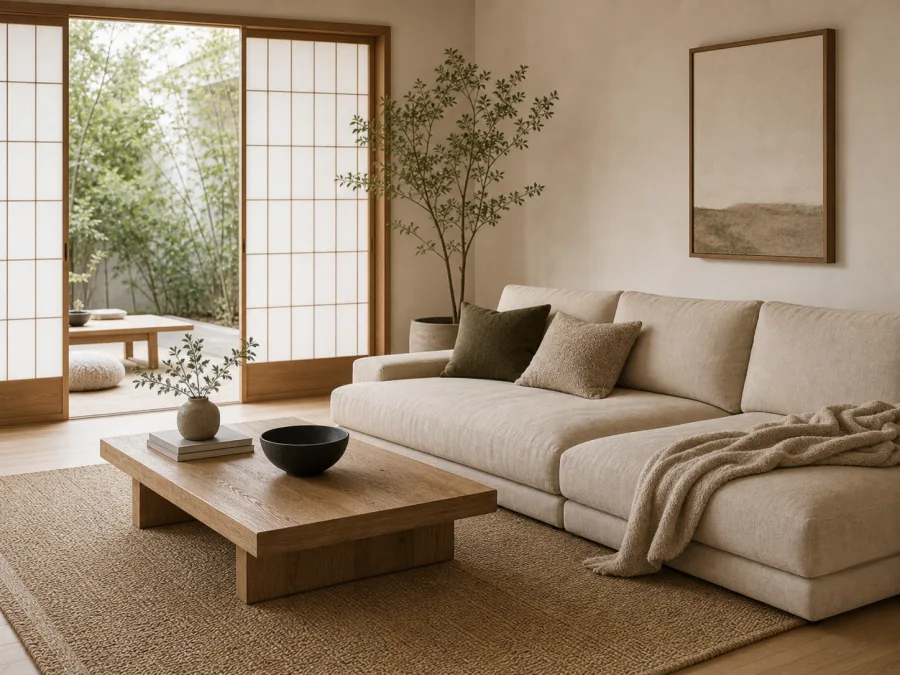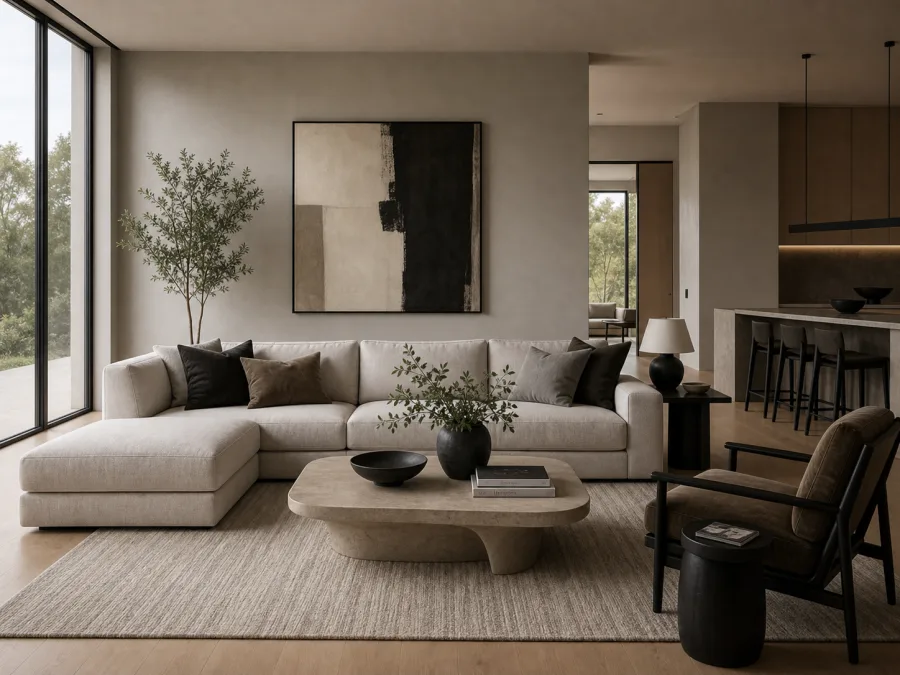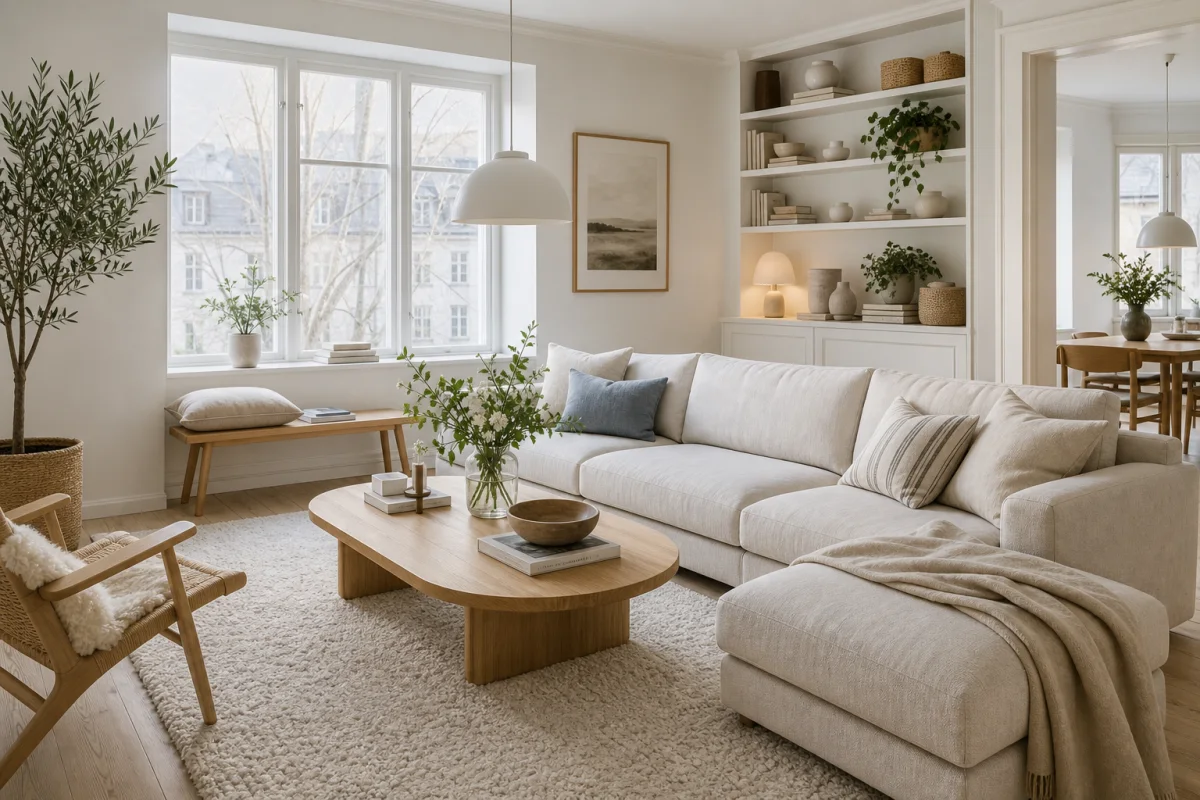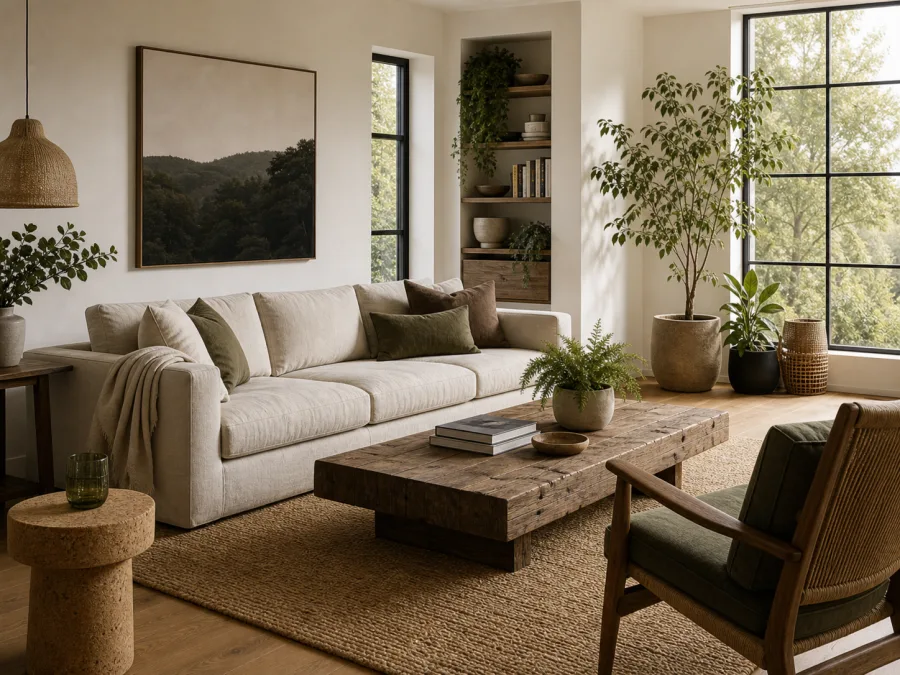
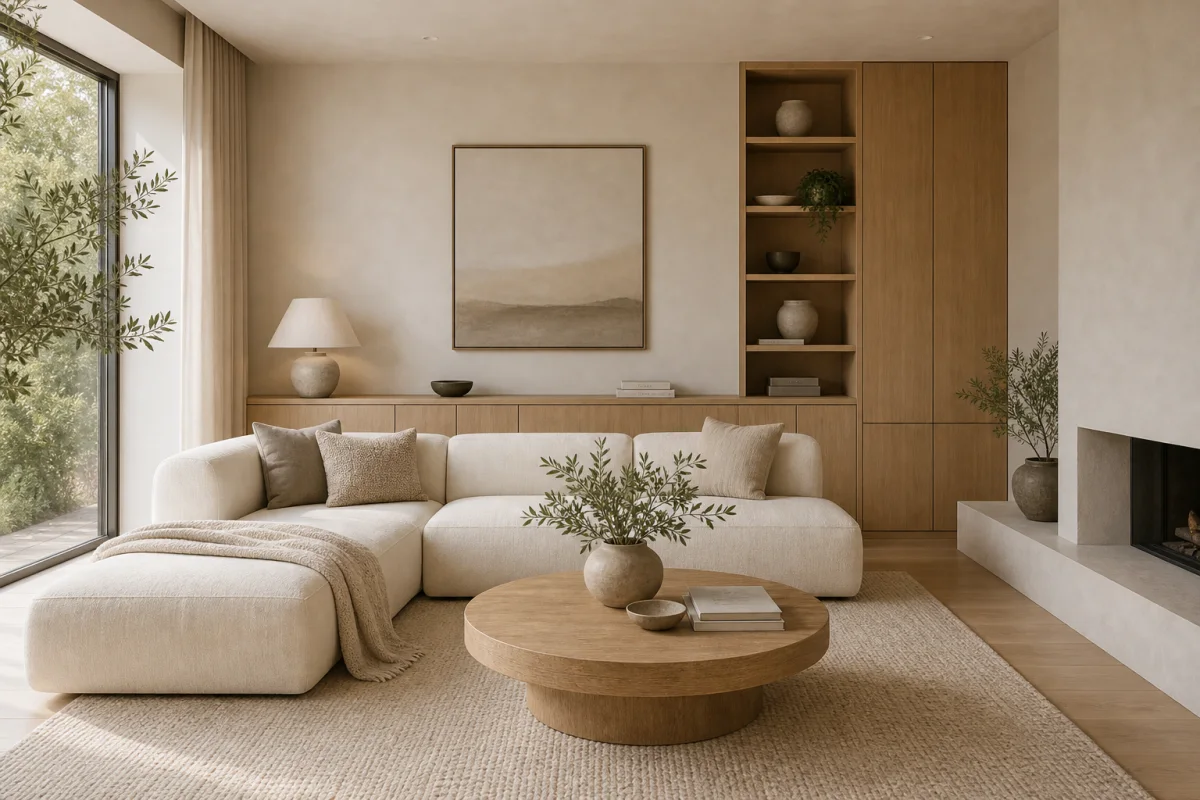
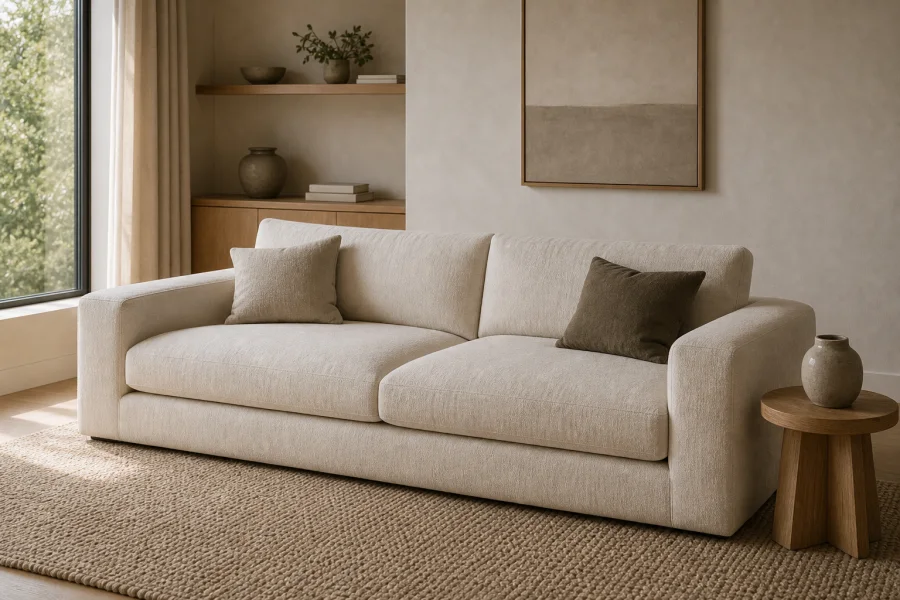
Low clean-lined sofa
A simple sofa gives the room comfort without visual bulk.
Restrained rooms with hidden storage, calm surfaces, warm neutrals and enough texture to feel peaceful rather than empty.
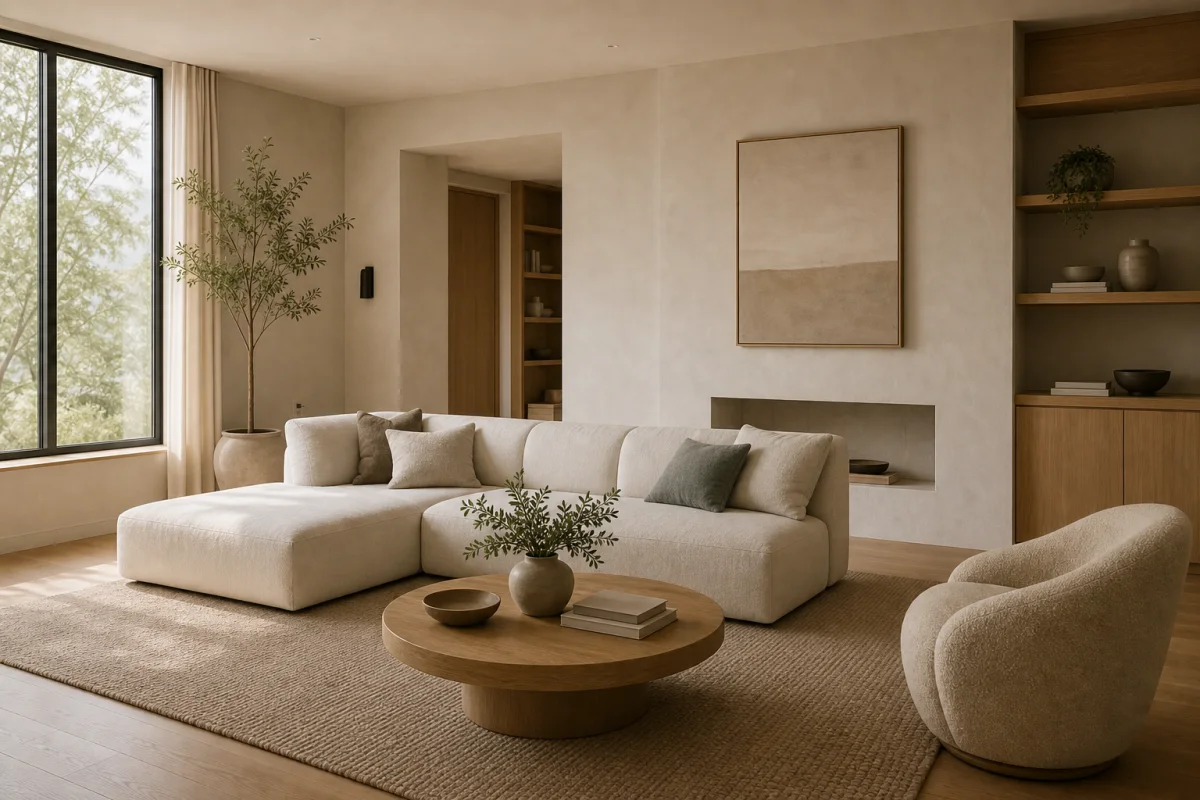
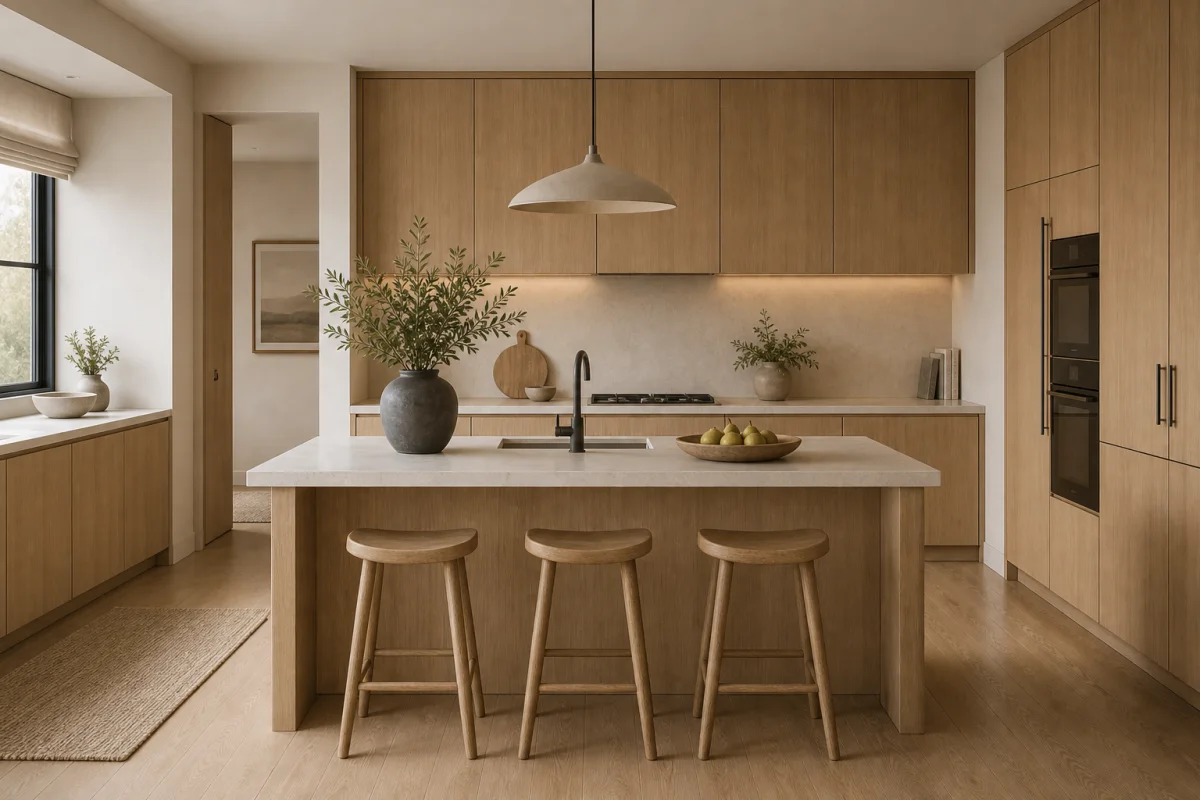
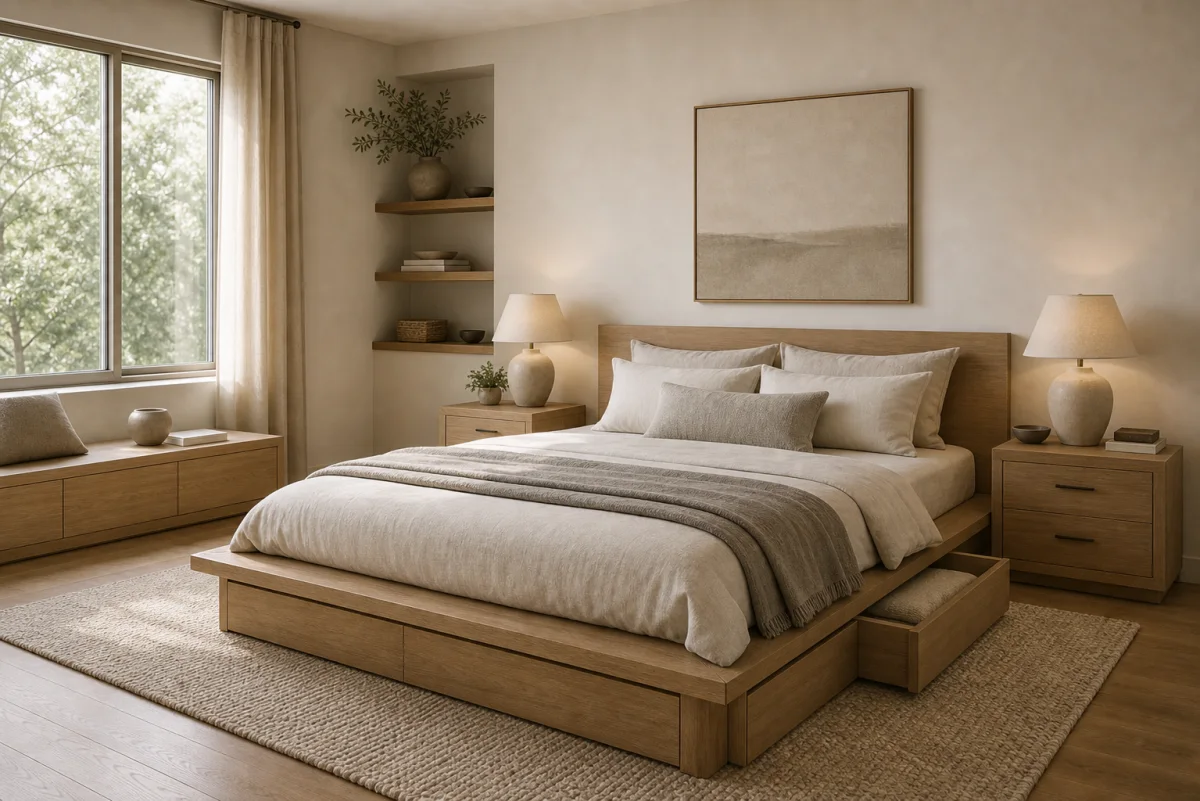
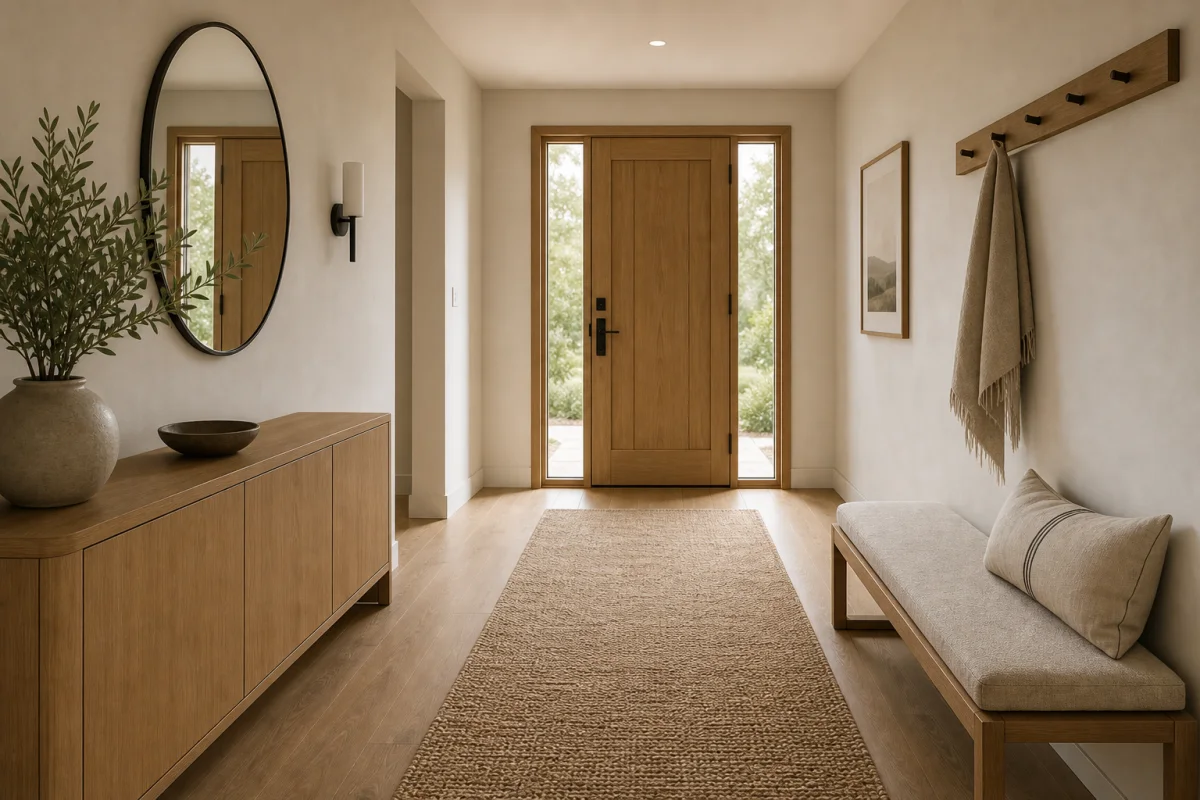
Minimalist interior design is not about removing everything. It is about keeping the pieces that make a room work, hiding what does not need to be seen and letting space, proportion, light and material quality carry the design.
The strongest minimalist rooms feel calm because every visible object has a job. A sofa is comfortable, storage is closed, lighting is simple, surfaces are clear and texture prevents the palette from feeling sterile. The result should feel easy to live in, not like a staged empty room.
A minimalist room only works if daily objects have a real place to go.
Blank wall, clear floor and simple sightlines are intentional, not unfinished.
Wood, linen, wool, plaster and soft light stop minimalism from becoming cold.
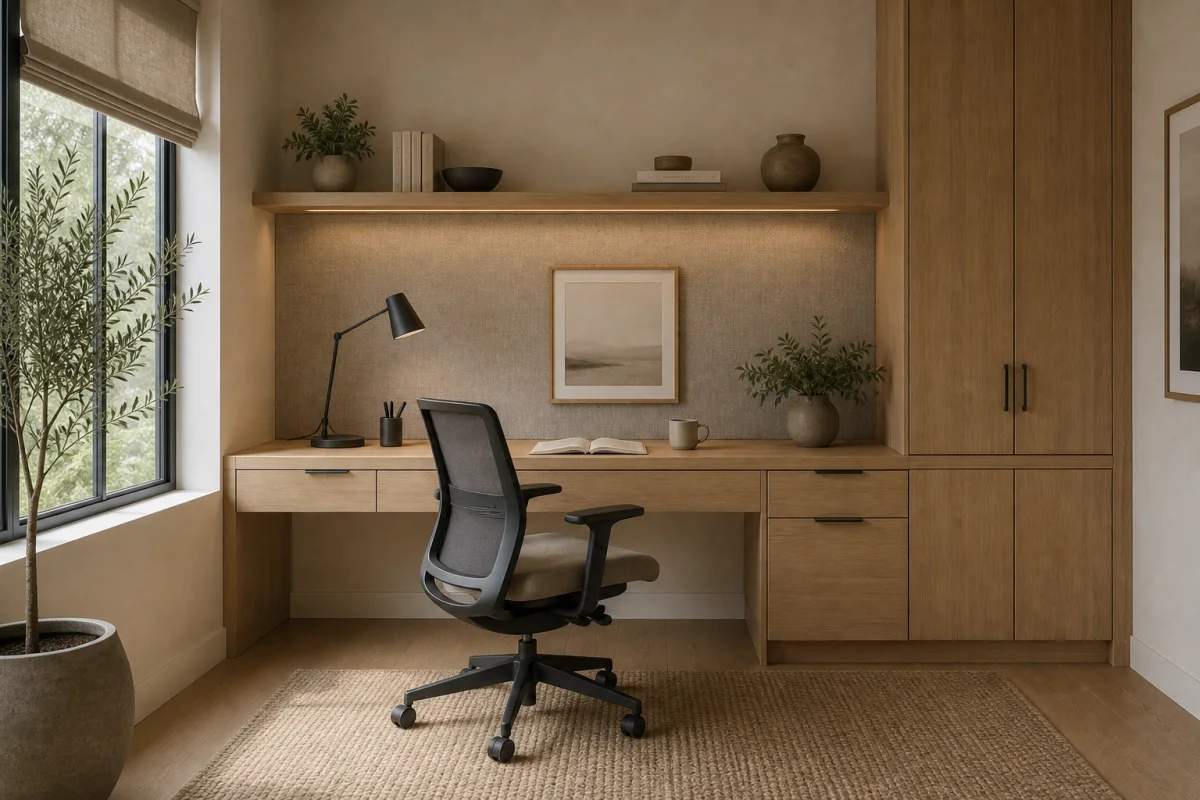
Flat-front cabinets, storage beds, closed sideboards and built-ins keep necessary things close but visually quiet.
Furniture has clean lines, balanced proportions and few decorative details.
Warm white, oatmeal, pale oak, greige and soft charcoal are easier to live with than stark black and white.
Linen, wool, plaster, matte ceramic and wood grain add depth without adding many objects.
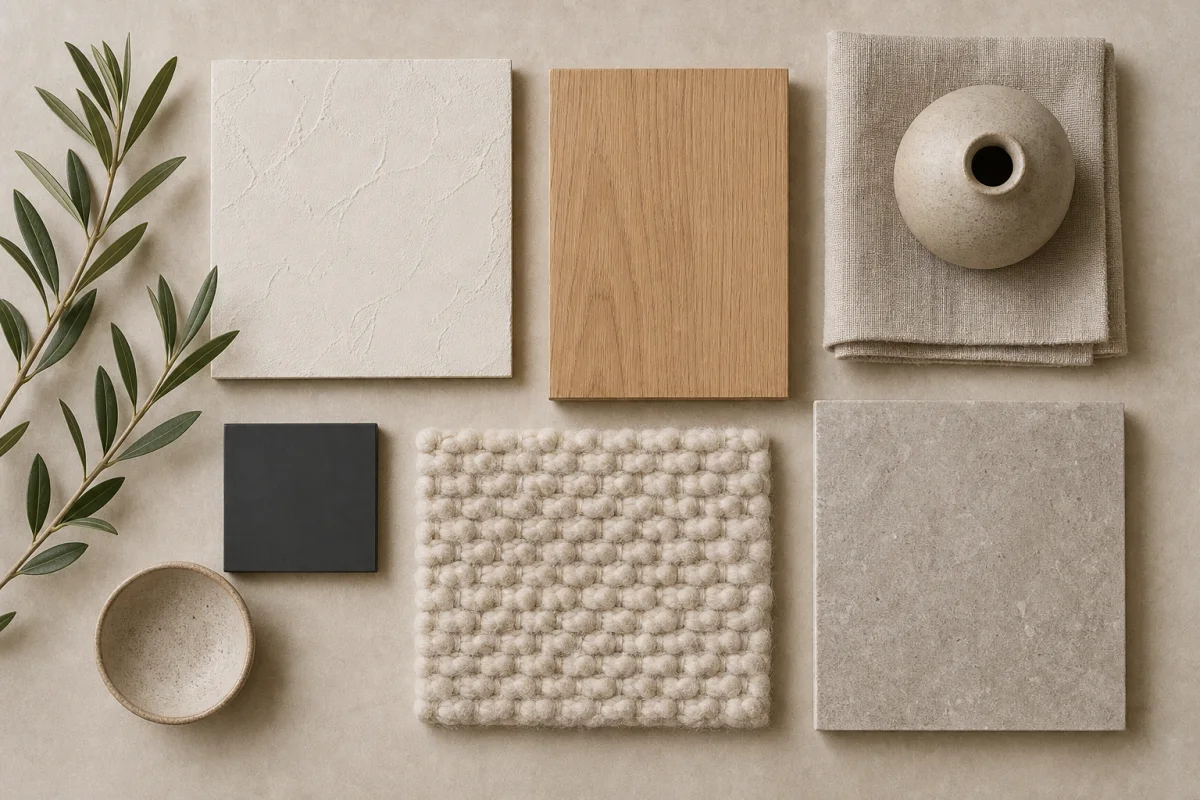
A minimalist palette works best when it reduces visual decisions without removing warmth. Choose one light base, one wood tone, one textile neutral and a small amount of contrast.
Use for walls and ceilings so the room feels bright without becoming clinical.
Softens upholstery, rugs and bedding while staying neutral.
Adds warmth through floors, storage, tables and shelving.
A quiet bridge between white, wood and darker accents.
Use sparingly for frames, lighting or hardware, not as the dominant color.
A quiet wall texture that keeps plain surfaces from feeling flat.
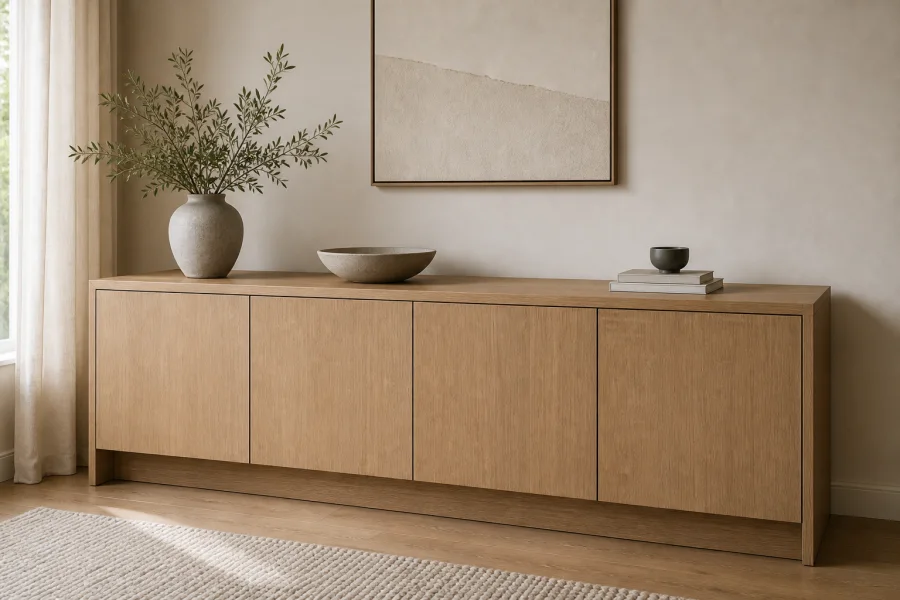
Adds warmth through closed storage, tables, floors and built-ins.
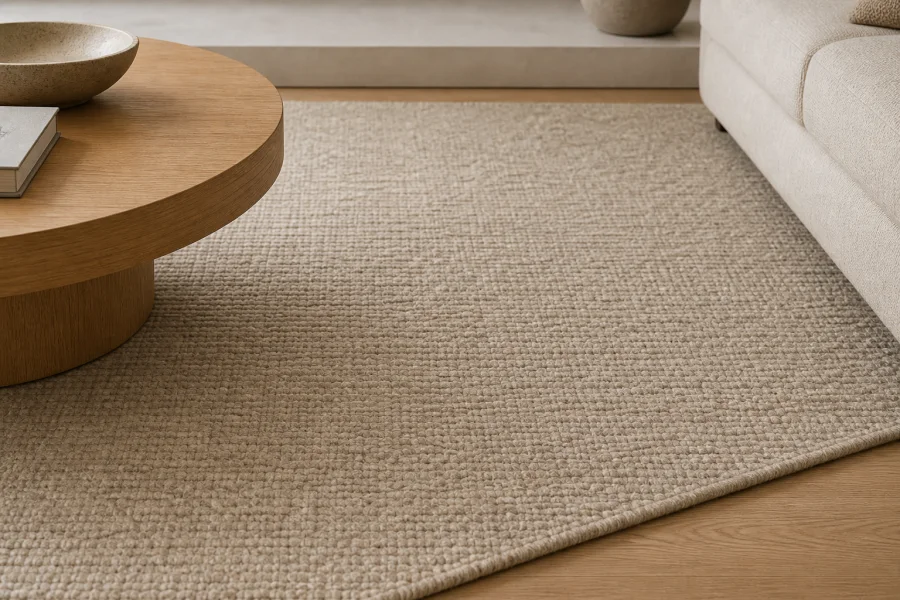
Soft texture makes a reduced room comfortable without adding clutter.
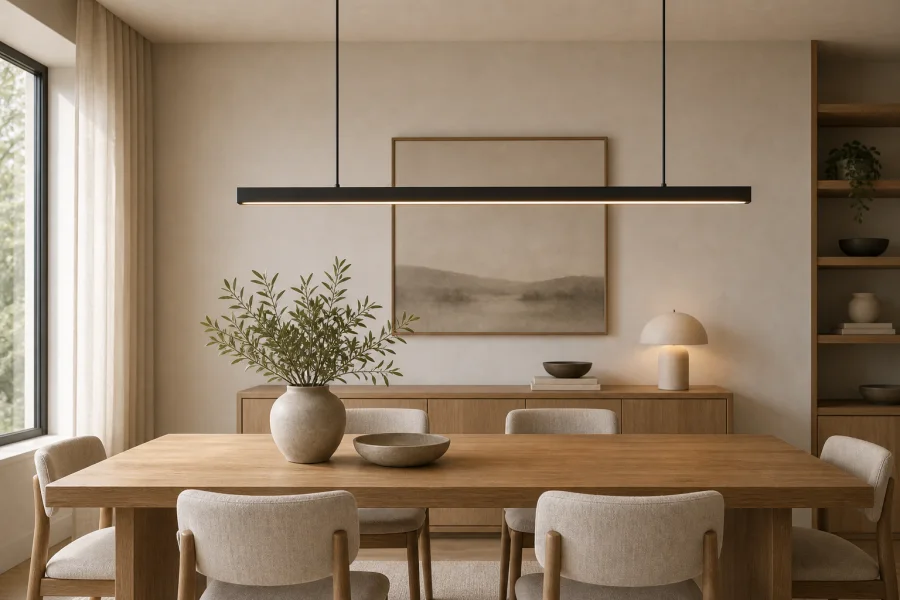
Use thin lines in pendants, legs or hardware for quiet structure.
Minimalist interiors overlap with several quiet styles. The difference is discipline: fewer visible objects, more storage logic and a stronger role for negative space.
Warmer, lower and more craft-led.
Choose minimalist if you want fewer visible objects, cleaner storage and a more neutral furniture language.
Use hidden storage and restrained shapes rather than handmade texture as the main feature.
More current, sculptural and trend-aware.
Choose minimalist if you want calm and restraint more than statement pieces.
Keep the sofa, lighting and storage simple, then let proportion and space do the work.
Brighter, cozier and more casual.
Choose minimalist if you want less decor, fewer small objects and more visual discipline.
Reduce open shelving, pattern and decorative accents while keeping warm wood and textiles.
More focused on sourcing, repair and long-term material choices.
Choose minimalist if your main goal is visual calm and reduced belongings.
Start with storage and fewer pieces, then choose durable materials where possible.
Minimalist pieces should earn their footprint. Prioritize comfort, storage, scale and quiet materials before decorative objects.
A simple sofa gives the room comfort without visual bulk.
Closed storage is what keeps the room calm after daily life returns.
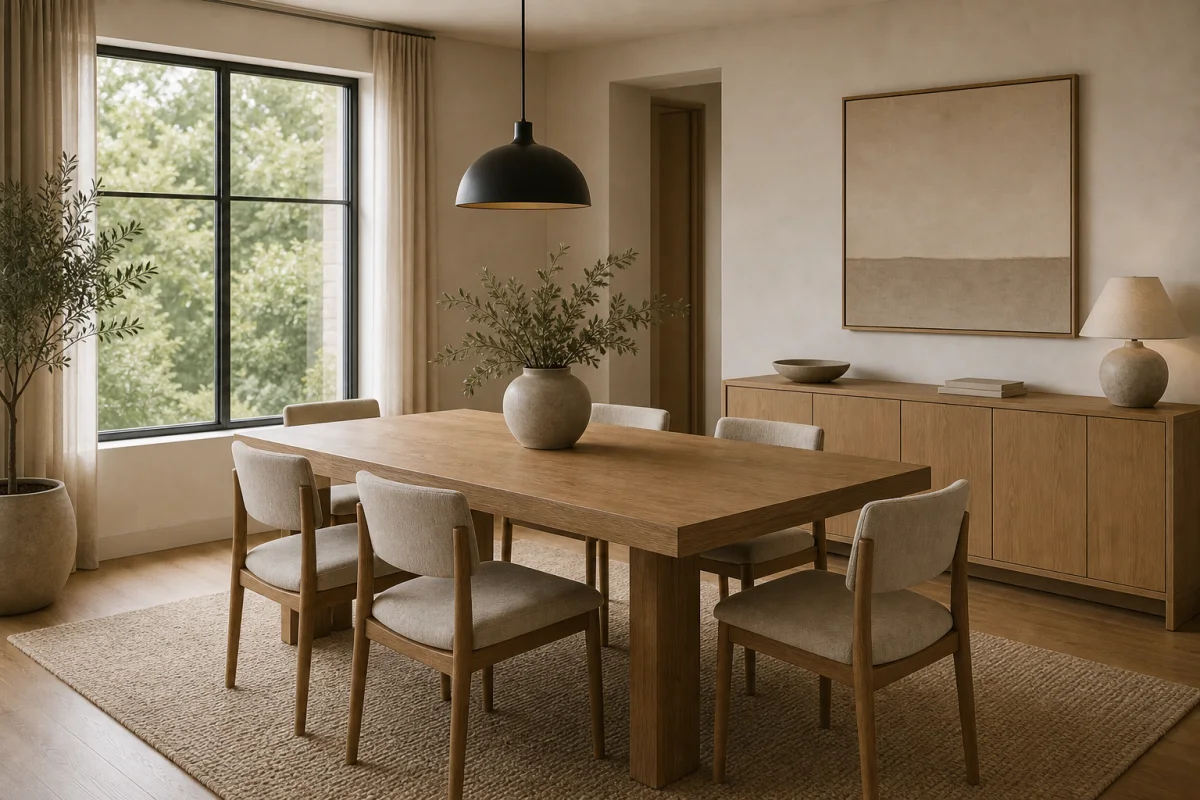
A thin fixture adds structure without becoming the room’s main event.
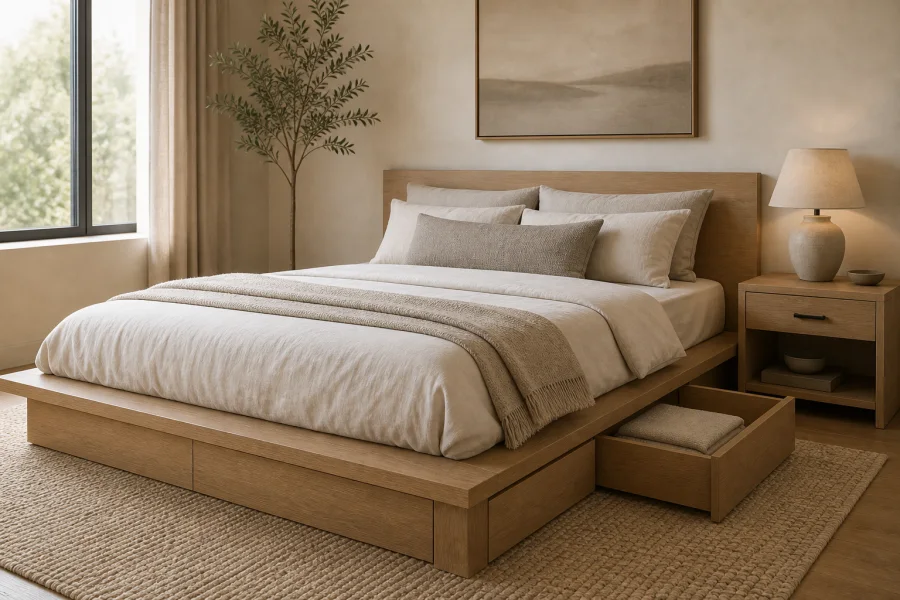
Built-in storage helps bedrooms stay spare without wasting space.
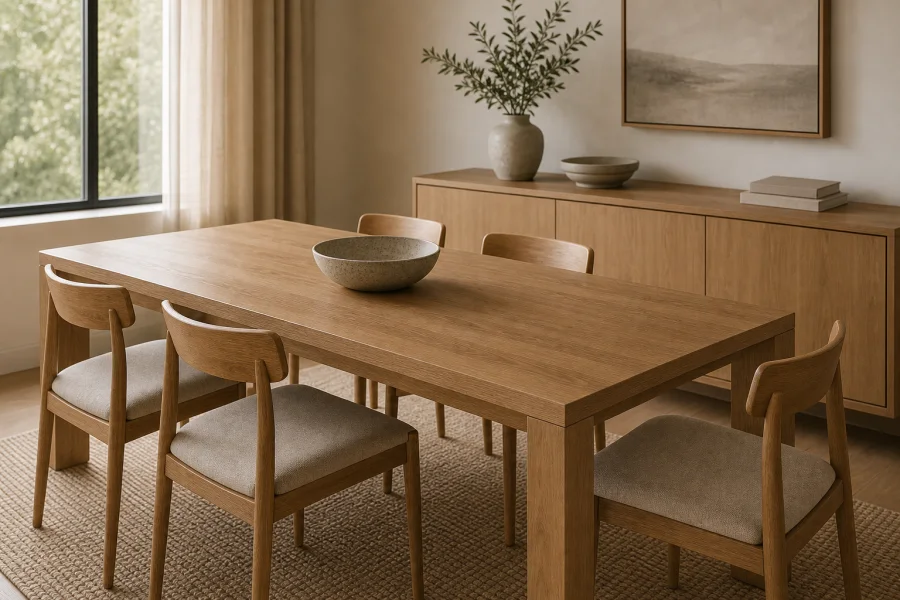
Choose balanced proportions and a quiet finish over decorative legs.
A low-contrast rug anchors furniture and adds softness to open space.