01
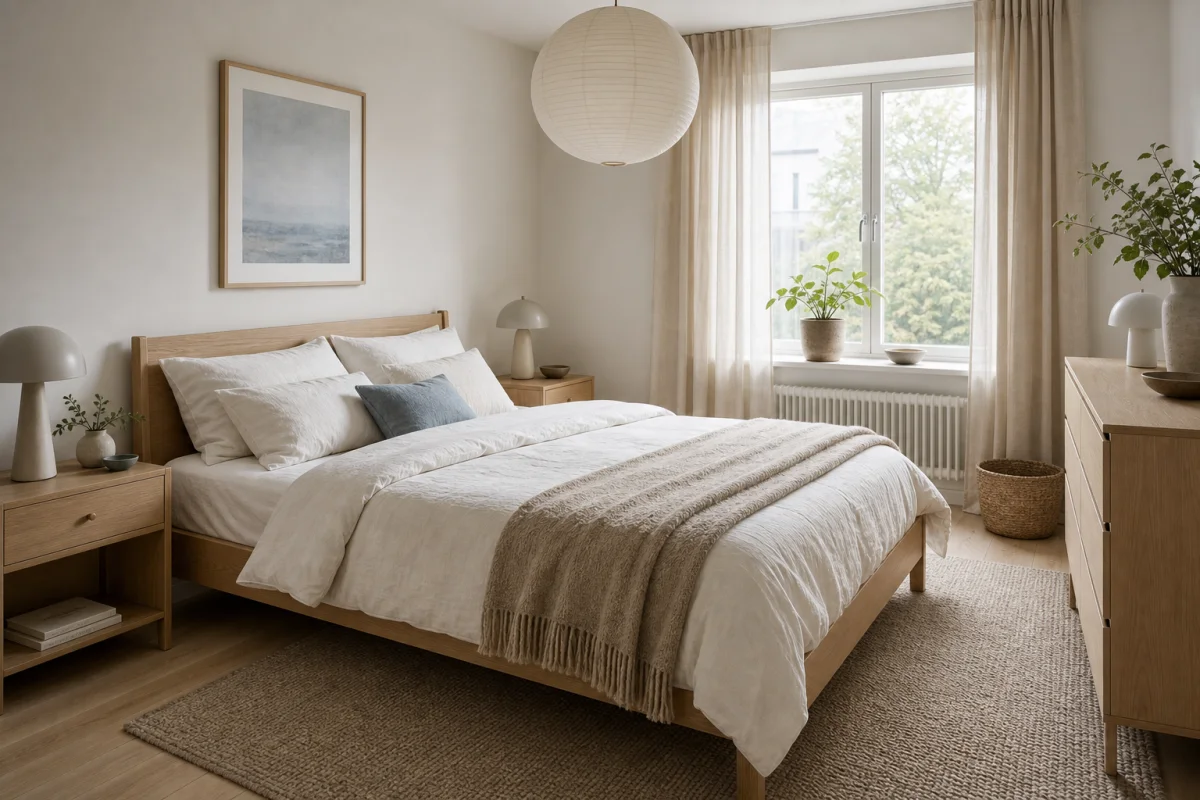
Light restful bedroom
Warm white, pale wood and soft bedding keep the room calm.
Ideas, layouts, colors and materials for a scandinavian bedroom — plus the pieces that make the look work.
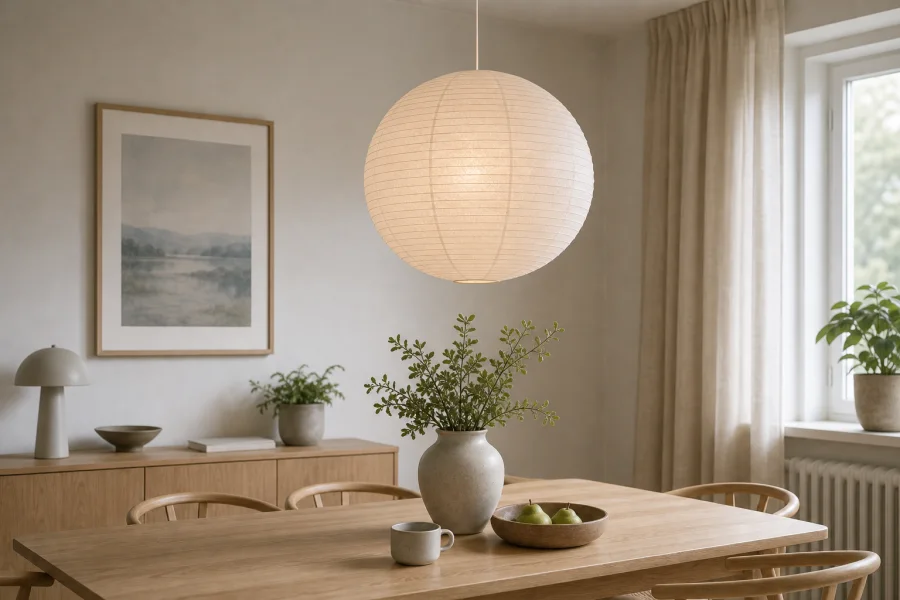
A Scandinavian bedroom should feel light in the morning and cozy at night. Warm white walls, pale wood, soft textiles and simple storage create a restful room without fuss.
The best version is practical and gentle: easy bedding, clear nightstands, a soft rug and warm lamps rather than heavy furniture or decorative clutter.
Use these examples to choose the version of the style that fits your architecture, light and square footage.
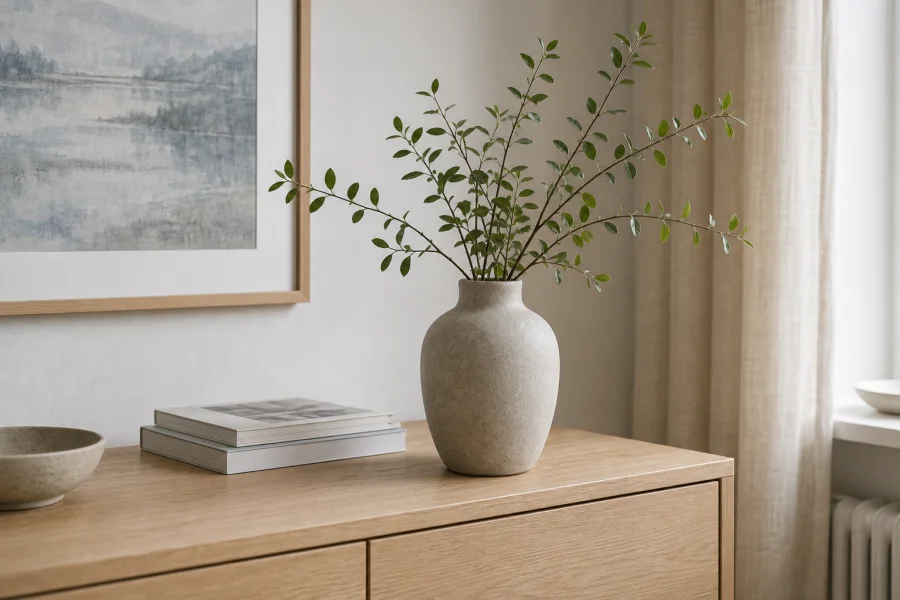
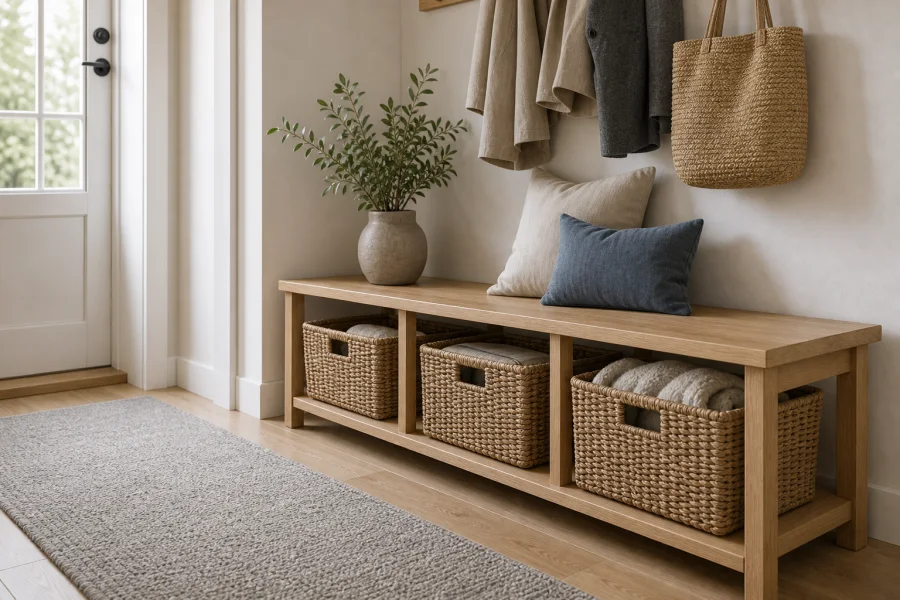
Use the style where it helps the room work: seating, circulation, focal point and material balance.
Use relaxed bedding and avoid too many pillows or layered props.
Use lamps, paper shades or simple pendants instead of harsh overhead light.
Baskets and simple drawers keep clothing and blankets contained.
Scandinavian bedrooms feel brighter when furniture is not too heavy.
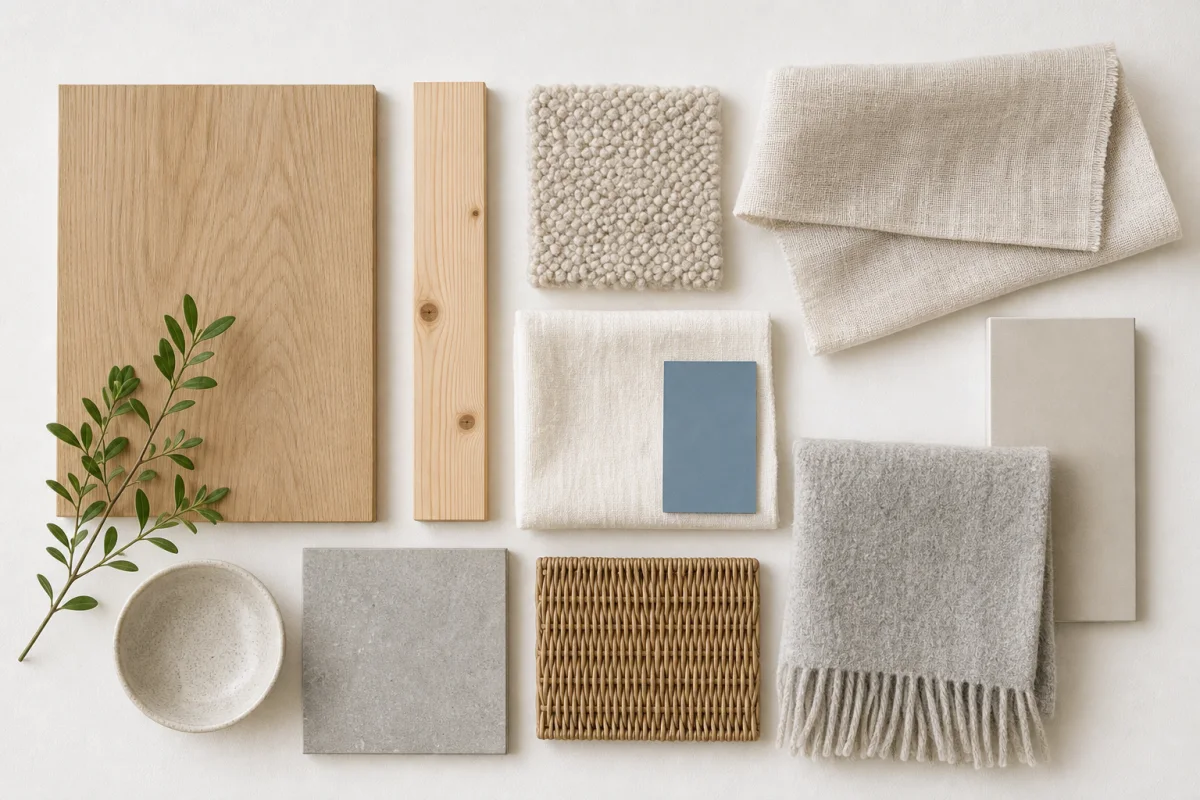
The palette should help the room feel bright first, then add enough warmth and softness that it does not become clinical.
Use it on walls and ceilings to keep rooms bright without feeling icy.
The main warmth layer for floors, tables, chairs and storage.
A quiet textile or rug tone that bridges white and wood.
A classic cool accent for art, pillows, ceramics or cabinetry.
Adds life through plants, textiles or small painted pieces.
Warm white, oatmeal and soft gray make the room restful.
Pale oak or pine works for bed frames, benches and nightstands.
Dusty blue, muted green or blush can appear in bedding or art.
Wool, cotton and linen carry the cozy layer.
For this room, a few strong choices can carry the style better than adding more decor.
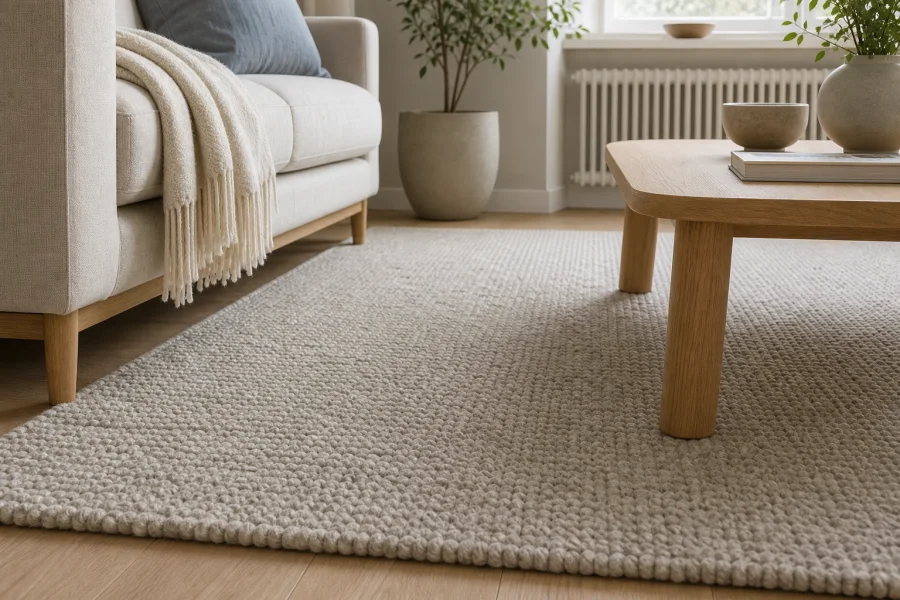
Adds softness underfoot.
Creates gentle diffused light.
Easy storage for blankets or clothes.
A quiet handmade accent.
Use these checks to keep the scandinavian character clear without compromising how the bedroom works.
Keep bedding relaxed and easy to use.
Add warm undertones, wood and textiles.
Use lighter wood and simpler profiles.