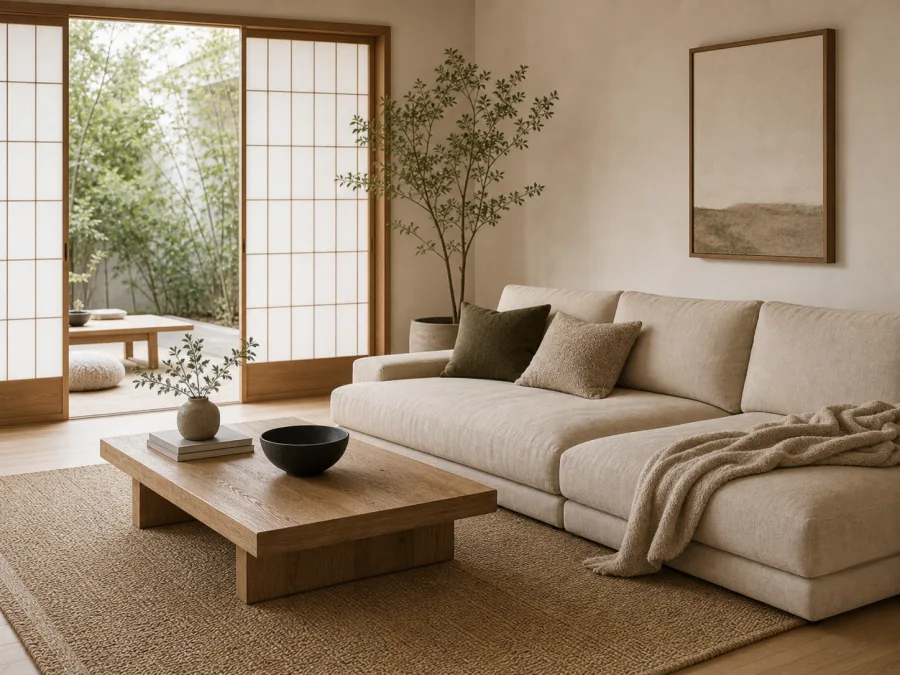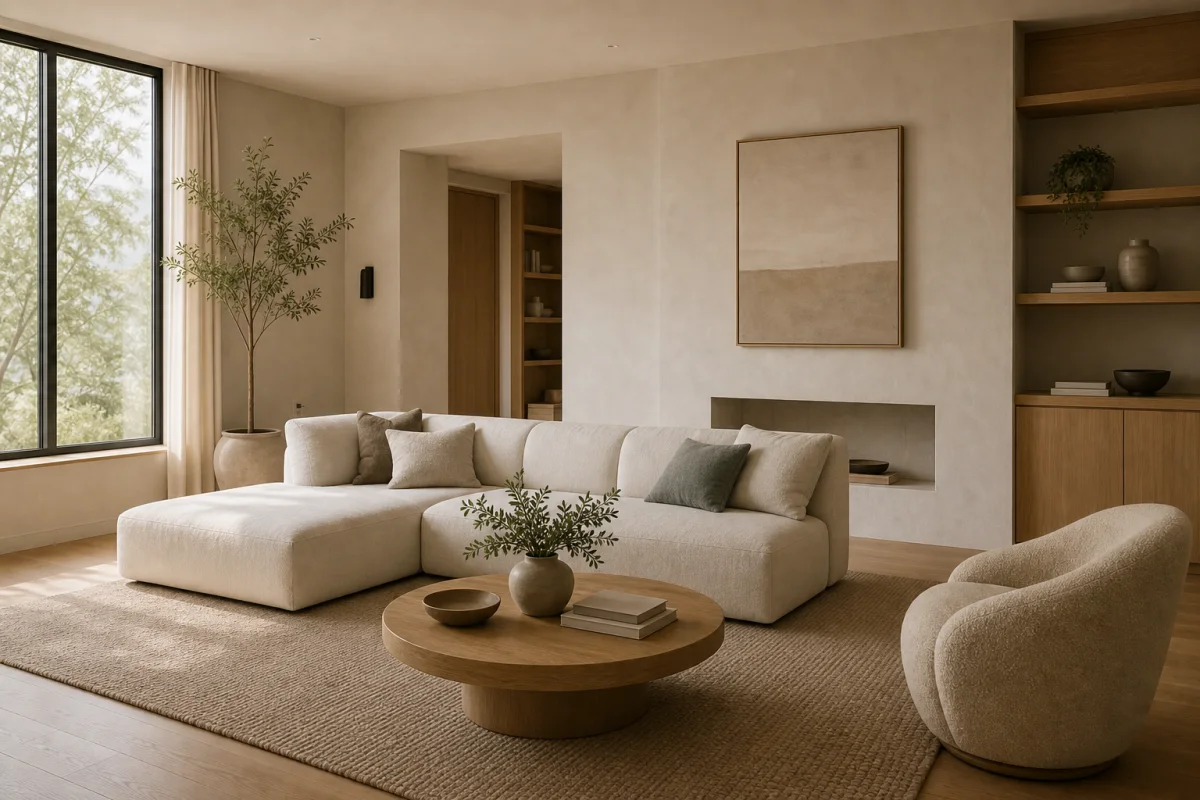
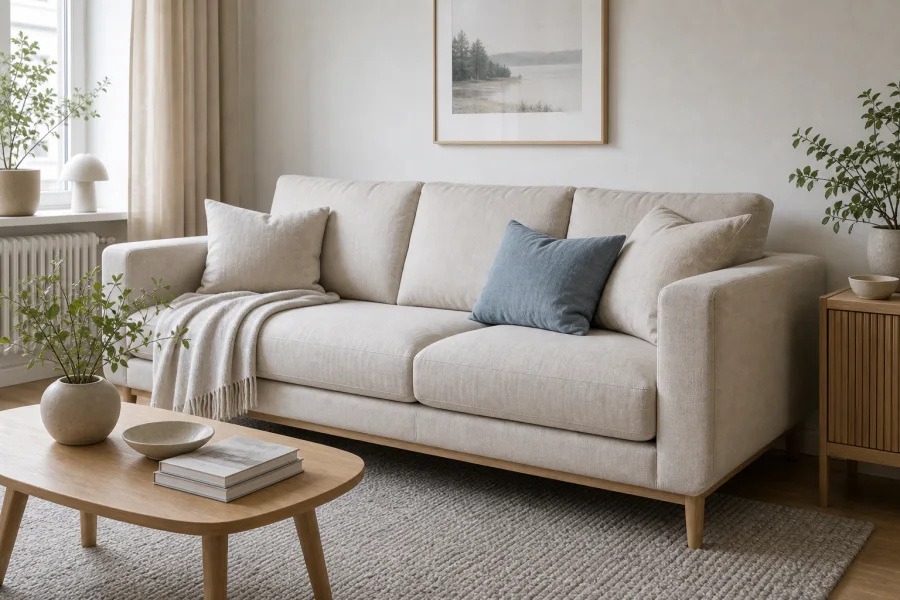
Light linen sofa
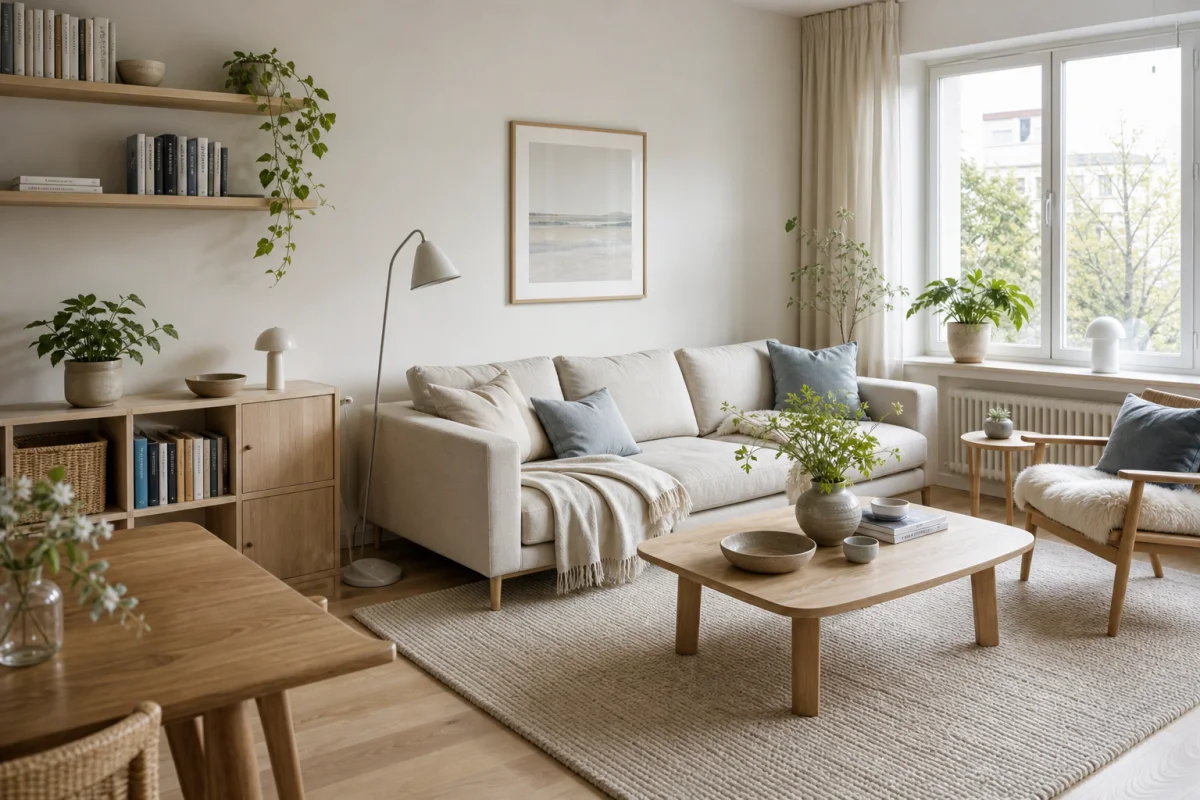
A simple comfortable sofa sets the relaxed tone without visual weight.
Light, functional rooms built around pale wood, soft textiles, practical storage, natural light and small moments of color that keep the home bright and easy to live in.
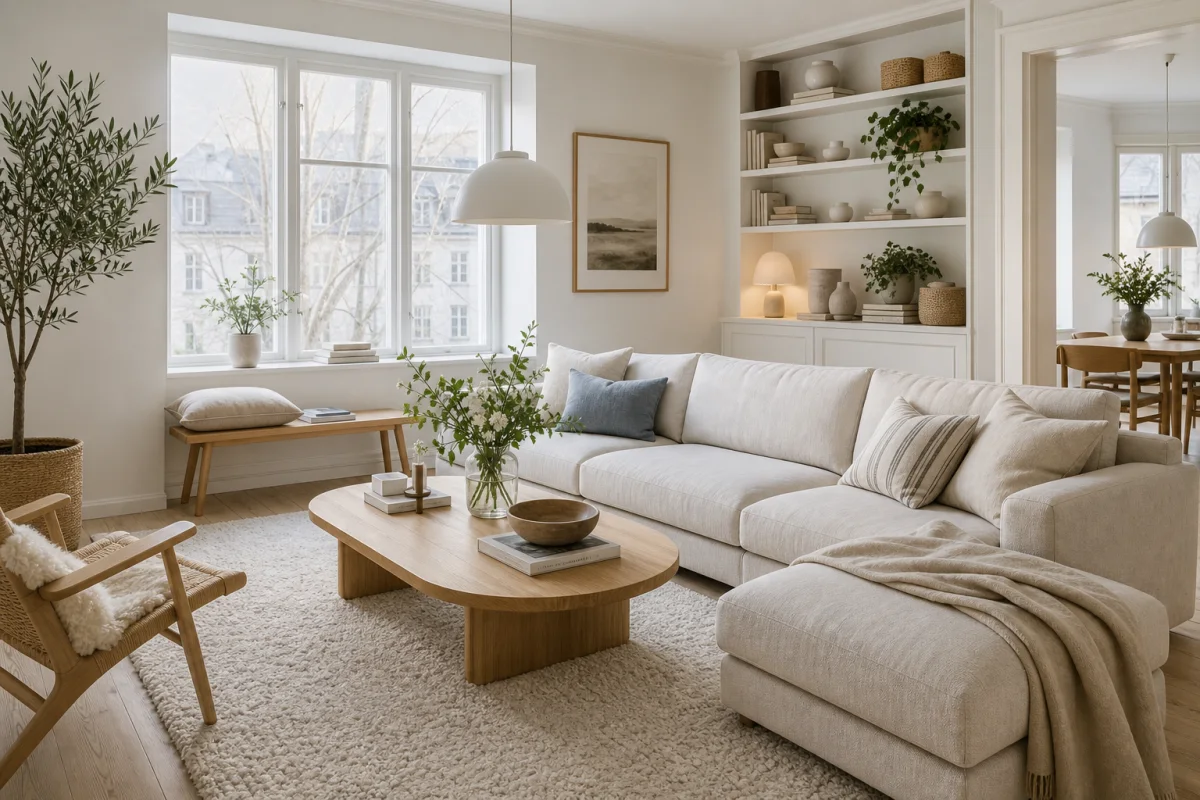
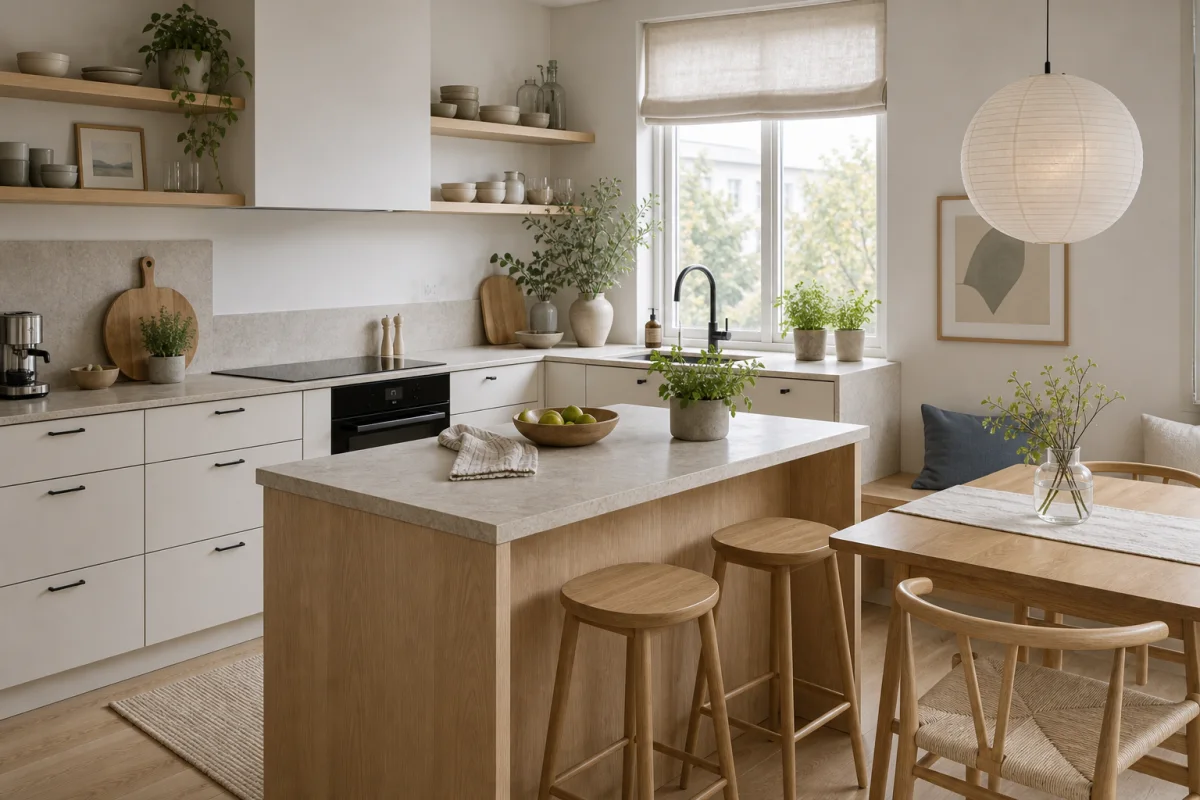
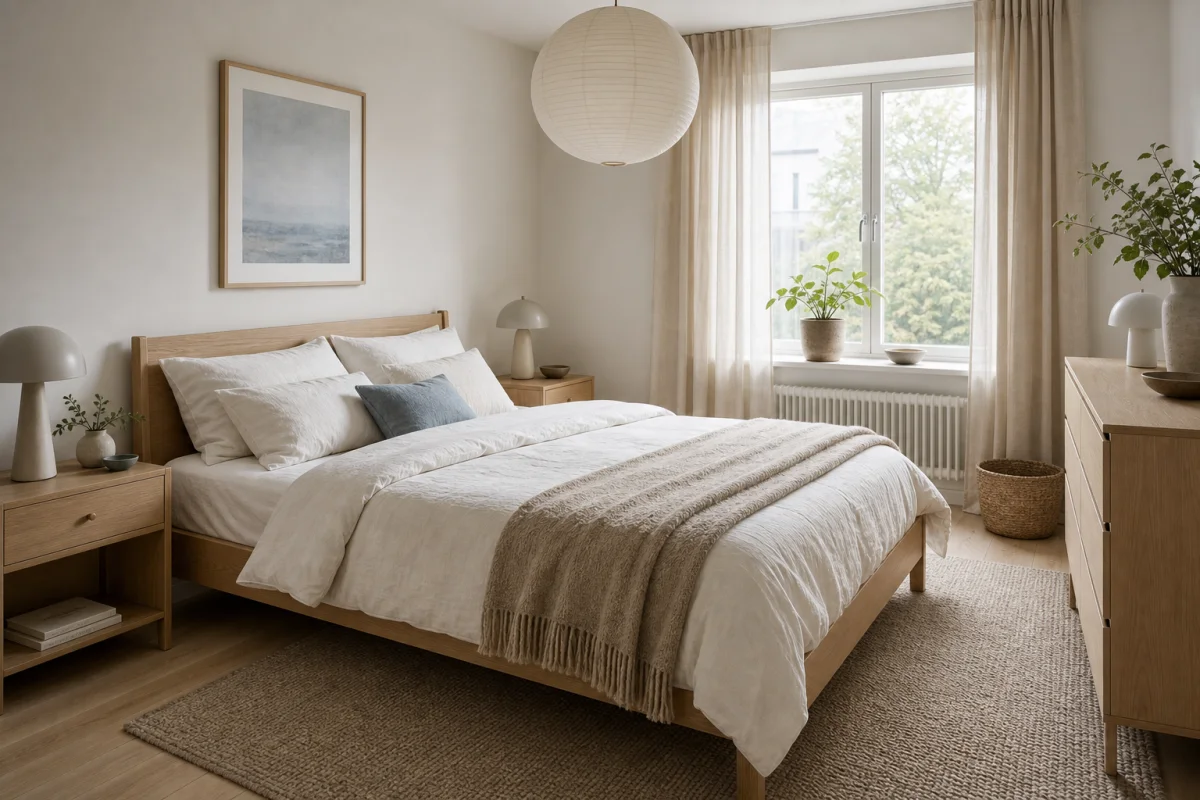
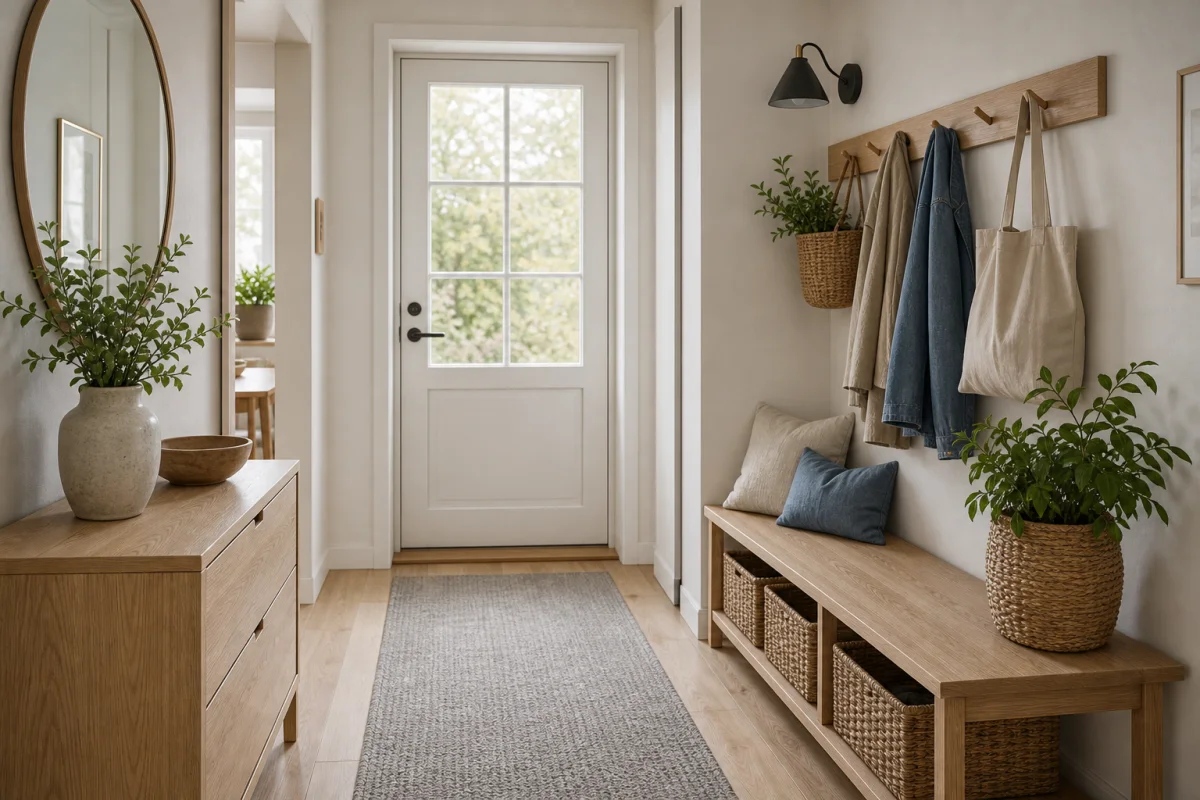
Scandinavian interior design is a light, practical style shaped by natural materials, simple furniture, bright rooms and comfort that supports daily life. It usually combines white or warm neutral walls with pale wood, wool, cotton, linen, good lighting and storage that keeps the home easy to use.
The best version is not a cold white room. It feels relaxed and human: a comfortable sofa, a useful table, baskets for daily objects, layered lighting, plants and a few muted colors that make the room feel lived in without becoming busy.
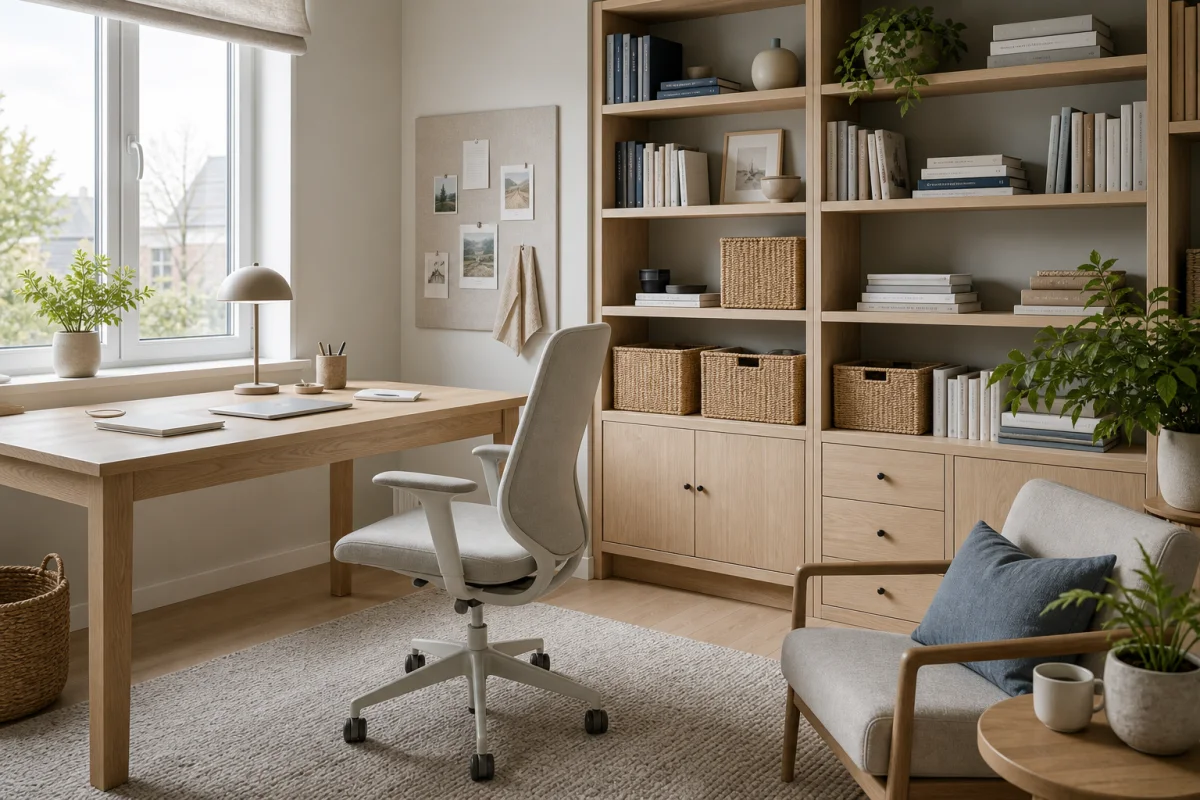
Furniture, storage and lighting should solve real daily needs before they become decorative.
Pale walls, simple window treatments and reflective surfaces help rooms feel bright even in darker seasons.
Wool, cotton, linen, sheepskin, woven baskets and ceramics prevent the look from becoming sterile.
Pine, oak, ash and birch add brightness and natural warmth without making the room feel heavy.
Scandinavian rooms favor clean silhouettes, comfortable proportions and pieces that are easy to live with.
Wool rugs, cotton throws, linen curtains and tactile cushions create comfort without visual clutter.
Closed cabinets, baskets, benches and wall shelves keep daily life organized but visible enough to feel relaxed.
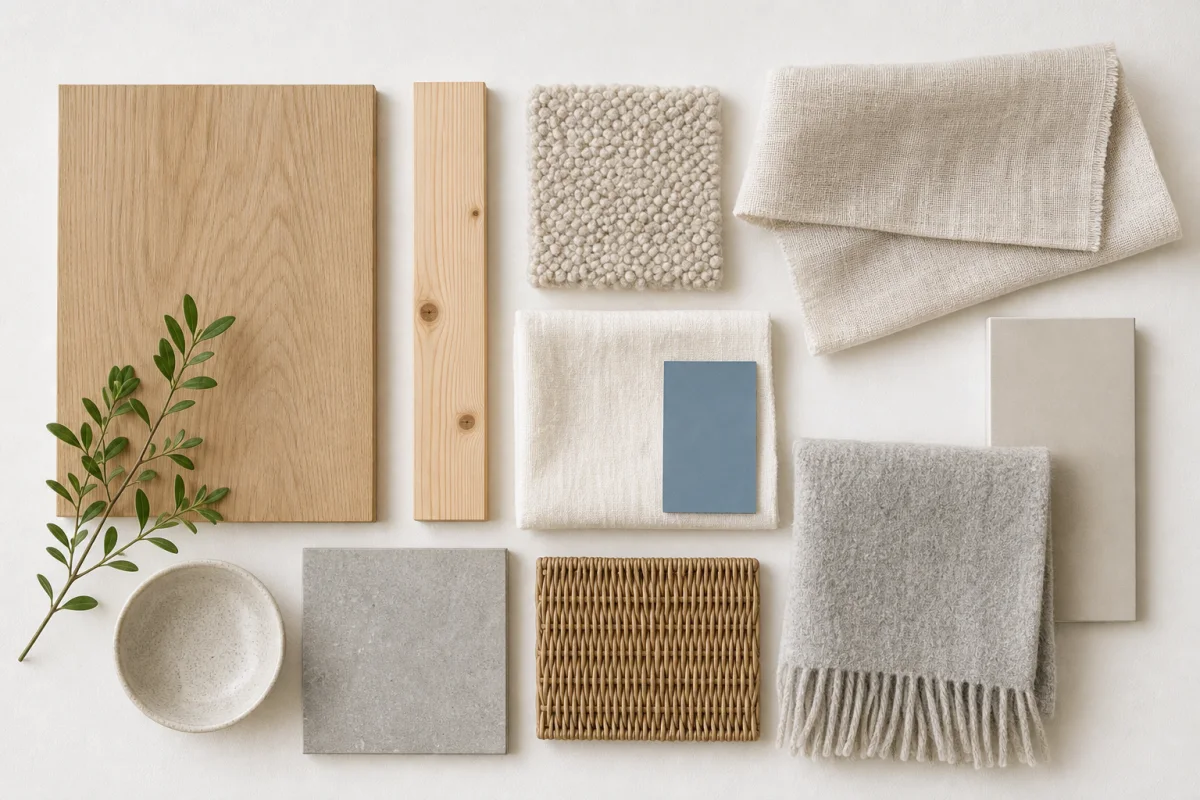
The palette should help the room feel bright first, then add enough warmth and softness that it does not become clinical.
Use it on walls and ceilings to keep rooms bright without feeling icy.
The main warmth layer for floors, tables, chairs and storage.
A quiet textile or rug tone that bridges white and wood.
A classic cool accent for art, pillows, ceramics or cabinetry.
Adds life through plants, textiles or small painted pieces.
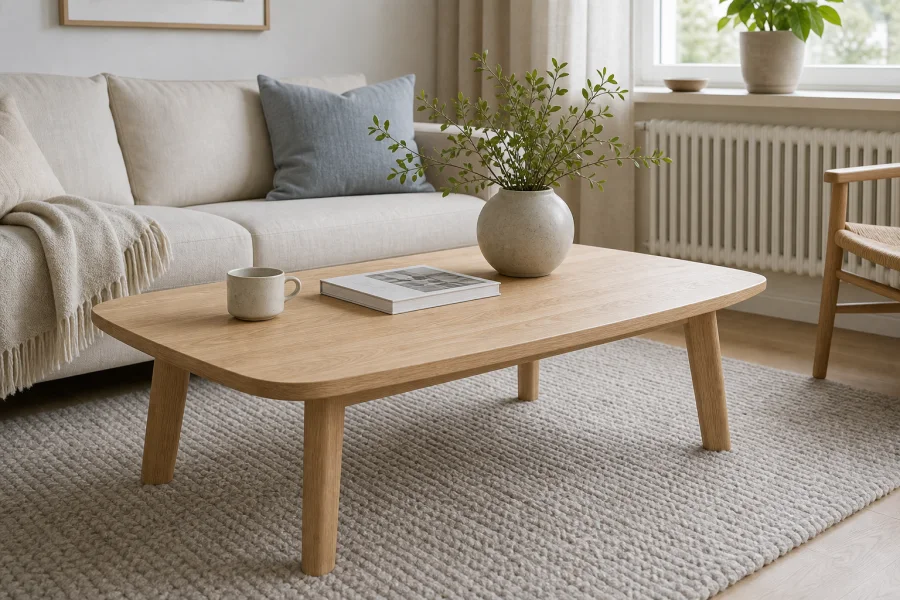
Keeps rooms bright and warm through chairs, tables, floors and shelves.
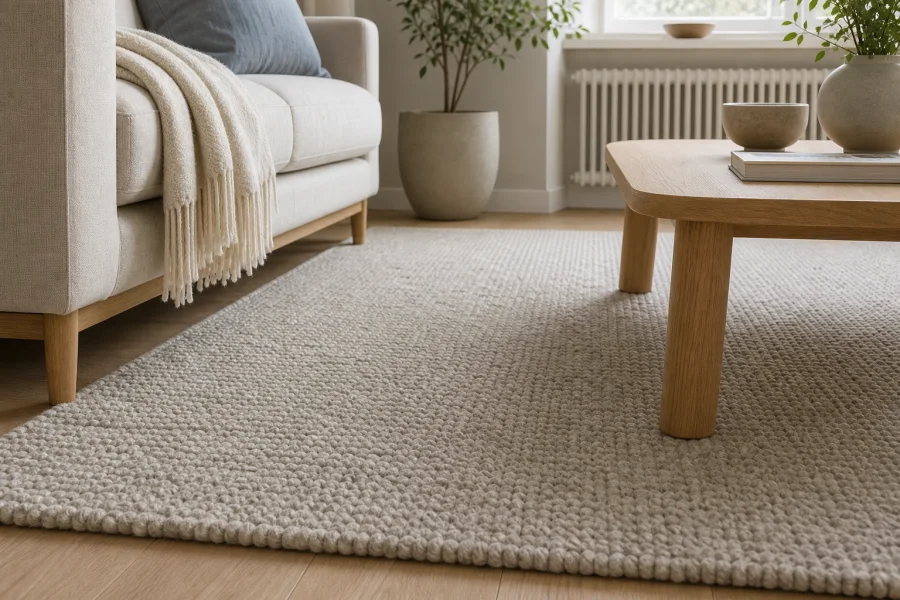
Softens simple furniture and makes light rooms feel comfortable.
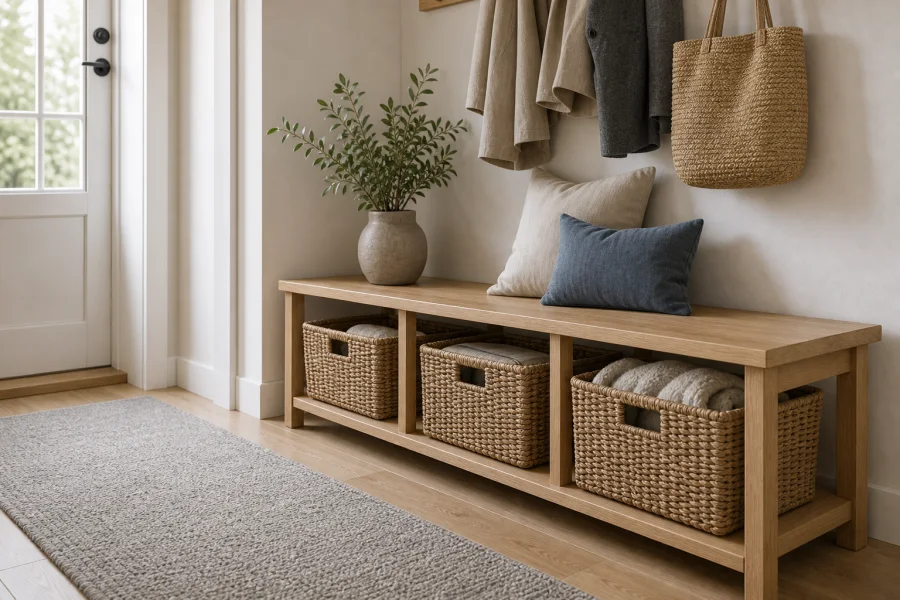
Baskets and benches keep practical objects close without visual noise.
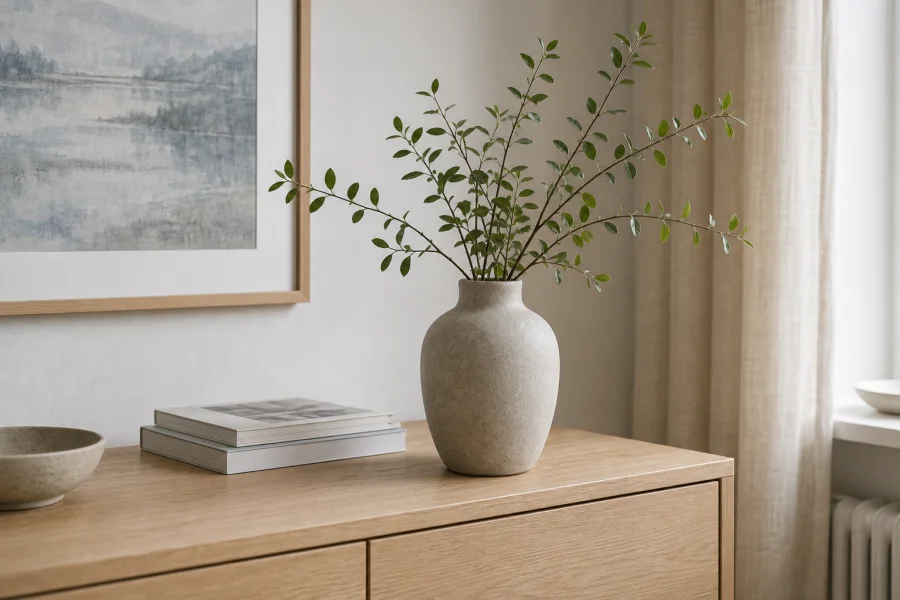
Adds handmade texture in small, useful doses.
Scandinavian interiors overlap with minimalist, Japandi and contemporary rooms, but the difference is everyday warmth: light, practical furniture, cozy textiles and simple storage.
Stricter, emptier and more visually reduced.
Choose Scandinavian if you want simplicity with more warmth, daily comfort and casual storage.
Keep pale wood and clean lines, then add wool, baskets, plants and soft color.
Lower, quieter and more restrained.
Choose Scandinavian if you want a brighter, cozier and more casual version of calm design.
Use lighter wood, softer textiles, more daylight and less strict negative space.
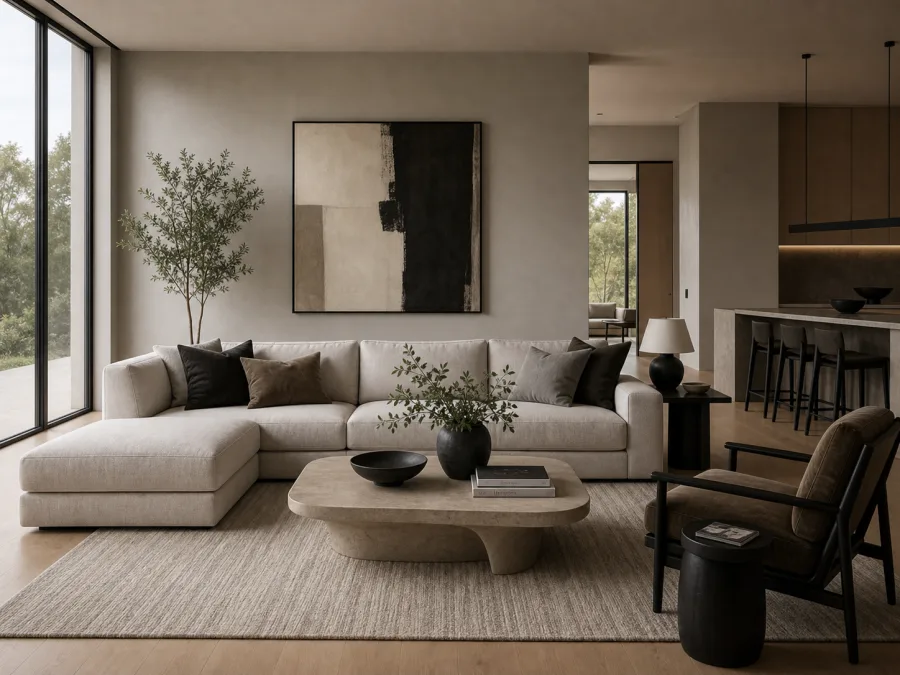
More polished, current and sculptural.
Choose Scandinavian if you want a friendlier, more functional room with less statement-making furniture.
Prioritize useful storage, simple wood pieces and comfortable textiles over sculptural drama.
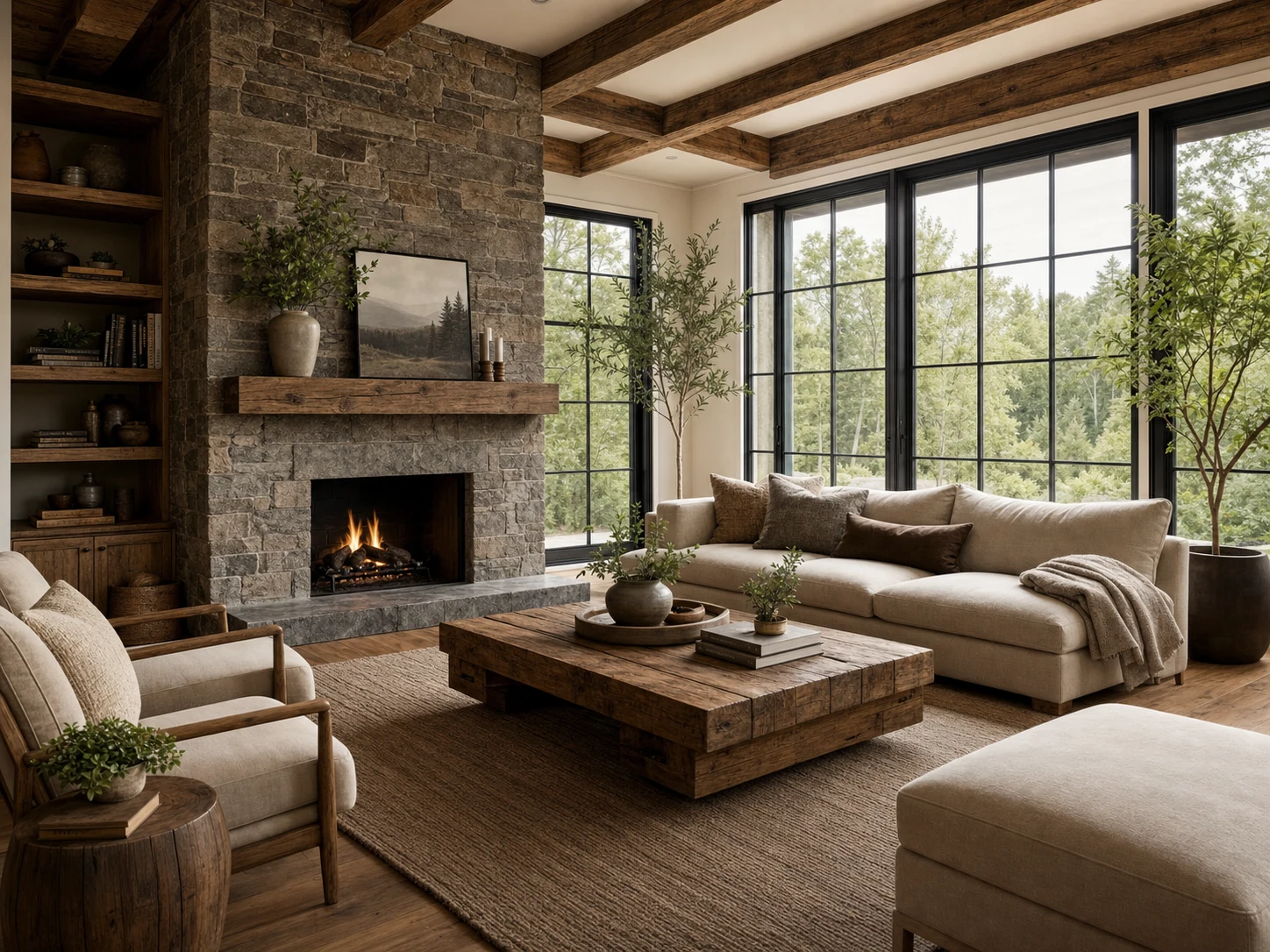
Heavier, more textured and more grounded.
Choose Scandinavian if you want natural warmth without heavy beams, dark wood or rugged stone.
Use pale wood, white walls, wool and simple furniture rather than raw rustic anchors.
The best Scandinavian pieces make daily life easier while adding warmth. Choose useful, tactile objects before decorative extras.
A simple comfortable sofa sets the relaxed tone without visual weight.
Light wood makes the room feel bright and functional.
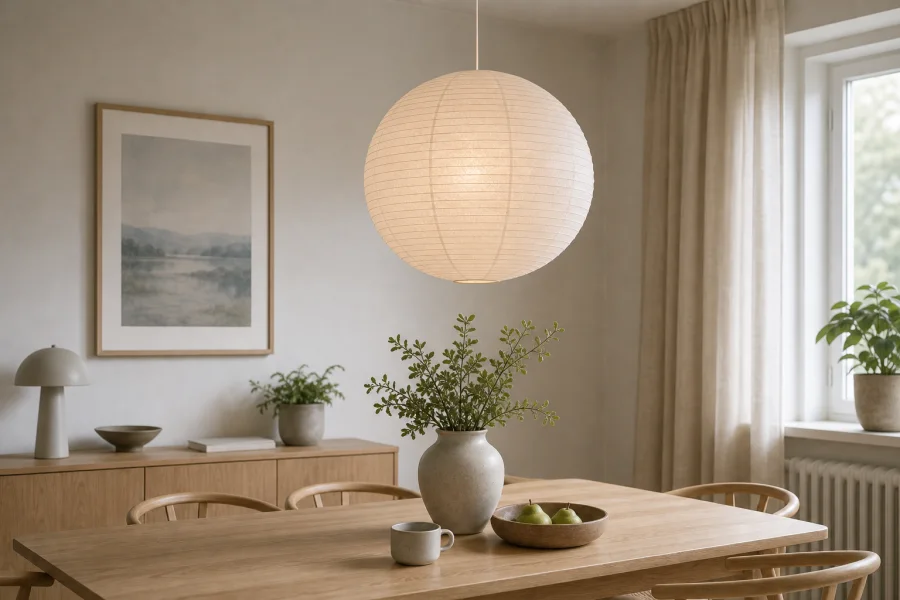
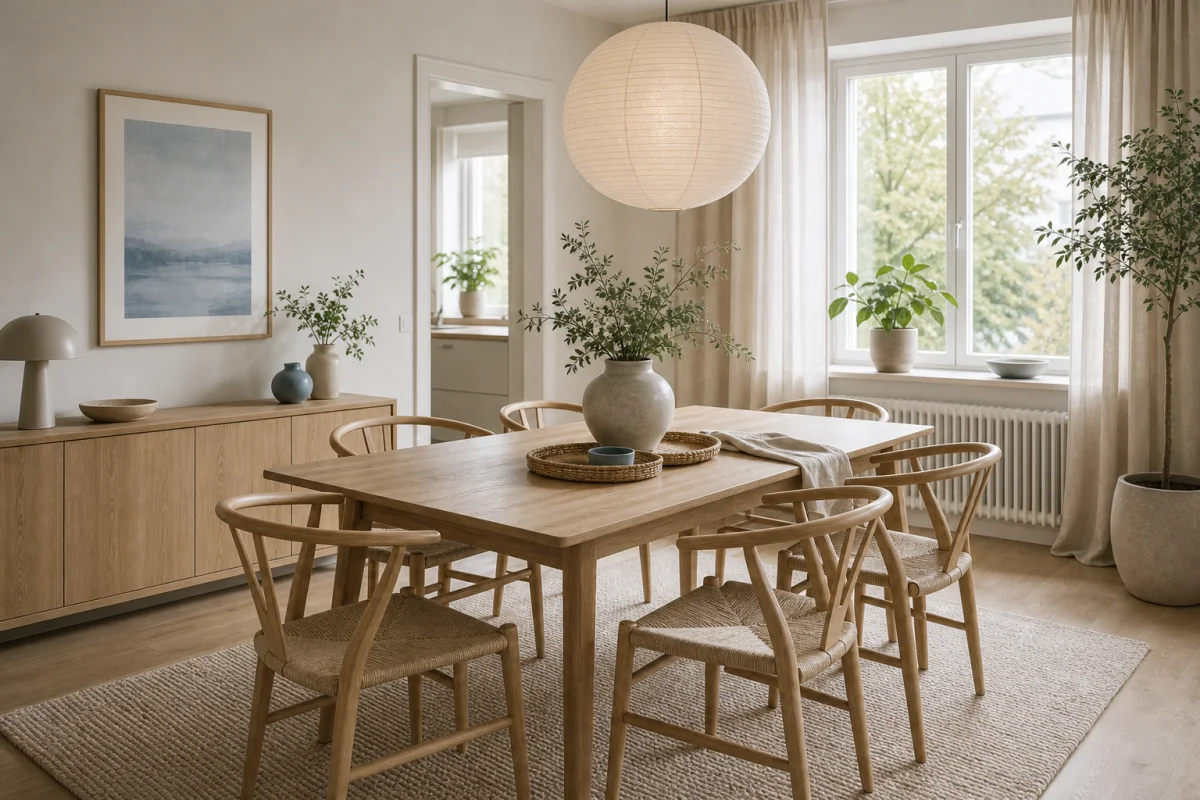
A paper or fabric shade spreads gentle light and softens clean lines.
A tactile rug adds comfort under simple furniture.
Baskets keep everyday objects organized without making storage feel severe.
One handmade object adds texture without cluttering the room.