01
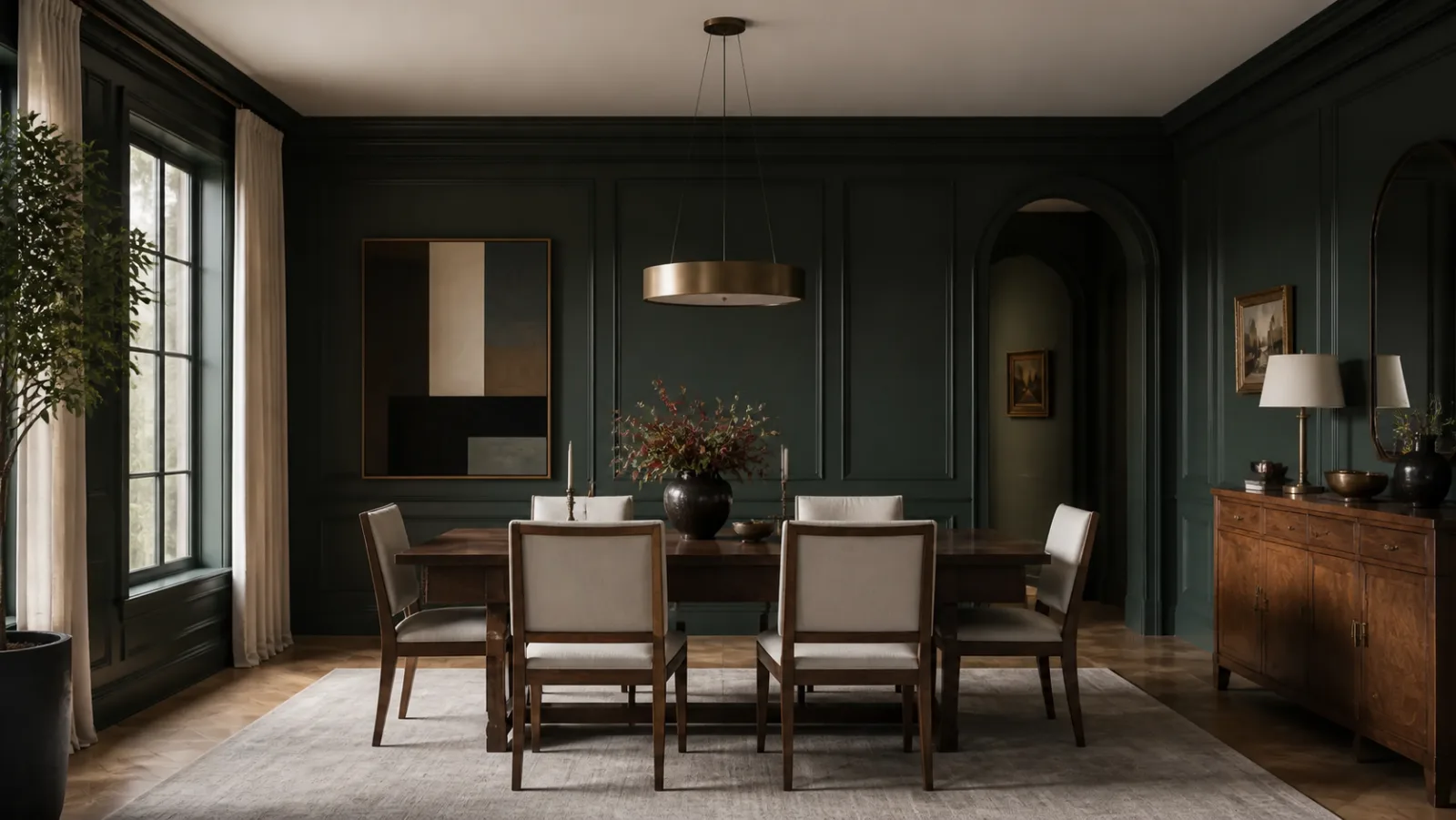
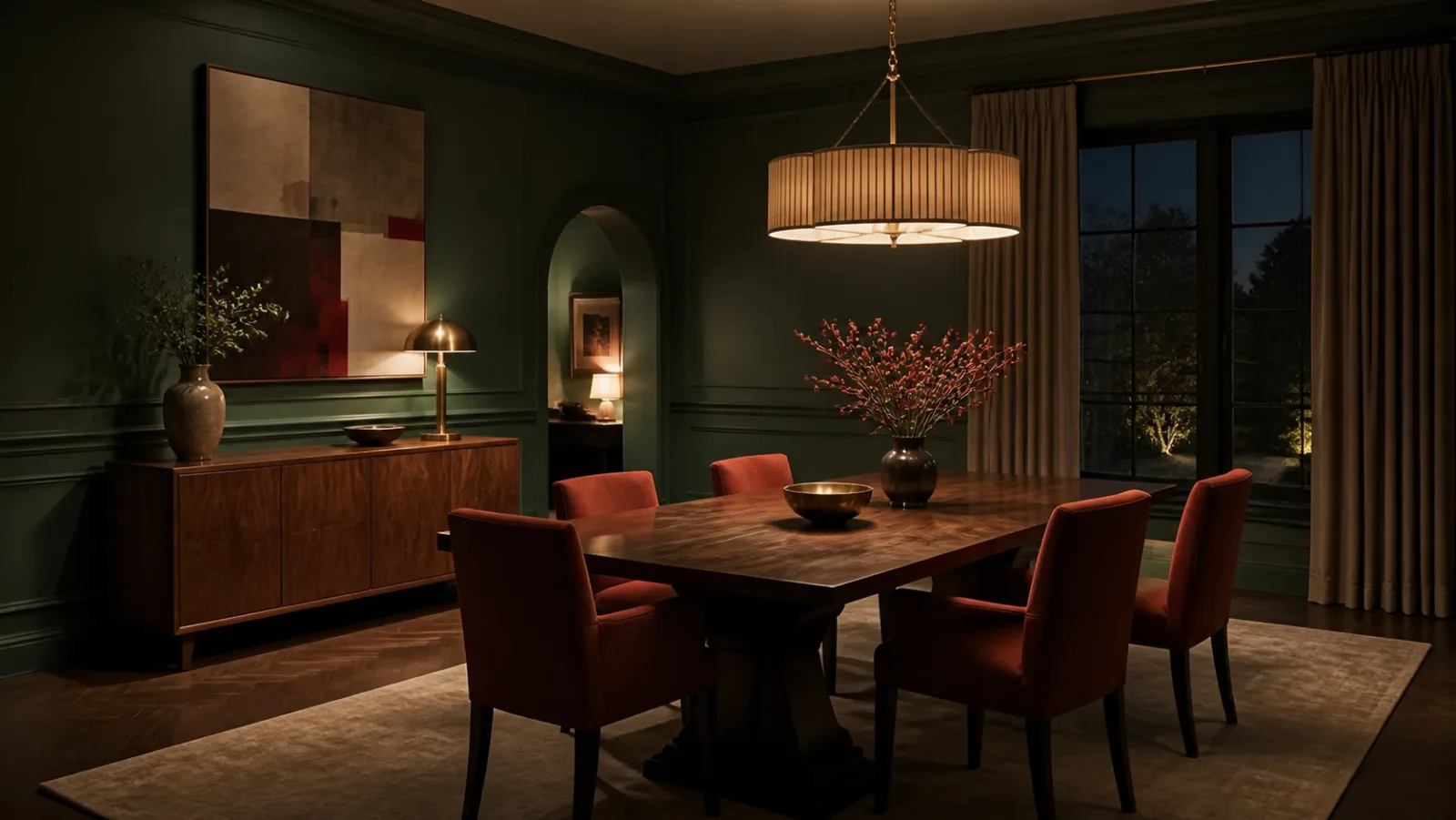
Dark Panel Room
Deep architectural color establishes a confident contemporary frame for familiar forms. Allow occupied chairs to pull out comfortably and keep the pendant aligned with the tabletop.
Five materially and spatially different neo-traditional approaches to the dining room, including a compact plan and an evening lighting study.
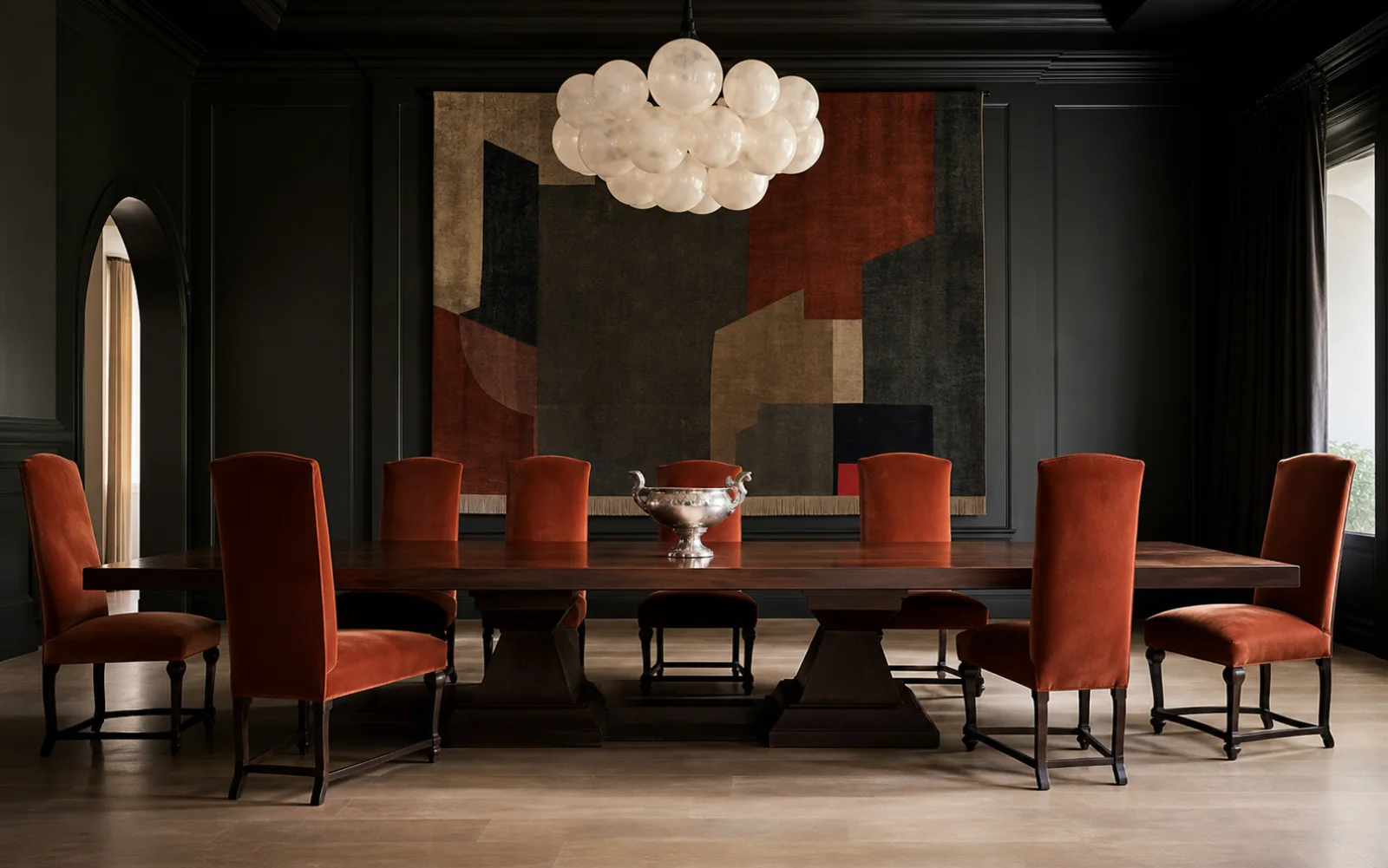
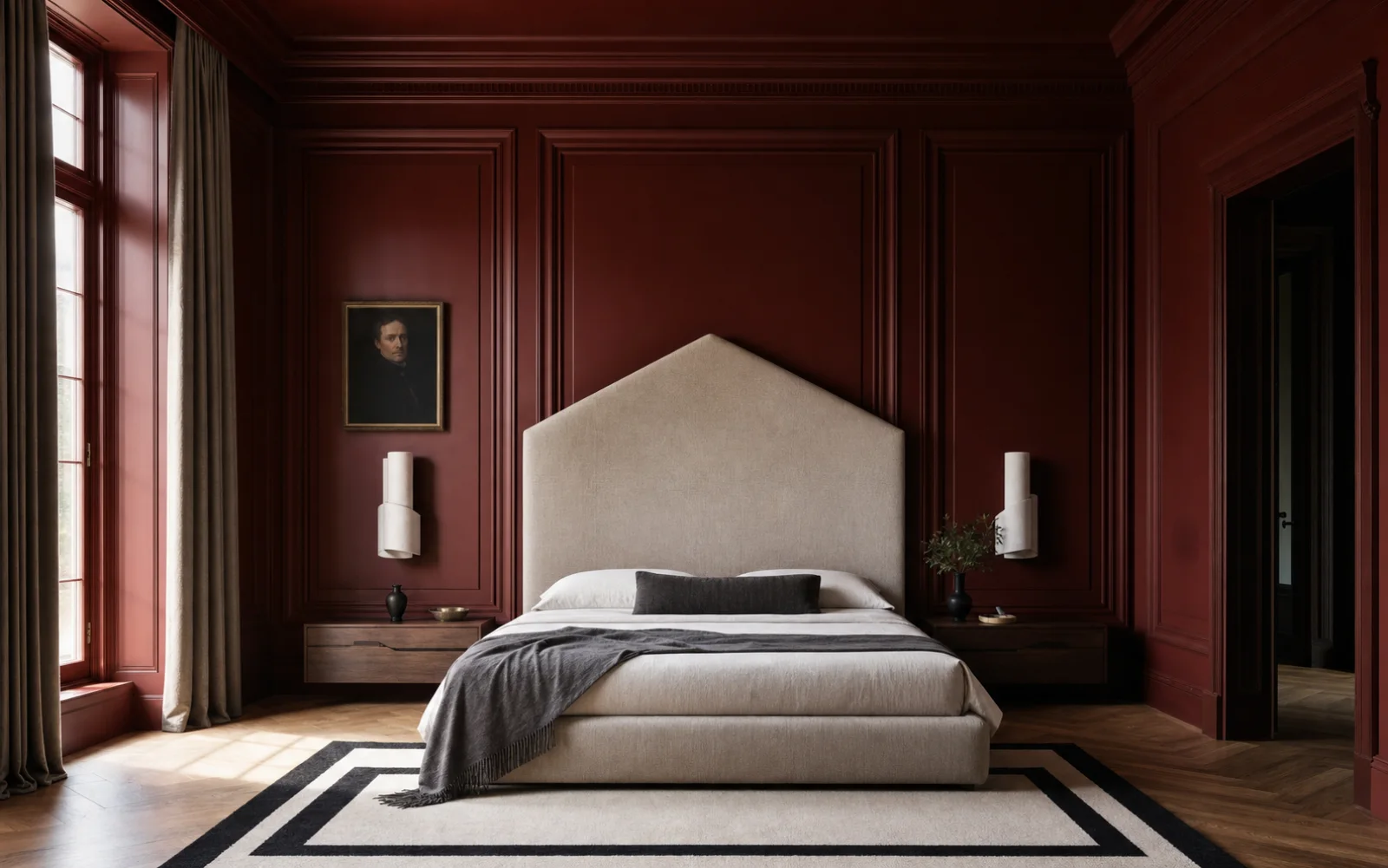
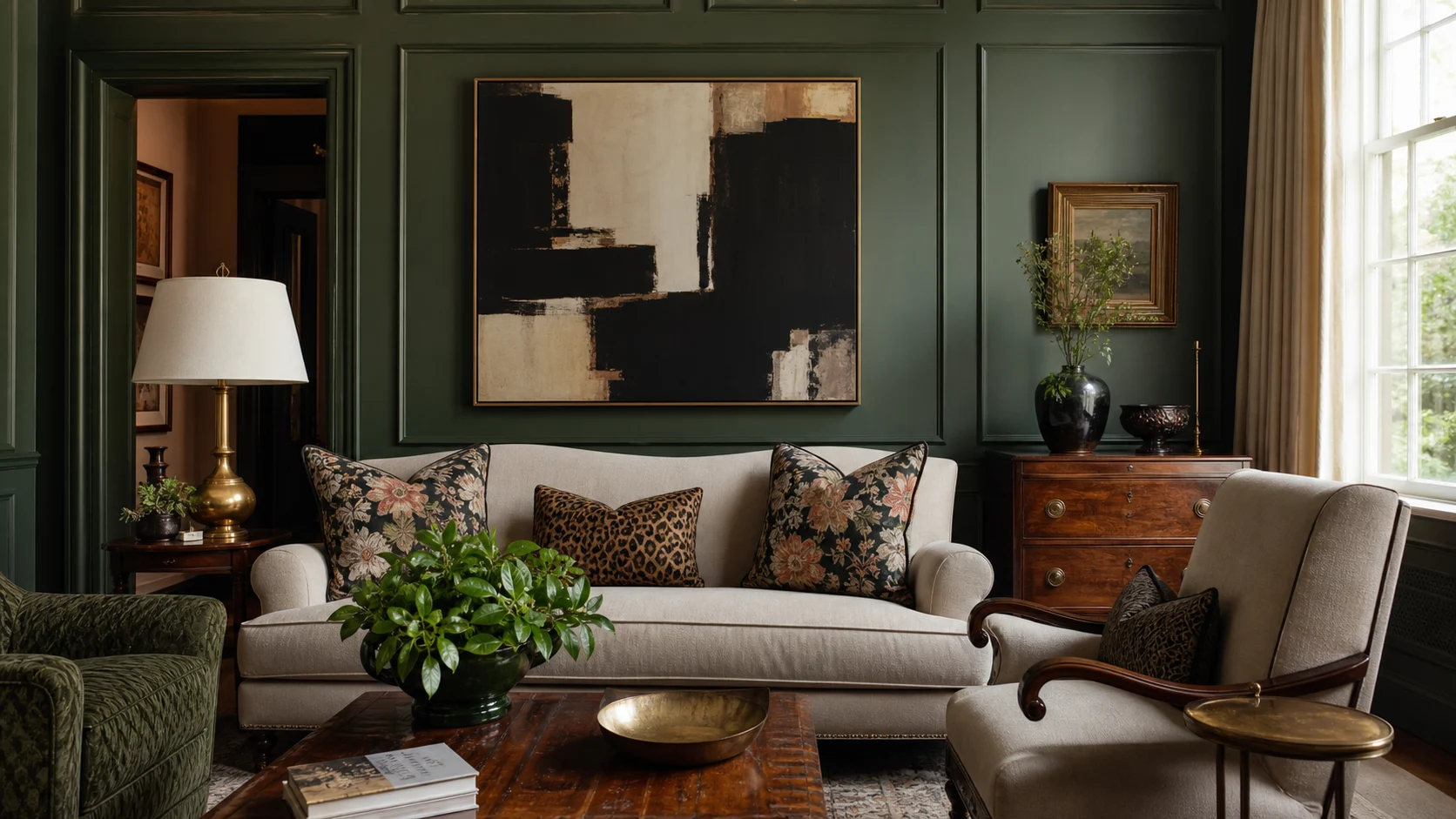
Neo-Traditional reinterprets inherited room forms through deep architectural color, useful antiques, current comfort, bold contemporary art and controlled pattern. In the dining room, that identity must still support comfortable gatherings, chair clearance and light centered on the table rather than the room.
A substantial old table or sideboard can lead the composition while current chairs and abstract art prevent a period-room result. Build contrast around one dark architectural plane and one clearly old piece, then use current seating, light and storage to keep the room livable; avoid gothic theming, matched antique suites and uncontrolled pattern.
Use these examples to choose the version of the style that fits your architecture, light and square footage.
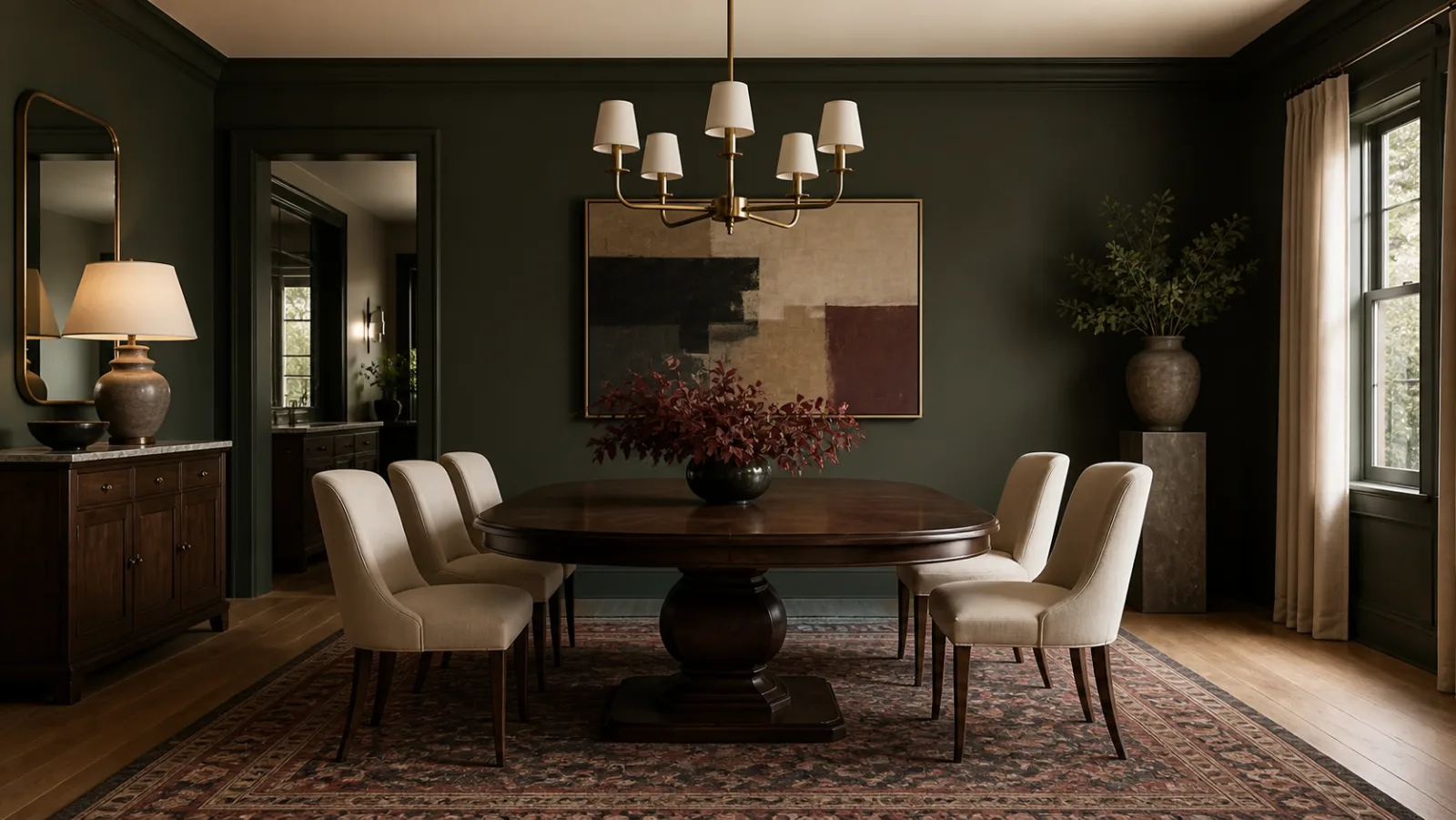
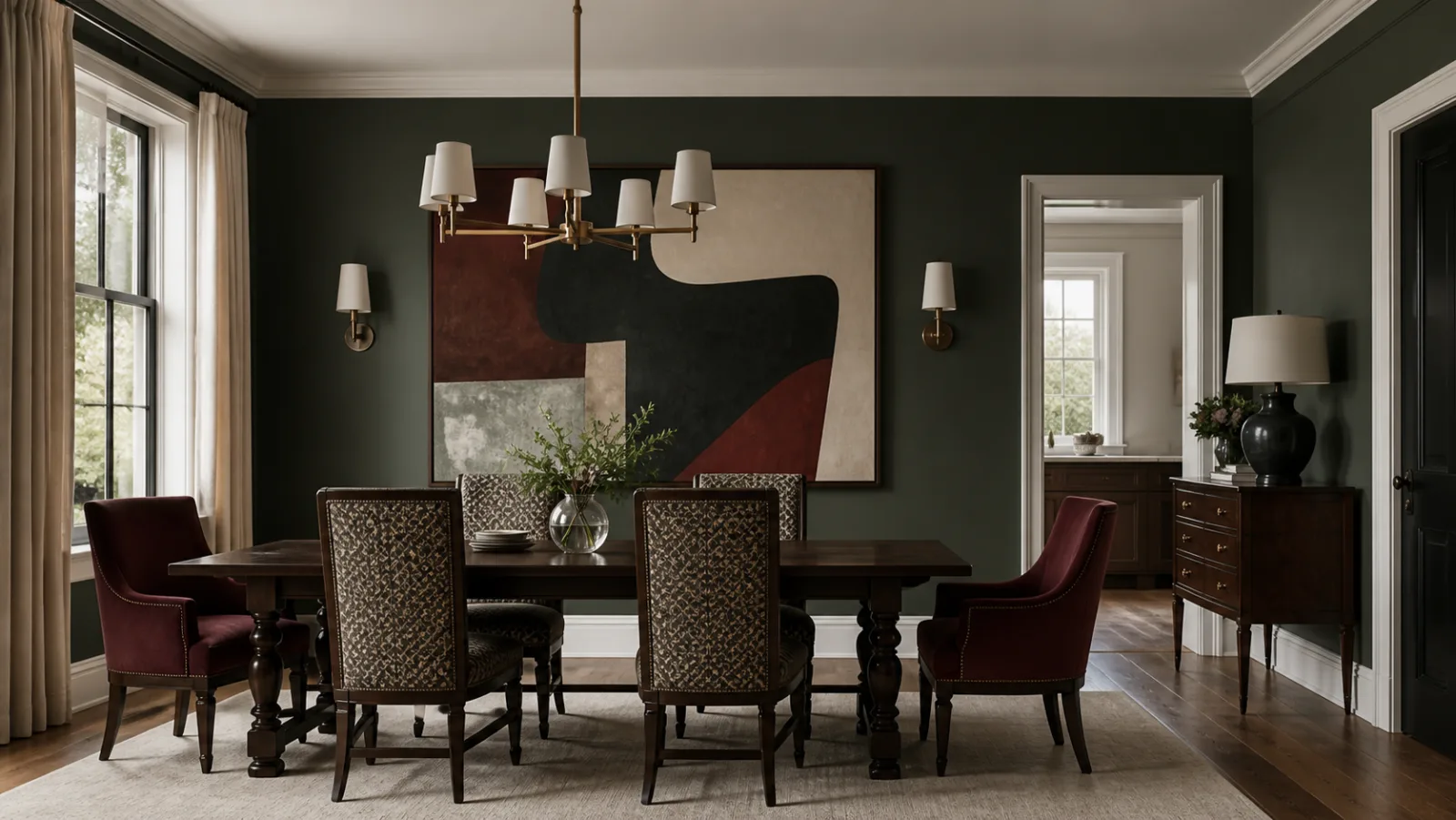
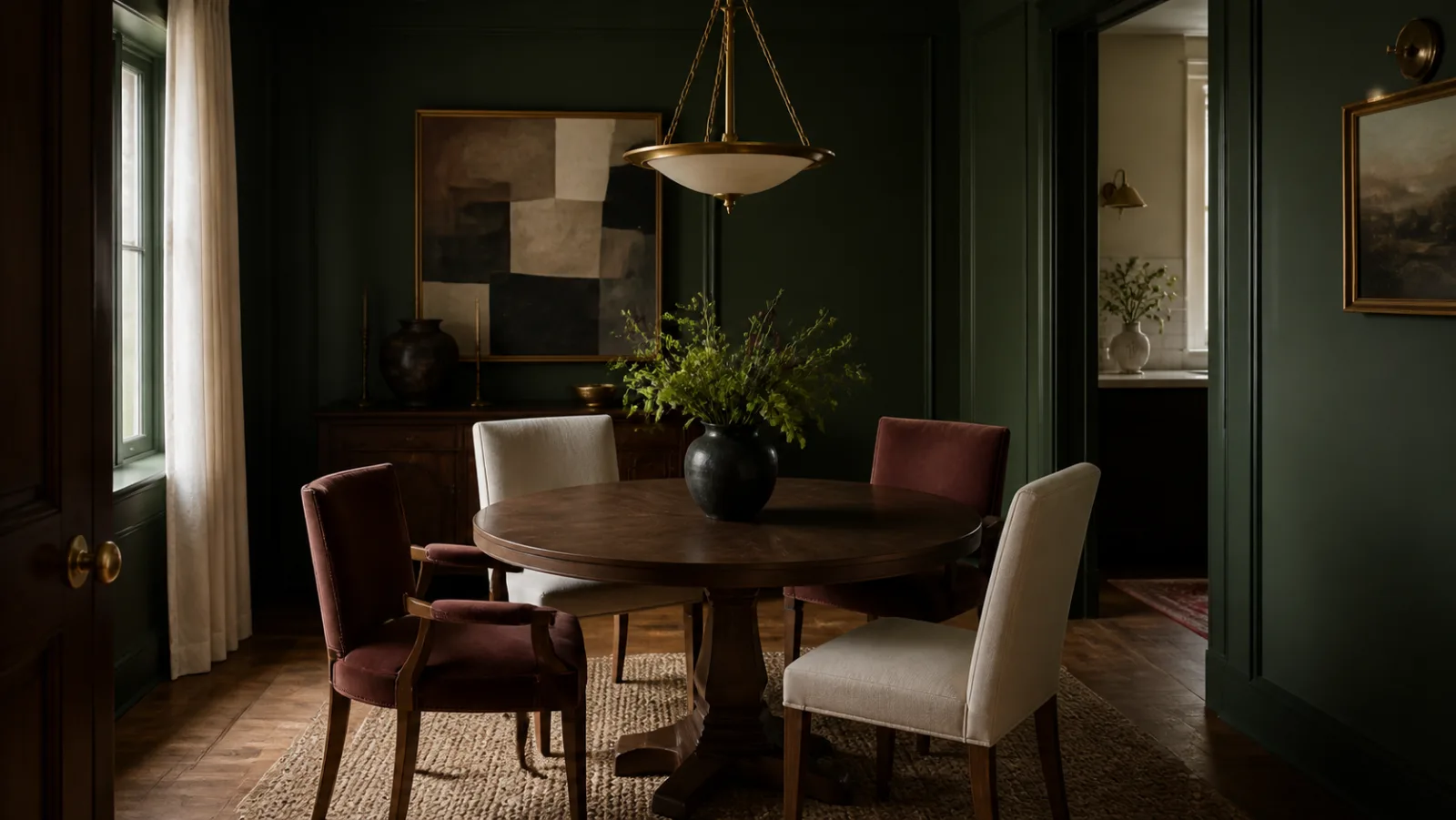
Use the style where it helps the room work: seating, circulation, focal point and material balance.
Allow chairs to pull out without blocking the main route, then choose round, oval or rectangular geometry.
Hang the fixture from the table center even when the table is not centered in the architectural room.
A shallow sideboard or wall niche should support meals without narrowing chair clearance.
Curtains, upholstery or a rug can soften a room dominated by timber, stone or glass.
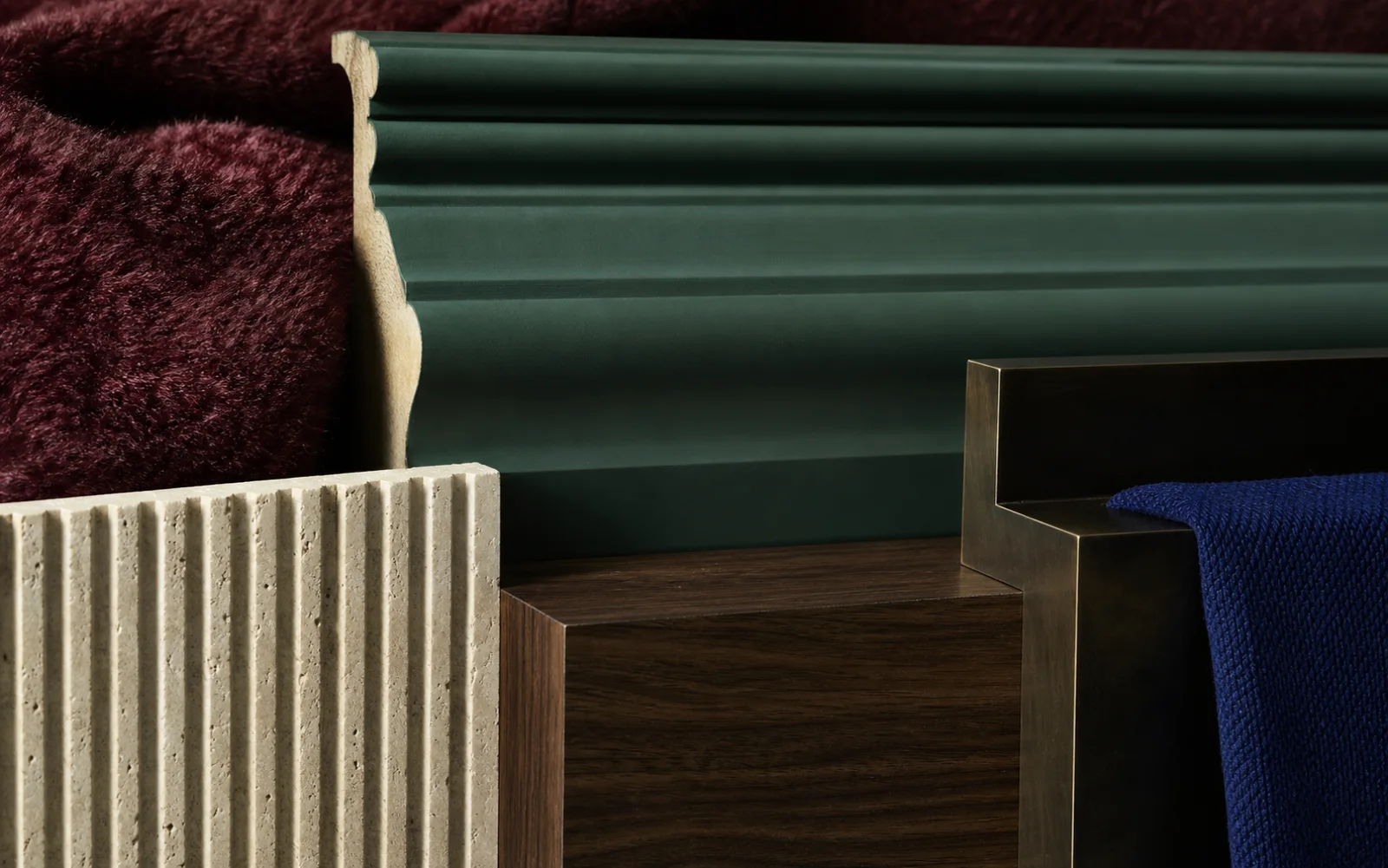
Use one saturated dark color across architecture, one pale mineral mass for contrast and a single high-chroma accent. Avoid distributing every hue evenly around the room.
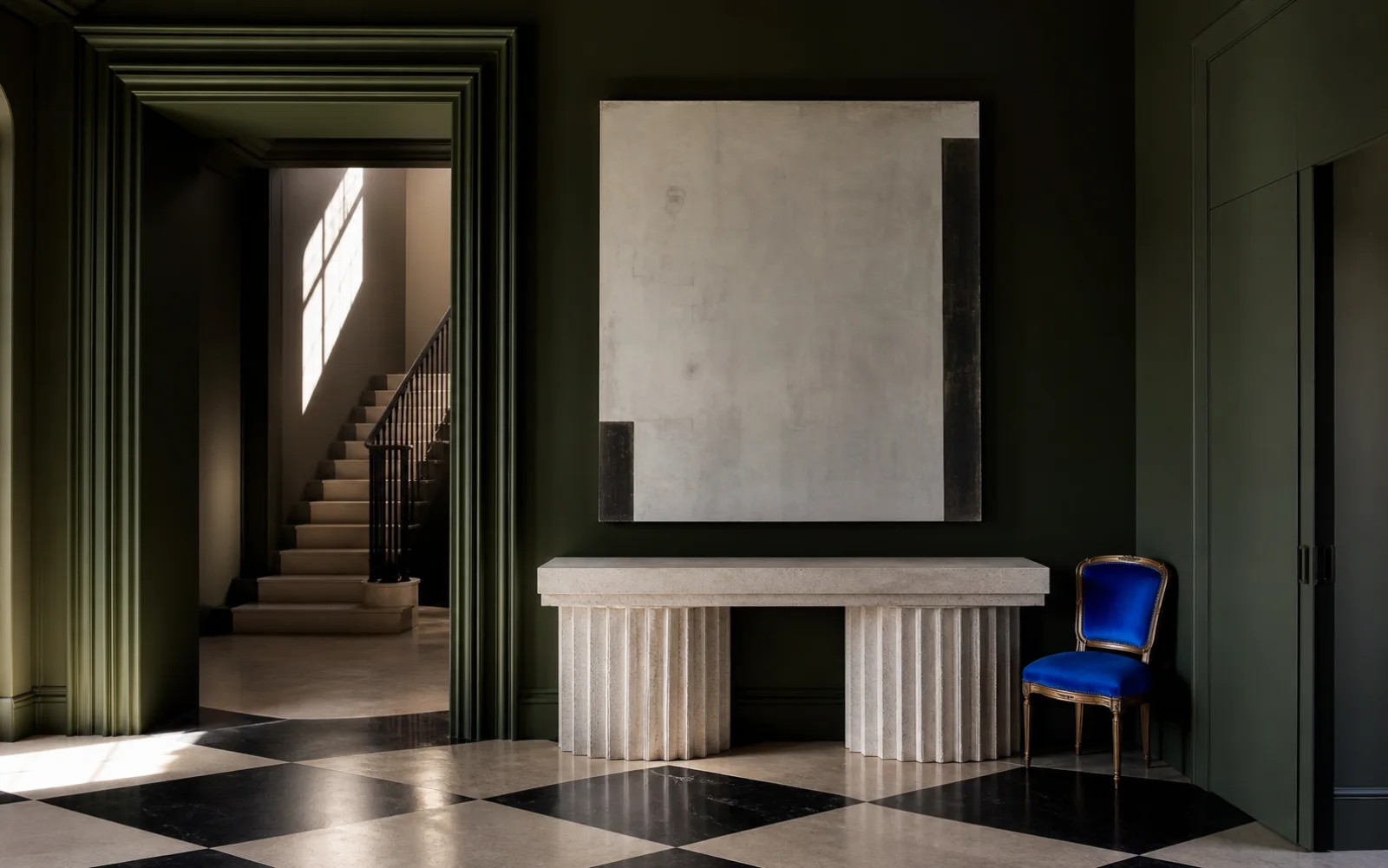
A near-black green that turns classical relief into subtle shadow.
A saturated historical red used across an entire room rather than as a small heritage accent.
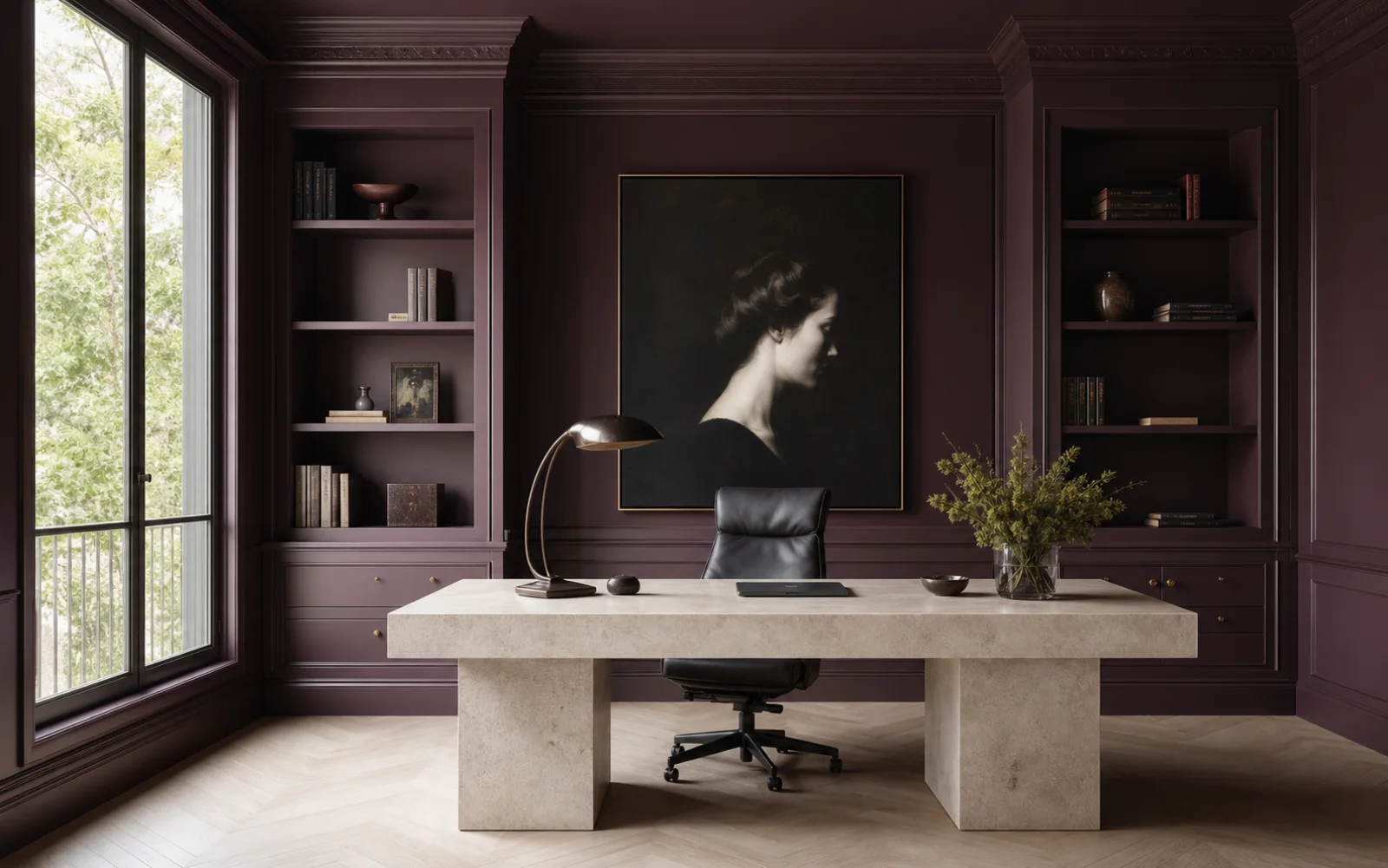
Creates an enveloping study or library with more chromatic depth than charcoal.
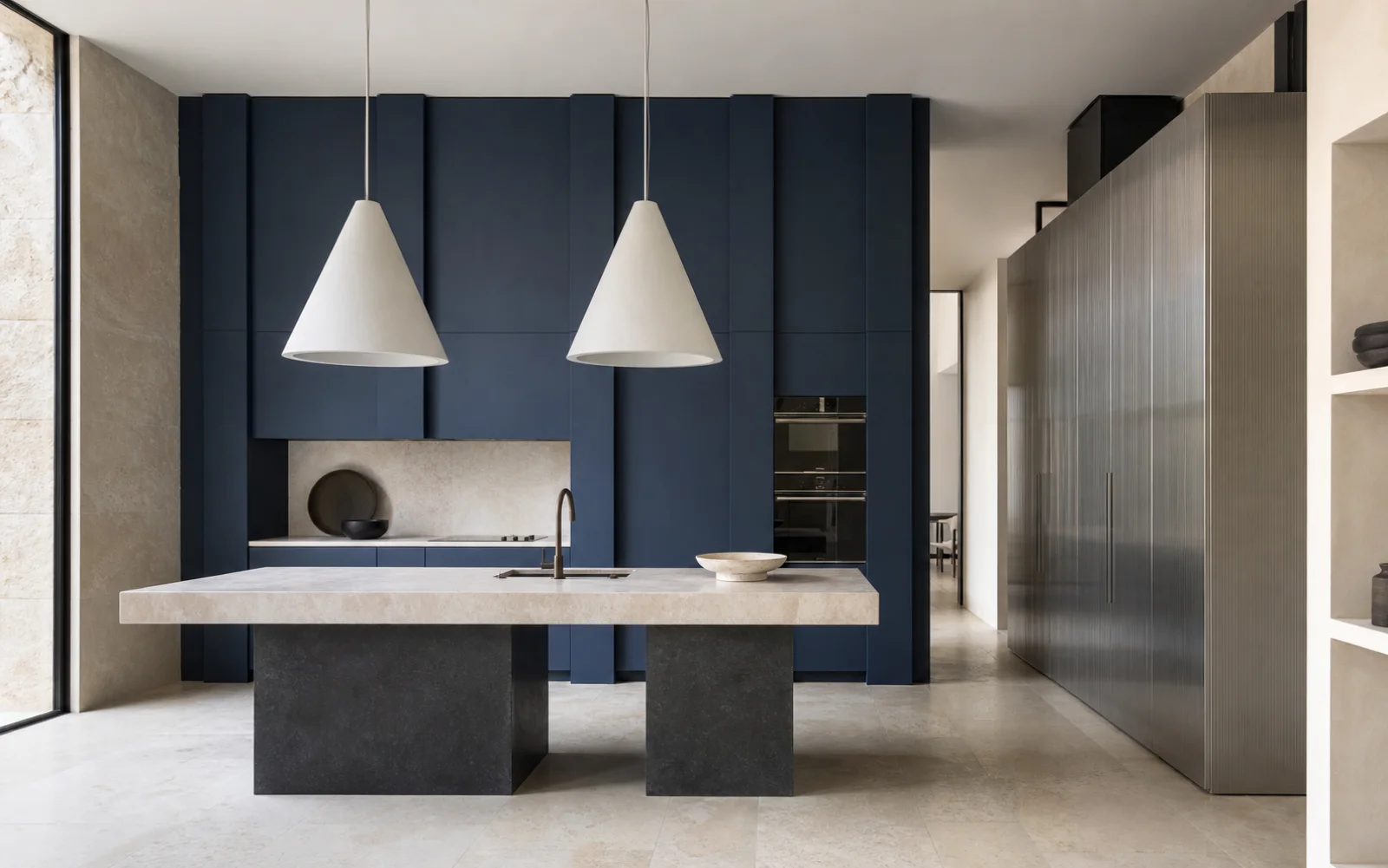
Makes familiar furniture types feel monolithic, mineral and contemporary.
One sharp textile accent interrupts the historical palette without requiring pattern.
Forest green, black-green or muted burgundy can give paneling and cabinetry deliberate depth.
Cream, parchment and warm stone keep upholstery and work surfaces usable against the darker shell.
Walnut and mahogany antiques supply age, grain and a convincing counterpoint to cleaner forms.
Olive velvet, controlled floral pattern, modern abstraction and aged brass sharpen the composition.
For this room, a few strong choices can carry the style better than adding more decor.
A substantial old table or sideboard can lead the composition while current chairs and abstract art prevent a period-room result. Confirm the dining table by dimensions, comfort and maintenance before choosing its decorative finish.
Build contrast around one dark architectural plane and one clearly old piece, then use current seating, light and storage to keep the room livable; avoid gothic theming, matched antique suites and uncontrolled pattern.
Build contrast around one dark architectural plane and one clearly old piece, then use current seating, light and storage to keep the room livable; avoid gothic theming, matched antique suites and uncontrolled pattern.
Build contrast around one dark architectural plane and one clearly old piece, then use current seating, light and storage to keep the room livable; avoid gothic theming, matched antique suites and uncontrolled pattern.
Use these checks to keep the neo-traditional character clear without compromising how the dining room works.
Include pull-out depth and the route behind occupied seats in the plan.
Relate the light to the table position so the composition stays coherent.
Leave enough clear surface for serving and use one low centerpiece.