01
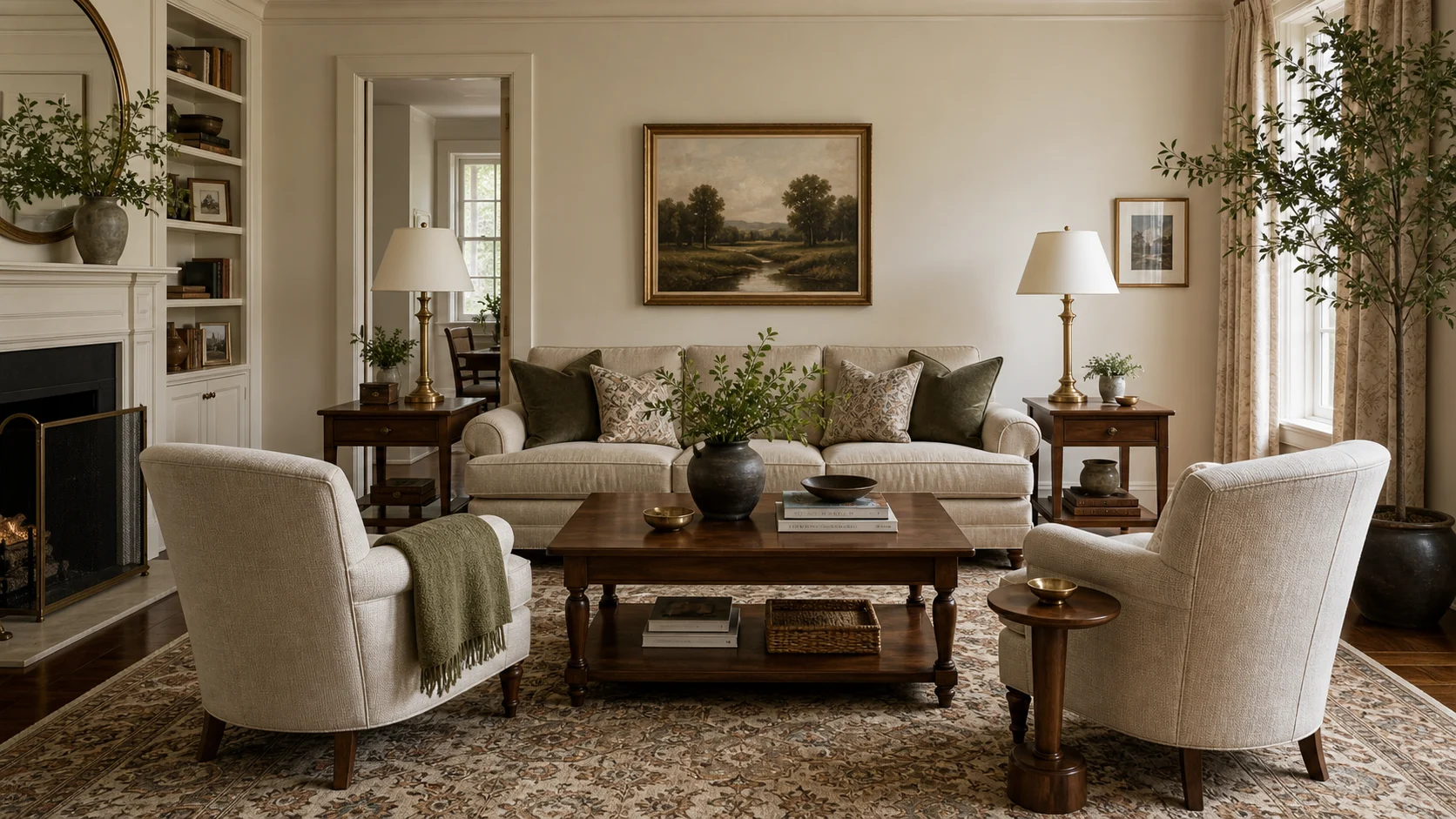
Balanced conversation room
Face seating toward a shared center so the room feels composed before accessories arrive.
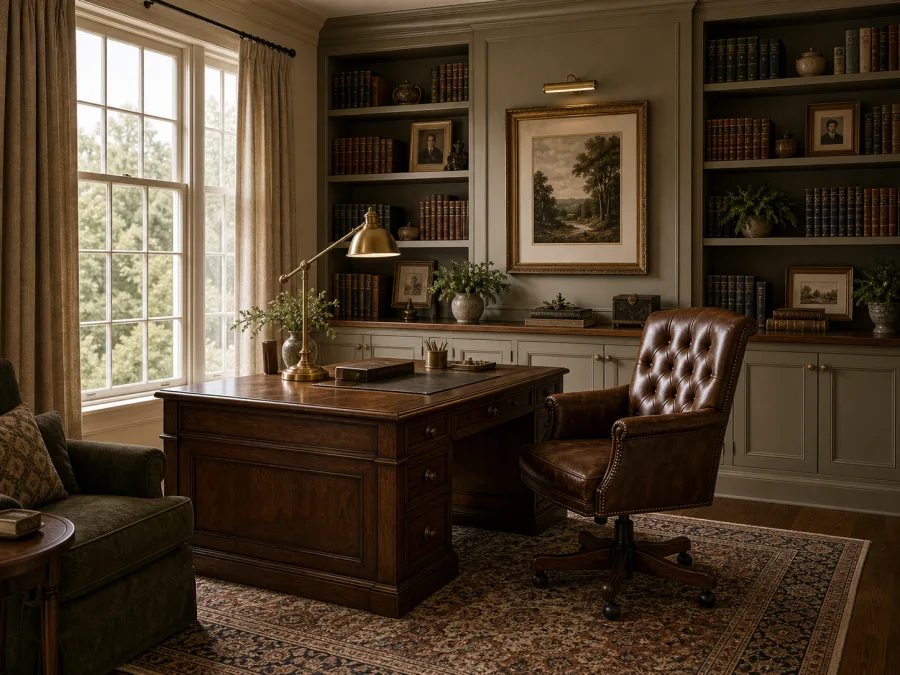
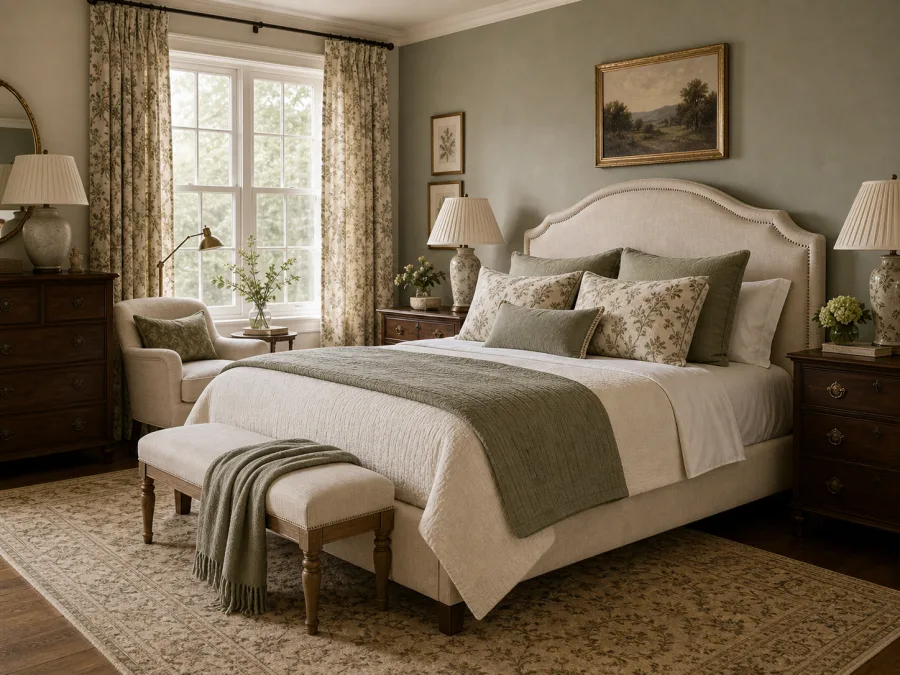
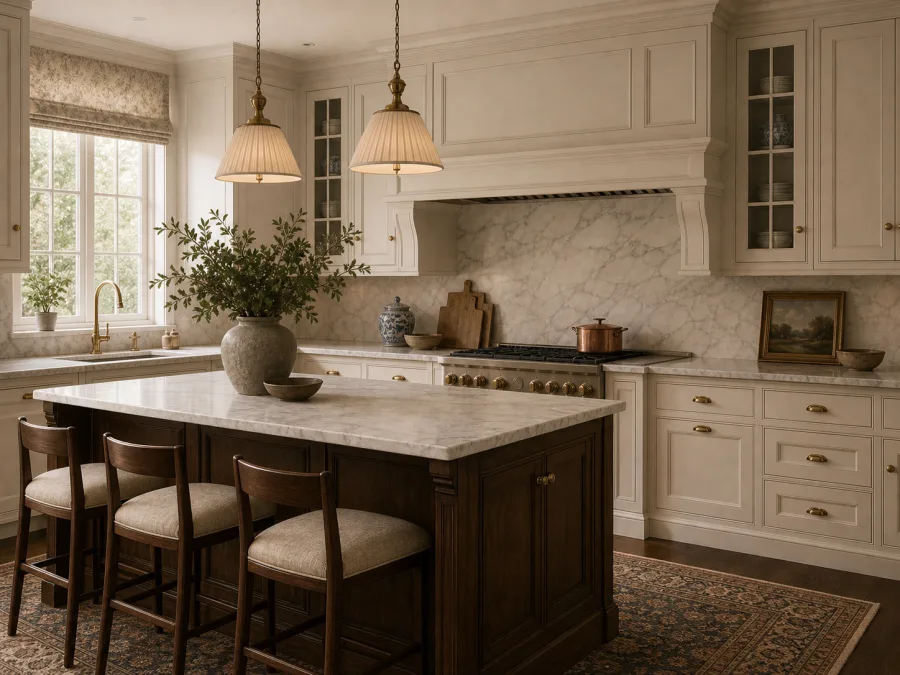
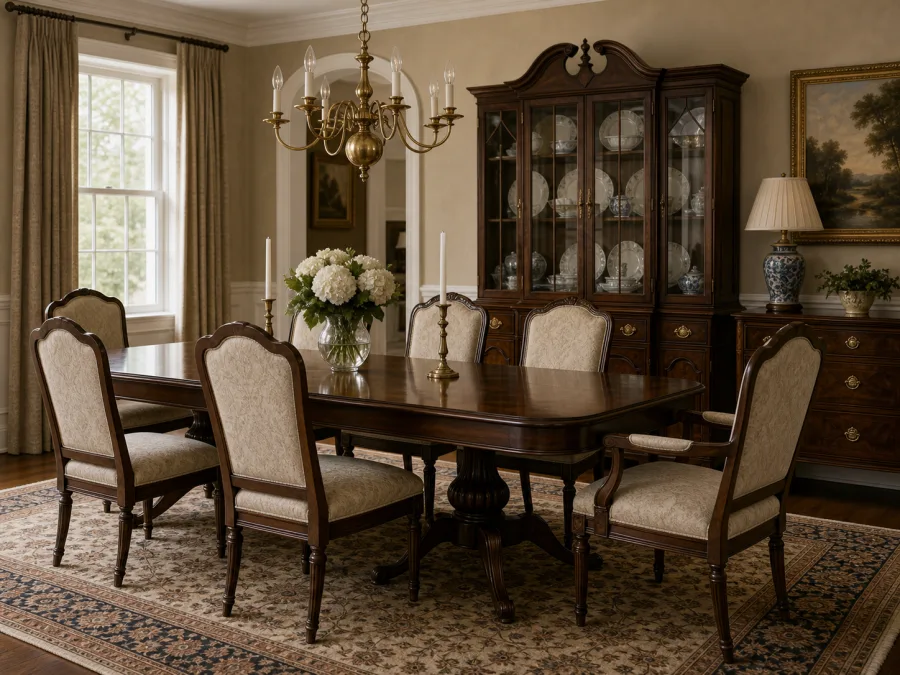
Ideas, layouts, colors and materials for a traditional living room — plus the pieces that make the look work.
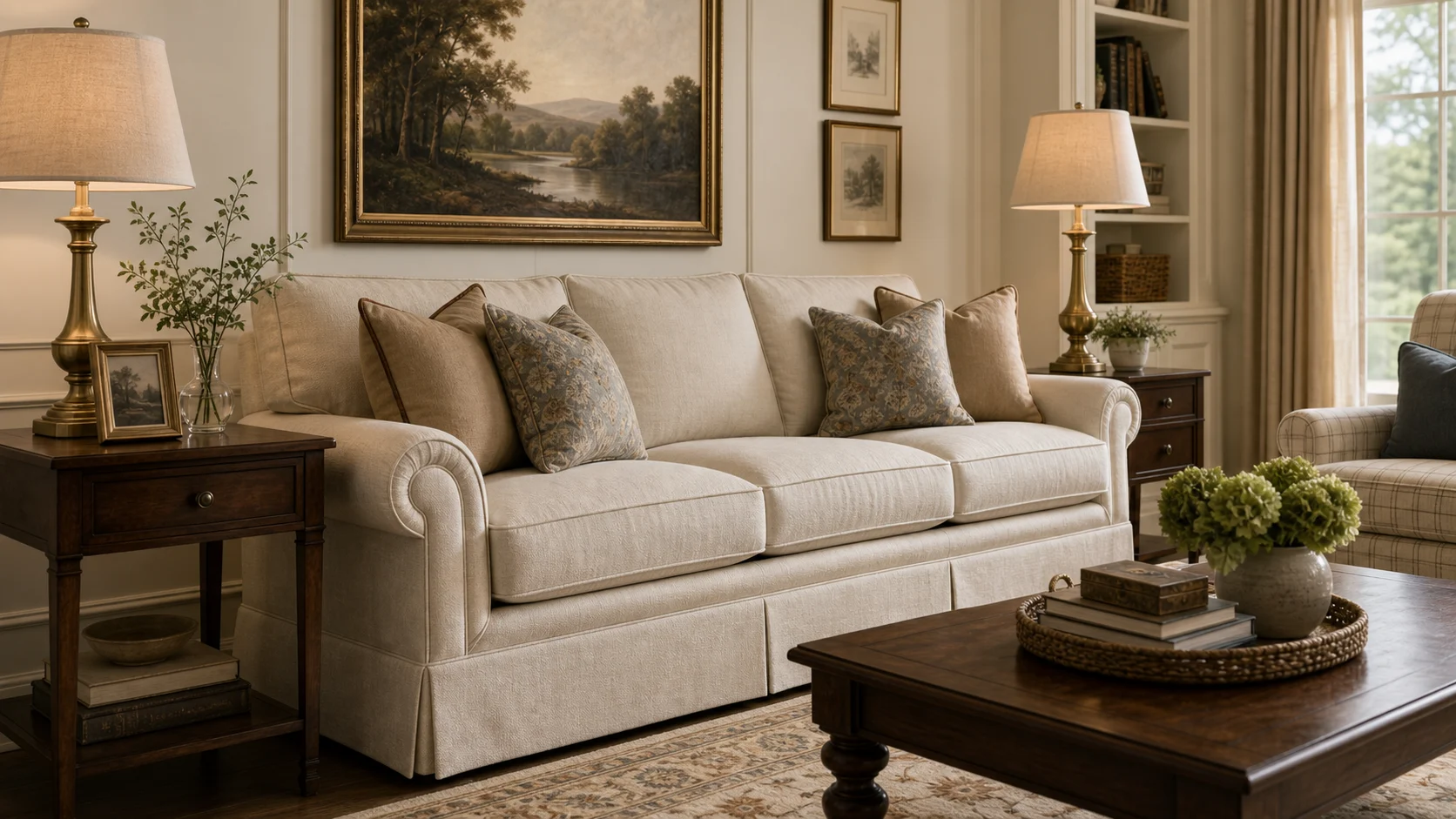
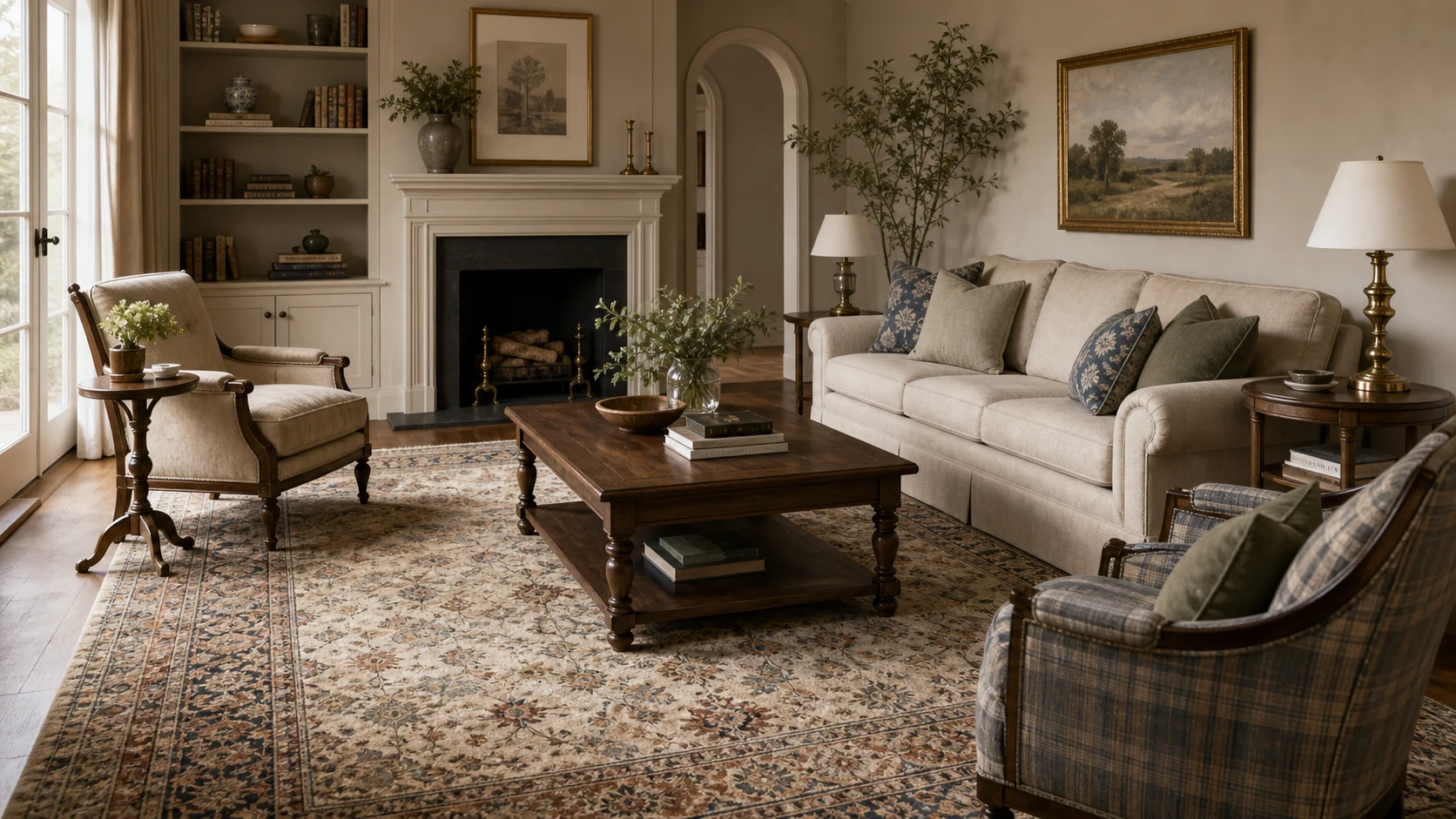
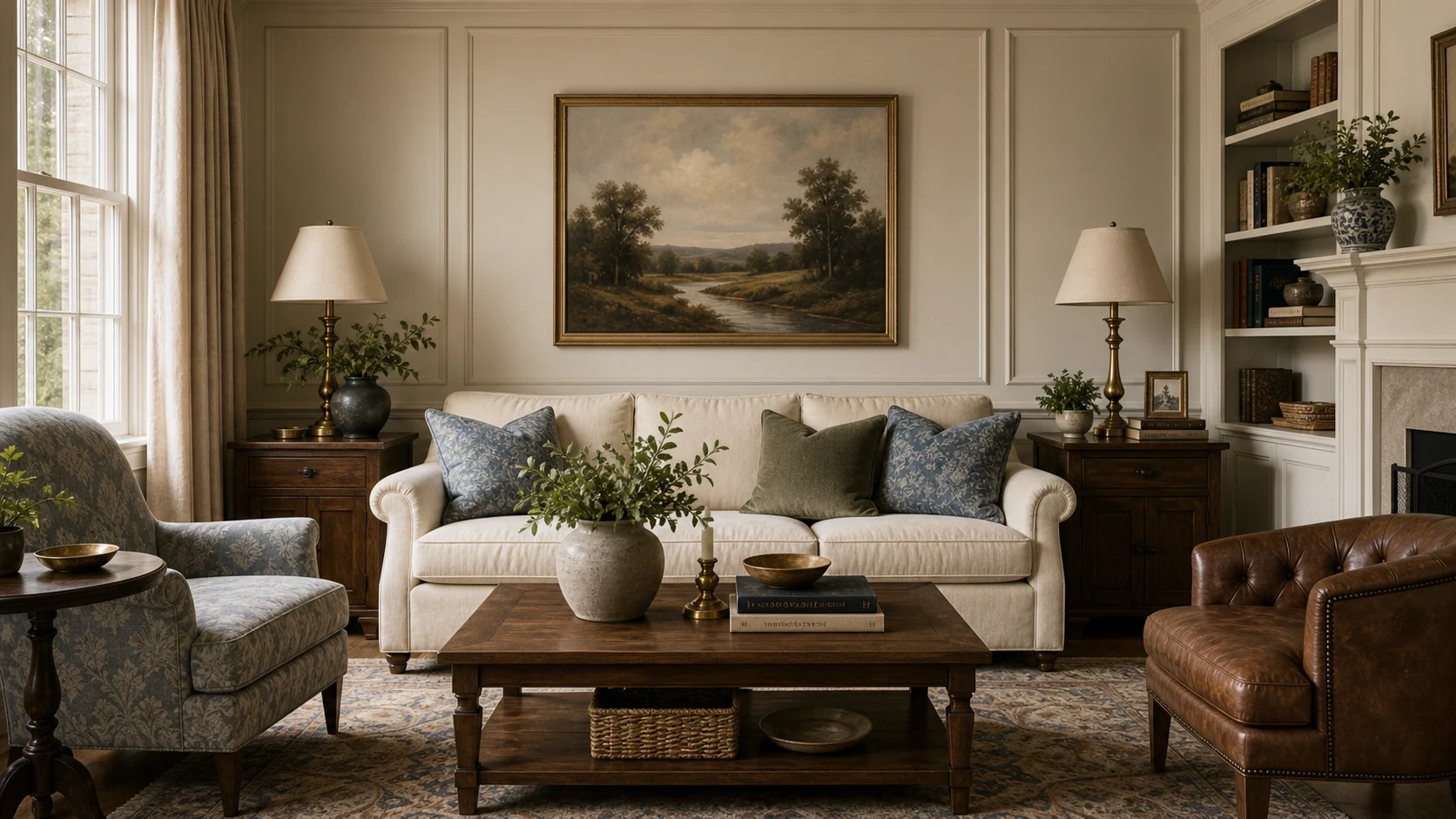
A traditional living room is built from proportion first. The sofa, chairs, rug, lamps and art should feel related in scale before the room starts to feel decorated.
Use classic seating shapes, warm wood, a patterned rug and layered lighting. The goal is a room that feels established and comfortable, not formal in a way that people avoid using.
Use these examples to choose the version of the style that fits your architecture, light and square footage.
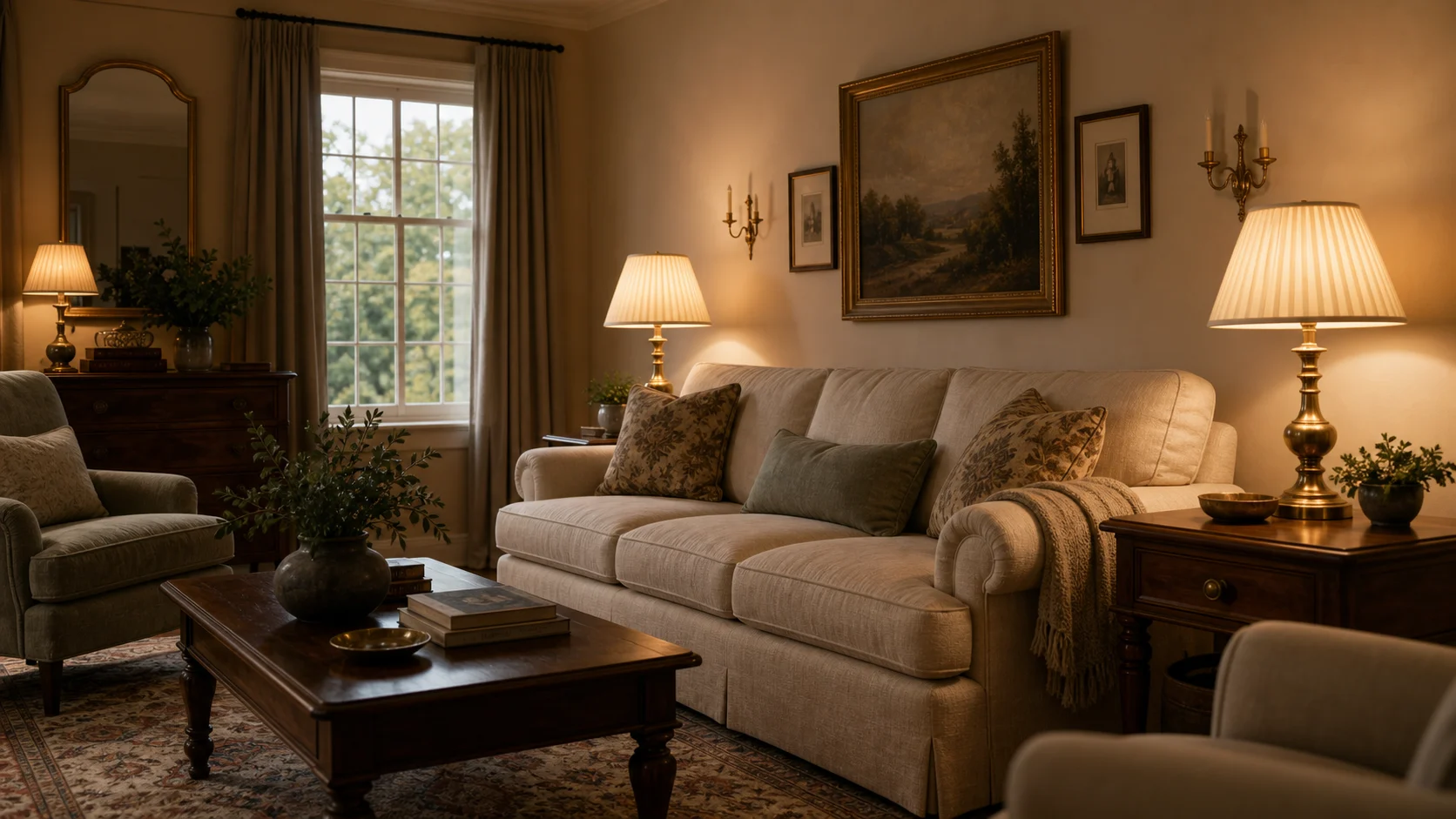
Use the style where it helps the room work: seating, circulation, focal point and material balance.
A sofa, two chairs and a table usually create a stronger traditional room than scattered individual pieces.
Pairs of lamps, chairs or side tables give order, but the whole room does not need to mirror itself.
At least the front legs of seating should sit on the rug so the room feels connected.
Traditional living rooms feel better with table lamps, floor lamps and shaded light than with one bright ceiling source.
Traditional rooms work best when the palette feels layered but controlled. Start with warm neutrals, add wood depth, then use muted accent colors through textiles, art and ceramics.
Use it for walls, trim or large upholstery so wood and pattern have a calm background.
The anchor tone for tables, casegoods, frames and library pieces.
A classic accent for pillows, ceramics, art or drapery when the room needs softness.
Best in lamps, hardware, frames and small details. It warms the palette without shouting.
Use sparingly in rugs, books or upholstery trim for depth and heritage.
Ivory, cream, taupe and warm beige support wood and pattern without feeling stark.
Walnut, mahogany or medium oak adds depth through tables, cabinets and frames.
Muted blue, sage, oxblood, rust or tobacco work well in rugs, pillows and art.
Aged brass or bronze feels warmer than chrome in a traditional room.
For this room, a few strong choices can carry the style better than adding more decor.
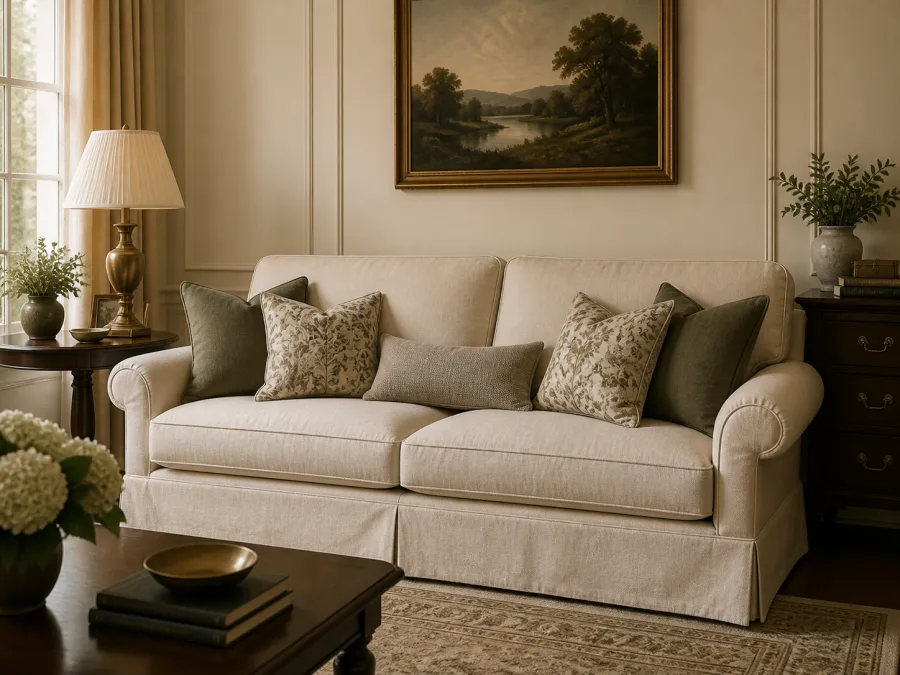
The sofa should have shape and comfort, not just a plain box profile.
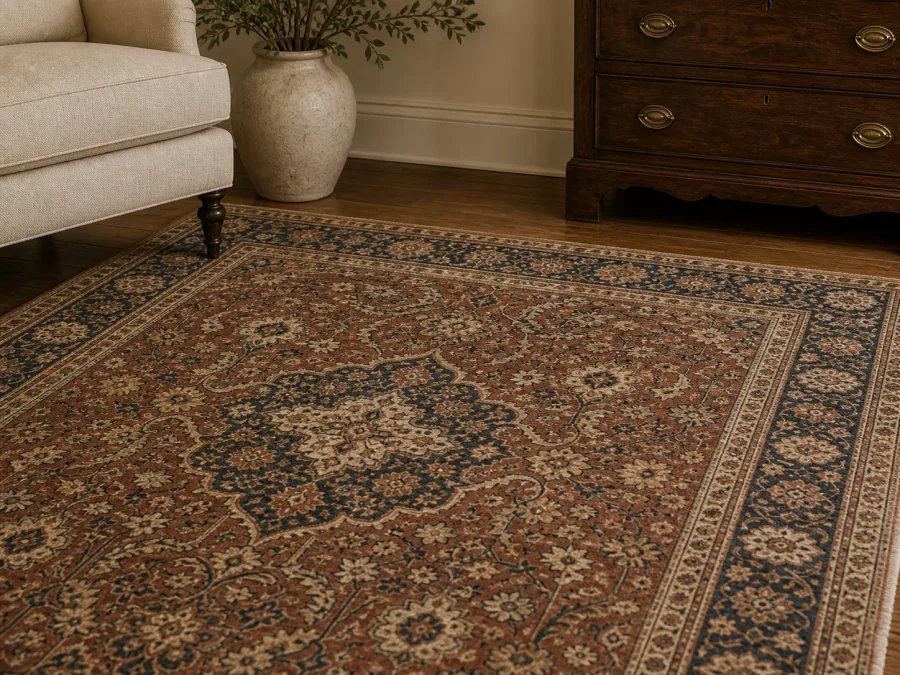
Adds color, scale and a visual foundation for the seating group.
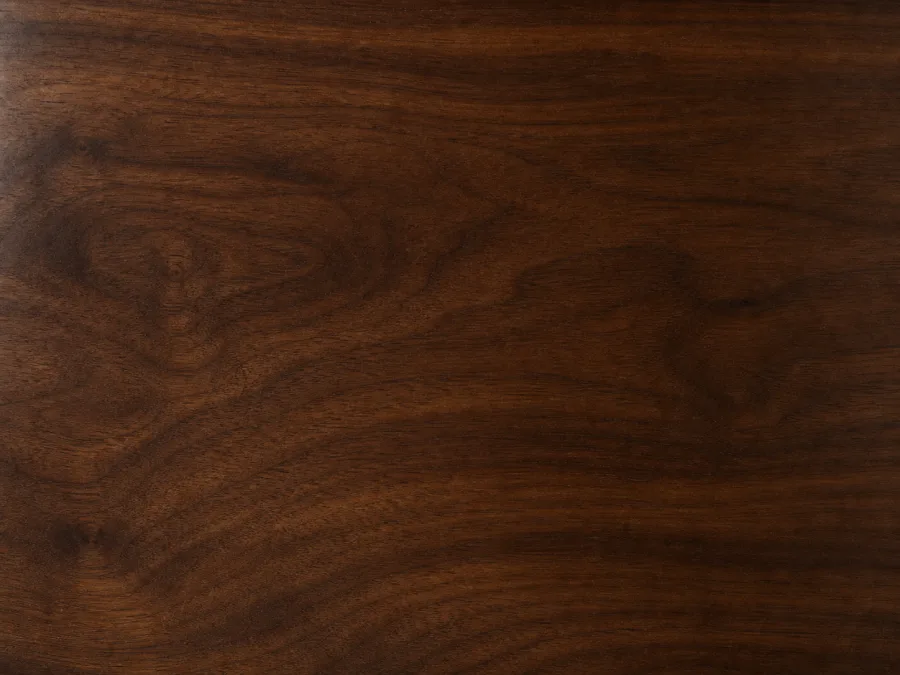
Warm wood gives the room weight and a sense of permanence.
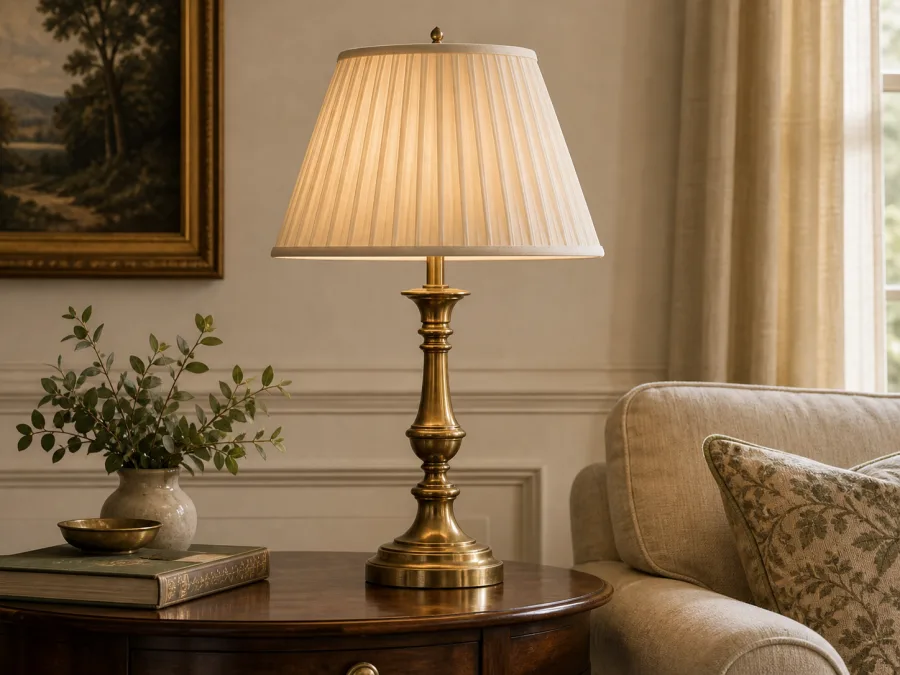
Creates warm pools of light and adds classic detail.
Use these checks to keep the traditional character clear without compromising how the living room works.
Traditional rooms need conversation groups, not a waiting-room perimeter.
Mix pattern scale carefully: one larger rug pattern, one medium textile and quieter solids.
Without lamps, traditional rooms lose the layered warmth that makes them work.