Upholstered sofa
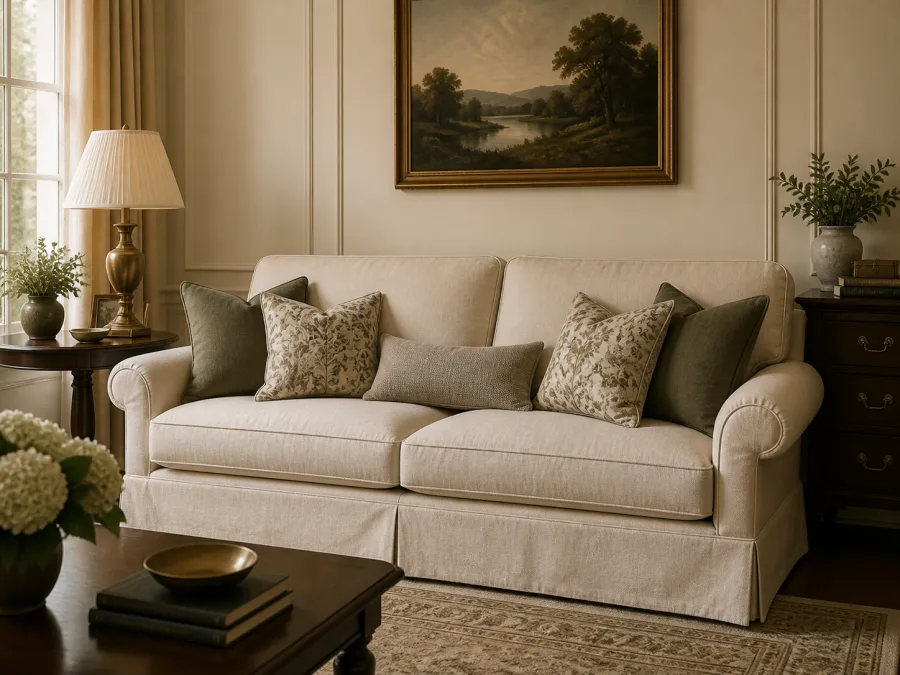
Look for tailored arms, a comfortable seat and fabric that can hold a room without looking trendy.
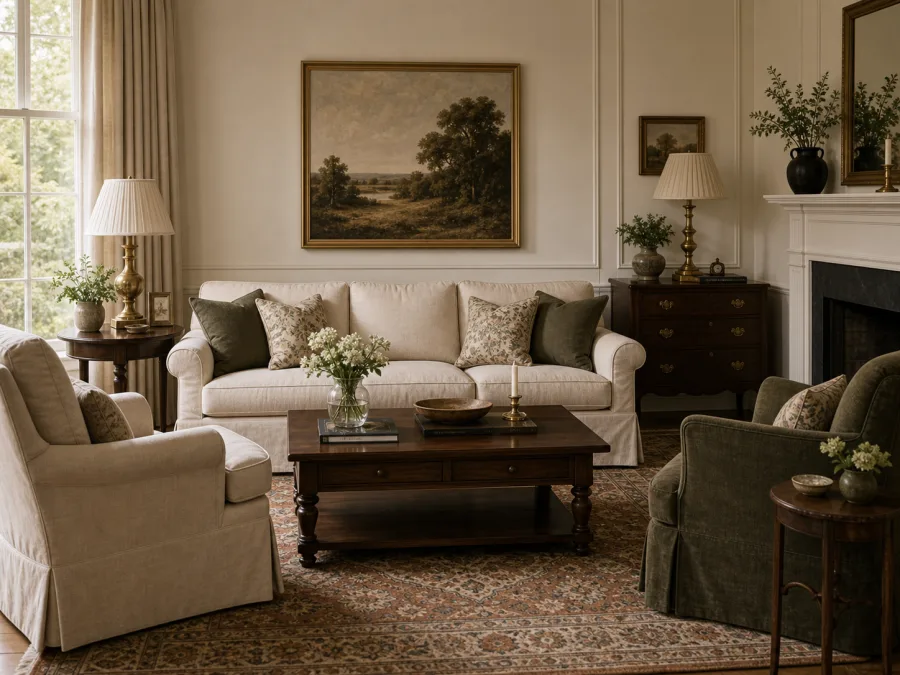
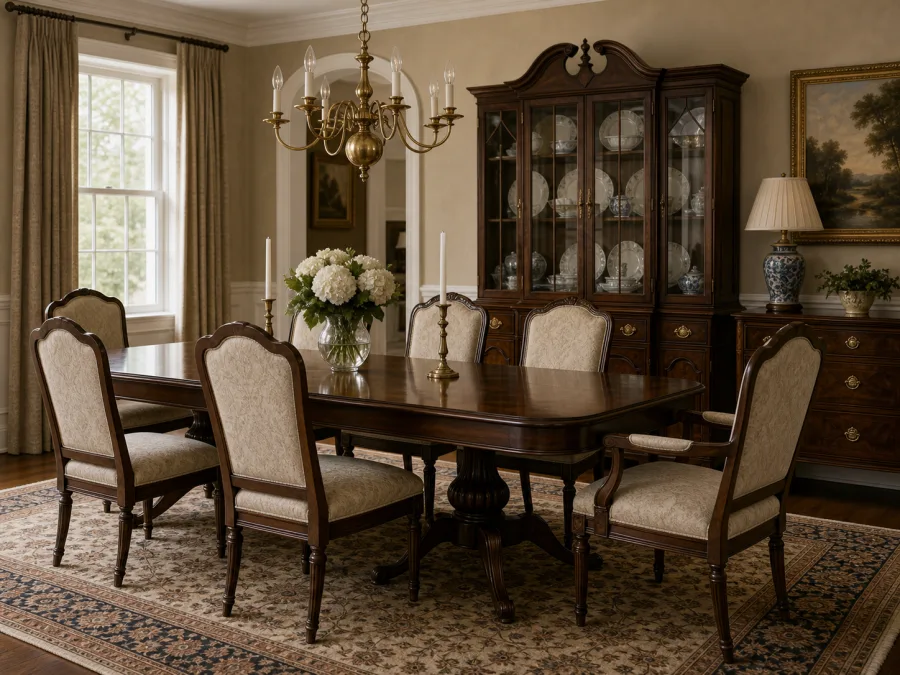
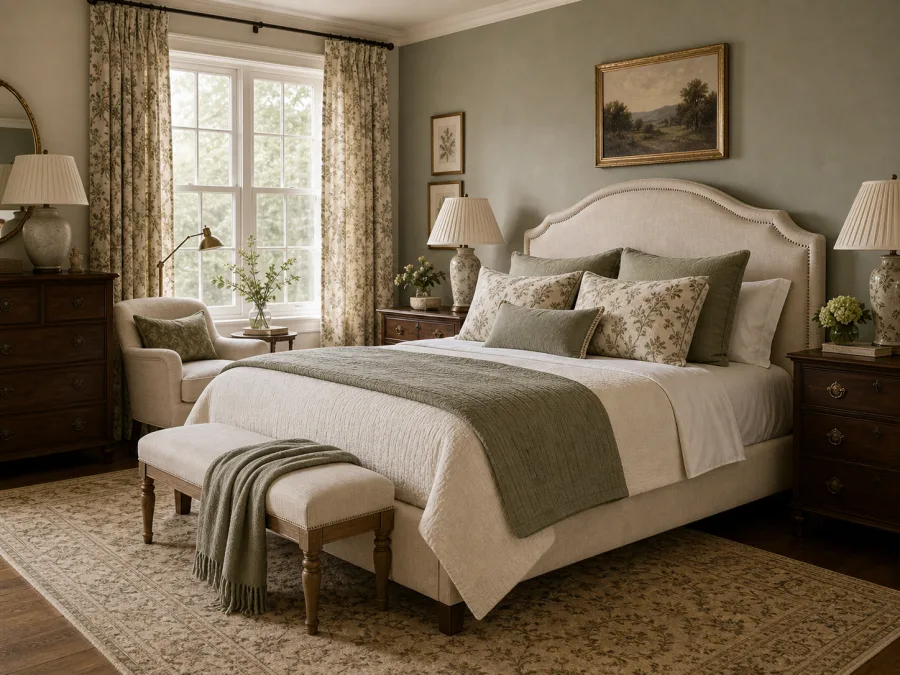
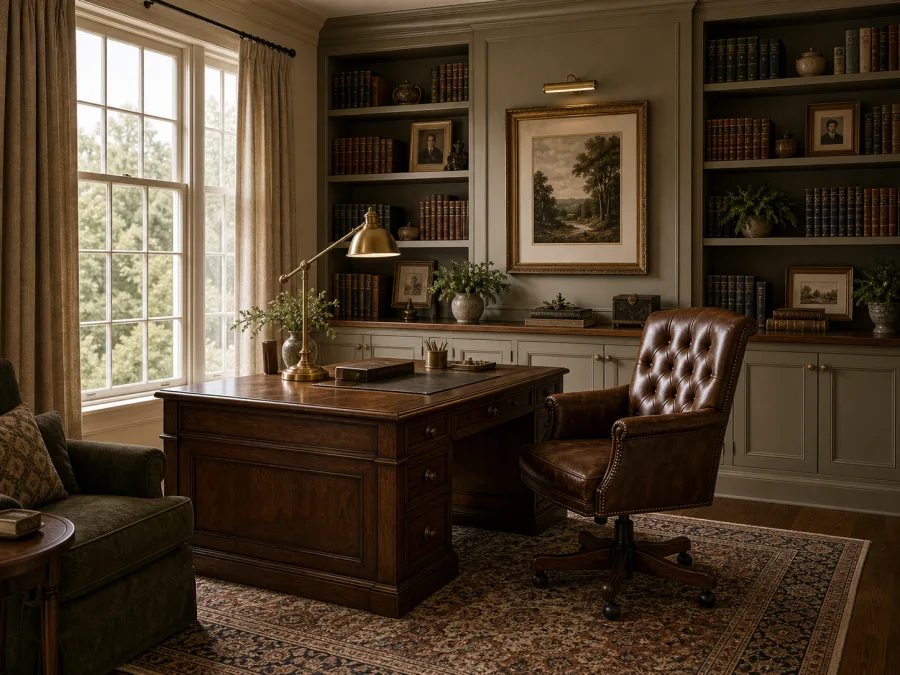
Classic rooms with symmetry, layered furniture, polished wood, patterned textiles, brass details and a sense of permanence without feeling stiff.
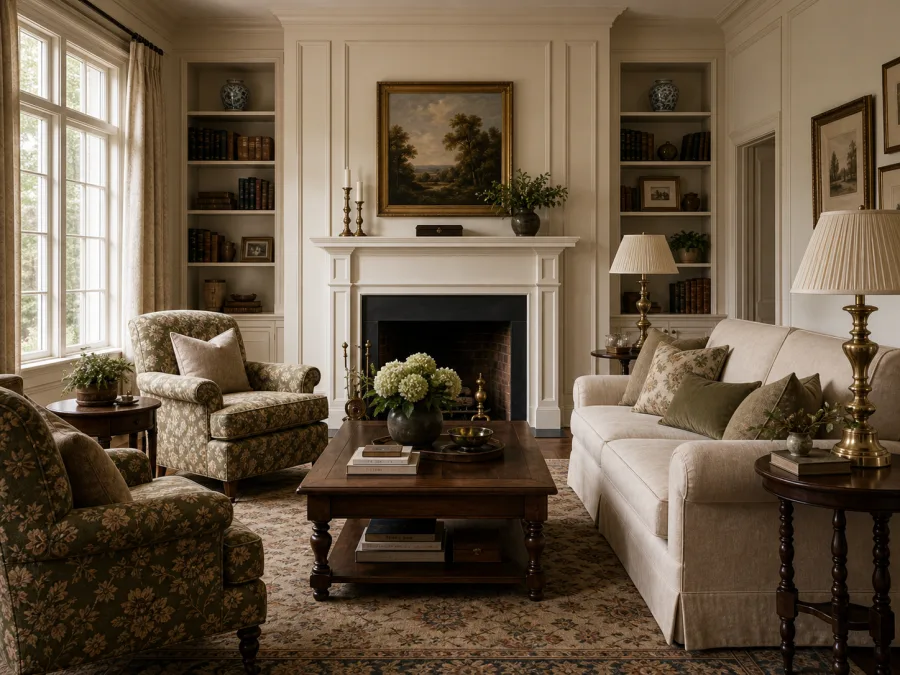
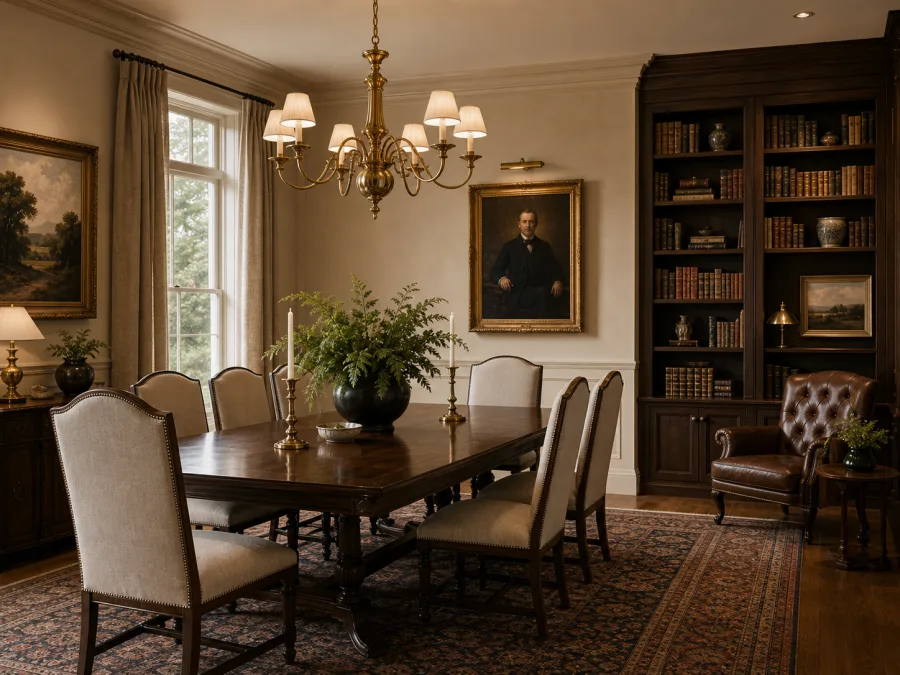
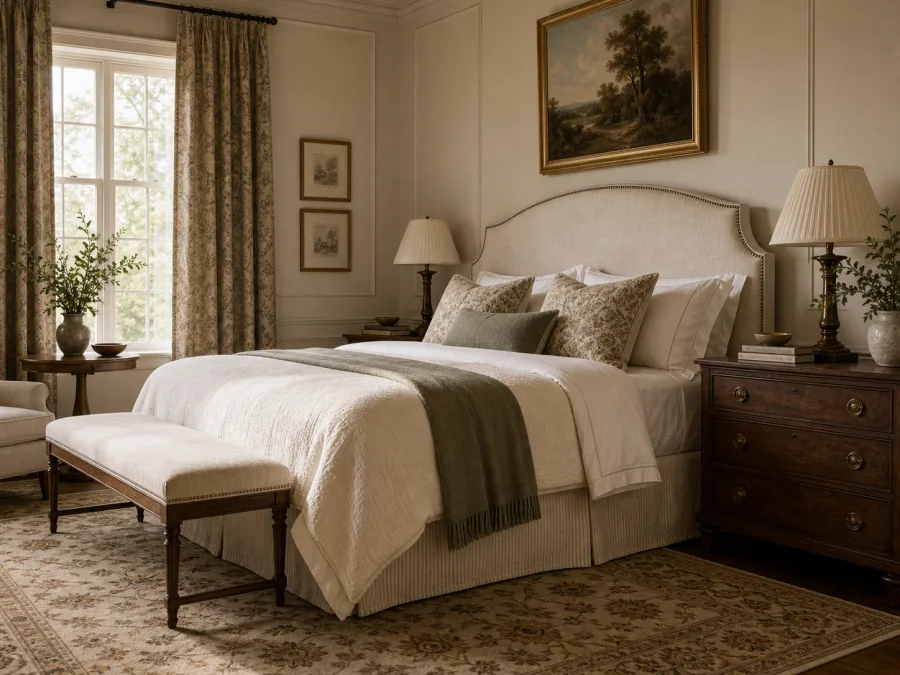
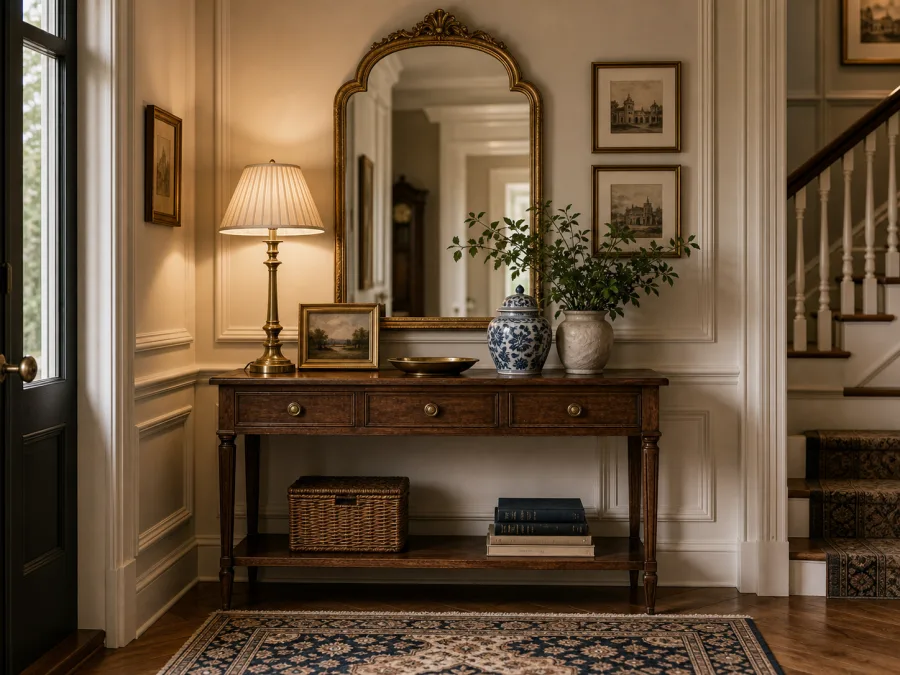
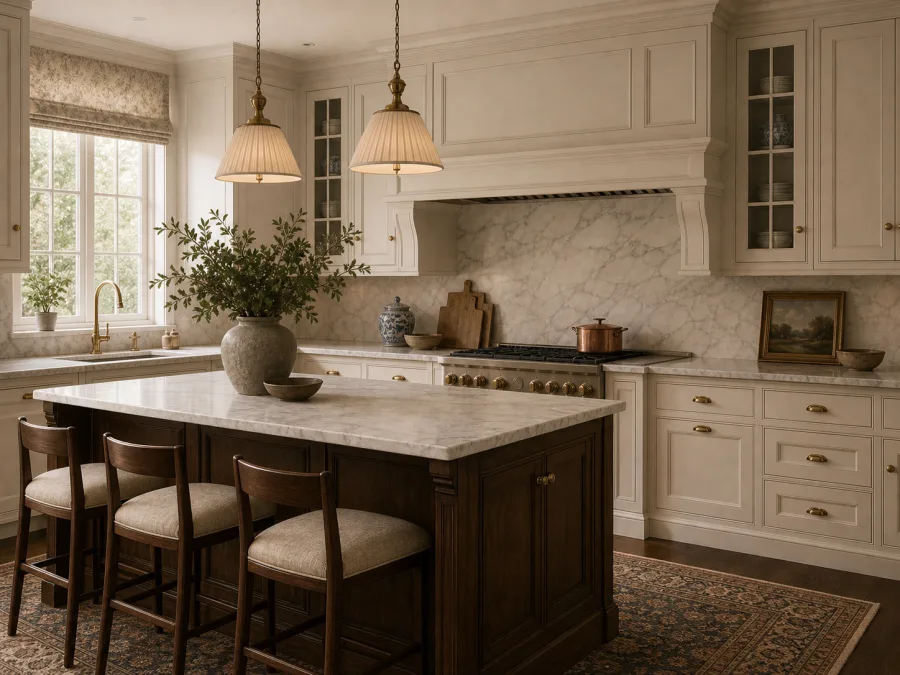
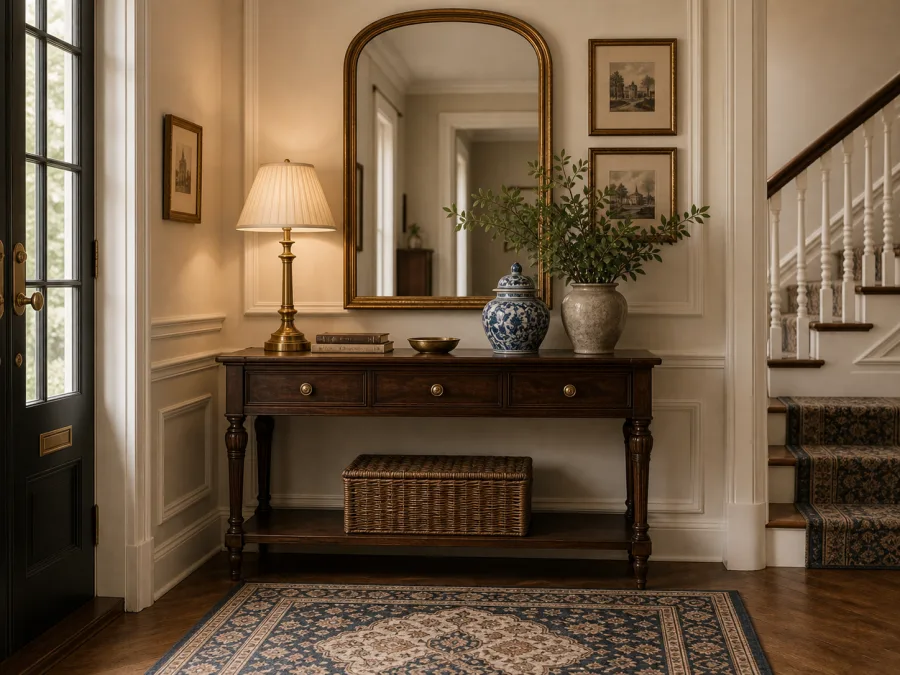
Traditional interior design is built on balance, recognizable furniture shapes and materials that feel established: wood casegoods, upholstered seating, patterned rugs, framed art, brass lamps, curtains and classic profiles.
The style is not only about antiques. A traditional room feels convincing when proportions are calm, seating is comfortable, storage is useful and decorative layers look collected over time instead of bought as a single set.
Traditional rooms rely on scale, symmetry and furniture placement before decoration starts.
Rugs, drapery and upholstery bring character, but they work best when colors share a family.
Wood, brass, art and ceramics add history when they are integrated into daily life.
Pairs of chairs, lamps or tables create order. The room can still feel relaxed, but it should not feel accidental.
Rolled arms, skirted sofas, pedestal tables, casegoods and upholstered chairs give the style its recognizable shape.
A patterned rug, small-scale fabric or framed art can make the room feel collected rather than plain.
Walnut, mahogany, aged brass and marble add weight and polish without needing loud color.
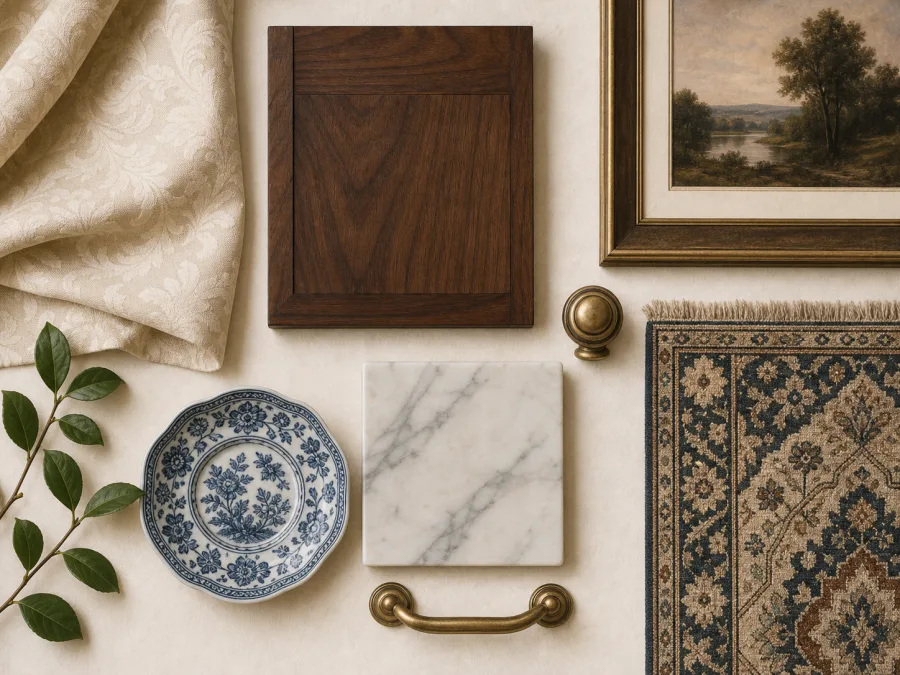
Traditional rooms work best when the palette feels layered but controlled. Start with warm neutrals, add wood depth, then use muted accent colors through textiles, art and ceramics.
Use it for walls, trim or large upholstery so wood and pattern have a calm background.
The anchor tone for tables, casegoods, frames and library pieces.
A classic accent for pillows, ceramics, art or drapery when the room needs softness.
Best in lamps, hardware, frames and small details. It warms the palette without shouting.
Use sparingly in rugs, books or upholstery trim for depth and heritage.
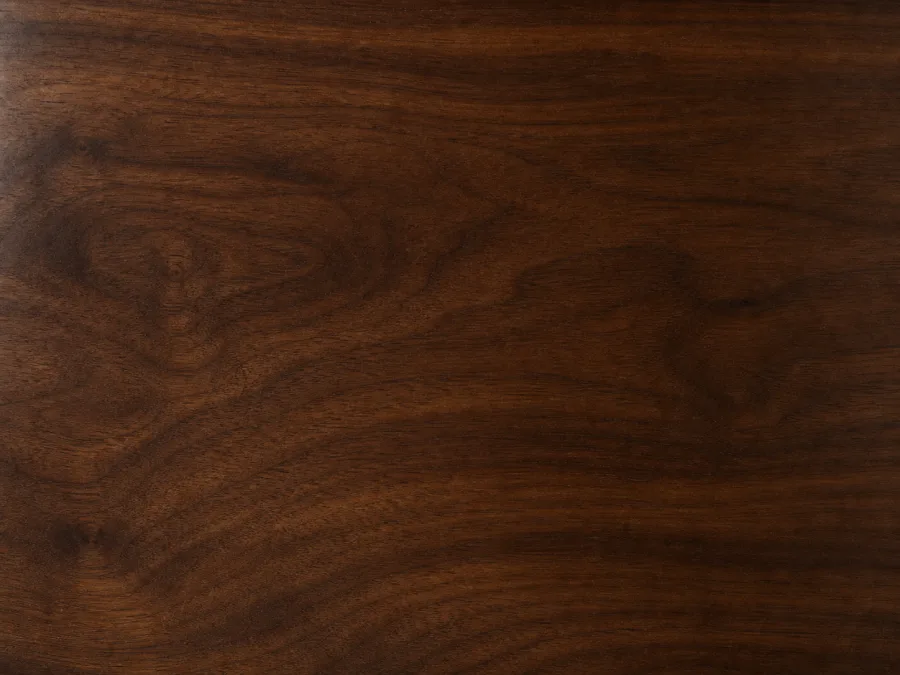
Adds depth and permanence through tables, casegoods, frames and built-ins.
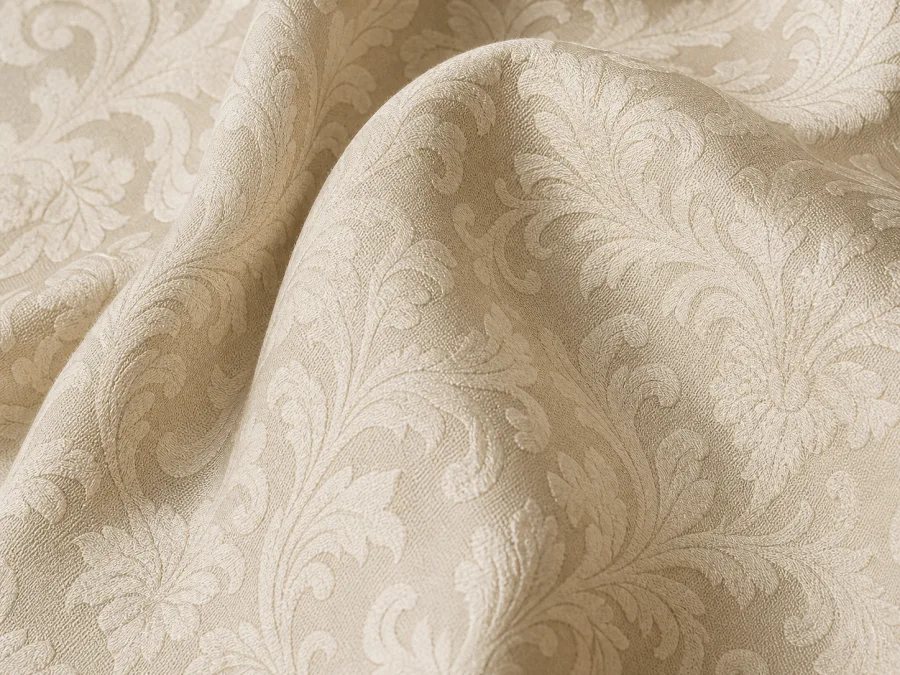
A subtle pattern layer for upholstery, pillows or drapery without overwhelming the room.
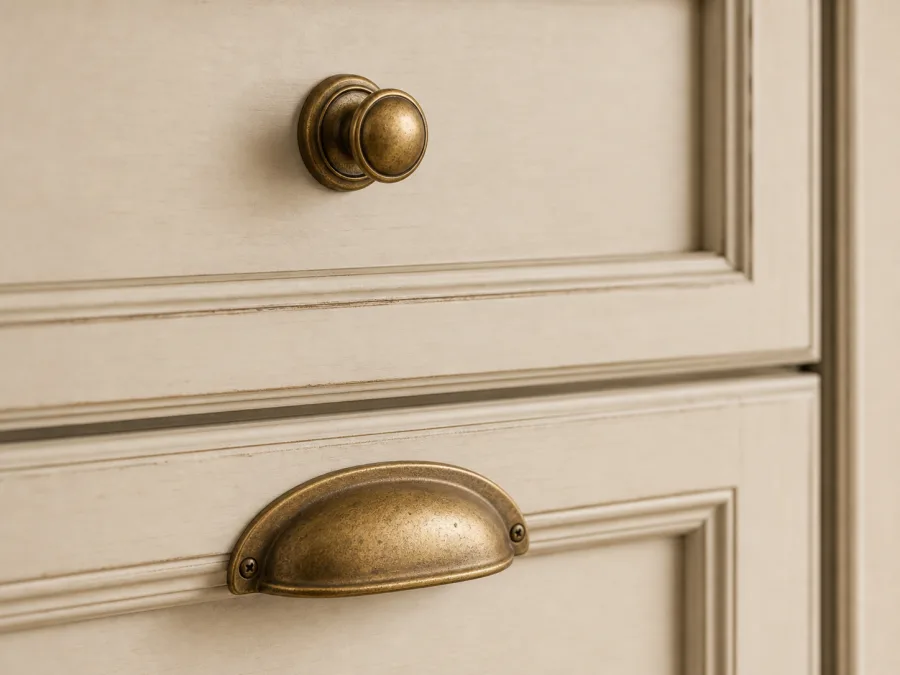
Warms hardware, lamps and frames with a classic, lived-in glow.
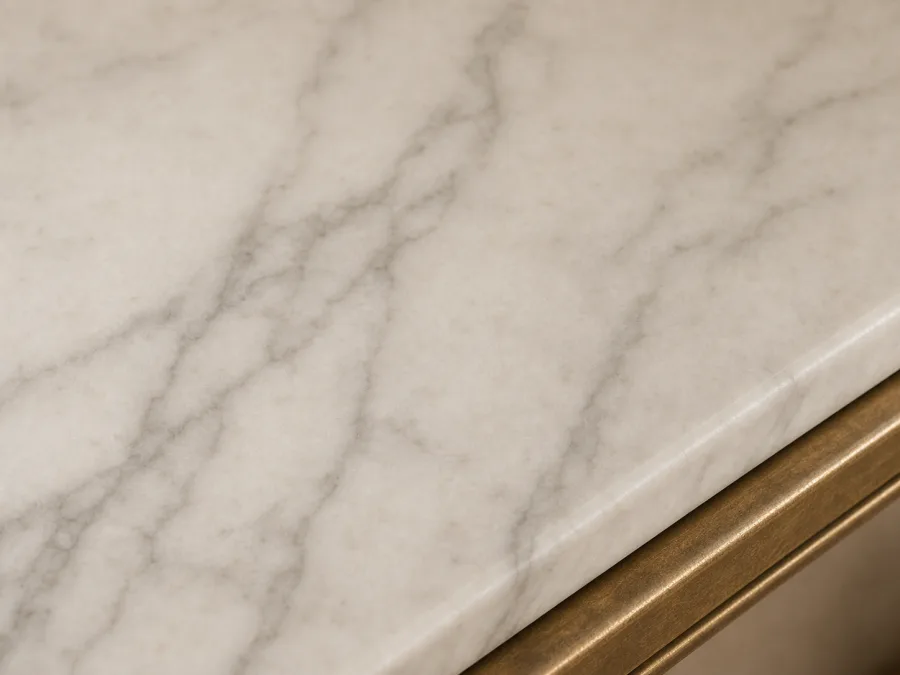
Works for fireplaces, tabletops and counters when the room needs refined weight.
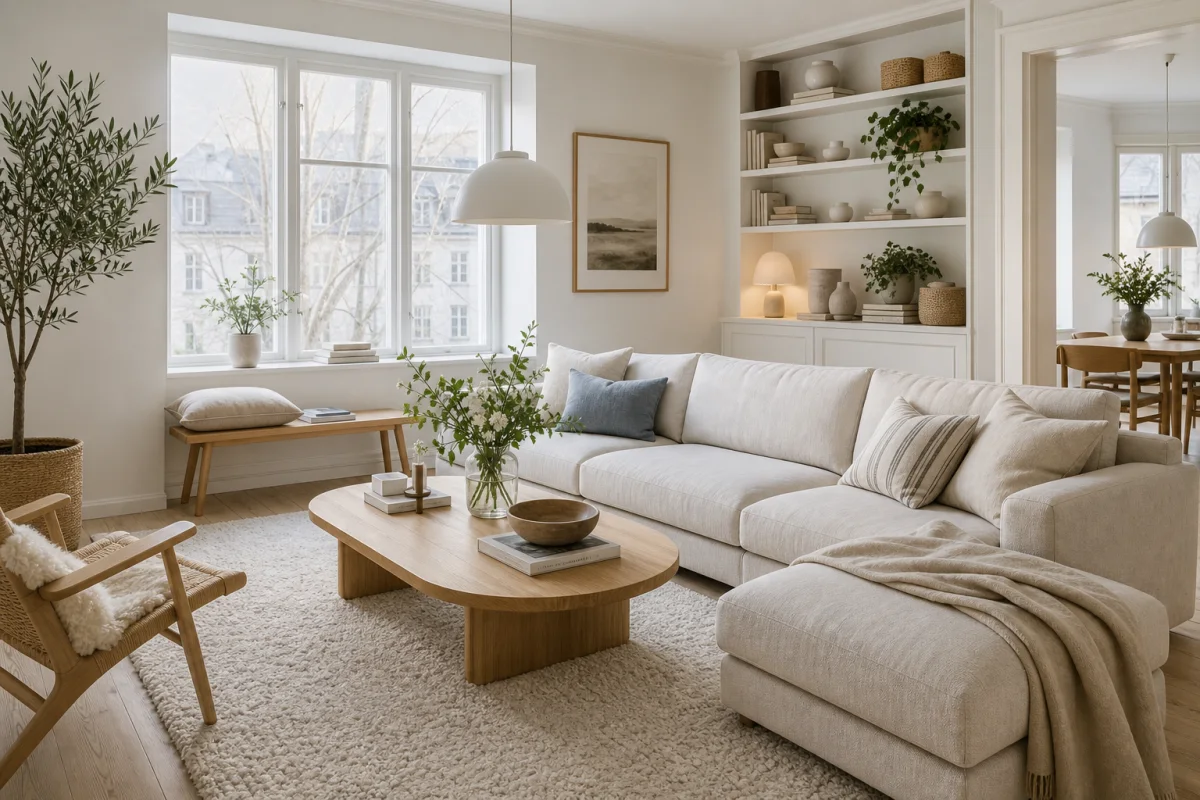
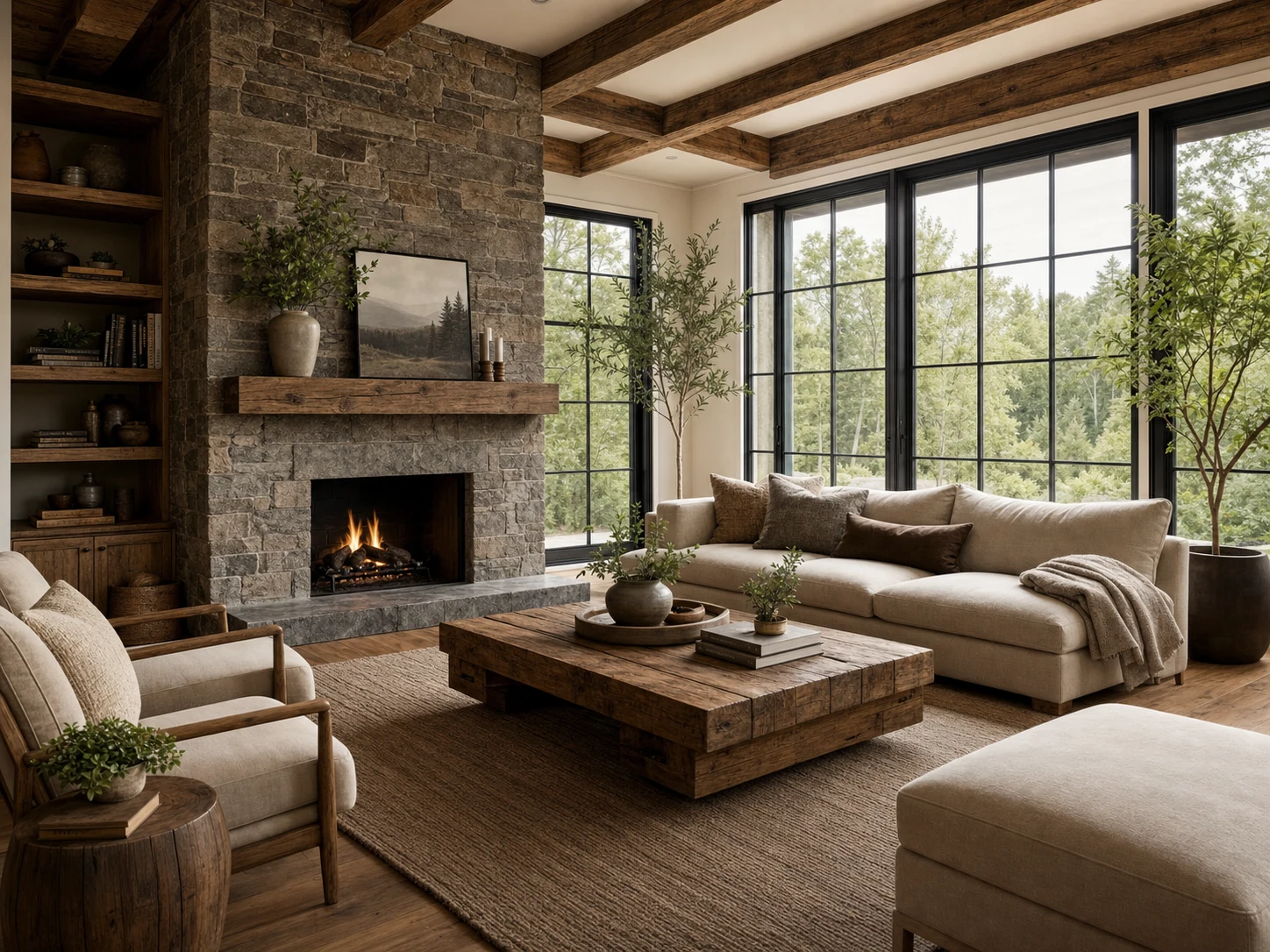
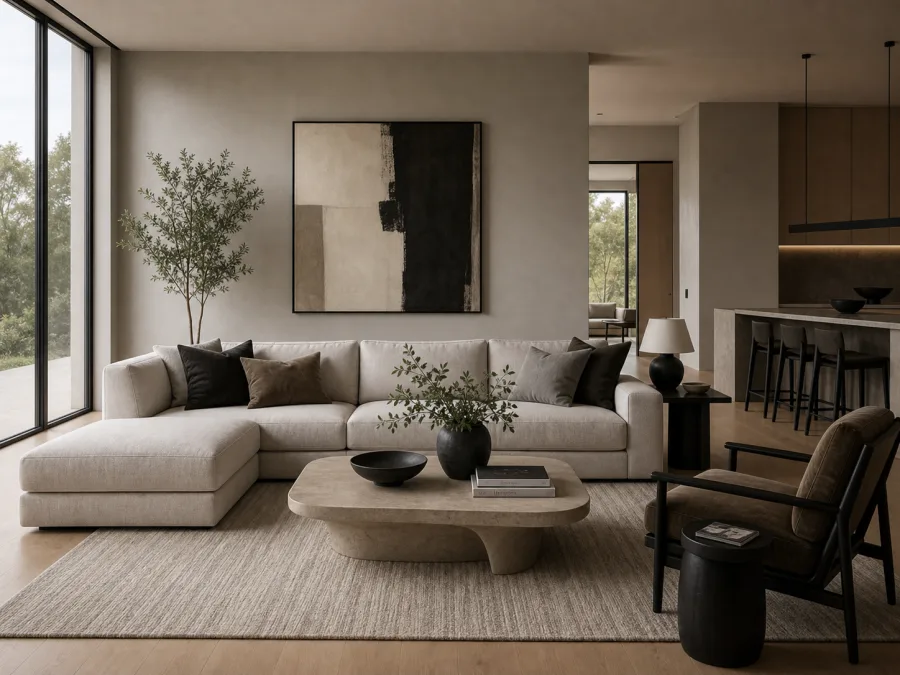
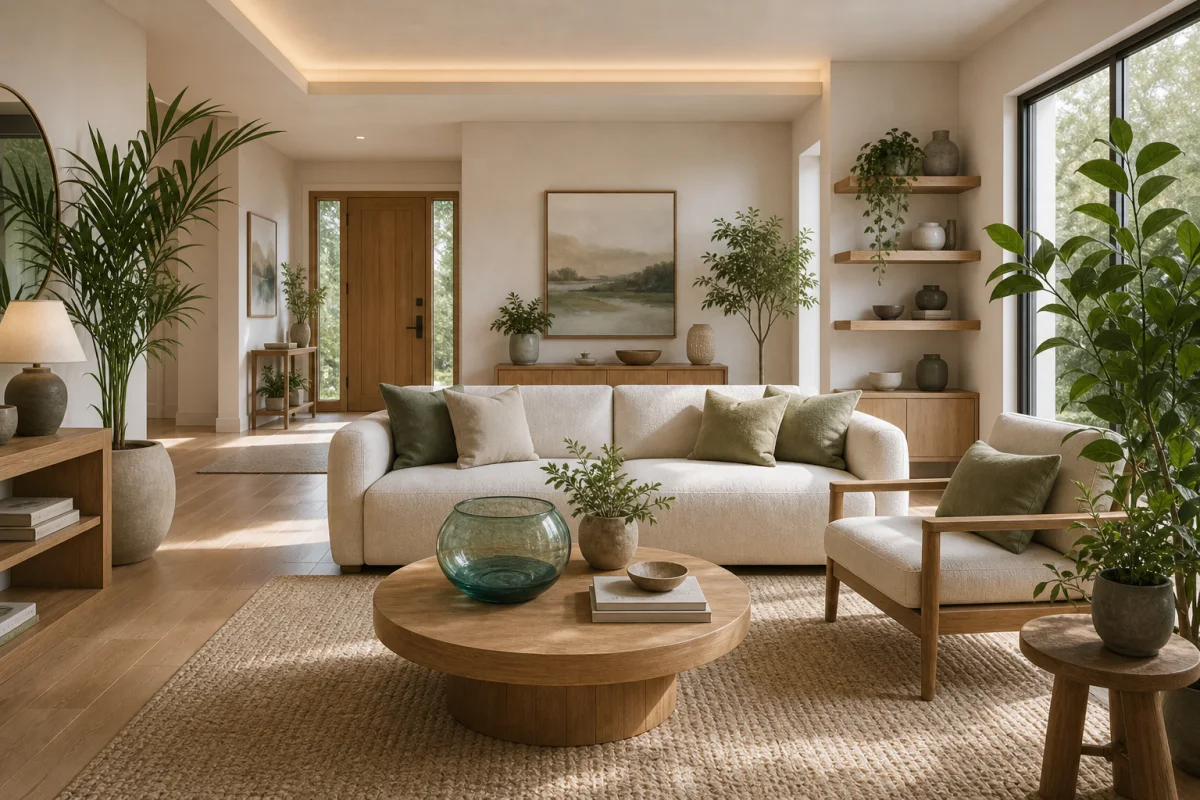
Traditional design overlaps with several balanced and comfortable styles. These comparisons help clarify whether you want classic formality, lighter simplicity or a more relaxed material story.
Cleaner, more current and less decorative.
Choose traditional if you want more pattern, warmer wood and furniture with recognizable classic profiles.
Look for framed art, rugs, lamps, wood casegoods and balanced seating rather than open, sparse surfaces.
More casual, textured and nature-forward.
Choose traditional if you want polish, symmetry and a more formal furniture language.
Replace raw wood and stone with walnut, upholstery, brass, art and patterned textiles.
Lighter, brighter and more casual.
Choose traditional if you want richer layers, darker wood and a room that feels established.
Use curtains, rugs, side tables and lamps instead of relying on light wood and open space alone.
More focused on flow, balance and energy than a specific historic look.
Choose traditional if you want visual balance through classic furniture, not only layout principles.
Use symmetry, pairs, clear focal points and layered materials to make the room feel settled.
Traditional rooms are carried by pieces with shape, weight and history. Choose fewer strong anchors, then layer textiles and lighting around them.
Look for tailored arms, a comfortable seat and fabric that can hold a room without looking trendy.
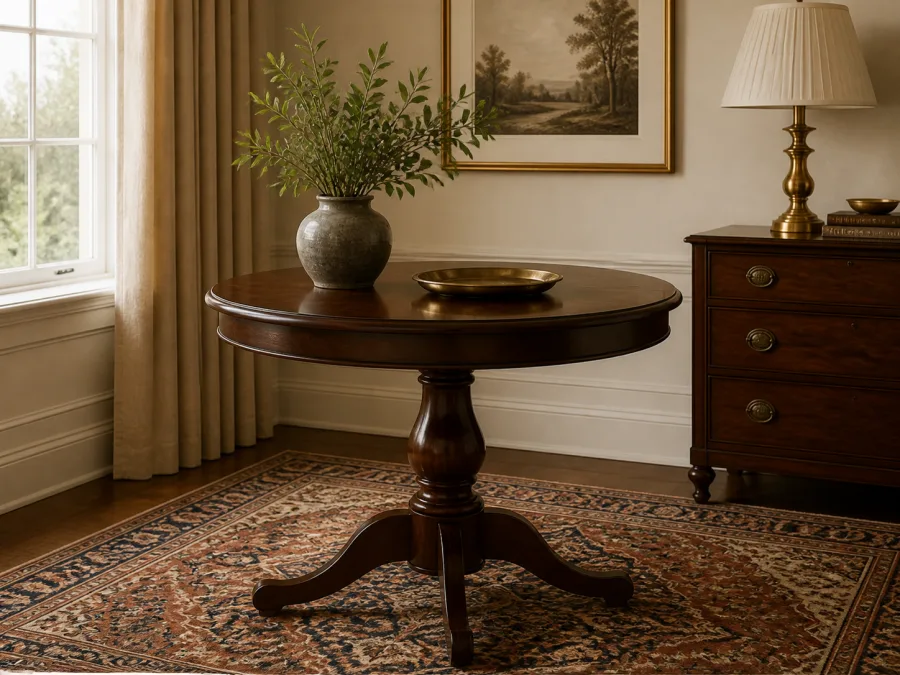
A turned or pedestal base adds classic shape while keeping the surface practical.
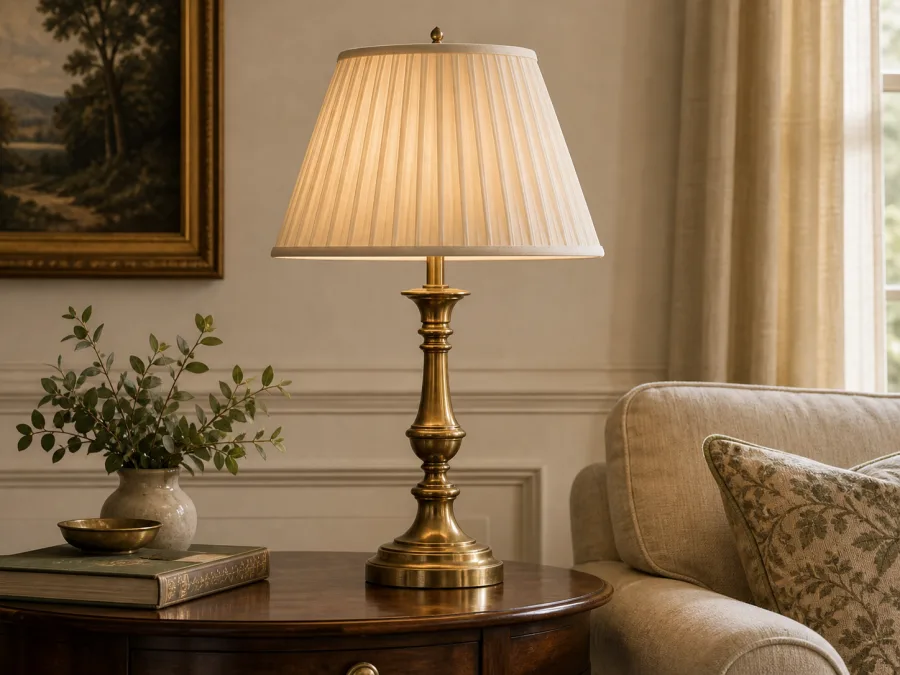
Aged brass and a pleated shade create warmer light and a more finished corner.
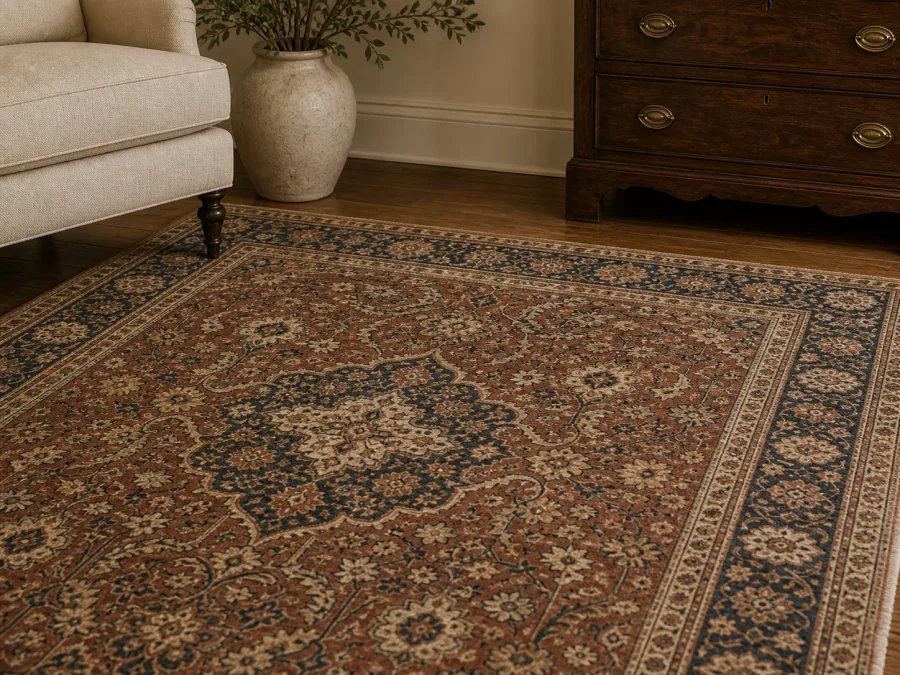
A rug is often the easiest way to connect wood, upholstery, art and accent colors.
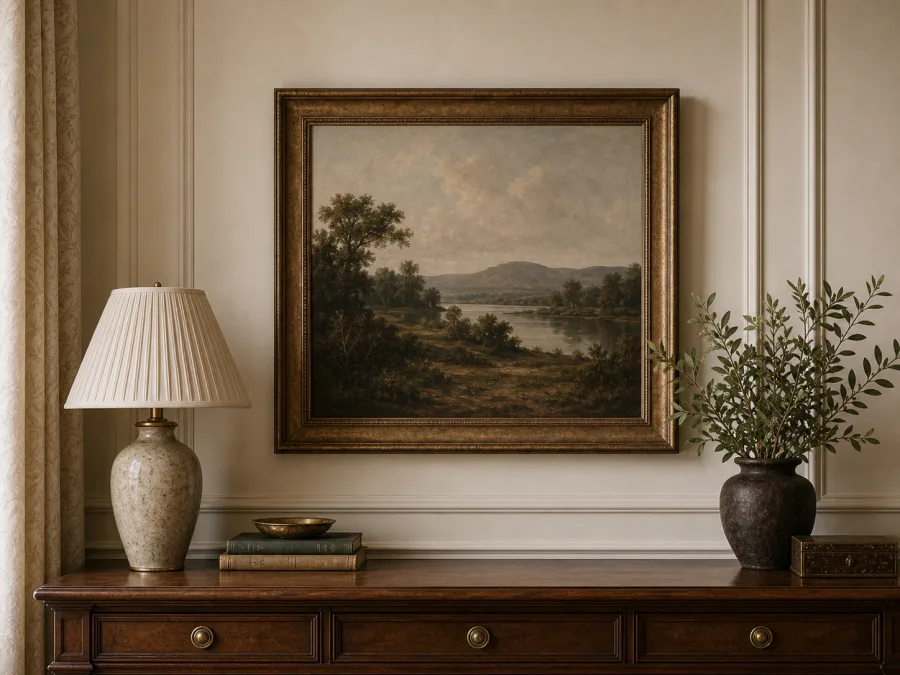
Quiet art gives the room a collected feeling without needing busy wall decor.
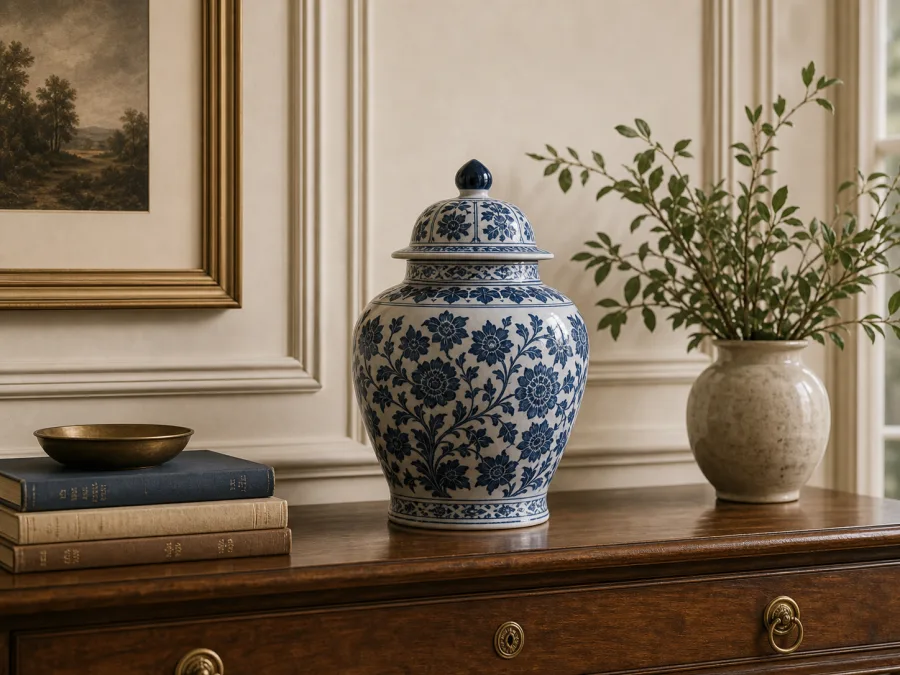
One ceramic piece can add pattern, color and history on a console, shelf or mantel.