01
Classic dining room
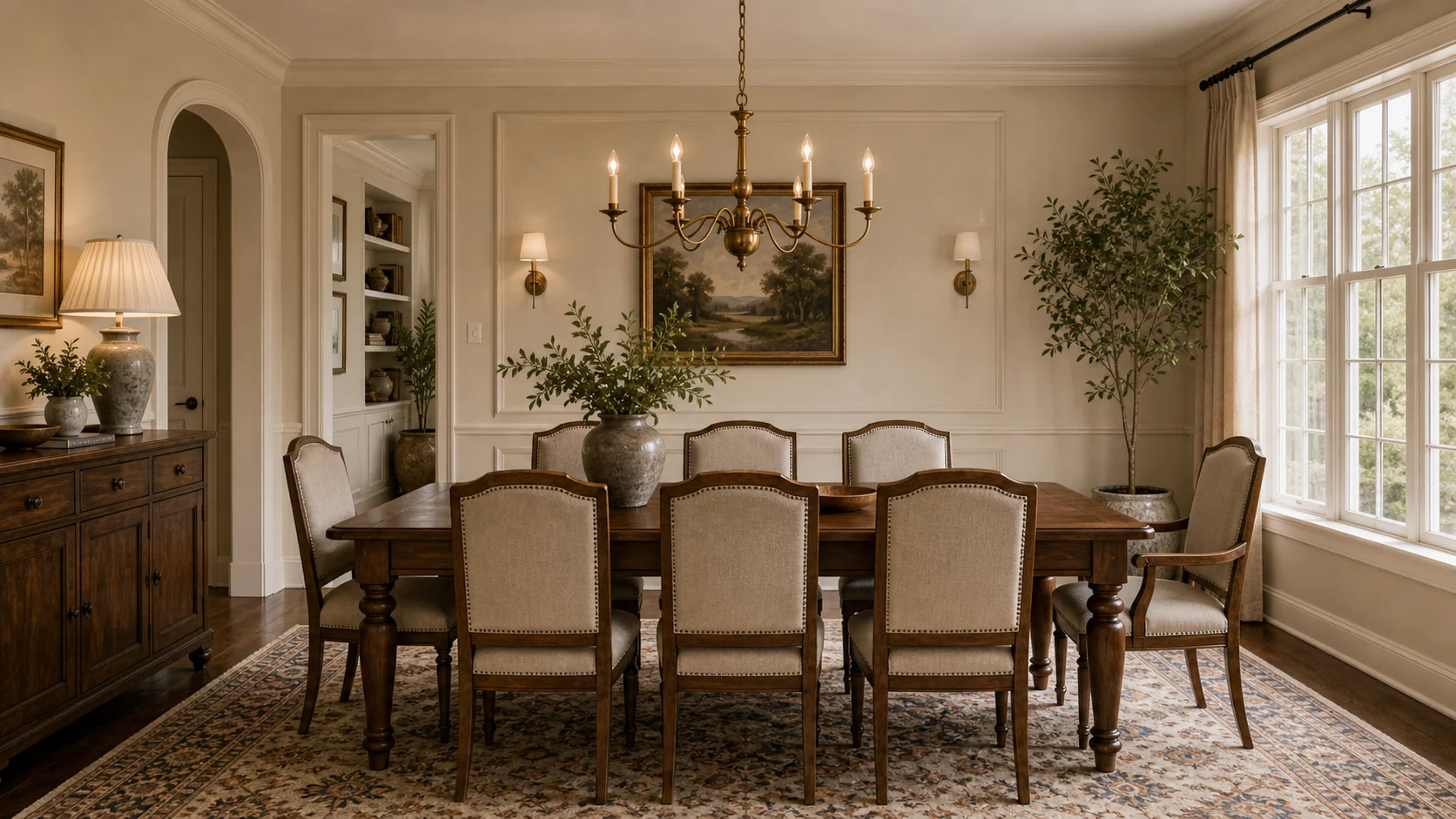
A wood table, balanced chairs and warm lighting create the core traditional dining formula.
Ideas, layouts, colors and materials for a traditional dining room — plus the pieces that make the look work.
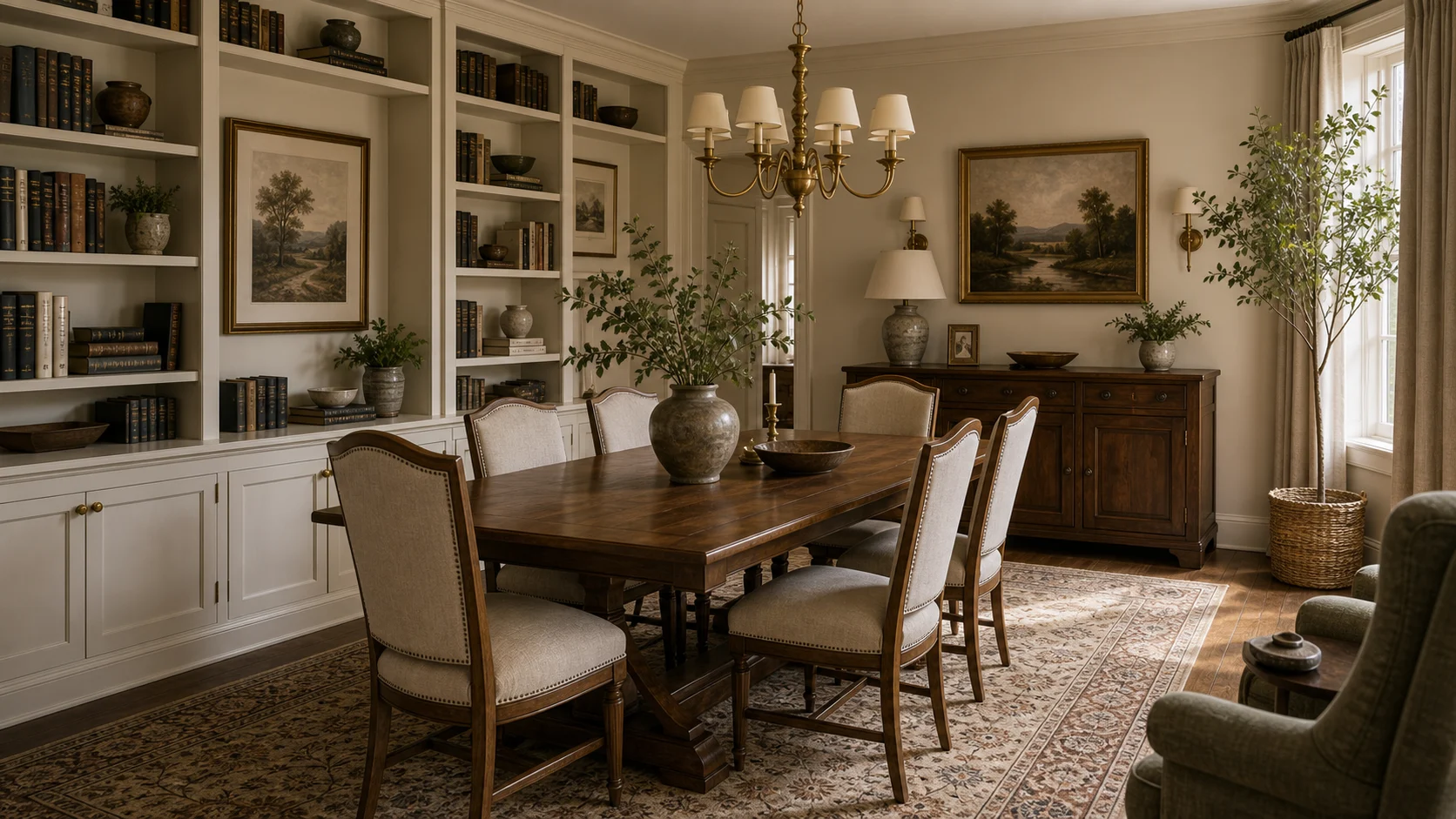
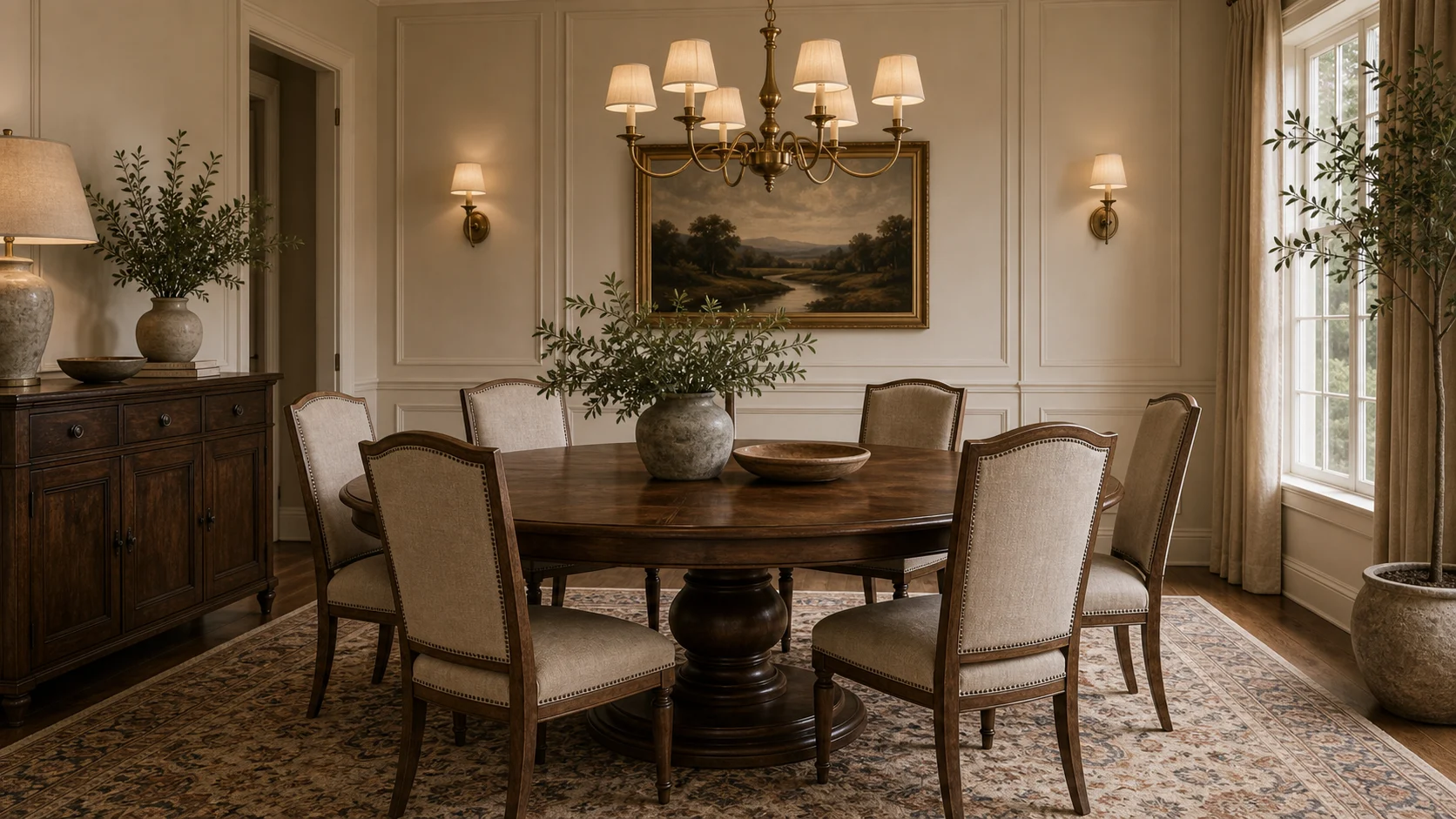
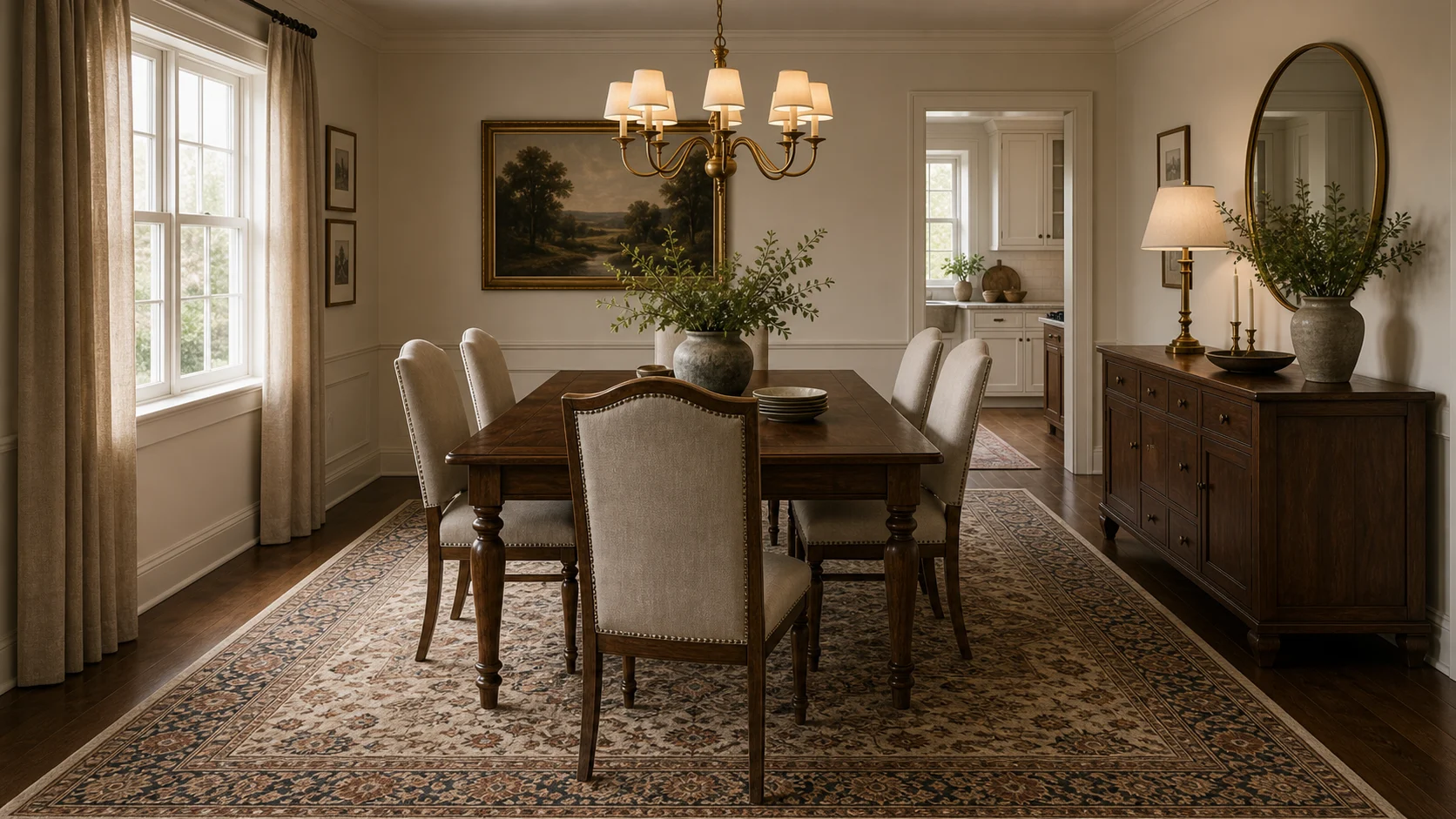
A traditional dining room is about occasion, but it still needs to work for real meals. The table, chairs, rug, lighting and storage should create a clear center without making the room feel untouchable.
Use a substantial table, comfortable chairs, warm light and one or two classic materials. The best traditional dining rooms feel gracious, not stiff.
Use these examples to choose the version of the style that fits your architecture, light and square footage.
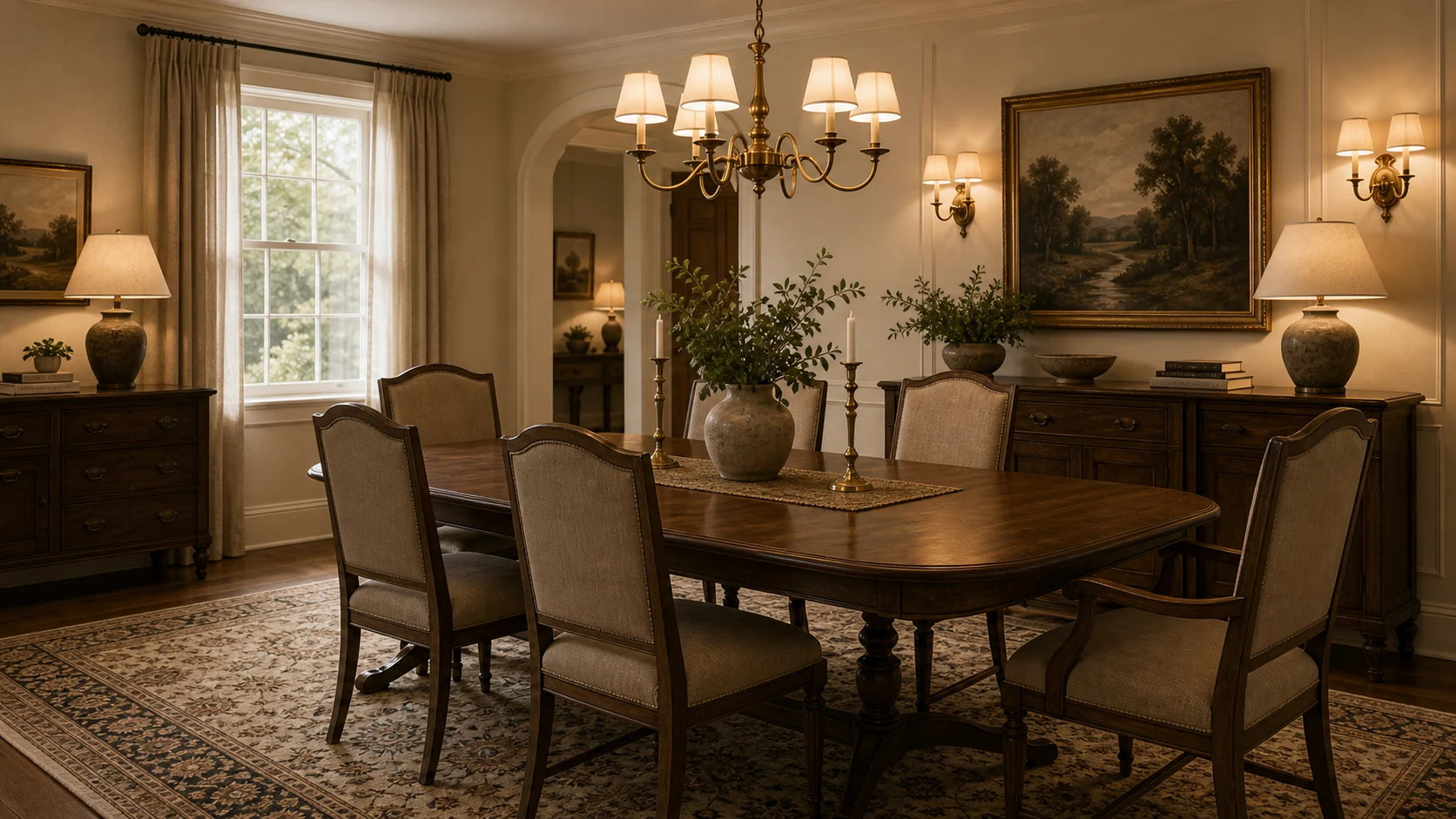
Use the style where it helps the room work: seating, circulation, focal point and material balance.
Leave enough chair clearance so the room feels generous, not packed.
A chandelier or pendant should relate to the table shape and sit low enough to define the zone.
A sideboard, cabinet or bookcase gives the dining room depth and practical storage.
Upholstered seats or backs make traditional dining feel more inviting.
Traditional rooms work best when the palette feels layered but controlled. Start with warm neutrals, add wood depth, then use muted accent colors through textiles, art and ceramics.
Use it for walls, trim or large upholstery so wood and pattern have a calm background.
The anchor tone for tables, casegoods, frames and library pieces.
A classic accent for pillows, ceramics, art or drapery when the room needs softness.
Best in lamps, hardware, frames and small details. It warms the palette without shouting.
Use sparingly in rugs, books or upholstery trim for depth and heritage.
Cream, taupe, warm gray or muted green creates a calm dining backdrop.
Walnut, mahogany or oak should anchor the table, sideboard or chairs.
Muted pattern in the rug or chair fabric adds character without overwhelming the table.
Brass or bronze lighting adds warmth over darker wood.
For this room, a few strong choices can carry the style better than adding more decor.
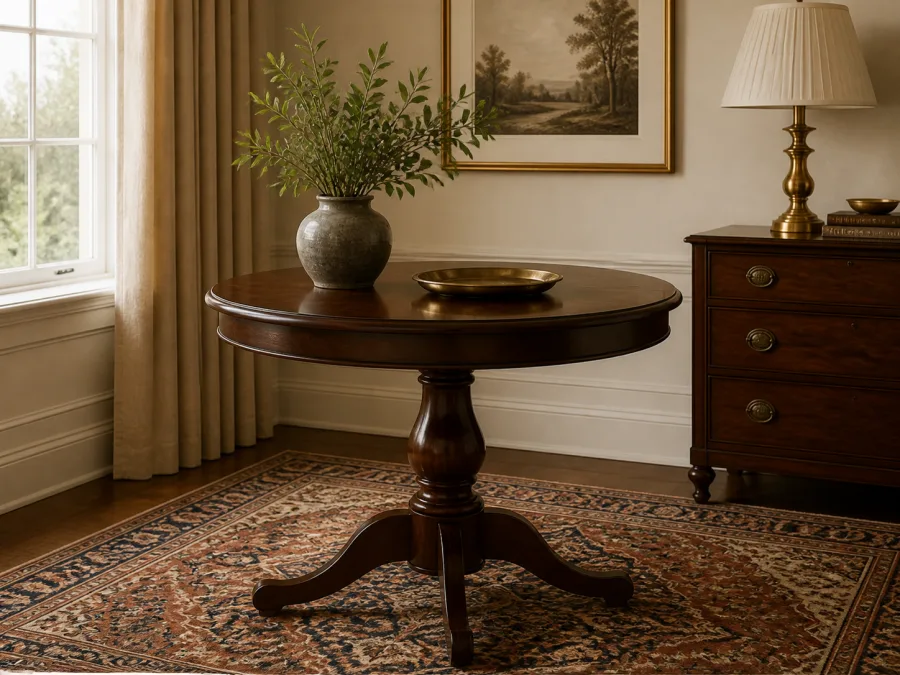
Adds classic form and a strong center to the room.
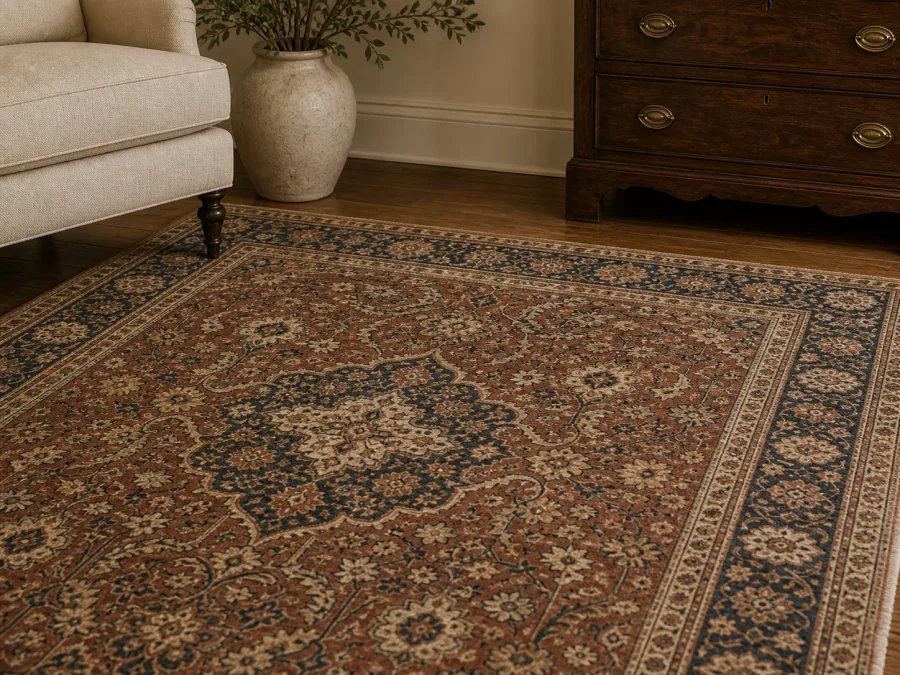
Defines the dining zone and brings color underfoot.
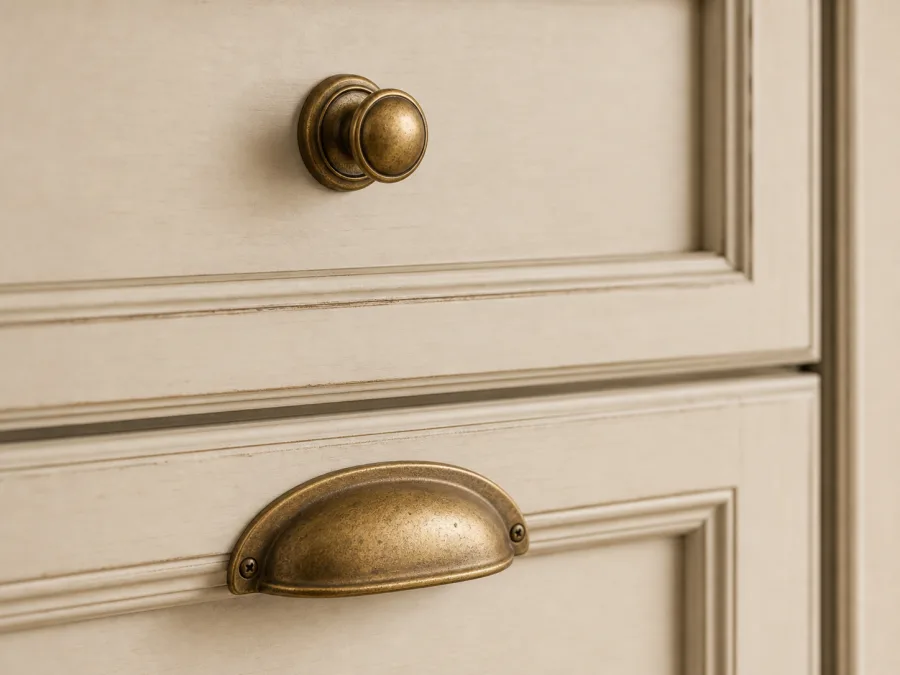
Works well for chandeliers, lamps and cabinet pulls.
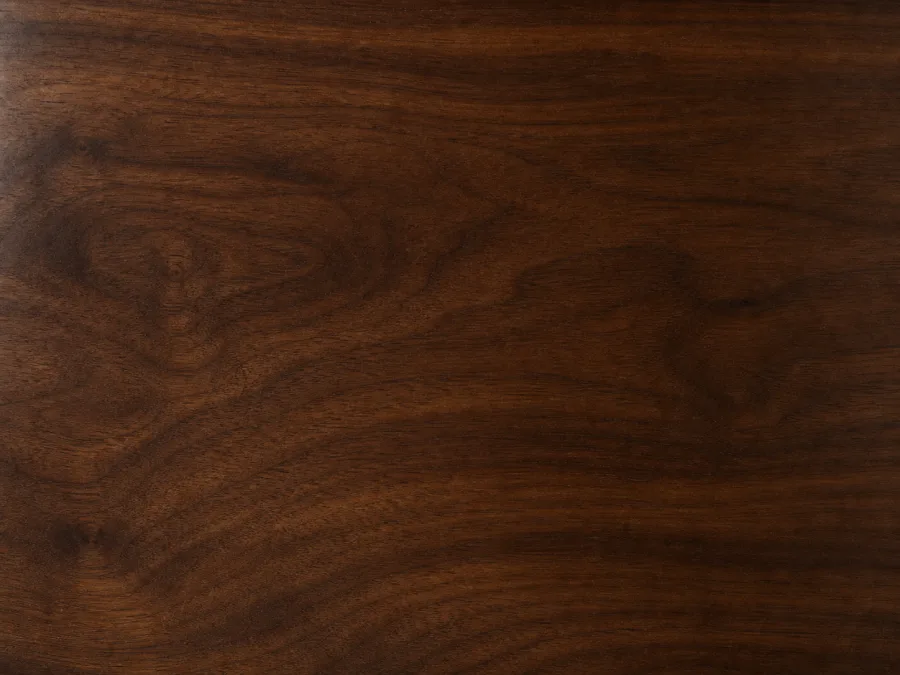
Gives dining furniture depth and permanence.
Use these checks to keep the traditional character clear without compromising how the dining room works.
Traditional does not mean oversized. Chair clearance matters.
Dining lighting should visually belong to the table, not float near the ceiling.
Comfortable chairs and practical storage make the room easier to use.